Why Teach Kids About World Vehicles?
Vehicles are windows into cultures. The type of vehicles a country uses, how they're decorated, and how people share them reveal values, geography, economics, and history. When your toddler learns that Filipino jeepneys are retired American military jeeps transformed into colorful public buses, they're learning about World War II history, resourcefulness, and artistic expression—all through a vehicle they can touch, hear, and see.
This guide covers more than 150 vehicles across 22 regions, organized to help you teach geography, cultural awareness, and vocabulary while building on your child's natural vehicle obsession. Each regional article includes 6–8 vehicles with cultural context, speech sounds for language development, and activities that make learning tangible.
If you want a simple starting point, you can also visit the vehicle-powered learning hub to see all 100+ vehicles organized into categories, then branch out into world vehicles from there.
What makes this series unique: I don't just describe vehicles—I explain why they exist. Why are American school buses yellow? (Peripheral vision science.) Why do Russian vehicles look so tough? (Siberian winters at -60°F.) Why are jeepneys so decorated? (Cultural pride and entrepreneurship.) Understanding the "why" builds empathy and curiosity about different ways of living.
What is the World Vehicles for Kids guide and who is it for?
World Vehicles for Kids is a 22-region, 150+ vehicle learning series that helps parents use vehicle obsessions to teach world geography, culture, and speech. The hub article organizes links to regional guides and an interactive world map so families can compare how buses, trains, taxis, and work vehicles look and work in different countries. Each guide explains why vehicles are designed the way they are—based on climate, distance, history, and culture—and offers speech-friendly vocabulary plus simple map, coloring, and pretend-play activities. It is written for proactive parents and caregivers of toddlers and early elementary kids, roughly ages 2–6, who want screen time to spark real-world questions and offline play.
How to Use This Guide
By Age & Interest
Ages 2-3 (Vehicle Recognition): Focus on familiar vehicles in different forms. Start with USA vehicles your child recognizes (school bus, fire truck), then explore how other countries have similar vehicles that look different—like UK's double-decker buses or India's auto rickshaws.
Ages 3-4 (Cultural Connections): Introduce cultural concepts through decoration and adaptation. Southeast Asian jeepneys and African matatus show how people personalize vehicles. Scandinavian snowplows and Middle Eastern desert vehicles show climate adaptation.
Ages 4-6 (Geographic Thinking): Explore how geography shapes vehicles. Why do Australian road trains haul three trailers? (Vast empty distances.) Why does China have the world's largest high-speed rail network? (1.4 billion people needing efficient transport.) Connect vehicles to maps, climates, and distances.
By Learning Goal
Speech Development: Each vehicle name includes phoneme breakdowns. Start with easier sounds (bus, car, train) in USA, progress to challenging consonant clusters (tuk-tuk, snowplow) in Southeast Asia and Scandinavia.
Geography Skills: Use vehicles to teach continents, climates, and distances. Japan's bullet trains vs. Russia's Trans-Siberian Railway teach about island nations vs. continental size. Desert 4x4s vs. ice road trucks show extreme climates.
Cultural Awareness: Vehicles reveal values. Decorated Indian trucks, South American chicken buses, and Philippine jeepneys show cultures that value artistic expression. Scandinavian and Russian vehicles prioritize function and survival.
Regional Guides Overview
Asia (5 Regions, 40 Vehicles)
Japan: Technology Meets Tradition
Featured vehicles: Shinkansen bullet trains (200 mph), kei cars (tiny city vehicles), delivery bikes, Tokyo taxis, metro trains, police cars, garbage trucks, ambulances.
What kids learn: How limited space creates vehicle innovation. Why Japanese vehicles are small and efficient. How technology and tradition coexist (bullet trains vs. bicycle delivery).
Best for: Kids interested in trains, technology, or how things work. Teaches problem-solving through constraints.
India: Color, Chaos, and Resourcefulness
Featured vehicles: Auto rickshaws (tuk-tuks), decorated trucks (horn please!), dabbawalas (lunch delivery bikes), Ambassador taxis, Mumbai metro, cycle rickshaws, school vans, street sweepers.
What kids learn: How decoration expresses identity. Why vehicles share road space differently. How informal systems organize (dabbawala lunch delivery with 99.99% accuracy).
Best for: Kids who love color and patterns. Teaches cultural expression and organized chaos.
China: From Ancient to Future
Featured vehicles: High-speed trains (Fuxing, 268 mph), electric scooters (300+ million), cargo tricycles, Shanghai Maglev (magnetic levitation), metro systems, bicycles, delivery tricycles, electric buses.
What kids learn: Rapid technological transformation. How old solutions (cargo tricycles) coexist with newest technology (maglev trains). Scale of infrastructure for 1.4 billion people.
Best for: Kids fascinated by fast trains and future technology. Teaches about rapid change and scale.
South Korea: High-Speed Trains and Smart Cities
Featured vehicles: KTX high-speed trains, Seoul Metro, smart buses, Hyundai and Kia electric cars, food delivery scooters, campus shuttles, and shared e-scooters.
What kids learn: How rapid development, technology integration, and dense cities shape vehicles and daily life. Why Korea often jumps quickly from older solutions to advanced new systems.
Best for: Kids curious about technology, apps, and how modern cities work. Teaches about compressed development and systems thinking.
Southeast Asia: Tropical Adaptation
Featured vehicles: Jeepneys (decorated WWII jeeps), tuk-tuks (three-wheeled taxis), tricycles (motorcycle + sidecar), songthaews (truck taxis), cyclos (bicycle rickshaws), motorcycles, school buses, police motorcycles.
What kids learn: How climate shapes vehicles (open sides for ventilation). Cultural transformation (American jeeps → Filipino jeepneys). Community-based transportation.
Best for: Kids who love colorful, decorated vehicles. Teaches resourcefulness and artistic expression.
Europe (7 Regions, 56 Vehicles)
United Kingdom: Heritage and Engineering
Featured vehicles: Double-decker buses (iconic red), black cabs (London taxis), Royal Mail vans, police cars, Range Rovers, white vans, National Express coaches, mini cars.
What kids learn: How historic cities create specialized vehicles (narrow streets → small vehicles, tall buildings → double-deckers). Engineering for specific purposes (black cab turning radius).
Best for: Kids interested in cities, history, or specialized engineering. Teaches design for constraints.
Scandinavia: Winter Engineering
Featured vehicles: Snowplows (massive winter warriors), ice road trucks (driving on frozen lakes), Volvo trucks (Swedish engineering), ambulances (winter-ready), school buses (studded tires), electric cars (Norway leads adoption), garbage trucks, snowmobiles.
What kids learn: Extreme cold adaptation (-60°F). How winter isn't obstacle but design parameter. Engineering for worst-case scenarios.
Best for: Kids fascinated by extreme conditions and survival. Teaches adaptation to harsh environments.
Germany: Engineering Excellence
Featured vehicles: Autobahn cars, ICE trains, BMWs, Straßenbahns (trams), bicycles, police cars, Müllwagens (garbage trucks), Volkswagen Beetles.
What kids learn: Precision engineering, efficiency, environmental consciousness, and how cultural values shape design priorities.
Best for: Kids fascinated by how things work, speed, and systematic solutions.
France: Style and Function Together
Featured vehicles: TGV high-speed trains, Citroën 2CV, Paris Metro, Vélib' bikes, Peugeot family cars, Renault Kangoo vans, Paris taxis, Gendarmerie police vans.
What kids learn: How French design balances engineering with aesthetics. Why trains, cars, and even bike systems are designed to be both practical and beautiful. How public transit reduces car dependence in dense cities.
Best for: Kids drawn to fast trains, city life, and beautiful design. Teaches that function and style can work together.
Italy: Passion, Style, and Small Streets
Featured vehicles: Vespa scooters, Fiat 500 city cars, Piaggio Ape three-wheelers, Ferrari sports cars, Italian city bicycles, Alfa Romeo driver's cars, Frecciarossa high-speed trains, Polizia police cars.
What kids learn: How medieval city layouts create tiny vehicles, and how Italian culture emphasizes joy and beauty in everyday transportation. Why passion can drive engineering choices as much as pure efficiency.
Best for: Kids fascinated by stylish vehicles, scooters, and trains. Teaches that constraints can inspire creative, beautiful solutions.
Netherlands: Bikes, Trams, and Train-First Cities
Featured vehicles: Bakfiets cargo bikes, upright city bicycles, e-bikes, Amsterdam trams, NS Dutch Railways trains, Sprinter regional trains, police bicycles, and delivery tricycles.
What kids learn: How a country deliberately chose bikes and trains over cars, why safe infrastructure lets children bike independently, and how combining bikes, trams, and trains makes car-free cities practical.
Best for: Kids who already love bikes or trains. Teaches that transportation systems are designed, not accidental—and that cities can choose people-first options.
Spain: High-Speed Trains, Metros, and Regional Identity
Featured vehicles: AVE high-speed trains, Madrid Metro, SEAT cars, Barcelona trams, white taxis, scooters, horse-drawn carriages in Seville, and Formula One race cars through Fernando Alonso's legacy.
What kids learn: How a country can transform rapidly within one generation, how regional identity (Catalonia vs. Madrid vs. Andalusia) shows up in vehicles and infrastructure, and why Spain uses trains and metros for daily life while enjoying racing as sport.
Best for: Kids fascinated by fast trains, metros, and big stories about national change. Teaches that infrastructure, politics, and culture all shape the vehicles people use.
Arctic (1 Region, 8 Vehicles)
Greenland & Iceland: Arctic Survival and Extreme Cold Engineering
Featured vehicles: Super jeeps with 44-inch tires, Greenland dogsleds, search-and-rescue snowmobiles, geothermal buses, engine-block-heater cars, and Arctic snowplows.
What kids learn: How vehicles become survival tools in -50°F cold, why traditional Indigenous knowledge (dogsleds) still matters with modern technology, and how extreme climate shapes infrastructure, energy choices, and rescue systems.
Best for: Kids obsessed with snow, rescue stories, and extreme environments. Teaches humility, preparation, and respect for nature's power.
Africa (1 Region, 8 Vehicles)
Africa: Adaptation and Innovation
Featured vehicles: Safari vehicles (game drives), matatus (decorated minibuses), bush taxis, boda-bodas (motorcycle taxis), Land Cruisers (African workhorse), tuk-tuks, pickup trucks, logging trucks.
What kids learn: How difficult terrain shapes vehicles. Informal transit systems. Vehicles as economic opportunity (matatu business, boda-boda riders).
Best for: Kids interested in animals, adventure, and resourcefulness. Teaches adaptation to challenging conditions.
Middle East (2 Regions, 16 Vehicles)
Middle East: Desert Mastery
Featured vehicles: Desert 4x4s (lifted Land Cruisers), water tankers, modified pickup trucks, shared taxis, camels (traditional), luxury sedans, construction trucks, delivery vans.
What kids learn: How extreme heat and sand affect vehicles. Water as precious resource (tanker trucks). Contrast between wealth (luxury cars) and traditional (camels).
Best for: Kids fascinated by deserts and extreme environments. Teaches how scarcity drives innovation.
Dubai & Gulf: Supercars and Extreme Wealth
Featured vehicles: Gold-wrapped Lamborghinis, police supercars, armored luxury sedans, abandoned supercars, hypercars from regional manufacturers, and car-carrier trucks hauling multiple exotic vehicles.
What kids learn: How rapid wealth and social media can reshape car culture, why some vehicles become status symbols, and how economics, risk, and values show up in what people drive.
Best for: Kids obsessed with sports cars and eye-catching vehicles. Teaches critical thinking about wealth, marketing, and what vehicles can represent.
Americas (4 Regions, 32 Vehicles)
South America: Colorful Creativity
Featured vehicles: Chicken buses (retired U.S. school buses transformed), chivas (Colombian party buses), mountain trucks (Andean cliff roads), collectivos (shared taxis), mototaxis (motorcycle taxis), pickup trucks, garbage trucks, police motorcycles.
What kids learn: How recycling creates beauty (school buses → art). Extreme geography (mountain roads at 15,000 feet). Community-based systems.
Best for: Kids who love art and color. Teaches resourcefulness and cultural expression through decoration.
USA: Car Culture and Scale
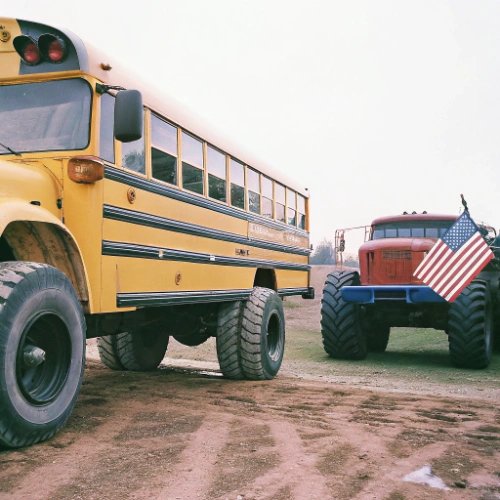
Featured vehicles: Yellow school buses (instantly recognizable worldwide), monster trucks (entertainment giants), USPS mail trucks (right-hand drive), semi-trucks (18-wheelers), pickup trucks (best-sellers), fire trucks, police cars, garbage trucks.
What kids learn: How sprawl creates car dependency. Vehicle size preferences. Entertainment through vehicles (monster trucks). Safety through regulation (school buses).
Best for: Kids familiar with American vehicles wanting cultural context. Teaches about infrastructure and car-centric society.
Canada: Winter Resilience and Remote Distances
Featured vehicles: Highway snowplows, logging trucks, ice road trucks, Canadian pickup trucks, school buses with winter packages, Toronto streetcars, RCMP vehicles, and ice resurfacers (often called Zambonis at the rink).
What kids learn: How extreme cold, vast distances, and sparse population shape vehicles. Why block heaters, winter tires, and self-reliant trucks matter when help can be hours away, and how communities depend on winter infrastructure like snowplows and ice roads.
Best for: Kids fascinated by snow, big trucks, and survival stories. Teaches resilience, planning, and respect for harsh environments.
Mexico: Pickup Trucks, Peseros & Street Culture
Featured vehicles: Popular pickup trucks, pesero minibuses, VW Beetle taxis (vochos), elote carts on three-wheeled tricycles, painted delivery trucks, border-crossing commercial trucks, Mexico City Metro trains, and everyday traffic navigating informal rules.
What kids learn: How economic integration links Mexico to the US and Canada, how informal transit and street vending provide livelihoods, and how decoration and personalization turn vehicles into folk art.
Best for: Kids curious about neighbors and street life. Teaches cultural relativism, informal economies, and how the same vehicle types can look and function differently across borders.
Oceania (1 Region, 8 Vehicles)
Australia: Outback Toughness
Featured vehicles: Road trains (3-trailer trucks), utes (pickup trucks), Outback 4x4s, caravans (campers), mining trucks, school buses (long distances), Royal Flying Doctor, livestock trucks.
What kids learn: How vast distances shape vehicles (road trains haul more to reduce trips). Isolation and self-sufficiency. Extreme heat and dust adaptation.
Best for: Kids fascinated by big vehicles and empty spaces. Teaches about distance and isolation.
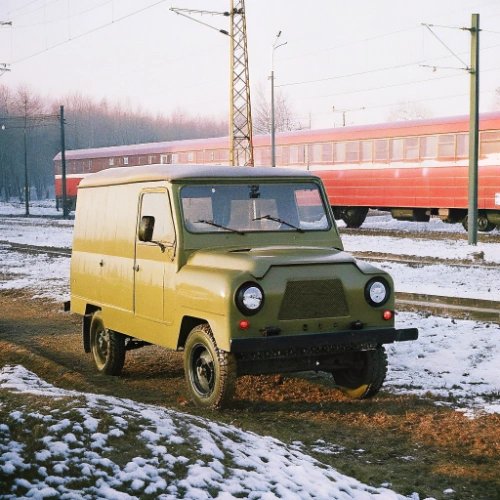
Russia (1 Region, 8 Vehicles)
Russia: Extreme Survival
Featured vehicles: UAZ off-roaders (Siberian workhorses), Trans-Siberian Railway (world's longest), tracked vehicles (goes everywhere), marshrutkas (minibus taxis), Kamaz trucks (Dakar winners), snowplows, GAZ Volga (Soviet classic), metro trains (deepest in world).
What kids learn: Engineering for -60°F to 110°F extremes. How size of country affects transport (11 time zones). Prioritizing reliability over sophistication.
Best for: Kids interested in extreme conditions and tough vehicles. Teaches pragmatic engineering and resilience.
Quick Comparison Charts
Same Vehicle, Different Approaches
School Buses
- USA: Large, yellow, regulated for safety, dedicated vehicles
- UK: Red/white coaches, not specifically "school buses"
- Japan: Small vans, parents often walk kids to school
- Philippines: Jeepneys used after school for students
- China: Pickup trucks with bench seats in rural areas
- India: Auto rickshaws, shared vans (informal system)
Taxis
- USA: Yellow sedans (NYC), varied elsewhere
- UK: Black cabs (London), distinctive design
- Japan: Automatic doors, white gloves, extreme cleanliness
- India: Auto rickshaws (three wheels, open sides)
- Thailand: Tuk-tuks (motorized three-wheelers)
- China: Modern sedans, app-based dominance
Cargo/Delivery
- USA: Large semi-trucks (18-wheelers), one driver
- Japan: Small delivery vans and bicycles
- India: Decorated trucks, small three-wheelers
- China: Electric tricycles for last-mile delivery
- Southeast Asia: Motorcycles carrying enormous loads
- Africa: Pickup trucks and shared cargo vans
By Climate Adaptation
Extreme Cold (Below 0°F Regularly)
- Scandinavia: Studded tires, engine heaters, reinforced everything
- Russia: Simple mechanics (easier to repair), extreme durability
- Canada: Block heaters, winter tires, snowplows, ice road trucks, and logging trucks built for -40°F winters
- Greenland & Iceland: Dogsleds, super jeeps, rescue snowmobiles, and block heaters keeping vehicles alive in -50°F Arctic nights
Extreme Heat (Above 100°F Regularly)
- Middle East: Lifted 4x4s for sand, dust protection, cooling systems
- Australia: Outback preparation, water storage, rugged construction
- India: Open-air vehicles (rickshaws), heat ventilation
Tropical (Hot + Humid Year-Round)
- Southeast Asia: Open sides, no doors/windows, rust protection
- Africa: Ventilation priority, minimal electronics (humidity damage)
- South America: Open designs (chivas, chicken buses)
By Vehicle Decoration Level
Highly Decorated (Art as Identity)
- Philippines: Jeepneys (chrome, religious imagery, family names)
- India: Trucks ("Horn Please" art, intricate patterns)
- Africa: Matatus (colorful, pop culture, messages)
- South America: Chicken buses (rainbow paint, elaborate designs)
Minimally Decorated (Function First)
- Japan: Clean, uniform, minimal personal expression
- Scandinavia: Utilitarian, focus on function and durability
- Russia: Pragmatic, decoration not priority
Learning Activities Across Regions
Geography Activities
Map Your Journey: Print a world map. As you explore each regional article, place stickers or draw vehicles on that continent. Track simple facts like "Jeepneys are in the Philippines" (point to Southeast Asia) or "Snowplows work hard in Norway" (point to Scandinavia). Build geographic awareness through vehicles.
Climate Connections: Group vehicles by climate. Cold vehicles (snowplows, ice road trucks) vs. Hot vehicles (desert 4x4s, open-air tuk-tuks) vs. Moderate vehicles (European cars). Discuss: Why are Scandinavian vehicles so different from Middle Eastern ones?
Distance Comparison: Use Trans-Siberian Railway (5,772 miles) as measuring stick. How many times would you travel that distance to equal circumference of Earth? How does it compare to distance from your home to grandparents?
Cultural Activities
Decoration Station: Download coloring packs for each region. Notice decoration differences: Philippine jeepneys are elaborate, Japanese trains are clean and simple. Discuss: Why might cultures decorate differently?
Vehicle Jobs: Compare same job, different vehicles. Mail delivery: USA (right-hand drive trucks) vs. UK (red vans) vs. India (motorcycles) vs. China (electric tricycles). What does this tell you about each place?
Sound Symphony: In Talk & Listen, explore vehicle sounds from different regions. Japanese bullet train whoosh vs. Indian auto rickshaw putter vs. American monster truck roar. Sounds tell stories about culture and technology.
Speech Development Activities
Sound Progression: Start with easier vehicle names (bus, car, van) from USA, progress to more challenging ones (tuk-tuk, jeepney, vezdekhod). Each article breaks down speech sounds for practice.
Compound Words: Many vehicle names are compound words teaching word formation: school + bus = school bus, snow + plow = snowplow, monster + truck = monster truck. Find compound words across all regions.
Onomatopoeia: "Tuk-tuk" sounds like the vehicle! Find other vehicles named for their sounds. Practice making vehicle sounds—engine revs, horns, brakes.
Turn This Guide Into Real-World Activities
Once you have a favorite region (or three), use these hubs and apps to move from reading into things your child can actually do with vehicles in your neighborhood, on paper, and on screen.
- Start at the Vehicle Hub: Pick a category (emergency, construction, farm) and look for real versions of those vehicles where you live.
- Download vehicle printables: Color vehicles from the regions you just read about, then compare them to photos or videos.
- Use Talk & Listen: Practice vehicle sounds and early words that match the articles—sirens, engines, and onomatopoeia like "tuk-tuk."
- Create in Create & Play: Design your own jeepneys, bullet trains, and monster trucks based on the countries you are exploring.
Using This Series with Little Wheels Apps
Talk & Listen Integration
The Talk & Listen app includes vehicle sounds from various regions. After reading about Japanese kei cars, find them in the app. After learning about American fire trucks, practice the siren sound. The app reinforces learning through interactive sound play and pronunciation practice.
Featured vehicles in app: Many vehicles from this series appear in Talk & Listen with authentic sounds, slow-motion pronunciation, and phoneme practice. The app complements these articles—reading builds knowledge, the app builds language skills.
Create & Play Integration
Use Create & Play to design vehicles inspired by what you've learned. Create a jeepney with elaborate decoration, design a monster truck with huge tires, or build a bullet train with sleek aerodynamics. The app encourages creativity based on real vehicles from around the world.
Why This Series Works for Toddlers
Vehicle obsession in toddlers is common—many young children develop intense, focused interests, and vehicles are among the most frequent. This series channels that natural interest into cultural learning, building empathy and curiosity about different ways of living.
The educational benefits: Learning about jeepneys isn't just about vehicles—it's about Filipino resourcefulness, American military history, and artistic expression. Understanding why Russian vehicles are tough teaches about extreme climates and pragmatic engineering. Every vehicle tells a bigger story about people and places.
The speech development angle: Vehicle names provide excellent phoneme practice. Compound words (school bus, fire truck) teach word formation. International names (jeepney, tuk-tuk, vezdekhod) expose children to different sound patterns. The variety across 144 vehicles offers something for every speech development stage.
The cultural awareness foundation: Starting cultural education through vehicles—something concrete and interesting—builds openness to learning about different cultures. When children understand that yellow school buses are specifically American (not universal), they begin recognizing that familiar things aren't the same everywhere. This is the foundation of cultural awareness.
About this guide: This series comes from my experience as a parent and app developer who worked closely with speech-language pathologists while building Little Wheels. It shares research-informed ideas for everyday learning at home but is not a substitute for personalized medical or therapy advice.
Start Your Journey
Where should you begin? It depends on your child's interests and your teaching goals:
Start with familiarity: Begin with USA vehicles your child recognizes, then branch to similar vehicles elsewhere (UK double-deckers, Japanese trains, French TGVs).
Start with excitement: Jump into Southeast Asian jeepneys or South American chicken buses for maximum color and visual interest.
Start with extremes: Explore Scandinavian winter vehicles or Middle Eastern desert vehicles to teach about extreme adaptation.
Start with speed: If your child loves fast things, begin with Japanese bullet trains or Chinese maglev trains and compare them with French TGVs and Italian Frecciarossa high-speed trains.
There's no wrong starting point. Follow your child's interests, and use this guide to explore 144 vehicles across 18 regions, building knowledge, empathy, and curiosity about our diverse world. If you're searching for "world vehicles for kids" or wondering how to "teach geography with vehicles," this is the hub article to start with.
 Frequently Asked Questions
 Ad-free & offline ready