Why British Vehicles Are Distinctive
The UK's vehicles reflect layers of history. Many designs date back over a century, adapted and refined but never abandoned. British cities developed before cars existed—narrow medieval streets, tight corners, ancient bridges. So vehicles evolved to fit the infrastructure, not the other way around.
What makes British vehicles fascinating is their blend of tradition and engineering precision. The iconic red double-decker bus looks traditional but uses hybrid engines. Black cabs look vintage but meet strict modern standards. It's a culture that respects heritage while solving practical problems cleverly.
For kids, British vehicles offer clear visual icons—the red bus, the black taxi, the red post van. The sounds are distinct too: the diesel rumble of London buses, the Underground's whoosh, the police siren's "nee-naw." Let's explore eight vehicles that show how British engineering respects history while moving forward.
1. Double-Decker Bus - The Red Icon
London's red double-decker buses are globally recognizable symbols of Britain. The most famous design, the Routemaster (1956-2005), defined what tourists picture when they think "London bus."
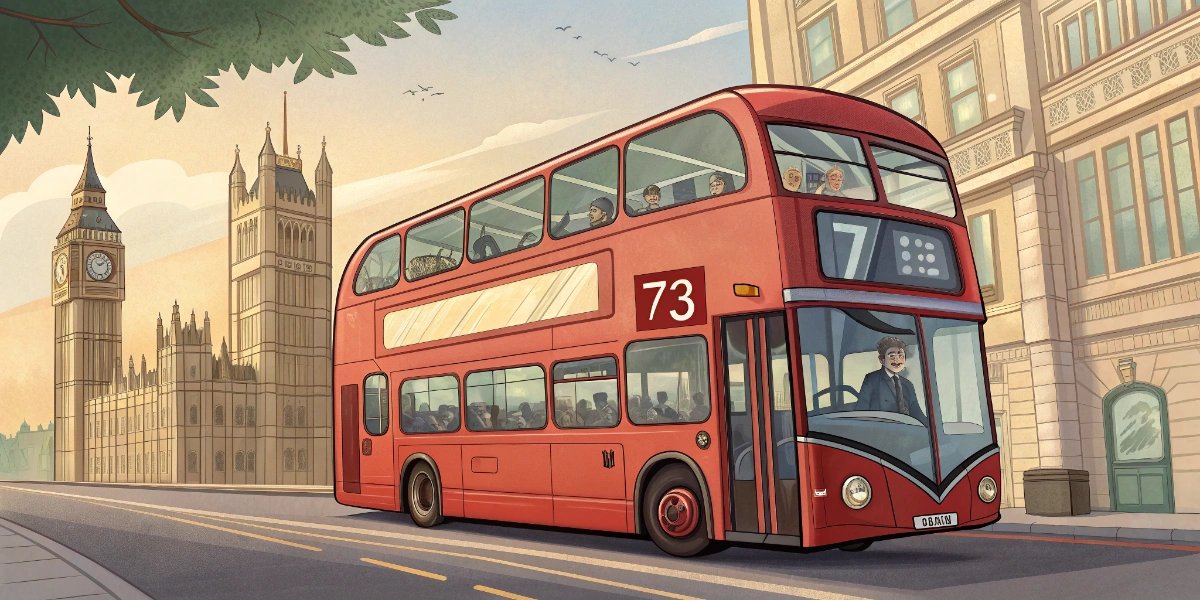
What makes it special: The double-decker design solves a uniquely British problem—narrow streets but high passenger demand. Going vertical doubles capacity without taking more road space. Modern versions can carry 87 passengers (compare to standard buses carrying 40-50).
British Transport History: When Did It Start?
Cultural significance: The red color became official in 1907 when London wanted a unified look across different bus companies. Red was highly visible in fog (common in Victorian London). The color became so iconic that even private tour buses paint themselves red.
Fun fact for kids: The original Routemaster had an open rear platform—passengers could jump on while it was moving! A conductor stood on the platform collecting fares. Modern safety rules ended this, but older Londoners remember "hopping on" buses.
Speech sounds: "Double-decker" repeats the /d/ sound and has the tricky /bl/ blend. The compound word structure (double + decker = thing with two decks) teaches word formation. In Talk & Listen, we use the bus's diesel rumble to practice the /b/ sound.
If your child wants to go deeper on double-decker buses, you can also visit the double-decker bus vehicle page for a simple, picture-first overview.
2. Black Cab (Hackney Carriage) - Designed Around a Hat
London's black taxis are purpose-built vehicles, not converted cars. They must meet "Conditions of Fitness" regulations dating back to 1906—including the famous requirement that a passenger should be able to sit upright wearing a bowler hat.
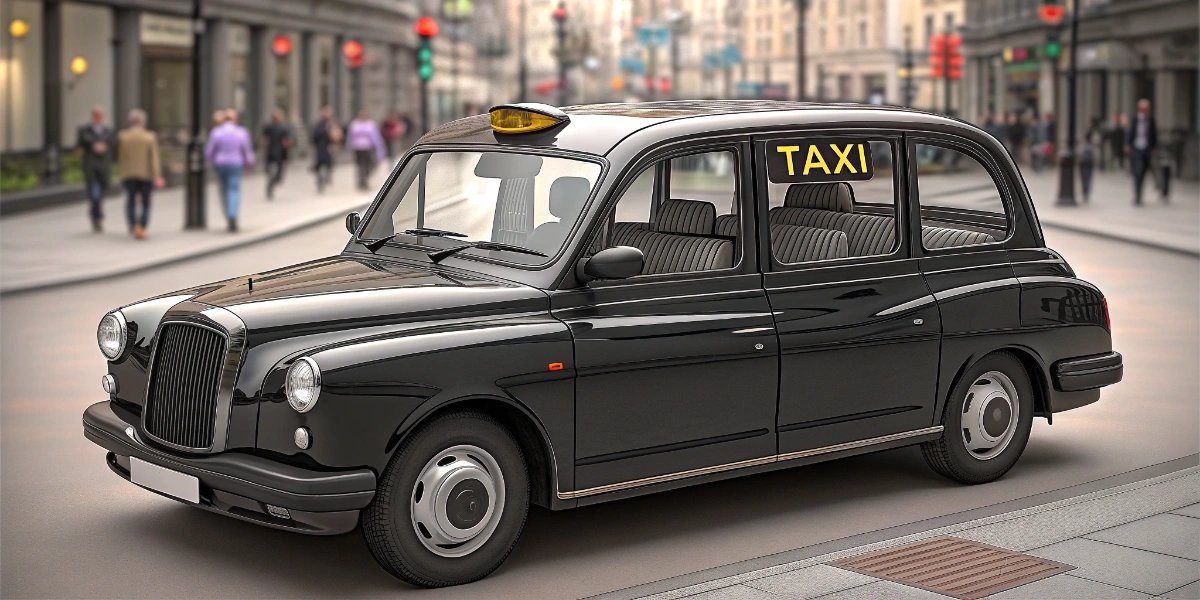
What makes it special: Black cabs have a 25-foot (7.6 meter) turning radius—the tightest of any vehicle their size. This lets them U-turn in narrow streets. The passenger compartment is spacious enough for five passengers plus luggage, with fold-down seats.
Cultural significance: Becoming a black cab driver requires passing "The Knowledge"—a test requiring memorization of 25,000 streets and 20,000 landmarks within 6 miles of Charing Cross. Training takes 2-4 years. It's one of the world's hardest taxi qualifications.
Fun fact for kids: The "bowler hat rule" is real! When the regulations were written in 1906, gentlemen wore tall hats. Cabs had to accommodate them. Modern taxis still meet this height requirement, even though nobody wears bowler hats anymore.
Speech sounds: "Black cab" has the /bl/ consonant blend and the hard /k/ sound. Short, punchy words are great for toddlers. The alliteration (both words start with similar sounds) makes it memorable.
To connect this story to a simple vehicle page, you can show your child the classic London cab vehicle page for more pictures and basic facts.
3. London Underground Train (The Tube)
The London Underground, opened in 1863, is the world's oldest underground railway. The nickname "Tube" comes from the cylindrical tunnel shape—trains fit snugly inside circular tunnels.
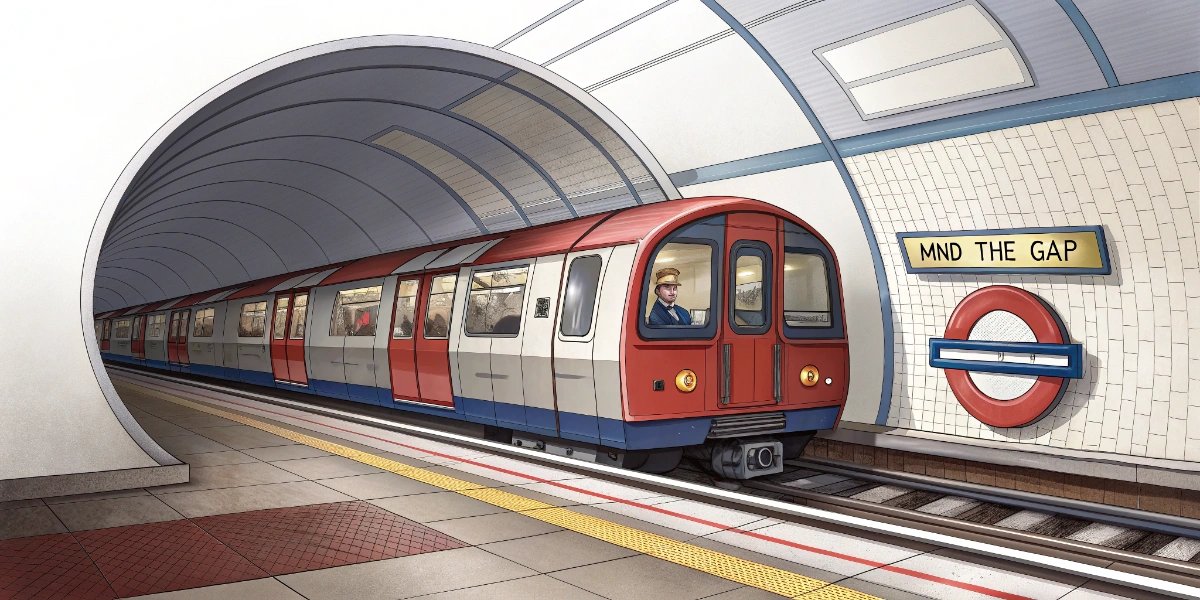
What makes it special: The trains are narrower and shorter than most metro systems because they were designed to fit Victorian-era tunnels. The distinctive shape—rounded top, flat bottom—maximizes space within circular tunnels. The "Mind the Gap" warning is famous worldwide.
Cultural significance: The Underground map, designed by Harry Beck in 1931, revolutionized transit mapping. It's not geographically accurate—it's topologically accurate (showing connections, not distances). Cities worldwide copied this approach.
Fun fact for kids: During World War II, Underground stations became bomb shelters. People slept on platforms during air raids. Some stations even had libraries and bunks installed. The deepest station (Hampstead) is 58.5 meters below ground!
Speech sounds: "Underground" is a compound word (under + ground) that teaches spatial concepts. The /gr/ blend in "ground" is a later-developing sound cluster that challenges growing vocabularies.
4. Red Post Van (Royal Mail)
Royal Mail's red vans deliver mail to every address in the UK—even remote Scottish islands and tiny villages. The distinctive red color makes them instantly recognizable, just like post boxes.
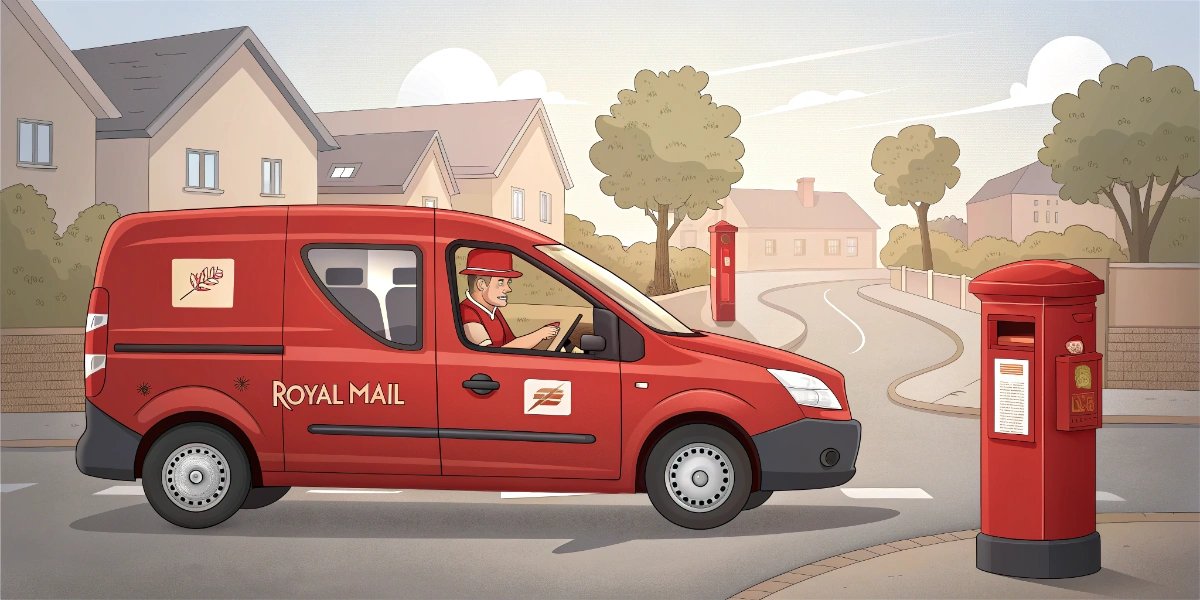
What makes it special: Royal Mail operates one of the largest vehicle fleets in Britain—over 49,000 vehicles including vans, trucks, and even bicycles. The red color has been standard since 1874 when post boxes were painted red to make them visible.
Cultural significance: Royal Mail delivers to the most remote locations in Europe—including islands accessible only by ferry, mountain villages, and tiny hamlets. The "universal service obligation" means every address gets mail delivery, regardless of how isolated.
Fun fact for kids: Some Royal Mail vehicles are electric now! The fleet is transitioning to zero-emission vans in cities. But in remote Scottish Highlands, Land Rovers are still used because they handle rough terrain better.
Speech sounds: "Post van" has the /p/ and /v/ sounds—both labial sounds (made with lips) but different (voiceless vs. voiced). This minimal pair contrast helps phonological awareness.
5. Royal Train - Traveling Palace on Rails
The British Royal Family has a dedicated train for official journeys. It's not one train—it's a collection of carriages that can be configured based on who's traveling. The current royal carriages date from 1977-1987.
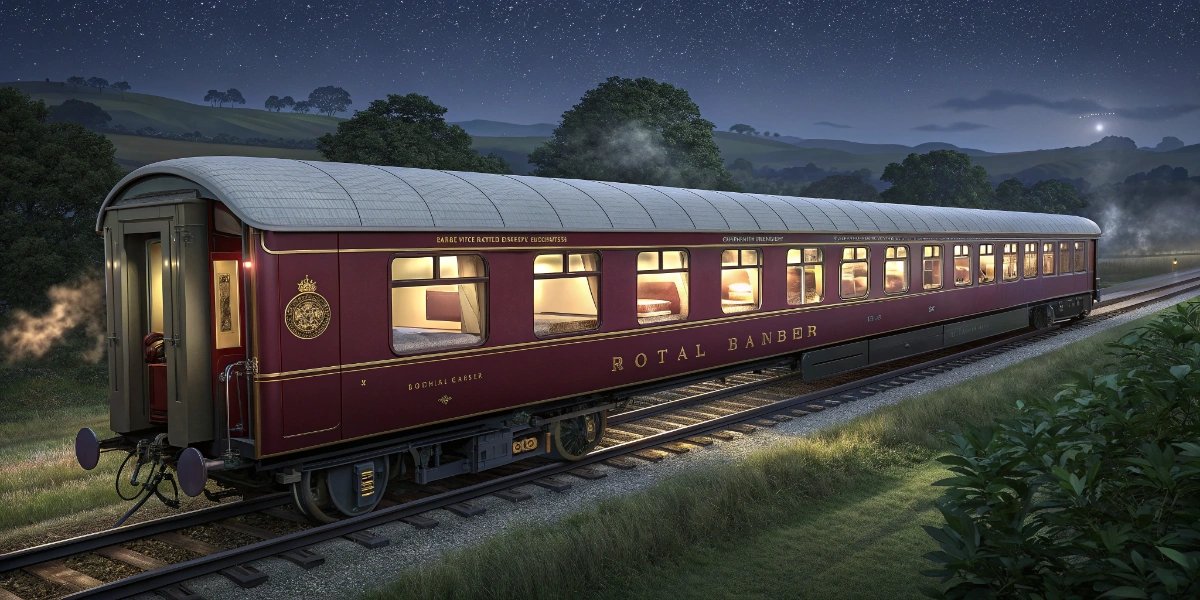
What makes it special: The train is painted royal claret (maroon) with grey roofs. Inside, carriages have bedrooms, bathrooms, offices, and dining rooms. The Queen's saloon (carriage) had a bathroom with a full-size bathtub—requiring special suspension to keep water from sloshing at 80 mph.
Cultural significance: The Royal Train represents continuity—British monarchs have used trains since Queen Victoria's first journey in 1842. She was initially terrified (ordering the driver not to exceed 20 mph) but eventually loved train travel.
Fun fact for kids: The train runs overnight while the royal passenger sleeps. They go to bed in London and wake up in Scotland! The train moves so smoothly that passengers can place a coin on edge and it won't fall over.
Speech sounds: "Royal train" has the /r/ approximant twice—a sound toddlers master around age 3-4. The /tr/ consonant blend in "train" is excellent for phoneme practice.
6. Land Rover Defender - The British Jeep
The Land Rover Defender (1983-2016 original; 2020-present new version) is Britain's answer to rugged, go-anywhere vehicles. Originally designed for farmers, it became beloved by everyone from the Queen (who drove one) to adventurers crossing Africa.

What makes it special: The original Defender was deliberately simple—minimal electronics, bolt-on panels, designed to be repaired anywhere with basic tools. Farmers could fix them in fields. The boxy design maximizes interior space and provides excellent visibility.
Cultural significance: Land Rovers represent British practicality—not flashy, but reliable. They're associated with countryside life, royal estates (the Queen famously drove her own), and expeditions. Over 70% of all Land Rovers ever made are still in use.
Fun fact for kids: The original Land Rover prototype (1948) was partly made from aluminum aircraft parts left over from World War II! Britain had steel shortages but surplus airplane metal.
Speech sounds: "Land Rover" has the /l/ and /r/ approximants—sounds often confused by toddlers. The contrast helps them distinguish between these similar sounds.
If your child is curious about 4x4 trucks in general, you can also explore the 4x4 vehicle page to see how off-road vehicles are built for rough ground.
7. Lorry (British Truck) - HGVs on Motorways
In Britain, large trucks are called "lorries" (or HGVs—Heavy Goods Vehicles). British lorries are right-hand drive and must follow strict regulations about size (maximum 16.5 meters long) and weight (44 tonnes maximum).
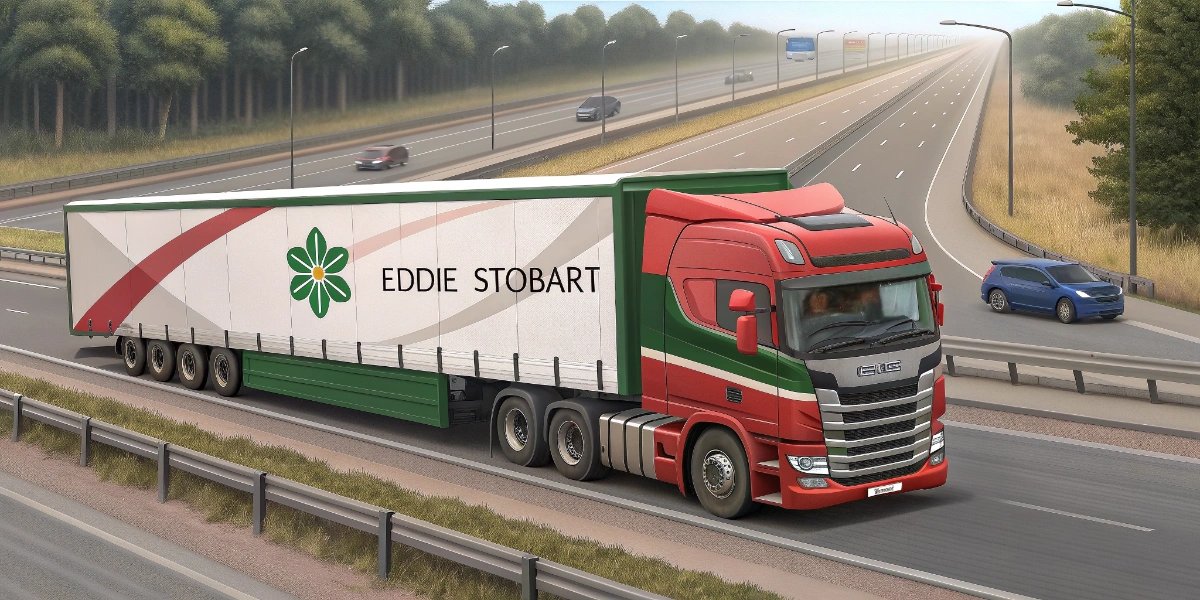
What makes it special: British lorries navigate narrower roads than American or Australian trucks. Historic villages weren't designed for 16-meter vehicles, so drivers require special skills. Many villages have "low bridges" (height restrictions) from railway overpasses built in the 1800s.
Cultural significance: Lorry drivers have their own culture—roadside "transport cafes" serve hearty food 24/7. CB radio culture developed among drivers. The term "lorry" itself is mysterious—nobody knows its origin for certain.
Fun fact for kids: British lorries often have colorful names painted on the front grill—"Eddie Stobart" is the most famous, with every truck named after a woman. Spotting Eddie Stobart lorries became a children's game on long car journeys!
Speech sounds: "Lorry" has the /l/ and /r/ sounds (retroflex approximant), plus the /i/ ending. British pronunciation emphasizes the rolled 'r' sound differently than American English—great for phonetic awareness.
8. Police Car (Jam Sandwich)
British police cars are nicknamed "jam sandwiches" because of their distinctive white body with a wide red or yellow stripe down the middle—like jam between bread slices. The livery (paint scheme) is designed for maximum visibility.
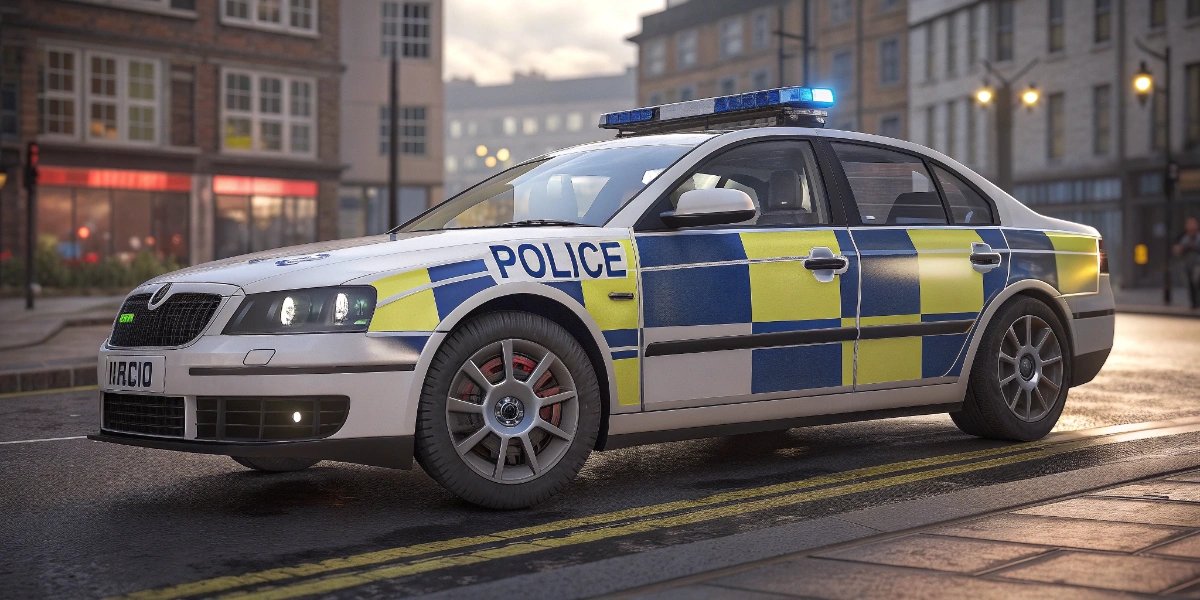
What makes it special: UK police use various vehicles—from small city cars to high-speed pursuit vehicles. They're marked with bright yellow and blue Battenburg checkerboard patterns (black and white in older designs) to be visible day and night. The word "POLICE" is written backward on the bonnet so drivers see it correctly in their rearview mirrors.
Cultural significance: British police sirens sound different from American ones—the "nee-naw, nee-naw" two-tone sound is distinctive. UK police vehicles also have different equipment: no gun racks (most British police don't carry guns), but extensive first-aid equipment.
Fun fact for kids: Some police forces use electric cars now! The distinctive livery (paint scheme) has been adapted for Tesla Model 3s and other EVs. Silent electric police cars can sneak up on speeders!
Speech sounds: "Police car" has the /p/ and /k/ sounds (voiceless stops), plus the /l/ approximant. The "nee-naw" siren onomatopoeia is perfect for toddlers—alternating vowel sounds (/i/ and /ɔ/) with the /n/ and /w/ consonants.
To connect this story to a simple vehicle overview, you can look at the police car vehicle page and compare British police cars with the ones you see in your own town.
Learning Opportunities Through UK Vehicles
Geography Lessons
British vehicles teach geography through constraint. Why are double-decker buses tall? Because London's medieval streets are narrow—can't expand sideways, so go up. Why can black cabs turn so tightly? Historic streets have sharp corners. Why do Land Rovers have such high ground clearance? British countryside has rough farm tracks and muddy fields.
Your child learns that geography shapes design. Island nations have different needs than continental countries. Dense, ancient cities require different vehicles than sprawling modern ones. Infrastructure limitations drive innovation.
Cultural Awareness
Every British vehicle reveals cultural values:
- Tradition with purpose - Red buses look vintage but use modern hybrid engines
- Precision engineering - Black cabs meet 114-year-old standards while being cutting-edge
- Respect for history - Vehicle designs respect Victorian-era infrastructure
- Practical elegance - Vehicles solve problems efficiently without being showy
- Universal service - Red post vans deliver everywhere, reflecting commitment to community
These aren't just vehicles—they're moving history. Your child learns that good design respects the past while serving the present.
Vocabulary Building
British vehicle terminology introduces language variations:
- Lorry vs. American "truck" - same vehicle, different words
- The Tube vs. American "subway" - regional naming conventions
- Black cab vs. American "taxi" - culturally specific terms
- Bonnet vs. American "hood" - British car terminology
- Jam sandwich - British slang for police car (informal nickname)
In Talk & Listen, I include both British and American vehicle terms because language variation builds flexibility. Kids learn that one vehicle can have multiple names depending on where you are. The black cab is featured prominently with its distinctive diesel engine "putt-putt" sound.
App Connections
Talk & Listen: The black cab is one of the featured vehicles! Practice its diesel "putt-putt" engine sound, the double-decker bus's rumble, the Underground's "whoosh," and the police car's "nee-naw" siren. British vehicles have distinctive sounds that provide rich phoneme variety.
Create & Play: Kids can design their own double-decker buses with custom route numbers, create police car livery patterns (Battenburg checks), or build a Mini Cooper rally course. British vehicles inspire both historical appreciation and creative play.
Activity Ideas
Want something to print alongside these? The free printables library has vehicle coloring pages and activity packs — no email required.
- Create a "Mind the Gap" warning poster for a pretend Tube station at home
- Design your own police car livery with Battenburg checkerboard patterns
- Practice "The Knowledge" by mapping routes between toy buildings (black cab driver game)
- Compare sizes: How many Mini Coopers fit on a double-decker bus?
- Sound matching: British vehicles (diesel rumble, "nee-naw" sirens) vs. American vehicles
- Historical timeline: Arrange vehicles from oldest (Victorian Underground 1863) to newest
- Create delivery routes for red post van - which houses get mail first?
Why British Vehicles Tell Stories
When my toddler asked why London buses are so tall, we ended up talking about how old cities solve modern problems. You can't widen medieval streets—they're protected. So engineers got creative: go vertical with buses, design super-maneuverable taxis, build underground railways.
British vehicles show that constraints spark innovation. The black cab turns in a 25-foot circle because London streets were never designed for cars—they needed a taxi that could navigate medieval alleys. The Underground trains are cylindrical because Victorian engineers dug circular tunnels. Problems become features.
Kids appreciate this problem-solving. They learn that "old" doesn't mean "obsolete." Sometimes the old way works perfectly—you just update it (hybrid engines in vintage bus designs). Understanding this builds respect for history while appreciating innovation.
Compare UK Vehicles With Other Countries
If your child loves London buses and black cabs, you can compare them with vehicles from other regions. Try Vehicles of Japan for high-speed bullet trains, Vehicles of India for decorated trucks and rickshaws, or Vehicles of Africa and Vehicles of the Middle East to see how different places handle rough roads and extreme heat. Comparing regions helps kids notice how each country solves its own transportation puzzles.
Explore More World Vehicles
This is the third in our World Vehicles series. Already published: Vehicles of Japan (bullet trains and kei cars), Vehicles of India (auto rickshaws and decorated trucks), and Vehicles of Africa (safari vehicles and colorful matatus). Coming soon: vehicles of Australia (road trains and utes) and Scandinavia (snowplows and ice road trucks).
Want to explore British vehicles interactively? The black cab is featured in Talk & Listen with its distinctive diesel engine sound. In Create & Play, kids can design their own vehicles inspired by British engineering traditions—from double-decker buses to police car livery patterns.
 Frequently Asked Questions
 Ad-free & offline ready