Why Canadian Vehicles Must Survive Extremes
Canada is defined by extremes—vast distances (second-largest country), tiny population (concentrated in narrow band near U.S. border), brutal winters (-40°F regularly in prairies), remote wilderness (northern territories accessible only by ice roads or air), and resource-based economy (forestry, mining, oil). These realities shape vehicles profoundly. A vehicle that breaks down in downtown Toronto is inconvenient; one that breaks down 200 miles from nearest town in -30°F weather is life-threatening.
What makes Canadian vehicles distinctive is engineering for survival and self-reliance. Vehicles need block heaters (keeping engines warm overnight), massive batteries (cold kills batteries), four-wheel drive (snow and ice), and rugged construction (rough roads, harsh conditions). Canadian trucks aren't luxuries—they're tools for surviving winter and accessing resources. Reliability matters more than sophistication because help might be hours or days away.
For kids, Canadian vehicles show how environment dictates engineering priorities. When winter lasts six months and temperatures reach -40°F, vehicles become winter survival tools. When forests cover millions of acres, logging trucks become economic lifelines. Let's explore eight vehicles that show Canadian toughness and adaptation to extremes.
1. Highway Snowplow - The Winter Warrior
Canadian highway snowplows are massive vehicles—heavy trucks with huge plows (blades 10-12 feet wide), salt/sand spreaders, and operators working through blizzards at -40°F. They clear highways, keeping Canada's transportation arteries open despite relentless snow. Southern Ontario might see 6+ feet of snow annually; Quebec City averages 10+ feet; and northern regions see even more. Without snowplows, Canada stops.
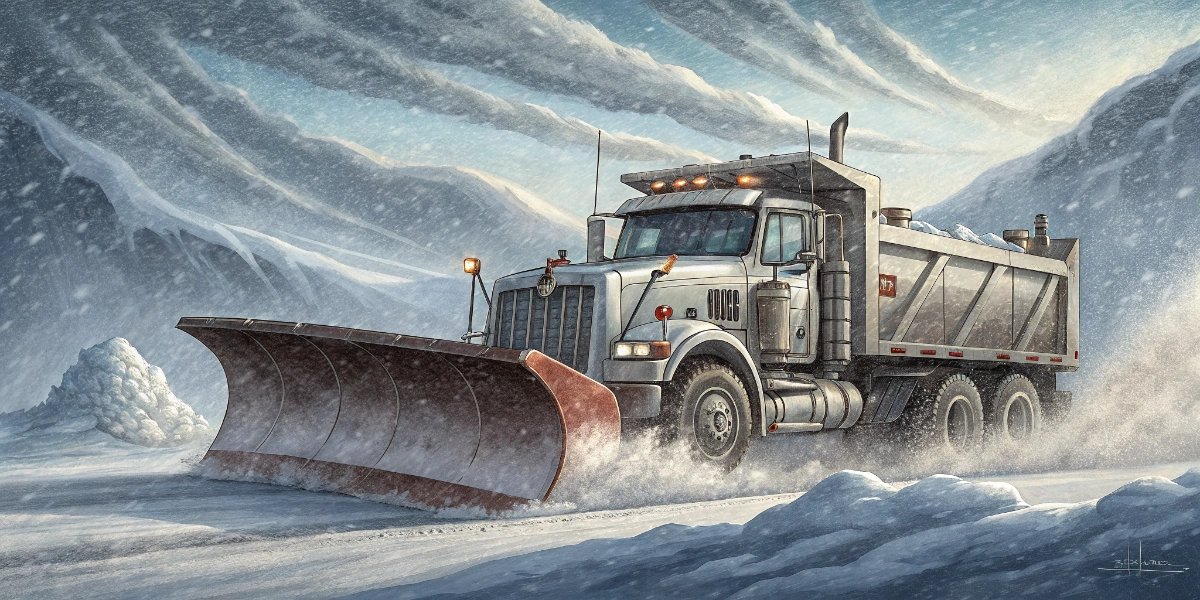
What makes it special: Canadian snowplows are engineered for extreme conditions—enclosed heated cabs (operators work 12-hour shifts in blizzards), powerful engines pushing tons of snow, wing plows (extending sideways clearing shoulders), and sophisticated spreading systems (salt, sand, brine) preventing ice formation. GPS tracking, weather monitoring, and route optimization ensure efficient coverage. Some plows have front-mounted cameras helping operators see through whiteout conditions. It's military-grade winter combat vehicle maintaining civilization.
How Cold is Too Cold?
Note: At -40°, Fahrenheit and Celsius are the same!
Cultural significance: Snowplows represent Canadian resilience and infrastructure commitment. Winter isn't obstacle—it's reality requiring systematic response. Snowplow operators are essential workers—hospitals, grocery stores, and emergency services depend on cleared roads. Canadians respect plow operators (many name their plows—"Plowy McPlowface" won naming contest). Snowplows symbolize Canadian determination: winter will come, and we'll be ready.
Fun fact for kids: Some Canadian provinces let citizens track snowplows in real-time! Ontario's "Plow Tracker" app shows where every plow is operating, which roads have been cleared, and when your street will be plowed. Kids watch plows approaching like tracking Santa Claus. Plows have names voted by public—showing Canadians' affection for these winter heroes. It's treating essential service with personality and appreciation.
Speech sounds: "Highway snowplow" has /h/, /w/, /sn/, /pl/ consonant clusters, and /n/ sounds. The compound structure (high + way + snow + plow) teaches how multiple words combine describing specific vehicle function.
To compare these highway machines with a simpler overview, you can also visit the snowplow vehicle page for a picture-led introduction.
2. Logging Truck - The Forest Giant
Canadian logging trucks are massive vehicles hauling 40+ tons of timber from remote forests to mills. They navigate steep mountain logging roads in British Columbia, muddy forest tracks in Quebec, and winter roads in northern forests. The distinctive appearance—cab pulling trailer stacked with huge logs secured by chains—is iconic Canadian image. Forestry employs 200,000+ Canadians; these trucks are forestry industry's workhorses.
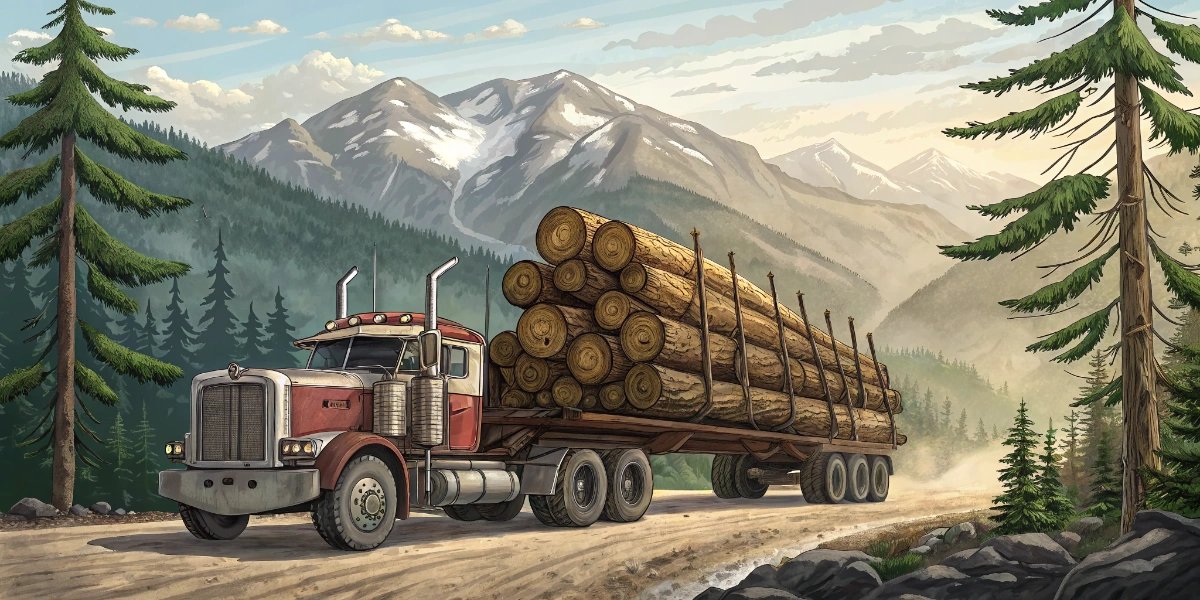
What makes it special: Logging trucks are built for punishment—reinforced frames handling massive weights, powerful engines climbing steep grades with full loads, and sophisticated braking systems (descending mountain roads with 40 tons requires exceptional brakes). Log bunks (vertical stakes) hold logs in place, and heavy chains secure loads. Drivers are highly skilled—navigating narrow forest roads, steep hills, and weight distribution challenges. Modern trucks have tracking systems monitoring driver hours, weights, and locations for safety and regulation compliance.
Cultural significance: Logging trucks represent Canadian resource economy and wilderness relationship. Canada's forests cover 38% of land area—347 million hectares (nearly 1 billion acres). Forestry is major industry supporting rural communities throughout provinces. Logging trucks symbolize working relationship with wilderness—extracting resources while maintaining forests for future generations (sustainable forestry practices now standard). They're economic backbone of rural Canada.
Fun fact for kids: Canadian logging truck drivers sometimes encounter wildlife mid-haul! Bears, moose, elk, and deer cross logging roads regularly. Drivers must stop for moose (hitting one is extremely dangerous—moose are huge), wait for bears to leave, and navigate around wildlife. Some drivers carry bear spray and emergency supplies. It's working in wilderness where nature shares the roads. Logs being hauled might be 100+ years old—teaching respect for forests.
Speech sounds: "Logging truck" has /l/, /g/, /tr/, and /k/ sounds. The double "g" in "logging" teaches consonant doubling rules, and compound word structure shows functional naming.
3. Ice Resurfacer (Often Called a Zamboni)
The ice resurfacer is a cultural icon of hockey rinks—originally popularized by inventor Frank Zamboni, whose last name became a common nickname for these machines. It resurfaces ice rinks between periods, shaving rough ice, collecting snow, and laying a thin water layer that freezes into a smooth surface. Every Canadian kid recognizes the distinctive machine circling rinks. Hockey relies on these resurfacers maintaining perfect ice.
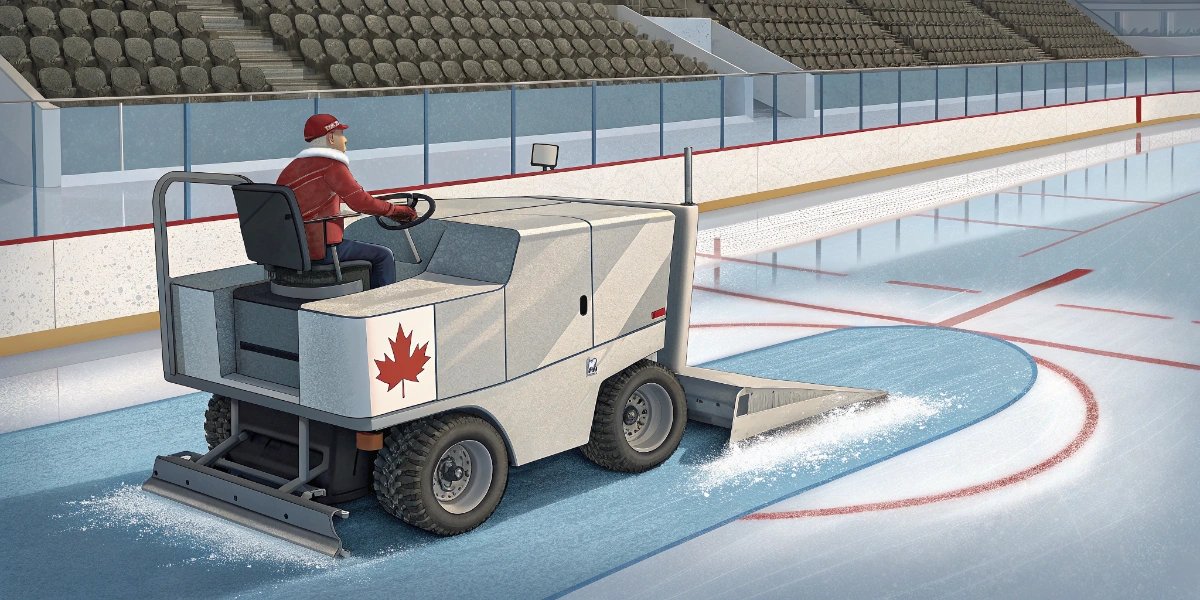
What makes it special: The engineering is elegant—horizontal auger blade shaves the ice surface (collecting snow and ice chips), a vacuum system removes debris, a water tank holds clean water, and a conditioning cloth spreads a thin layer of hot water that freezes smooth. The entire process takes 10-15 minutes, transforming rough, carved ice into a pristine surface. Many modern ice resurfacers are electric (reducing emissions in enclosed rinks), quiet, and efficient. They're specialized machines doing one job perfectly—essential for hockey, figure skating, and ice sports.
Cultural significance: Ice resurfacers represent Canadian hockey obsession and innovation. Hockey is Canadian national passion—kids grow up playing, watching, and dreaming hockey. The resurfacer enables hockey by maintaining ice quality. Watching the machine circle the rink is an intermission ritual—break time for adults, anticipation for kids. Drivers are arena personalities (some wave to kids, others perform careful, satisfying turns). It's uniquely Canadian that an ice maintenance machine has cultural significance!
Fun fact for kids: Drivers sometimes let kids ride along during practice sessions! It's a special privilege—sitting on the ice resurfacer, watching ice get scraped and smoothed, feeling the machine turn tight circles. Some arenas have "honorary driver" programs for birthdays. The word "Zamboni" is so famous it's often used generically for any ice resurfacer (like "Kleenex" for tissue)—though Zamboni is a specific trademarked brand. It shows how one invention became a cultural icon.
Speech sounds: "Ice resurfacer" has /aɪ/, /s/, /r/, and /s/ sounds, while the nickname "Zamboni" has /z/, /m/, /b/, /n/ sounds. Together they show how different word shapes can describe the same everyday machine.
For a kid-friendly overview of ice resurfacers, you can visit the Ice Resurfacer vehicle page and connect rink machines in books and arenas.
4. Ice Road Truck - The Frozen Highway Hauler
Ice road trucks are heavy vehicles driving on frozen lakes and rivers for 6-10 weeks each winter, delivering supplies to remote northern communities and mines. Famous from TV show "Ice Road Truckers," these drivers haul fuel, equipment, and supplies across 300+ miles of frozen water when ice reaches 3+ feet thick. It's dangerous work—ice shifts, cracks form, and falling through means likely death in freezing water.
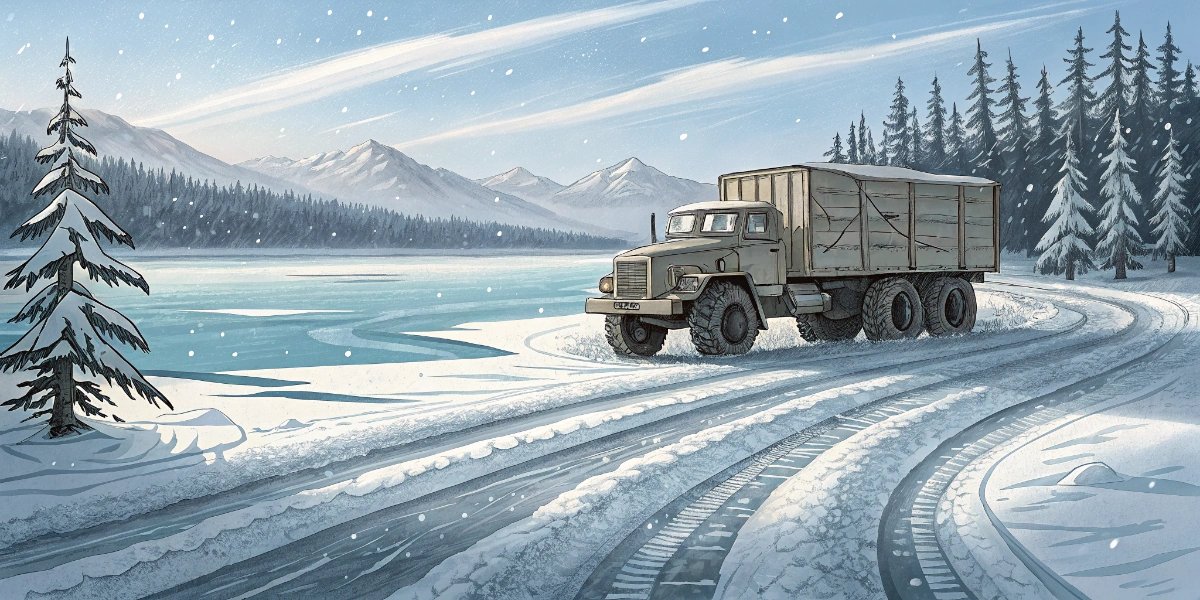
What makes it special: Ice road trucking requires specialized skills and vehicles. Trucks must maintain steady speed (too fast creates pressure wave cracking ice beneath, too slow risks breaking through), drivers watch for cracks and pressure ridges, and GPS tracks safe routes. Loads are secured for extreme bumps (ice is never smooth), engines idle constantly (turning off in -40°F means they might not restart), and drivers carry survival gear (if you break through, you have minutes to escape). It's extreme trucking for extreme conditions.
Cultural significance: Ice road trucks represent Canadian frontier spirit and resource economy. Northern communities and mines rely on ice road deliveries—supplies for entire year arrive in 6-8 week ice road season. Without ice roads, northern development would be impossible (flying supplies is prohibitively expensive). Ice road truckers are modern pioneers—taking extreme risks to support remote communities. It's Canadian toughness and ingenuity enabling life in impossible places.
Fun fact for kids: Ice road trucks must sometimes wait for ice to "recover" after crossing! Heavy trucks create flex waves in ice (like ripples in water but slower). If trucks follow too closely, waves combine and crack ice catastrophically. Drivers space out, waiting 5-10 minutes between trucks. Ice thickness is monitored daily—marked routes show safe paths. Some sections have "go slow" zones where trucks must creep at 10 mph. It's treating ice like living thing requiring respect!
Speech sounds: "Ice road truck" has long /aɪ/ (ice), /r/, /d/, /tr/, /k/ sounds. The three-word compound teaches geographic specificity—not just "truck" but "ice road truck" indicating exact context.
5. Canadian Pickup Truck - The All-Purpose Workhorse
Pickup trucks dominate Canadian roads—Ford F-150, Ram 1500, Chevrolet Silverado are best-selling vehicles. They're not luxury statements—they're practical tools for Canadian life. Four-wheel drive handles snow and ice, truck beds haul firewood, hunting gear, hockey equipment, and supplies, and towing capacity pulls boats, campers, and trailers. In rural Canada, trucks are essential; in cities, they're still extremely popular.
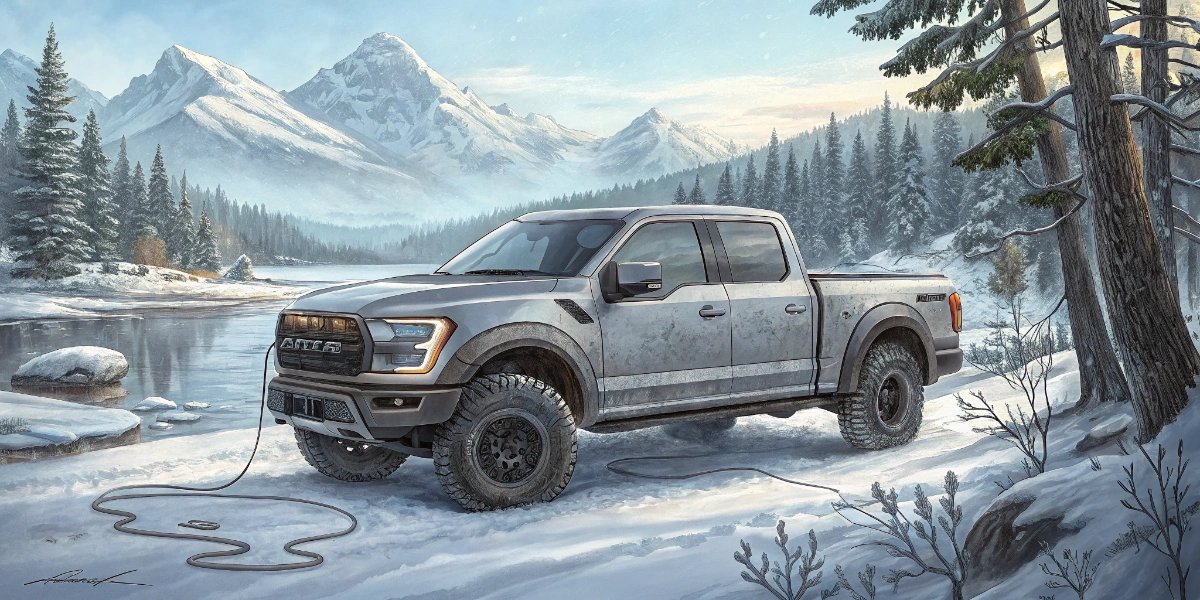
What makes it special: Canadian pickups emphasize winter capability—four-wheel drive (sometimes all-wheel drive), block heaters (plugging in overnight keeps engine warm), winter tire packages, and rust protection (salt on roads causes severe corrosion). Extended cabs seat families comfortably, while beds remain functional. Trucks combine family vehicle with work vehicle—taking kids to school in morning, hauling lumber in afternoon, towing boat on weekend. They're Canadian Swiss Army knives—one vehicle for everything.
Cultural significance: Pickup trucks represent Canadian practicality and outdoor lifestyle. Many Canadians hunt, fish, camp, and work outdoors—trucks enable these activities. Rural Canadians rely on trucks for work (farming, forestry, construction), while urban Canadians use them for recreation and winter capability. Truck ownership transcends class—doctors, tradespeople, and office workers all drive trucks. It's democratic vehicle serving genuine needs, not status symbol.
Fun fact for kids: Canadian pickup trucks often have "winter warrior" features! Block heaters plug into outlets (homes, parking lots, workplaces have "plug-in posts"), remote starters let you warm vehicles before going outside, and tonneau covers (truck bed covers) protect cargo from snow. Some Canadians install auxiliary fuel tanks for remote areas (gas stations can be 200+ miles apart). Trucks might have survival kits (blankets, food, water) in case they're stranded. It's vehicle-as-survival-tool mindset!
Speech sounds: "Canadian pickup truck" has /k/, /n/, /d/, /p/, /k/, /tr/, /k/ sounds. "Pickup" compound word teaches verb-to-noun conversion (pick up → pickup).
When you want to zoom in on pickups in general, explore the pickup truck vehicle page and compare everyday trucks with these Canadian winter workhorses.
6. School Bus - The Yellow Northern Sentinel
Canadian school buses are similar to American ones (yellow, safe, regulated) but with critical winter adaptations. They operate in extreme cold (-40°F), heavy snow (feet accumulating overnight), and remote areas (rural routes can be 100+ miles long). Buses must start reliably every morning despite brutal cold, navigate unplowed roads, and keep children safe in conditions where car accidents are common.
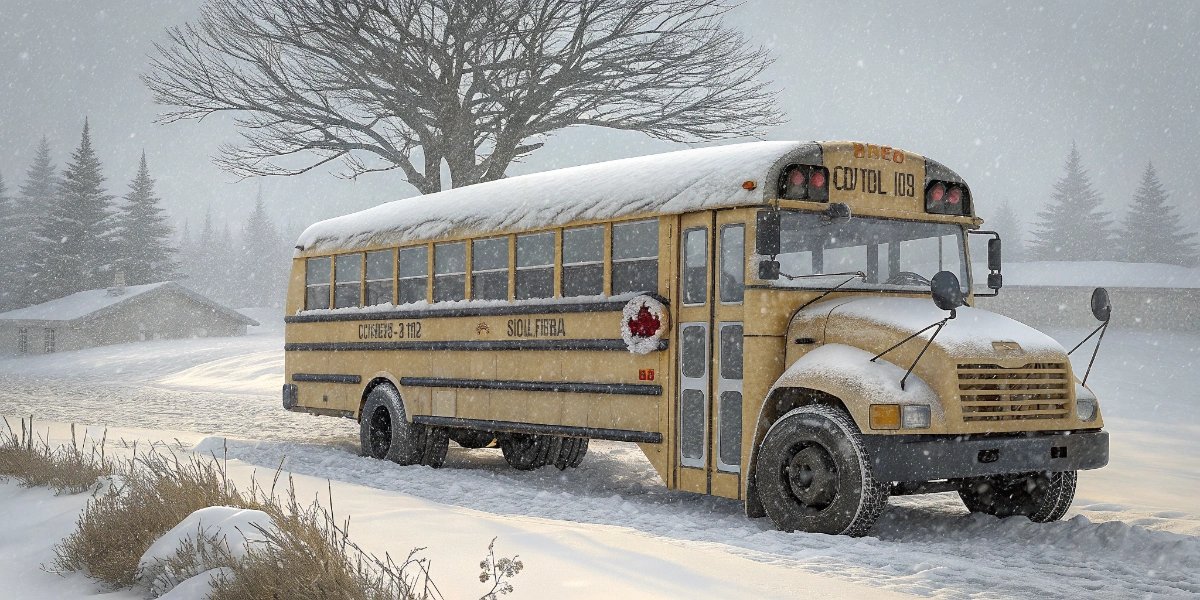
What makes it special: Canadian school buses have winter-specific features—powerful block heaters (warming engines overnight), winter tires (sometimes studded for ice), auxiliary heaters (keeping cabin warm), and extreme cold specifications (fluids, batteries rated for -40°F). Drivers are trained for winter conditions—black ice, whiteouts, rural roads. Some routes serve students 90+ minutes from school, requiring buses to operate in challenging conditions daily. Reliability is critical—children's safety depends on buses working regardless of weather.
Cultural significance: School buses represent Canadian commitment to education despite geography and climate. Rural Canadian children might live 50+ miles from school—buses make education accessible. Drivers know families personally, ensure children's safety, and navigate local roads expertly. School bus drivers are respected community members—trusted with children's lives in dangerous conditions. Yellow buses are symbols of normalcy—despite -30°F blizzards, school continues.
Fun fact for kids: Canadian school bus drivers sometimes make multiple trips due to extreme cold! If temperature drops below -35°C (-31°F), some districts shorten routes, make extra trips, or cancel bus service for youngest children (extreme cold is dangerous for small bodies). Drivers check children for frostbite, ensure proper winter clothing, and carry emergency supplies. Bus stops have heated shelters in some communities. It's treating winter seriously because children's safety demands it!
Speech sounds: "School bus" has /sk/, /l/, /b/, /s/ sounds. The compound word is simple but universal—recognized across cultures even with Canadian winter adaptations.
For a simple, picture-first introduction to buses, you can also visit the school bus vehicle page and talk about how Canadian versions add winter gear.
7. Toronto Streetcar - The Urban Electric Railway
Toronto operates North America's largest streetcar (tram) system—over 80 streetcars on 11 routes covering 50 miles of track embedded in city streets. The distinctive red-and-white streetcars are Toronto icons, operating year-round despite snow and cold. Modern Bombardier Flexity streetcars are low-floor, accessible, and efficient—connecting neighborhoods to downtown along dedicated or shared lanes.
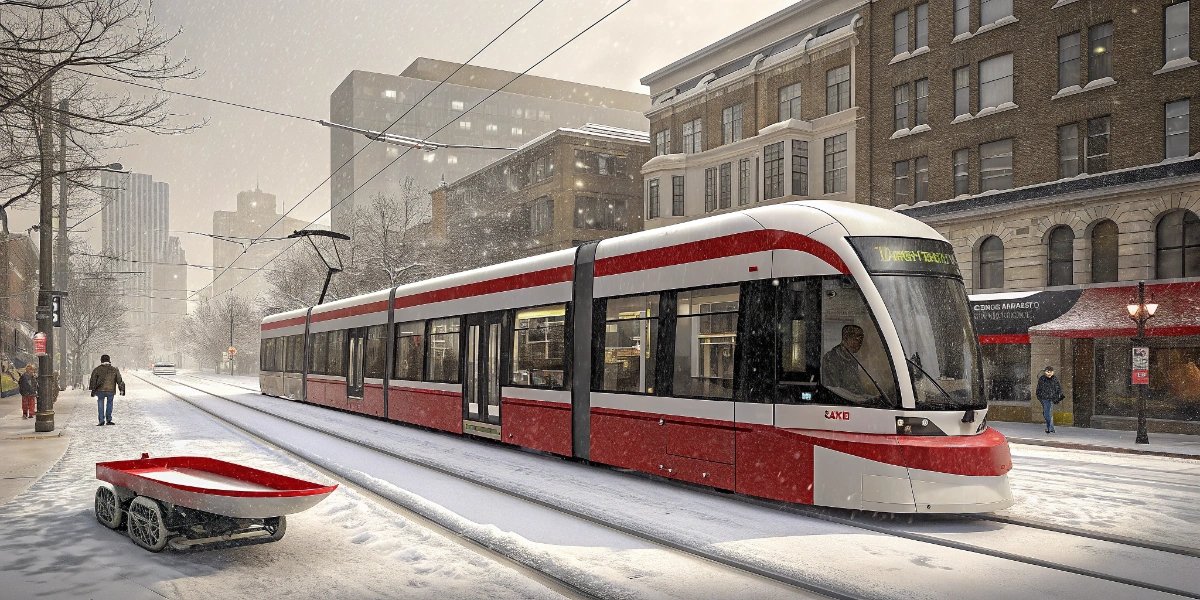
What makes it special: Toronto streetcars must operate through Canadian winter—track heating systems prevent ice buildup, snowplows clear tracks, and streetcars continue running when buses would struggle. Low-floor design (no steps—level boarding from sidewalk) makes them accessible for wheelchairs, strollers, and elderly. They're electric (zero direct emissions), quiet, and high-capacity (carrying 130+ passengers). Integration with subway and buses creates comprehensive transit network—one fare works across all modes.
Cultural significance: Streetcars represent Toronto's urban identity and public transit commitment. Toronto maintained streetcars when most North American cities demolished theirs for cars (1950s-60s). This foresight created transit legacy—streetcars are now seen as sustainable, efficient urban transport. Riding streetcar is Toronto experience—locals and tourists both use them. They're democratic transport serving diverse city where car-free living is possible.
Fun fact for kids: Toronto streetcars have special "plow cars" that clear tracks during snowstorms! These specialized streetcars have plows and brushes, running through night pushing snow off tracks so regular streetcars can operate next morning. Kids sometimes spot them during heavy snow—working while city sleeps. Some plow cars are 50+ years old, maintained carefully because they're purpose-built vehicles. It's infrastructure maintaining infrastructure!
Speech sounds: "Toronto streetcar" has /t/, /r/, /str/, /t/, /k/, /r/ sounds. "Streetcar" compound word (street + car) teaches North American terminology for trams.
8. RCMP Vehicle - The Mounted Police Cruiser
RCMP (Royal Canadian Mounted Police) vehicles serve as Canada's federal police force, operating in rural and northern areas where provincial police don't reach. The distinctive white vehicles with red and blue markings, RCMP crest, and "POLICE" lettering are Canadian symbols. Despite "Mounted Police" name (historical—officers once rode horses), modern RCMP uses cars, trucks, and SUVs adapted for Canadian conditions and remote deployments.
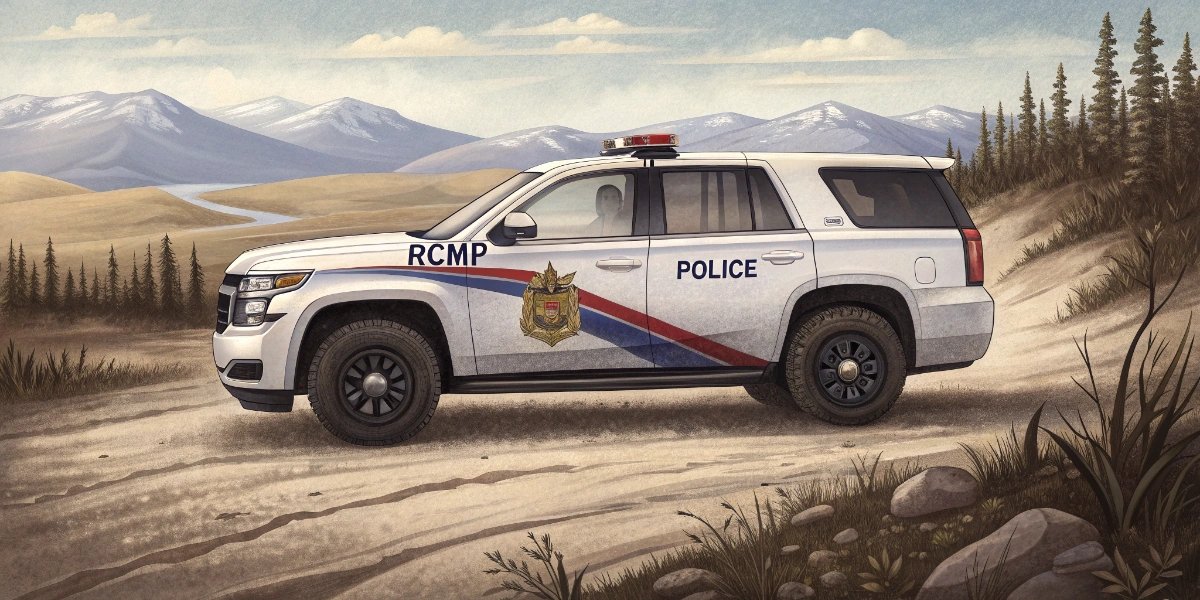
What makes it special: RCMP vehicles must operate across Canada's extremes—from -50°F Yukon winters to remote coastal communities accessible only by ferry. They're equipped for self-sufficiency (fuel cans, survival gear, communication equipment), extreme weather (-40°F capability), and rough terrain (many are 4x4 SUVs). Vehicles serve as mobile offices in remote areas lacking RCMP detachments. Officers might patrol territories covering thousands of square miles—vehicle reliability is critical because breakdown could mean days without help.
Cultural significance: RCMP vehicles represent Canadian authority and frontier policing. The RCMP's red serge uniform and "Mountie" image are Canadian icons worldwide. While ceremonial Mounties ride horses, operational policing uses vehicles covering vast distances and harsh conditions. RCMP serves as police force in territories and rural provinces, making them frontline law enforcement for 70% of Canadian geography. They're symbols of order in wilderness.
Fun fact for kids: RCMP vehicles sometimes have surprising equipment! Remote-area RCMP vehicles carry snowshoes, winter survival gear (sleeping bags rated -40°F), extra fuel, satellite phones, and bear spray. Some northern detachments use snowmobiles, boats, and all-terrain vehicles seasonally. RCMP officers in remote posts must be self-sufficient—nearest backup might be hours away by air. Vehicles are equipped for vehicle-as-office and vehicle-as-shelter scenarios. It's frontier policing requiring resourcefulness!
Speech sounds: "RCMP vehicle" has /r/, /s/, /m/, /p/, /v/, /k/, /l/ sounds. "RCMP" acronym (Royal Canadian Mounted Police) teaches that official organizations use shortened names for efficiency.
To connect RCMP cruisers with more general police vehicles, visit the police car vehicle page and compare markings, lights, and jobs.
Learning Opportunities Through Canadian Vehicles
Geography Lessons
Canadian vehicles teach geography through extremes and scale. Why such tough vehicles? Because Canada experiences Earth's most extreme temperature swings (-40°F to +95°F annually in some regions), brutal winters lasting six months, and vast distances between communities. Understanding that Canada is second-largest country (9.98 million km²) but has only 38 million people creates context—population density is incredibly low compared to European or Asian countries.
Your child learns that geography determines vehicle needs. Ice roads exist because northern territories lack permanent roads—permafrost makes road construction difficult, and sparse population doesn't justify expense. Vehicles must be self-reliant because help is far away. Geography builds appreciation for engineering serving human survival in challenging environments.
Cultural Awareness
Every Canadian vehicle reveals cultural values:
- Resilience - Winter is challenge to overcome, not excuse to stop
- Self-reliance - Vehicles must work because help might not arrive quickly
- Practicality over luxury - Trucks serve genuine needs, not status
- Resource economy - Forestry, mining, oil require tough vehicles
- Community service - Snowplow operators, ice road truckers, school bus drivers are heroes
These aren't just vehicles—they're tools for surviving and thriving in extreme environment. Your child learns that Canadians engineer for worst-case scenarios because winter, wilderness, and distance demand respect. Vehicles reflect national character: tough, practical, self-sufficient.
Vocabulary Building
Canadian vehicle vocabulary introduces extreme-condition terminology:
- Block heater - Electric engine warmer plugged in overnight
- Ice road - Frozen lake/river used as temporary highway
- Ice resurfacer - Machine that shaves and smooths skating-rink ice (often nicknamed a "Zamboni")
- Four-wheel drive - Power to all wheels for traction in snow/ice
- Winterization - Preparing vehicles for extreme cold
In Talk & Listen, we include vehicle sounds emphasizing Canadian toughness—snowplow blade scraping, logging truck engine laboring uphill, an ice resurfacer blade shaving ice, ice cracking under truck weight. These sounds connect to Canadian extremes.
App Connections
Talk & Listen: Practice Canadian vehicle sounds—snowplow scraping and spreading (rhythmic mechanical sounds), logging truck air brakes (loud hiss), Zamboni blade and vacuum (distinctive ice-shaving sound). Learn vocabulary through survival context: "tough," "cold," "winter," "remote."
Create & Play: Kids can design their own winter-tough vehicles with block heaters and four-wheel drive, create ice resurfacers for imaginary rinks, or plan logging routes through virtual forests. Canadian vehicles inspire engineering for extremes: how would YOU design a vehicle that works at -40°F?
Why Canadian Vehicles Teach Resilience
When my toddler said the snowplow looks like a tank, they captured Canadian vehicle philosophy—these are tools for battling winter, not just driving through it. Snowplows fight blizzards, logging trucks conquer mountain roads, ice road trucks risk frozen lakes, and school buses defy -40°F ensuring education continues. Canadian vehicles show that harsh environments demand respect and engineering excellence.
These vehicles teach that humans can thrive anywhere with proper tools and determination. Canada could be uninhabitable in winter without snowplows maintaining highways, ice roads connecting remote communities, and vehicles engineered for extreme cold. But Canadians don't merely survive winter—they embrace it, creating vehicles and systems that make harsh climate manageable.
Kids appreciate this resilience. They learn that challenges inspire solutions (block heaters, four-wheel drive), that community service matters (snowplow operators, ice road truckers), and that engineering serves survival. Canadian vehicles teach that determined humans with good tools can live anywhere—even at -40°F.
Explore More World Vehicles
This is the sixteenth in our World Vehicles series. Already published:Japan,India,UK,Africa,Middle East,Australia,Scandinavia,South America,Southeast Asia,Russia,China,USA,Germany,France, andItaly. See the complete overview at World Vehicles for Kids: Complete Guide.
Want to explore Canadian vehicles interactively? Talk & Listen includes vehicle sounds emphasizing winter toughness and resilience. In Create & Play, kids can design vehicles inspired by Canadian extremes—from snowplows to ice road trucks.
 Frequently Asked Questions
 Ad-free & offline ready