Why American Vehicles Are Big and Car-Centric
The United States is built around the automobile. Unlike European or Asian cities that developed before cars, most American cities (especially in the West) were designed for driving. This created sprawling suburbs, massive highway systems, huge parking lots, and vehicles sized for comfort rather than efficiency. The country's size (3.8 million square miles) and relatively low population density (compared to Europe or Asia) meant long distances between cities, making personal vehicles essential.
What makes American vehicles distinctive is their emphasis on size, power, and individual ownership. Pickup trucks are the best-selling vehicles—not small city cars. SUVs dominate roads—not compact sedans. Americans drive more miles annually than any other nationality (average: 14,000 miles per person per year). This car culture shapes everything—cities, lifestyles, and the vehicles themselves. Bigger is often considered better.
For kids, American vehicles show how geography, history, and culture create specific transportation patterns. When land is plentiful and gas is cheap, vehicles grow large. When public transit is limited, personal cars become essential. Let's explore eight vehicles that show American car culture and engineering.
1. School Bus - The Yellow Icon of Childhood
American school buses are instantly recognizable worldwide by their distinctive yellow color (officially "National School Bus Glossy Yellow"). They transport 25 million children to school daily—more than half of American students. School buses are heavily regulated for safety, with reinforced steel frames, high seat backs, and strict maintenance requirements. They're the safest form of student transportation.
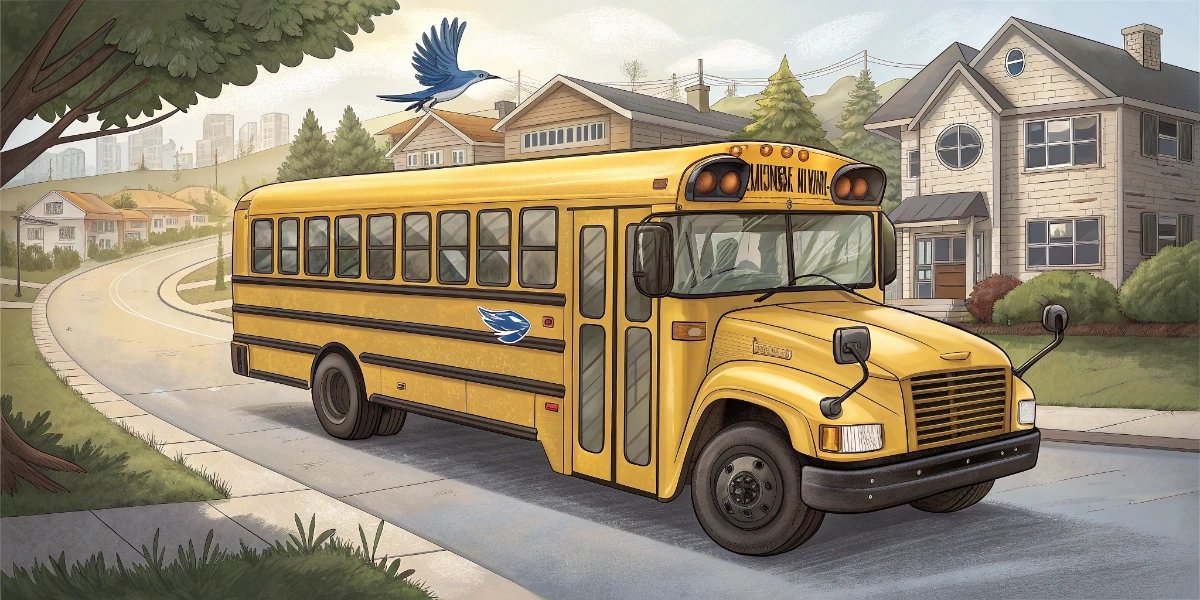
What makes it special: School buses have unique safety features—flashing red lights that stop traffic, extending stop-sign arms, high ground clearance for visibility, and compartmentalization (closely spaced seats absorb impact force, protecting passengers). The yellow color was chosen specifically because it's visible in peripheral vision—drivers see yellow buses before consciously looking for them.
Cultural significance: School buses represent American commitment to universal public education. The system ensures that even rural children miles from school can attend. The yellow bus is childhood icon—Americans remember riding buses to school, sitting with friends, bus driver's rules. It's shared cultural experience spanning generations.
Fun fact for kids: School buses have never had seat belts (except lap belts in smallest buses for young children)! Instead, they use "compartmentalization"—closely spaced, high-backed, padded seats that create protective compartments. Riding a bus is 70 times safer than riding in a car to school.
Speech sounds: "School bus" has the /sk/ consonant cluster (spelled 'sch'), long /u/ vowel, and /b/ sound. The compound word is clear and familiar—perfect for early vehicle vocabulary building.
If your child wants a simple, picture-led introduction to school buses, you can also visit the school bus vehicle page together for basic facts and visuals.
2. Monster Truck - The Entertainment Giant
Monster trucks are pickup trucks modified with enormous tires (66 inches tall), powerful engines (1,500+ horsepower), and suspension allowing them to crush cars, jump obstacles, and perform tricks. They compete in events like Monster Jam, where trucks race, jump, and perform freestyle tricks for crowds of 50,000+. The most famous is Grave Digger, with its distinctive green paint and tombstone graphics.
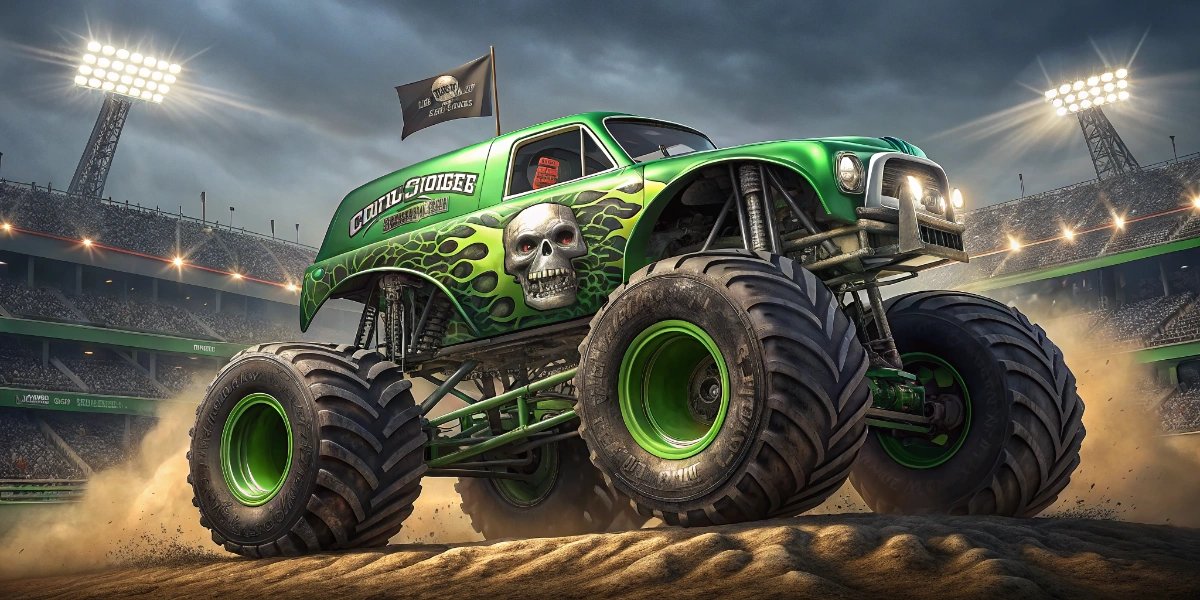
What makes it special: Monster trucks are engineering marvels—they jump 30+ feet in the air, land from 20-foot heights repeatedly, and crush multiple cars in single runs. Each truck costs $150,000-250,000 to build. They use aircraft-quality parts because forces involved are extreme.
Who is the Tallest?
Cultural significance: Monster trucks represent American excess and entertainment spectacle. They're bigger, louder, and more powerful than necessary—and that's the point. They're uniquely American—combining automotive culture with showmanship.
Fun fact for kids: Monster trucks are so powerful they can drive over cars without touching the ground between them! Trucks can also drive backwards, spin 360 degrees (called "donuts"), and even do wheelies.
Speech sounds: "Monster truck" has the /m/, /n/, /s/, /t/, /r/, /tr/, and /k/ sounds. The word "monster" evokes size and power—teaching how descriptive words create imagery.
For a focused, child-friendly overview of monster trucks, you can open the monster truck vehicle page and then come back to this section to learn more about American monster truck culture.
3. Mail Truck (USPS LLV) - The Neighborhood Regular
USPS mail trucks (officially "Long Life Vehicles" or LLVs) are white, boxy vehicles designed specifically for mail delivery. They have right-hand drive (steering wheel on right side) so drivers can reach mailboxes from driver's seat without getting out. Over 140,000 LLVs deliver mail across America, driving the same routes daily.
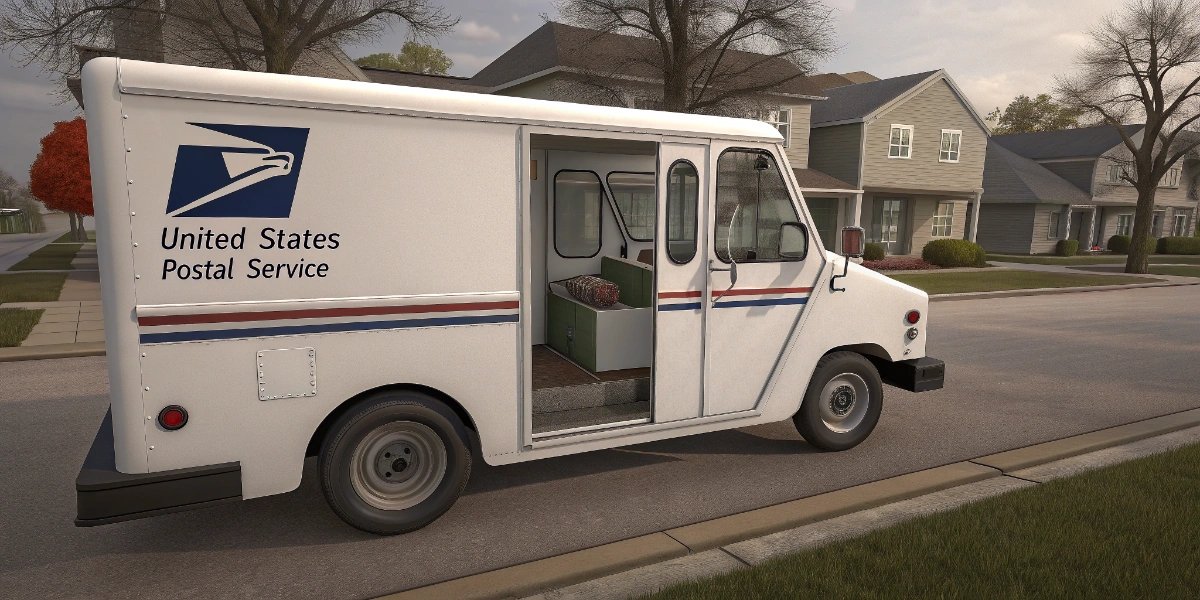
What makes it special: Mail trucks are purpose-built for delivery—high driver position, large windshield, sliding doors (easy entry/exit dozens of times daily), and durable construction (expected to last 24+ years). They can drive in reverse as fast as forward.
Cultural significance: Mail trucks represent American commitment to universal postal service—mail is delivered to every address six days weekly, regardless of remoteness. Carriers know their routes intimately—neighbors' names, dogs, preferences.
Fun fact for kids: Mail trucks have passenger doors that slide open instead of swinging out! Carriers can slide door open, reach mailbox, close door, and drive—all without leaving their seat.
Speech sounds: "Mail truck" has the /m/, /l/, /tr/, and /k/ sounds with the long /a/ vowel. Short compound word clearly describing function.
To compare mail trucks with other delivery vehicles, you can also visit the mail truck vehicle page for a simple overview.
4. Semi-Truck (18-Wheeler) - The Interstate Hauler
Semi-trucks (also called 18-wheelers, big rigs, or tractor-trailers) haul 70% of American freight. They're massive vehicles with powerful diesel engines pulling 53-foot trailers loaded with up to 80,000 pounds. Drivers travel interstate highways covering thousands of miles weekly, sleeping in truck sleeper cabs between delivery points.
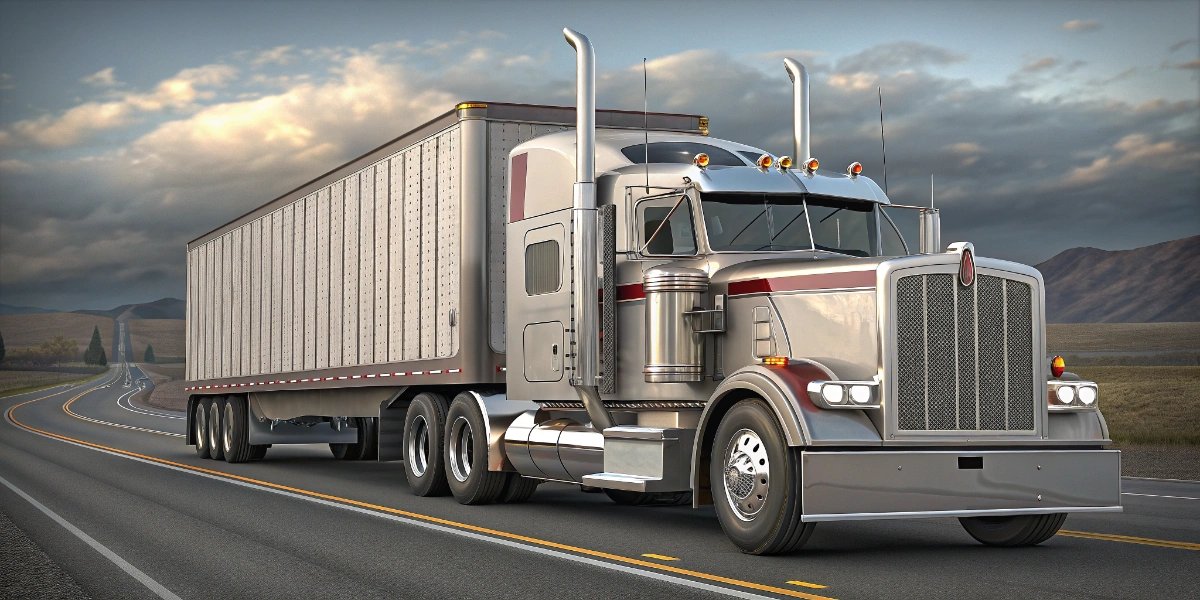
What makes it special: American semi-trucks are designed for long-distance highway driving—comfortable sleeper cabs with beds, refrigerators, microwaves, and TVs for cross-country trips. They have 18 wheels to distribute weight and provide redundancy.
Cultural significance: Semi-trucks represent American commerce and the lifestyle of long-haul trucking. Truckers are modern cowboys—independent, traveling, living by their own codes. The trucker lifestyle is romanticized in country music and movies.
Fun fact for kids: Semi-truck drivers have a special language using CB radio! "Breaker breaker" starts conversations, "10-4" means "message received," "Smokey" means police officer. It's like code language that all truckers understand.
Speech sounds: "Semi-truck" has the /s/, /m/, /tr/, and /k/ sounds. "Semi" is short for "semi-trailer," teaching how abbreviations work.
For a simple, picture-led introduction to big rigs, you can also visit the big rig vehicle page together for basic facts and visuals.
5. Pickup Truck (F-150 Style) - America's Best-Seller
Pickup trucks are America's best-selling vehicles—the Ford F-150 alone sells nearly 1 million annually. They combine passenger car comfort with cargo hauling capability. Modern pickups have extended cabs (seating 5-6 people), powerful engines, towing capacity (12,000+ pounds), and luxury features.
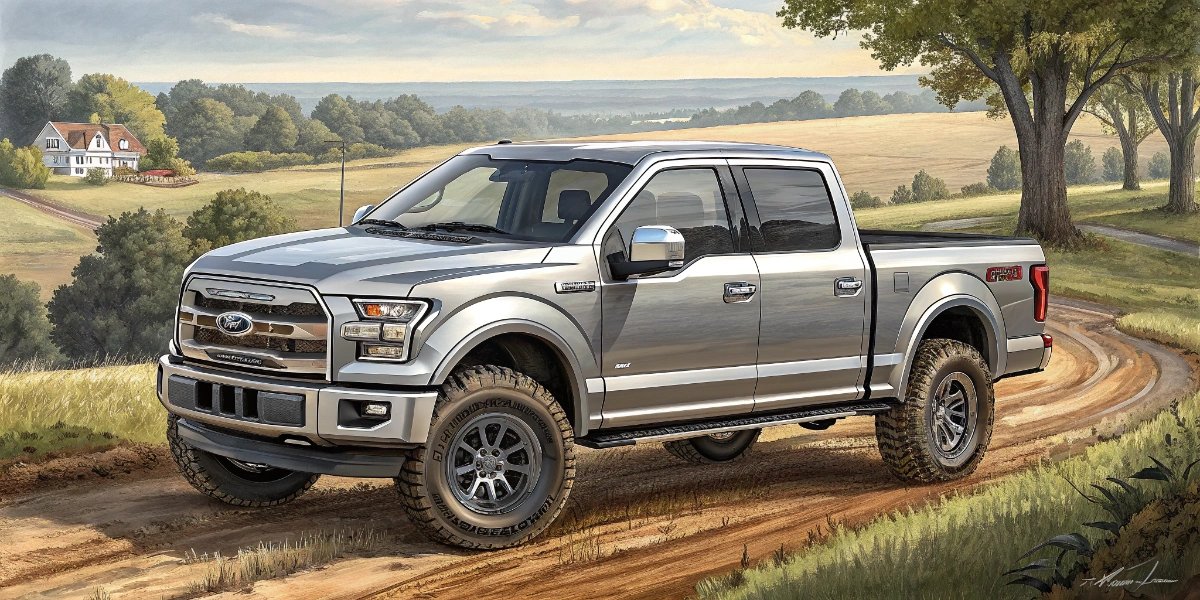
What makes it special: American pickup trucks are huge compared to international pickups—crew cabs with full backseats, 6-8 foot beds, powerful V8 engines. Despite being work vehicles originally, modern pickups rival luxury cars in features and price ($40,000-80,000).
Cultural significance: Pickup trucks represent American individualism, self-reliance, and rural/suburban lifestyle. Truck owners are loyal—"Ford vs. Chevy vs. Dodge" debates are passionate. They're cultural identity vehicles.
Fun fact for kids: Modern pickup trucks are HUGE—bigger than 1990s SUVs! A Ford F-150 is over 19 feet long and 6 feet tall. They're so tall that some adults need running boards (small steps) to climb into the cab.
Speech sounds: "Pickup truck" has the /p/, /k/, /tr/, and final /k/ sounds. The compound word directly describes function (picks up cargo).
When you want a simple, picture-first look at pickup trucks, you can also explore the pickup truck vehicle page and talk about how American pickups compare to smaller trucks in other countries.
6. Fire Truck - The Emergency Hero
American fire trucks are large red vehicles carrying firefighting equipment, water tanks, and firefighters. They have distinctive loud sirens, flashing lights, and ladders that extend 75-100 feet to reach upper floors of buildings. Fire trucks respond to fires, medical emergencies, car accidents, and rescue situations.
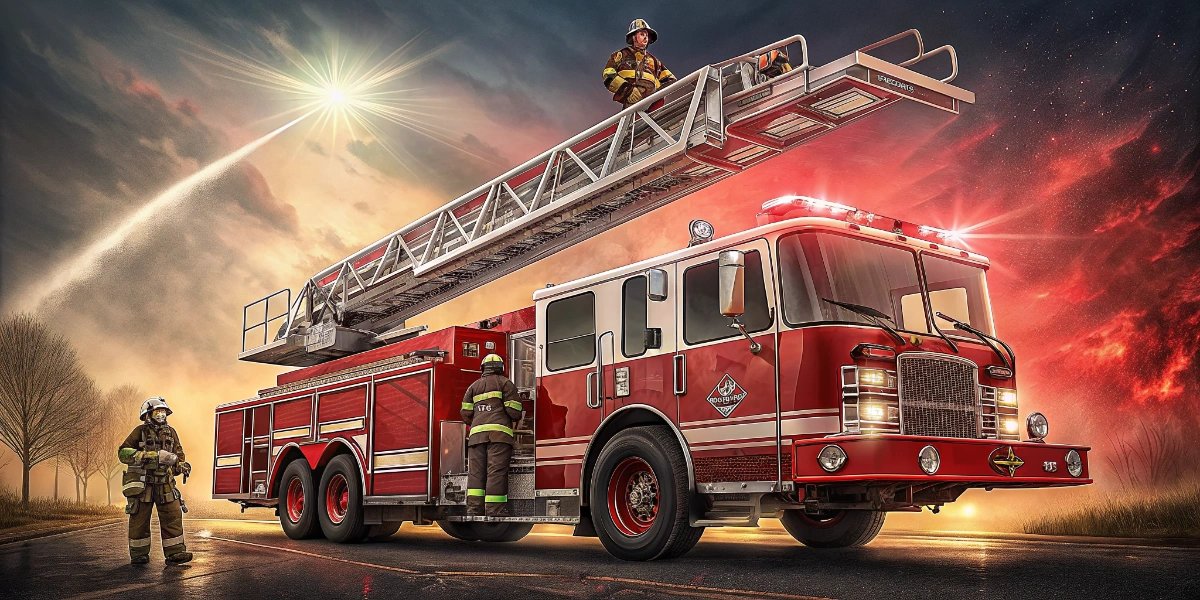
What makes it special: Fire trucks carry everything needed for firefighting—1,000+ gallons of water, hoses, pumps, ladders, axes, medical equipment, and breathing apparatus. All have air horns and priority on roads—all traffic must pull over when fire truck approaches with sirens.
Cultural significance: Fire trucks and firefighters hold special place in American culture—firefighters are heroes, especially after September 11, 2001. Fire stations offer tours for children, firefighters visit schools, and fire trucks lead parades.
Fun fact for kids: Fire trucks have special rules on roads—when their lights and sirens are on, ALL other vehicles must pull over and stop! Even if you have a green light, you must stop for fire trucks.
Speech sounds: "Fire truck" has the /f/, /r/, /tr/, and /k/ sounds. The compound word is straightforward (truck that fights fires).
If your child loves fire trucks, you can also look at the fire truck vehicle page for more pictures and simple facts.
7. Police Car - The Law Enforcement Icon
American police cars are marked sedans, SUVs, or trucks used for patrol, responding to emergencies, and enforcing traffic laws. Traditionally, Ford Crown Victoria sedans dominated (black and white paint scheme), though now many departments use SUVs. They have special equipment—powerful engines, reinforced frames, computers, radios, lights, and sirens.
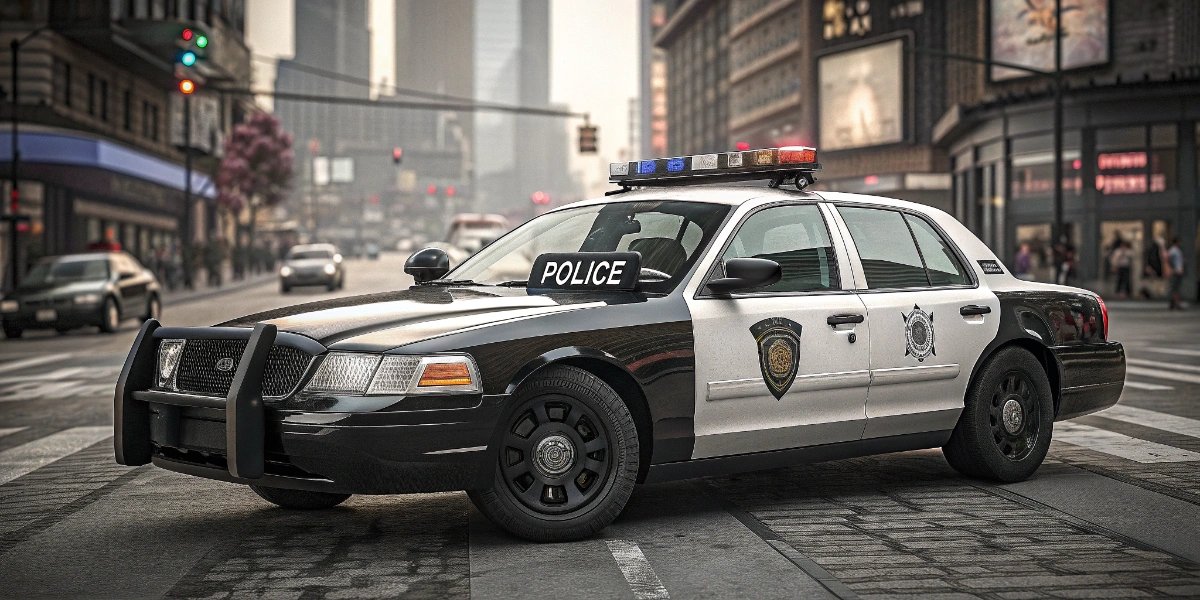
What makes it special: Police cars have police packages—upgraded suspensions, brakes, cooling systems, and engines for pursuit driving. Interiors have laptop computers for accessing databases, radios for communication, and cameras recording encounters.
Cultural significance: Police cars represent law enforcement presence in car-centric society. Unlike countries where police walk beats or use bicycles, American policing is vehicle-based—officers patrol in cars, respond to calls by car, and conduct traffic stops from cars.
Fun fact for kids: Police cars can go REALLY fast—their engines are modified for high-speed chases, reaching 140+ mph! But most police work doesn't involve chases—officers spend time on patrol, responding to non-emergency calls, and doing paperwork in their cars.
Speech sounds: "Police car" has the /p/, /l/, /s/, /k/, and /r/ sounds. The two-word phrase clearly identifies the vehicle's purpose.
To connect this example to a simple vehicle overview, you can visit the police car vehicle page and point out how police cars look similar and different around the world.
8. Garbage Truck - The Neighborhood Recycler
American garbage trucks are large vehicles with hydraulic compactors crushing trash and recycling. There are different types: front-loaders (for commercial dumpsters), rear-loaders (residential with workers lifting bins), and side-loaders (residential with automated arms grabbing bins from curb). They operate on regular schedules—residents know which day is trash day.
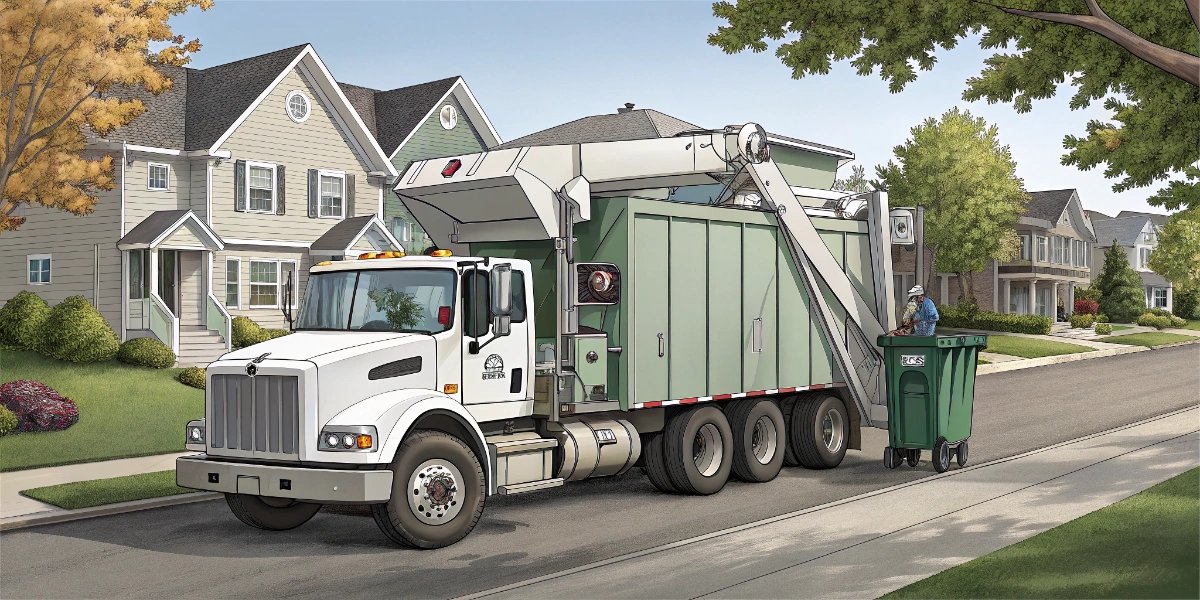
What makes it special: Modern garbage trucks have automated arms—driver operates joystick controlling mechanical arm that grabs bin, lifts it over truck, dumps contents, and returns bin to curb. Driver never leaves cab. Compactors crush waste to 1/3 original size.
Cultural significance: Garbage trucks represent municipal services and consumer society. Americans generate more waste per capita than any country—garbage collection is essential infrastructure. Children often wake early to watch garbage trucks—the mechanical arms and crushing sounds fascinate.
Fun fact for kids: Garbage trucks have GIANT mechanical arms that pick up bins without drivers leaving the truck! The arm reaches out, grabs the bin with claw, lifts it 10+ feet in air, flips it upside-down to dump trash, then gently places empty bin back on curb.
Speech sounds: "Garbage truck" has the /g/, /r/, /b/, /dʒ/, /tr/, and /k/ sounds. The compound word clearly describes function.
If your child loves garbage trucks, you can also look at the garbage truck vehicle page for more pictures and simple facts.
Learning Opportunities Through American Vehicles
Geography Lessons
American vehicles teach geography through size and distance. Why such large vehicles? Because America is vast (3.8 million square miles) with low population density—long distances between cities make larger, more comfortable vehicles desirable. Why car-centric? Because cities developed after automobiles, designed around driving rather than walking or transit.
Your child learns that American sprawl creates different transportation needs than dense cities elsewhere. Wide roads, large parking lots, and dispersed destinations make cars essential in most regions. Understanding this builds appreciation for how urban planning shapes daily life.
Cultural Awareness
Every American vehicle reveals cultural values:
- Individual freedom - Personal car ownership valued over public transit
- Size preference - Bigger vehicles signal success and capability
- Utility emphasis - Vehicles must handle multiple purposes (work, family, recreation)
- Entertainment spectacle - Monster trucks show love of excess and showmanship
- Community service - School buses, mail trucks, fire trucks serve everyone
Vocabulary Building
American vehicle vocabulary introduces familiar and specialized terms:
- 18-wheeler - Descriptive name counting wheels (teaching numbers)
- Monster truck - Metaphorical name (monster = huge)
- Pickup truck - Functional name (describes what it does)
- School bus - Purpose-specific vehicle
- Semi-truck - Technical abbreviation (semi-trailer)
In Talk & Listen, I include familiar American vehicle sounds—school bus air brakes, fire truck sirens, mail truck sliding doors, garbage truck compactors. These sounds are part of the American childhood soundscape.
App Connections
Talk & Listen: Practice American vehicle sounds—school bus engine and air brakes, fire truck siren (distinctive wail), garbage truck compactor crushing, monster truck engine roar. Learn vocabulary through familiar context: "yellow," "big," "fast," "helpful."
Create & Play: Kids can design their own monster truck paint schemes, create mail delivery routes, plan school bus routes through neighborhoods. American vehicles inspire creativity: what would YOUR monster truck look like?
Activity Ideas
Want something to print alongside these? The free printables library has vehicle coloring pages and activity packs — no email required.
- Yellow identification: Why did they choose yellow for school buses? Test peripheral vision with colors
- Monster truck physics: How can trucks jump and not break? (Suspension, roll cages, safety)
- Route mapping: Plan a mail delivery route through your neighborhood
- Size comparison: How many regular cars fit in one semi-truck trailer?
- Emergency vehicle priority: Practice "pulling over" for fire trucks and ambulances
- Truck horn symphony: Learn different horn sounds (18-wheelers use air horns)
- Compare vehicles: American pickup vs. Japanese kei truck—which is bigger?
Why American Vehicles Show Car Culture
When my toddler immediately recognized the yellow school bus, it reminded me that some vehicles are so iconic they transcend borders. American vehicles are globally recognized—yellow school buses appear in movies worldwide, monster trucks tour internationally, and American trucks symbolize power and size.
American vehicles show what happens when geography (vast distances), history (development during automobile age), economics (wealth enabling vehicle ownership), and culture (valuing freedom and individualism) align around cars. The result is car-centric society unlike anywhere else.
Kids appreciate familiar vehicles while learning cultural context. They understand that the yellow school bus they see daily is specifically American choice. That monster trucks reflect American entertainment values. That sprawling suburbs and highways shape which vehicles make sense.
If your child is especially drawn to tractors, combines, and farm trucks, you can go deeper with the Vehicles of Rural America article, which focuses on agricultural machinery, rural school buses, and how a small number of farm families help feed the country.
Explore the Complete World Vehicles Series
This completes my World Vehicles series! I've explored: Japan, India, UK, Africa, Middle East, Australia, Scandinavia, South America, Southeast Asia, Russia, China, and now USA. Together, these 12 articles show how geography, culture, and history shape transportation worldwide!
Want to explore American vehicles interactively? Talk & Listen includes familiar vehicle sounds from daily life—school buses, fire trucks, and more. In Create & Play, kids can design their own vehicles inspired by American classics—from monster truck paint schemes to mail delivery routes.
For a complete overview across all 12 regions, visit the World Vehicles for Kids: Complete Guide.
 Frequently Asked Questions
 Ad-free & offline ready