Why Japanese Vehicles Are Different
Japan's geography—a mountainous island nation with dense cities—shaped its vehicles in unique ways. Limited space means innovation happens vertically and efficiently. Whether it's a bullet train crossing the country at 200 mph or a tiny delivery bike navigating narrow alleyways, Japanese vehicles reflect cultural values: precision, efficiency, and respect for community spaces.
For kids obsessed with vehicles (like mine was), Japanese transportation offers endless fascination. The sounds are different—musical garbage trucks, train station melodies, even the "beep-beep" of kei cars reversing. The shapes are distinctive. And every vehicle has a story about how Japanese innovation solved a unique challenge.
Let's explore eight vehicles your toddler will love learning about—and how they reflect Japanese culture in surprising ways.
1. Shinkansen (Bullet Train) - しんかんせん
The Shinkansen isn't just fast—it's a symbol of Japanese engineering. These trains travel up to 200 mph (320 km/h) and have operated since 1964 without a single fatal accident. That's 60 years of perfect safety.
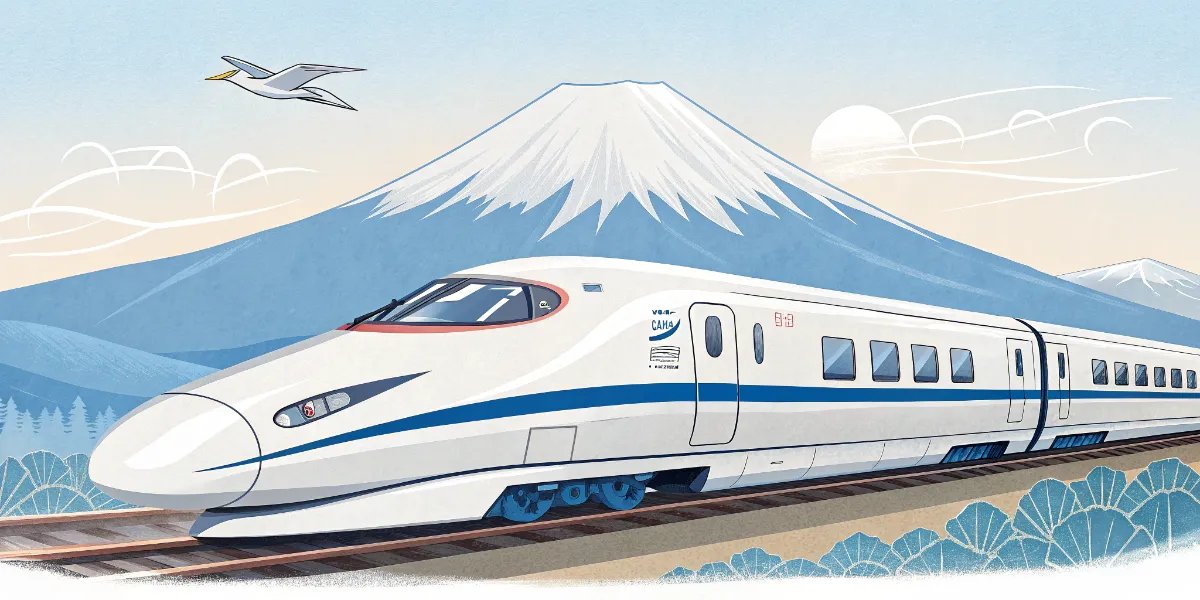
What makes it special: The nose of the Shinkansen is modeled after a kingfisher bird's beak. Engineers discovered this shape reduces the sonic boom when trains exit tunnels at high speed. Your child is looking at biomimicry in action—nature-inspired engineering.
Cultural significance: The Shinkansen represents Japan's post-war recovery and commitment to connecting communities efficiently. Punctuality is legendary—average delay is under 1 minute per year.
Japanese Vehicle Speed Comparison
Fun fact for kids: Trains are cleaned in just 7 minutes between arrivals. Teams of cleaners bow to passengers before and after—it's called omotenashi (hospitality).
Speech sounds: "Shinkansen" has great phonemes—/sh/, /n/, /k/, /s/, /n/. The repeating /n/ sound makes it satisfying to say. In Talk & Listen, we include train sounds and practice the /sh/ blend.
If your child wants a simple, picture-led introduction to bullet trains, you can also visit the bullet train vehicle page together for basic facts and visuals.
2. Kei Car (軽自動車) - Tiny City Cars
Kei cars are Japan's answer to narrow streets and limited parking. These mini vehicles must be under 11.2 feet long and 4.9 feet wide—about the size of a golf cart, but they're actual cars that go on highways.
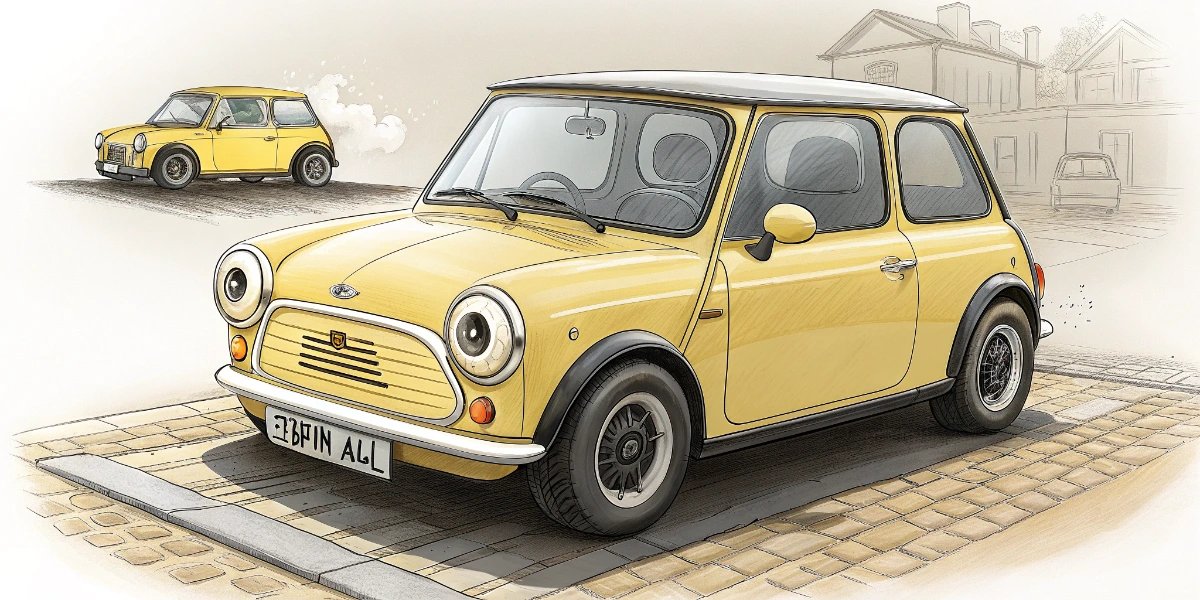
What makes it special: They have yellow license plates (regular cars have white), making them easy to identify. Owners get tax breaks and cheaper insurance because kei cars are fuel-efficient and take up less space.
Cultural significance: Reflects Japanese respect for shared space. Why take up more room than you need? Kei cars show how cultural values shape practical design.
Fun fact for kids: Some kei cars are cube-shaped! The Nissan Cube and Scion xB look like boxes on wheels. Kids love the playful designs—one model even had asymmetrical windows.
Speech sounds: "Kei car" practices the hard /k/ sound twice. Short, punchy words are great for toddlers building phoneme awareness.
3. Delivery Bike (配達バイク) - Neighborhood Workhorses
Walk through any Japanese neighborhood and you'll see delivery bikes carrying enormous loads—stacked noodle bowls, flower arrangements, even small appliances. Riders balance these towers through traffic with impressive skill.
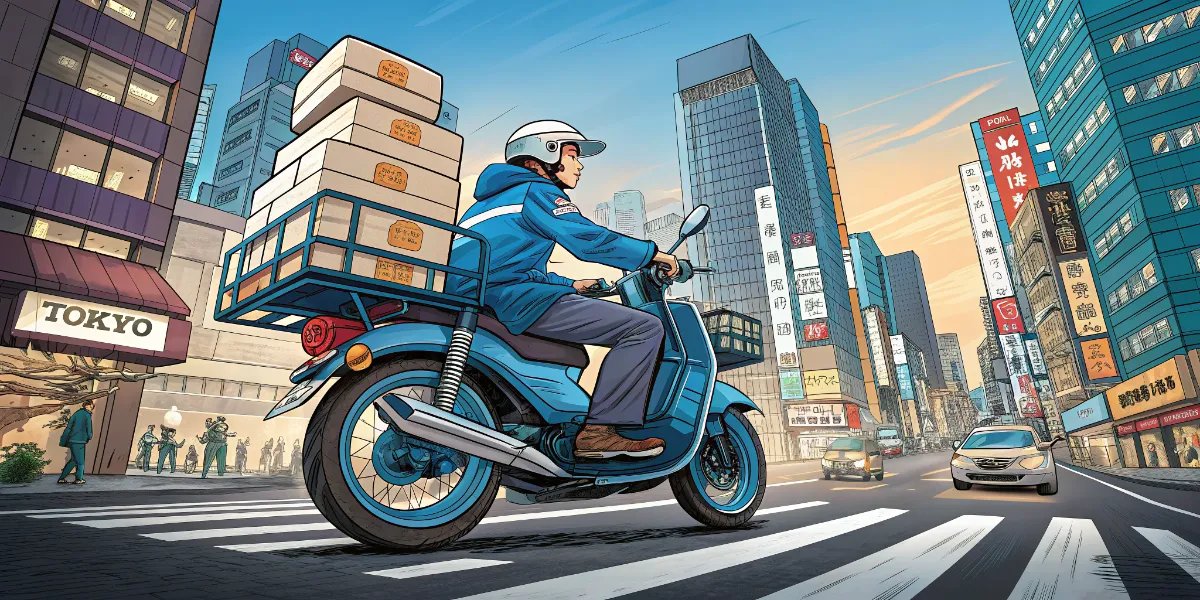
What makes it special: These aren't regular motorcycles—they have extended platforms and special balance mechanisms. Riders train extensively to carry loads up to 100 pounds while navigating city streets.
Cultural significance: Japan's commitment to same-day delivery (even hot food arriving in perfect condition) relies on these bikes. They're more efficient than trucks in dense neighborhoods.
Fun fact for kids: Soba (noodle) delivery bikes used to carry stacked wooden boxes called "okamochi." Riders could carry up to 20 bowls at once! It was like a mobile tower of food.
Speech sounds: "Delivery" has great phoneme variety—/d/, /l/, /v/, /r/. The /v/ sound can be tricky for toddlers, making it a good practice word.
4. Garbage Truck (ごみ収集車) - The Musical Cleaner
Japanese garbage trucks don't just beep—they play melodies. The most common is "Nanatsu no Ko" (Seven Baby Crows), a nostalgic children's song. It's genius: the music announces the truck's arrival without being jarring.
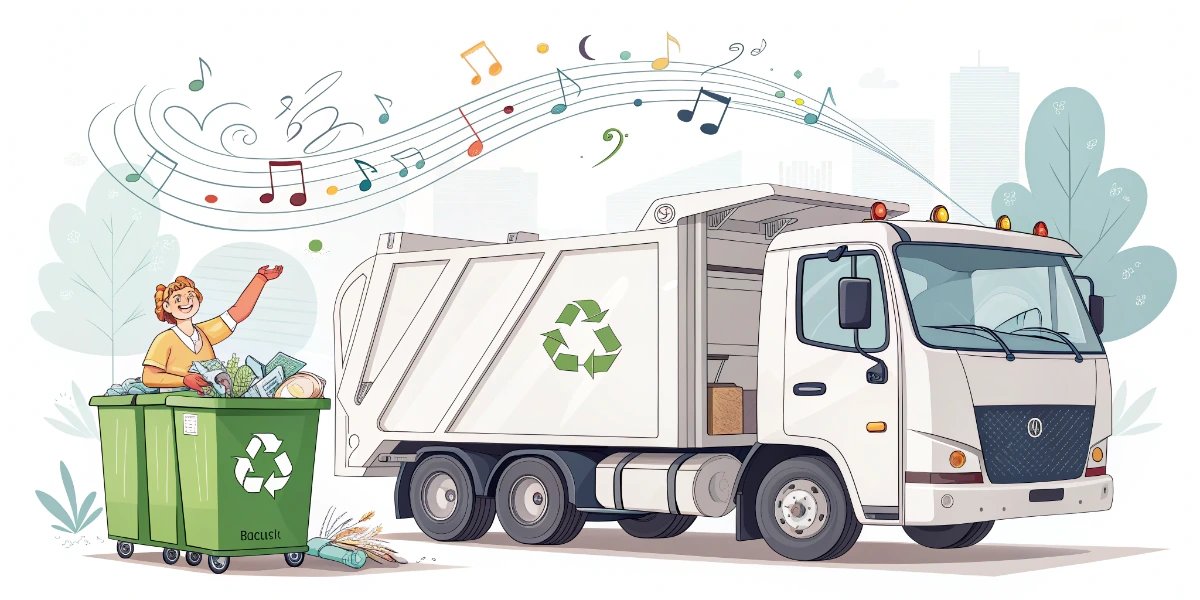
What makes it special: Different cities use different melodies. Some play classical music, others use regional folk songs. The music is loud enough to hear but gentle enough not to startle.
Cultural significance: Reflects Japanese attention to detail and environmental responsibility. Sorting garbage is a civic duty taught to children early.
Fun fact for kids: Some neighborhoods have specific garbage bags that residents must use—they're semi-transparent so collectors can verify proper sorting without opening bags.
Speech sounds: "Garbage truck" combines /g/, /r/, /b/, /t/, /k/—lots of consonant clusters for speech practice. Talk & Listen uses garbage trucks to teach the /tr/ blend.
If your child loves garbage trucks, you can also look at the garbage truck vehicle page for more pictures and simple facts.
5. Narita Express (成田エクスプレス) - Airport Train
The N'EX train connects Tokyo to Narita Airport with sleek red-and-black cars. It's often a visitor's first glimpse of Japanese rail efficiency—comfortable, quiet, and exactly on time.
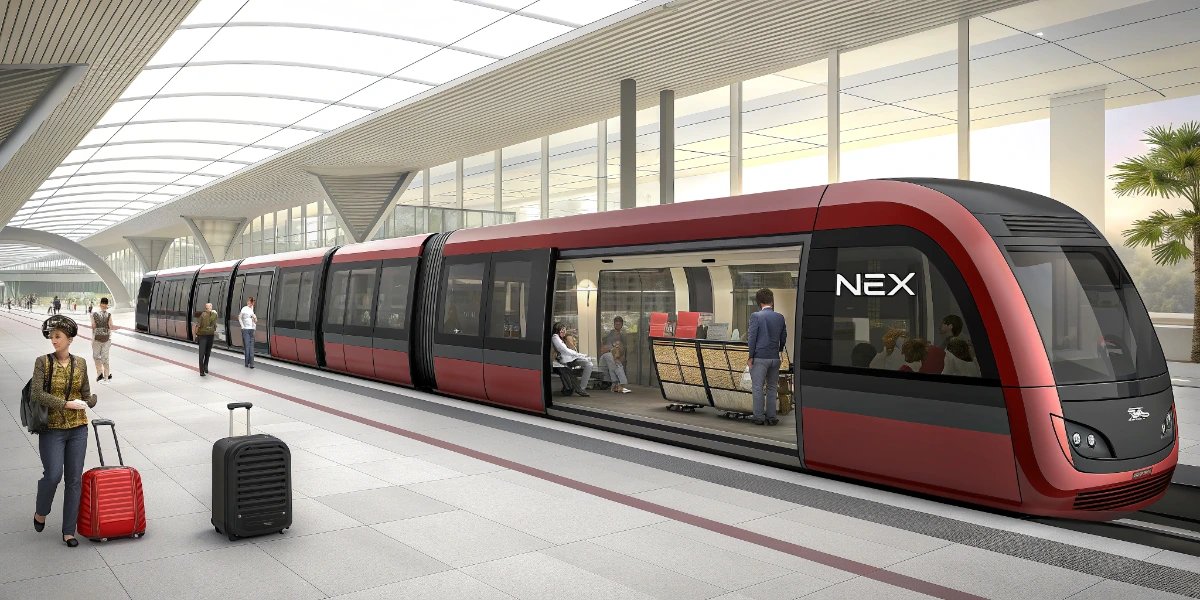
What makes it special: Reserved seating, luggage racks sized for suitcases, and power outlets at every seat. The train runs every 30 minutes and is never late—Japanese trains average 18 seconds delay per year.
Cultural significance: Shows how Japan welcomes international visitors while maintaining local values. The train is both functional and a cultural ambassador.
Fun fact for kids: The train has special women-only cars during rush hours, ensuring comfortable travel for everyone. It's one way Japan addresses different passenger needs.
Speech sounds: "Express" has the /x/ sound (spelled with 'x' but pronounced /ks/), which is actually two sounds blended. Great for phonological awareness.
6. Tokyo Taxi (タクシー) - The White-Gloved Drivers
Tokyo taxis are instantly recognizable: automatic doors, lace seat covers (doilies!), and drivers wearing white gloves. They represent old-school Japanese service standards.
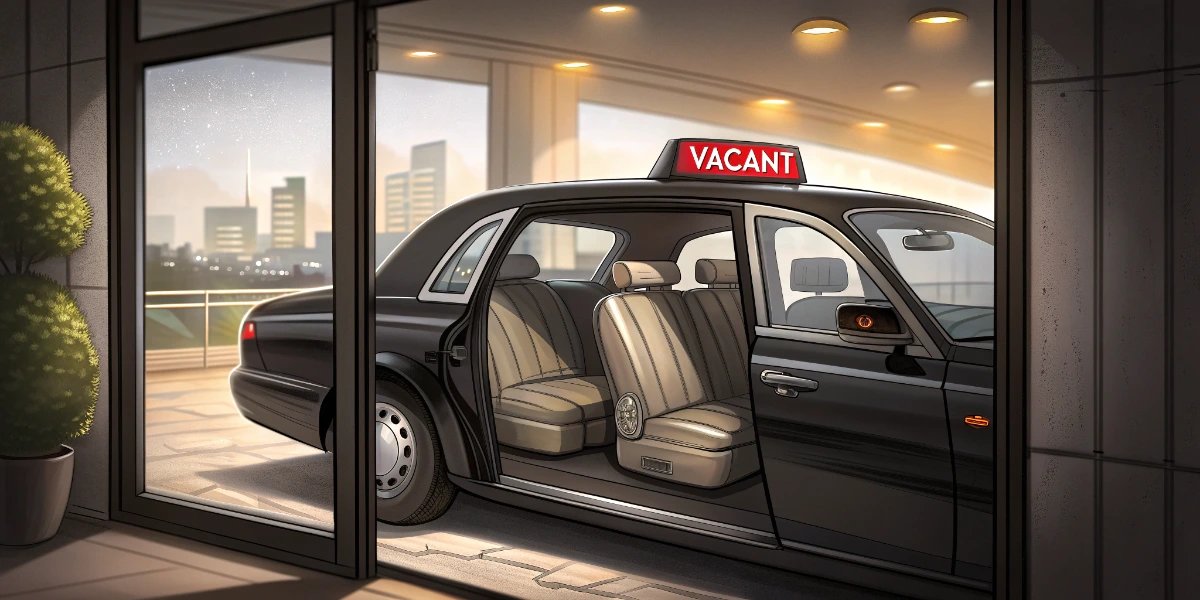
What makes it special: Doors open and close automatically—the driver controls them. This prevents passengers from accidentally hitting cyclists or pedestrians. The white gloves symbolize cleanliness and professionalism.
Cultural significance: The attention to detail (clean seats, polite service, GPS that works flawlessly) shows how service jobs are respected. It's not "just" a taxi—it's a mobile hospitality experience.
Fun fact for kids: Many taxis have "vacant" lights in Japanese (空車) that glow red when available. Green means occupied. It's like a traffic light for taxi availability!
Speech sounds: "Taxi" repeats the /t/ sound with different vowels—/tæ/ and /ti/. This phoneme constancy helps toddlers recognize sound patterns.
To connect this example to a simple vehicle overview, you can visit the taxi vehicle page and point out how city taxis look similar and different around the world.
7. Vending Machine Trucks (自動販売機トラック) - Mobile Convenience
Japan has vending machines everywhere—5 million nationwide. But some are on trucks! These mobile vending machines travel to construction sites, festivals, and rural areas, bringing drinks and snacks where they're needed.
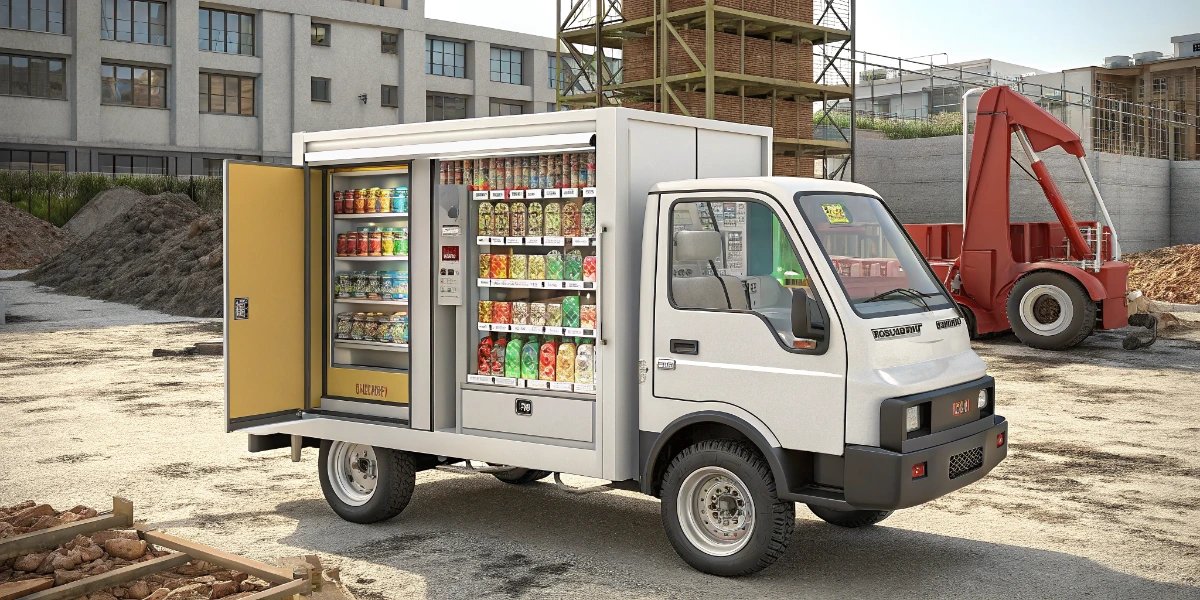
What makes it special: The trucks are essentially vending machines on wheels. They park, open their sides to reveal rows of drinks, and customers buy directly from the truck. Some even have hot food vending machines.
Cultural significance: Reflects Japanese innovation in service delivery. If people need something, bring it to them—don't wait for them to come to you.
Fun fact for kids: Japanese vending machines sell everything—hot coffee, cold tea, soup, even fresh eggs! The variety is mind-boggling compared to other countries.
Speech sounds: "Vending machine" has the /v/ and /m/ sounds, plus the "ing" ending (/ŋ/). It's a complex word that challenges growing vocabularies.
8. Monorail (モノレール) - Elevated City Transit
Tokyo and other Japanese cities use elevated monorails to save ground space. These single-rail trains glide above streets, providing fast connections without disrupting neighborhoods below.
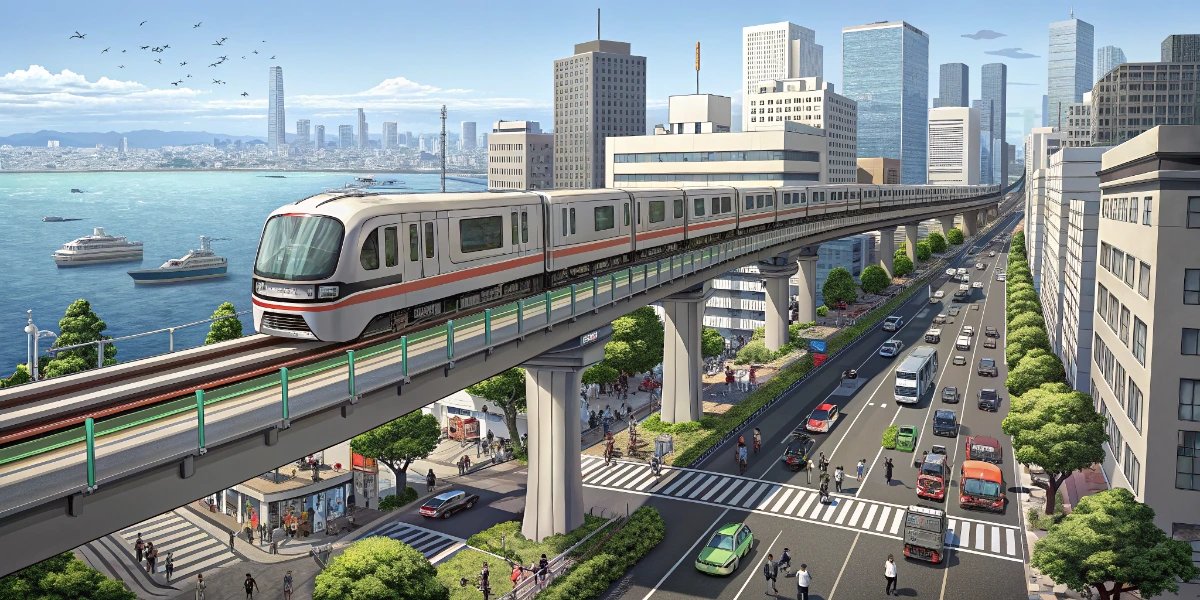
What makes it special: The Tokyo Monorail connects the city to Haneda Airport, carrying 300,000 passengers daily. It runs on a single concrete beam, taking up minimal space compared to traditional rail.
Cultural significance: Space-saving innovation again—when ground space is limited, build upward. The monorail doesn't require massive subway excavation or surface-level disruption.
Fun fact for kids: Some monorails straddle the track from above (like in Tokyo), while others hang underneath (like in Chiba). Two completely different engineering approaches!
Speech sounds: "Monorail" has /m/, /n/, /r/, /l/—four different consonants that toddlers master at different ages. It's a great complexity progression word.
For a simple, picture-first look at monorails, you can open the monorail vehicle page and trace the single rail together.
Learning Opportunities Through Japanese Vehicles
Geography Lessons
Japanese vehicles teach geography naturally. Why do kei cars exist? Because Japan's cities are dense and space is limited. Why bullet trains instead of highways? Mountains make road-building difficult, but rail lines navigate valleys efficiently.
Your toddler learns that vehicle design reflects environment. Island nations need different solutions than continental countries. Mountainous regions innovate differently than flat plains.
Cultural Awareness
Every vehicle reveals cultural values. The white-gloved taxi drivers show Japanese service standards. Musical garbage trucks demonstrate consideration for neighbors. Automatic doors reflect hospitality (omotenashi).
These aren't just vehicles—they're cultural artifacts. Your child learns that different places solve problems differently, and every approach has wisdom behind it.
Vocabulary Building
Japanese vehicle names introduce new sounds and concepts:
- Shinkansen - Multi-syllable word with repeating sounds
- Kei car - Compound word showing how languages combine concepts
- Narita Express - Proper noun + descriptive word
- Monorail - Prefix (mono = one) + rail, teaching word construction
In Talk & Listen, we include several Japanese-inspired vehicles because they offer rich phoneme variety. The bullet train's whoosh sound, the taxi's automatic door beep, the garbage truck's melody—each provides multisensory learning.
App Connections
Talk & Listen: Practice vehicle sounds with the Shinkansen's "whoosh," taxi door "beep," and garbage truck melody. The phoneme progression (simple /k/ in "kei car" to complex /spr/ in "express") supports speech development.
Create & Play: The DJ Van feature includes transportation sounds from different cultures. Japanese train station melodies (each station has a unique jingle!) can be mixed with other vehicle sounds for creative play.
Why Explore Vehicles From Different Cultures?
When my toddler first saw a picture of a bullet train, they were amazed that trains could look so different from our local subway. That curiosity became a gateway to bigger questions: Why do Japanese trains look like that? Why are their cars so small? What else is different in Japan?
Vehicle obsession—vehicles are the most common of the extremely intense interests about 30% of toddlers develop—becomes a tool for building global awareness. Your child learns that their way isn't the only way, and different isn't wrong—it's adaptive. Japanese vehicles reflect Japanese geography, values, and innovation. Understanding this builds empathy and curiosity about the world.
Plus, it's just fun. Who doesn't love a garbage truck that plays music?
Compare Japanese Vehicles With Other Countries
If your child loves Japanese bullet trains and tiny city cars, you can also explore how other countries solve similar problems in different ways. Try Vehicles of the UK for double-decker buses and Underground trains, or Vehicles of India and Vehicles of Africa to compare decorated trucks, long-distance trains, and safari vehicles. Comparing regions turns "vehicle obsession" into an easy way to talk about culture and geography.
Explore More World Vehicles
Japan opened our World Vehicles series, which now covers 23 countries and regions. A few favorites to visit next: Vehicles of India (auto rickshaws and decorated trucks), Vehicles of the UK (double-decker buses and black cabs), Vehicles of Africa (safari vehicles and colorful matatus), and Vehicles of South Korea (high-speed trains and smart cities).
Visit the interactive world map to explore all regions and discover how different cultures solve transportation challenges.
Want to explore Japanese vehicles interactively? Talk & Listen includes transportation sounds and speech practice activities, while Create & Play lets kids design their own vehicles inspired by different cultures.
 Frequently Asked Questions
 Ad-free & offline ready