Why the Netherlands Chose Bikes Over Cars
In the 1950s-60s, the Netherlands was heading toward American-style car dependency. Cities were being redesigned for cars, bikes were declining, and traffic deaths were rising—including 400+ children killed annually by cars. In 1971, over 3,000 people died in Dutch traffic accidents. Public outrage erupted, particularly around child deaths. A protest movement called "Stop de Kindermoord" (Stop the Child Murder) demanded change.
The 1973 oil crisis provided additional motivation—suddenly, car-dependent transportation seemed economically risky. The Dutch government made a radical decision: redesign cities around bikes and public transit instead of cars. This wasn't returning to the past; it was creating something new—modern infrastructure prioritizing human-powered and public transport over private cars.
Fifty years later, the results are extraordinary: The Netherlands has 23 million bikes for 17 million people. More trips in Amsterdam happen by bike (32%) than by car (20%). Dutch children bike independently to school from age 4. Traffic deaths dropped from 3,000+ in 1971 to under 600 in 2023 despite population growth—and child traffic deaths are now under 20 per year. The Netherlands is consistently ranked as having the world's best cycling infrastructure and most livable cities.
This transformation shows that transportation choices aren't inevitable—they're decisions reflecting priorities. The Dutch chose health, safety, livability, and independence over speed and convenience. The vehicles they use today reflect those priorities.
1. Bakfiets (Cargo Bike) - The Dutch Family SUV
What Makes It Special
The bakfiets (literally "box bike") is the iconic Dutch cargo bike with a large box mounted in front of the handlebars. Parents use bakfiets to transport 2-3 children, groceries, pets, and cargo simultaneously. The front box becomes a mobile playpen—children sit facing the parent, chatting during rides while parent maintains visibility and control. Electric bakfiets (e-bakfiets) with pedal-assist motors make carrying heavy loads effortless.
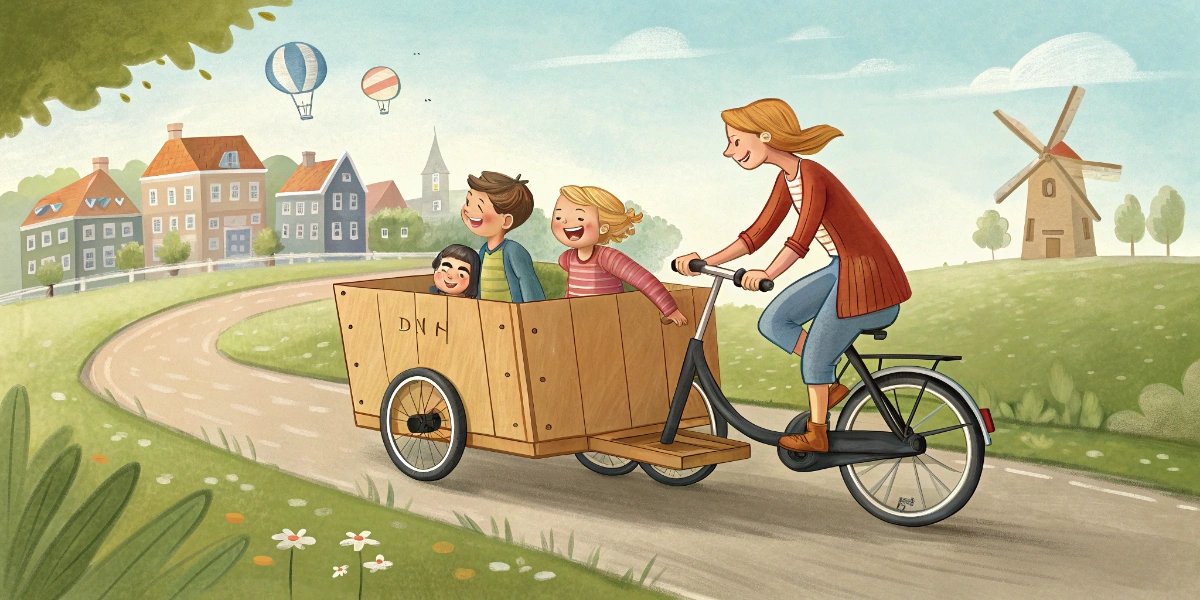
Dutch approach: Bakfiets replace cars for daily errands. A Dutch family might own one bakfiets and no car, using the bike for school drop-off, grocery shopping, park trips, and transporting everything needed for daily life. The boxes are weatherproof (rain covers included), have seat belts for children, and can carry 80-100kg (175-220 lbs) of cargo. Some families have custom boxes—padded seats, reading lights, toys attached inside. It's a mobile living room on two wheels.
Cultural Significance
Bakfiets represent Dutch values: practicality over status, health over convenience, community over isolation. Driving an SUV in Dutch cities is seen as unnecessary and antisocial (taking up space, creating danger for cyclists). Bakfiets are the high-status family vehicle—showing you're fit, environmentally conscious, and integrated into community. Parents on bakfiets chat at red lights, children socialize in the boxes, and community connections strengthen through shared bike infrastructure.
Sound: Quiet pedaling, children laughing in front box, parent calling instructions, bike bell "ring ring" at intersections. No engine noise—just human-powered family transport moving through cities at human pace.
Engineering Features
Modern bakfiets engineering is sophisticated: low center of gravity (stability with heavy loads), disc brakes (stopping power), wide tires (stability), electric assist (making hills effortless), and steering designs preventing tipping. The front box is mounted on the bike's frame (not the handlebars), making steering predictable even with squirming children. Rain covers deploy quickly, converting the box from open-air to weatherproof in seconds. Bike parking is designed for bakfiets—wider spaces, lower bike racks, and designated areas near shops/schools.
What Kids Learn
Riding in bakfiets teaches kids bike culture from infancy. They see how cities work from bike-level perspective, learn traffic rules by observation, and understand that transportation doesn't require engines. By age 3-4, children graduate from riding in bakfiets to pedaling their own bikes alongside parents—natural progression from passenger to independent cyclist. This early exposure creates lifelong comfort with cycling as primary transportation.
2. Dutch City Bicycle (Stadsfiets) - Practical Perfection
What Makes It Special
The classic Dutch city bike (omafiets or "grandma bike") is designed for practical urban cycling: upright seating position (visibility and comfort), fully enclosed chain guard (protects clothes), fenders (stay clean in rain), built-in lock (theft prevention), rear rack (cargo carrying), and dynamo lights (powered by pedaling, always working). These bikes prioritize comfort and practicality over speed—they're transportation tools, not sports equipment.
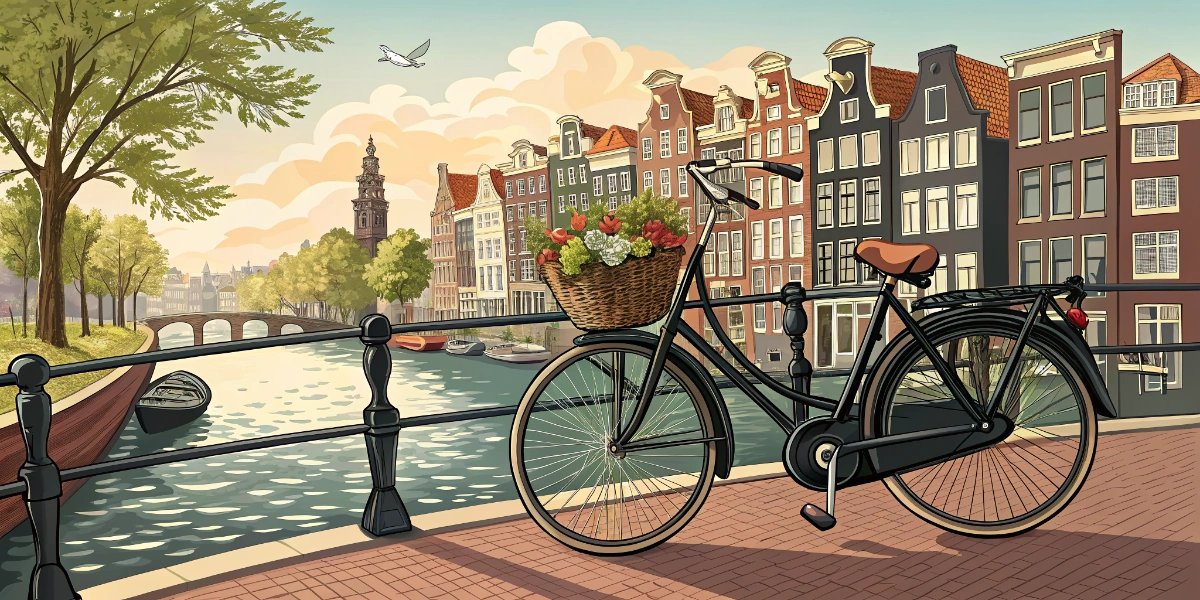
Dutch approach: Bikes are everyday vehicles like Americans treat cars—functional tools requiring minimal thought or maintenance. Dutch bikes are deliberately ugly (less theft appeal) and sturdy (lasting decades). No Lycra, no helmets, no special gear needed—you bike in whatever you're wearing. Office workers bike in business suits; parents bike in regular clothes; elderly people bike into their 80s. The bike disappears as a "thing" and becomes just how you get around.
Cultural Significance
Dutch city bikes represent egalitarian values—everyone bikes regardless of age, income, or status. The prime minister bikes to work; children bike to school; elderly people bike to groceries. Bikes level social hierarchies that cars create (expensive cars signal wealth; all bikes look similar and work equally well). This creates shared experience across society—everyone navigates the same bike paths, follows the same rules, and participates in the same culture.
Sound: Gentle pedaling cadence, friendly bike bells ringing at intersections, chains whirring through enclosed guards, tires humming on smooth bike paths. Hundreds of bikes passing creates rhythmic whooshing—collective sound of human-powered mobility.
Safety Features
Dutch bikes prioritize visibility and stability: upright position (see and be seen), sturdy kickstands (stable when parked), hand brakes and coaster brakes (redundant stopping systems), and reflective elements (visibility at night). The bikes are designed for carrying cargo and passengers—strong frames, reinforced forks, and balanced geometry make them stable even when heavily loaded. This makes them safer than sports bikes for urban environments where stability and visibility matter more than speed.
What Kids Learn
Dutch children learn to bike on balance bikes by age 2, pedal bikes by 3-4, and independently navigate neighborhood streets by 5-6. This progression is supported by infrastructure (protected bike lanes separate from cars) and culture (drivers expect cyclists and give right-of-way). Learning to bike is a rite of passage—like Americans learning to drive, Dutch children gain independence and mobility through cycling. By age 10, most Dutch children bike several kilometers independently, navigating complex urban environments confidently.
To connect this with a general overview of bikes, you can also visit the bicycle vehicle page and compare Dutch city bikes with other kinds of bikes your child already knows.
3. Electric Bike (Elektrische fiets) - Democratizing Distance
What Makes It Special
Electric bikes (e-bikes) have pedal-assist motors that amplify pedaling effort, making hills effortless and distances shorter. Dutch e-bikes don't replace pedaling—they assist it, typically providing support up to 25 km/h (15.5 mph). The rider still pedals; the motor makes it easier. This extends cycling range from 5km to 15km comfortably, makes hilly routes accessible, and allows older people or those with physical limitations to continue cycling.
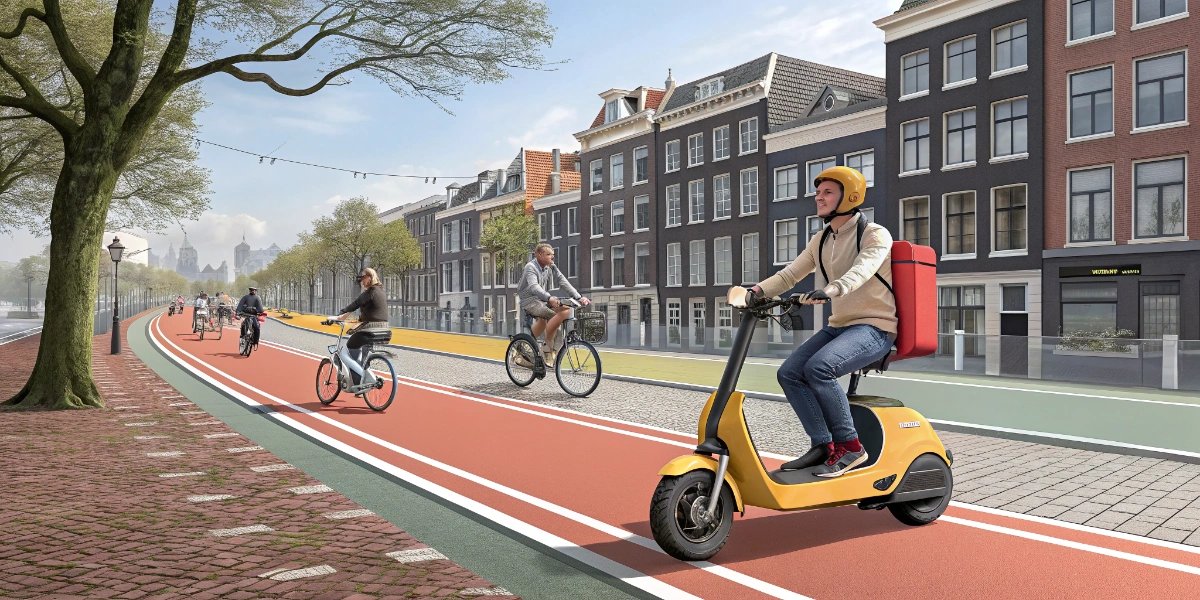
Dutch approach: E-bikes are normal bikes with motors, not separate vehicle categories. Elderly people use e-bikes to maintain independence—continuing to bike for groceries, social visits, and errands into their 70s-80s. Commuters use e-bikes for longer distances (15-20km) previously requiring cars or trains. Parents use e-bakfiets (cargo bikes with electric assist) to transport multiple children plus cargo without breaking a sweat. E-bikes democratize cycling—making it accessible regardless of fitness, age, or terrain.
Cultural Significance
E-bikes represent Dutch pragmatism: if technology makes cycling more accessible, embrace it. There's no cycling purist gatekeeping—e-bikes are welcomed as tools expanding who can cycle. This differs from some cultures viewing e-bikes as "cheating." For the Dutch, the goal is getting around sustainably and healthily; whether that requires human power alone or electric assist is irrelevant. E-bikes strengthen cycling culture by keeping older people biking longer and attracting new cyclists who might find traditional bikes challenging.
Sound: Quiet electric whir accompanying pedaling, slightly louder than traditional bikes but still quiet compared to any motor vehicle. The motor cuts out above 25 km/h, so riders pedal normally at higher speeds—creating varied sound as motors engage and disengage based on terrain and effort.
Engineering Innovation
Dutch e-bike engineering focuses on reliability and integration: batteries hidden in frames (aesthetically pleasing, theft prevention), motors in rear hubs or mid-drives (balanced weight distribution), and controls integrated into handlebars (intuitive operation). Charging is simple—remove battery, charge at home or work, reinstall. Range typically exceeds 50-80km per charge, enough for a week of commuting. Maintenance is minimal—same as regular bikes plus occasional battery replacement every 3-5 years.
What Kids Learn
E-bikes teach that technology can support sustainability rather than replace human power. Children see grandparents continuing to bike into old age with electric assist, learning that aging doesn't mean losing independence or mobility. They understand that vehicles can be right-sized for their purpose—e-bikes provide exactly enough motor assistance for comfortable cycling without the weight, cost, complexity, or environmental impact of cars. It's appropriate technology applied thoughtfully.
4. NS Dutch Railways Train - Punctual and Bike-Friendly
What Makes It Special
NS (Nederlandse Spoorwegen) operates one of Europe's densest rail networks—trains departing every 10 minutes during peak hours connecting all major cities. The system prioritizes frequency over speed—you never wait long, and bike+train integration is seamless. Nearly every train station has massive bike parking (some stations park 10,000+ bikes), trains allow bikes onboard during off-peak hours, and folding bikes ride free anytime. First/last mile connectivity is solved—bike to station, train to destination, bike from station.
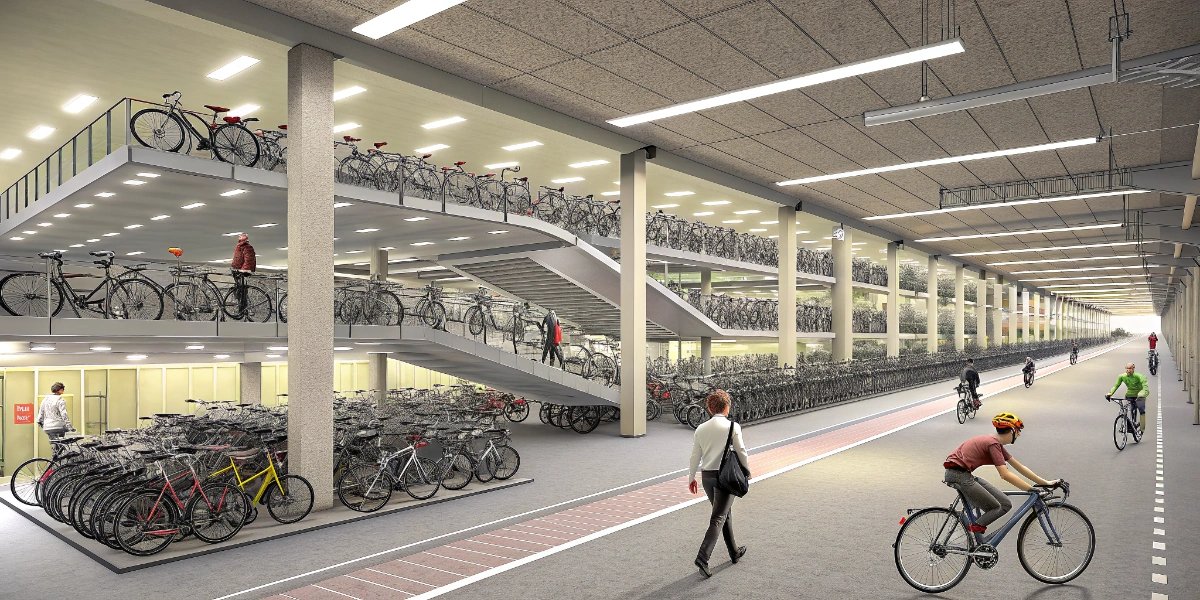
Dutch approach: Trains are designed for daily commuting, not occasional travel. The schedule is predictable—same trains at same times every day, making planning automatic. Punctuality is excellent (94% on-time arrival within 5 minutes of schedule in 2023). Stations are integrated into cities as mobility hubs—not isolated facilities requiring car access. You bike or walk to stations, catching frequent trains without checking schedules. OV-chipkaart (smart cards) make payment seamless—tap to enter/exit, system calculates fare automatically.
Cultural Significance
Dutch trains represent collective efficiency—shared infrastructure serving everyone reliably. Train travel is normal, not special—people take trains like Americans drive cars, for routine daily journeys. This reflects Dutch values around shared resources, public goods, and collective solutions. Trains also demonstrate that density creates better transportation—frequent service is only economical with dense populations and compact cities, reinforcing the Dutch urban planning model.
Sound: Electric train motors accelerating smoothly (most trains are electric), doors closing with distinctive beeping, automated announcements ("Dames en heren, we naderen..." - Ladies and gentlemen, we are approaching...), and quiet electric acceleration creating gentle hum rather than diesel roar.
Integration Excellence
NS excels at system integration: bikes + trains work seamlessly, buses and trams coordinate schedules with trains, stations have bike rental (OV-fiets) for last-mile trips, and smartphone apps provide real-time information and mobile ticketing. The system works as integrated mobility rather than separate modes competing. You plan trips door-to-door considering all modes—bike, train, tram, walk—without owning a car. This integration is possible because all modes are designed to work together rather than prioritizing any single mode.
What Kids Learn
Dutch children learn to navigate public transit from young ages—elementary students take trains independently or with friends by age 10-12. This teaches planning, time management, navigation, and social skills (coordinating with friends, asking for help, managing money). Train travel becomes normal transportation, not adventure. Children internalize that mobility doesn't require cars—you can reach anywhere in the country by bike+train+walk. This builds independence and confidence in navigating complex systems.
If your child is already fascinated by locomotives, pair this section with the train vehicle page for a simpler, picture-led overview of how trains work in general.
5. Amsterdam Tram - Historic Urban Rail
What Makes It Special
Amsterdam's tram system has operated since 1875, with 15 lines covering 200+ km of track throughout the city. Trams run every 5-10 minutes during day, creating predictable frequent service. They're electric, quiet, and integrated into street fabric—sharing space with bikes, cars, and pedestrians in complex choreography. Tram stops are everywhere (average 400m spacing), making walking distance to trams minimal. Trams carry 200+ million passengers annually in a city of 900,000—over 200 trips per resident per year.
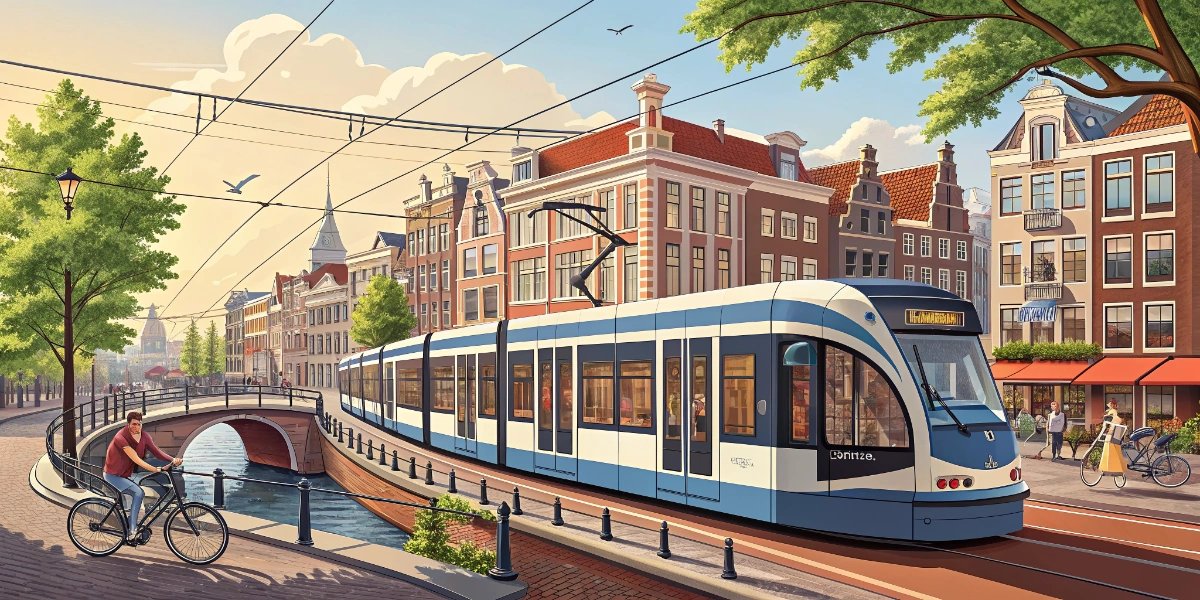
Dutch approach: Trams are woven into urban fabric rather than separated like subways. They're visible (you see them coming), accessible (no stairs or elevators needed), and integrated into streetscape. Trams receive traffic priority—lights change for trams, cars must yield, and dedicated lanes ensure trams keep moving. This makes trams faster and more reliable than driving in city centers. The system prioritizes frequency over speed—you never wait long, even if individual trips aren't fast.
Cultural Significance
Amsterdam trams represent commitment to shared urban space. Trams, bikes, pedestrians, and some cars coexist in complex dance requiring cooperation and rule-following. This reflects Dutch consensus culture—everyone follows rules, yields appropriately, and shares space. Trams are democratic infrastructure—same vehicle serves wealthy bankers and students, tourists and residents, elderly and young. There's no first-class section; everyone rides together. This reinforces social cohesion and shared public space.
Sound: Classic tram bell ("ding ding"), electric motor whir, wheels clicking over track joints, automated stops announced in Dutch and English. The sound is nostalgic for Amsterdam residents—tram bell is iconic city sound, marking time and location audibly throughout neighborhoods.
Modern Updates
While the system is historic, trams are modern: new Combino trams have low floors (wheelchair accessible), air conditioning, real-time information displays, and regenerative braking (capturing energy when slowing). They're designed for Amsterdam's narrow streets—articulated sections navigate tight turns, and dimensions fit historic city constraints. This combination of historic routes with modern vehicles creates continuity—preserving what works while updating technology.
What Kids Learn
Riding trams teaches urban navigation—children learn to read route maps, recognize stops, and plan journeys. They experience shared public space—sitting with diverse riders, yielding to elderly passengers, and navigating crowded cars politely. Trams demonstrate that cities can move people efficiently without everyone driving—hundreds of people moving in one vehicle, using far less space and energy than individual cars. This builds understanding of collective efficiency and shared resources.
6. Police Bicycle - Law Enforcement on Two Wheels
What Makes It Special
Dutch police patrol on bicycles, especially in city centers. Police bikes are sturdy city bikes (sometimes electric) with blue accents, pannier bags carrying equipment, and police insignia. Officers patrol neighborhoods, parks, shopping districts, and bike paths—maintaining presence and accessibility without the barriers that cars create. Bike-mounted police can navigate anywhere bikes go (narrow alleys, pedestrian zones, bike paths) and interact with public easily—stopping to chat, check bikes, or respond quickly to incidents.
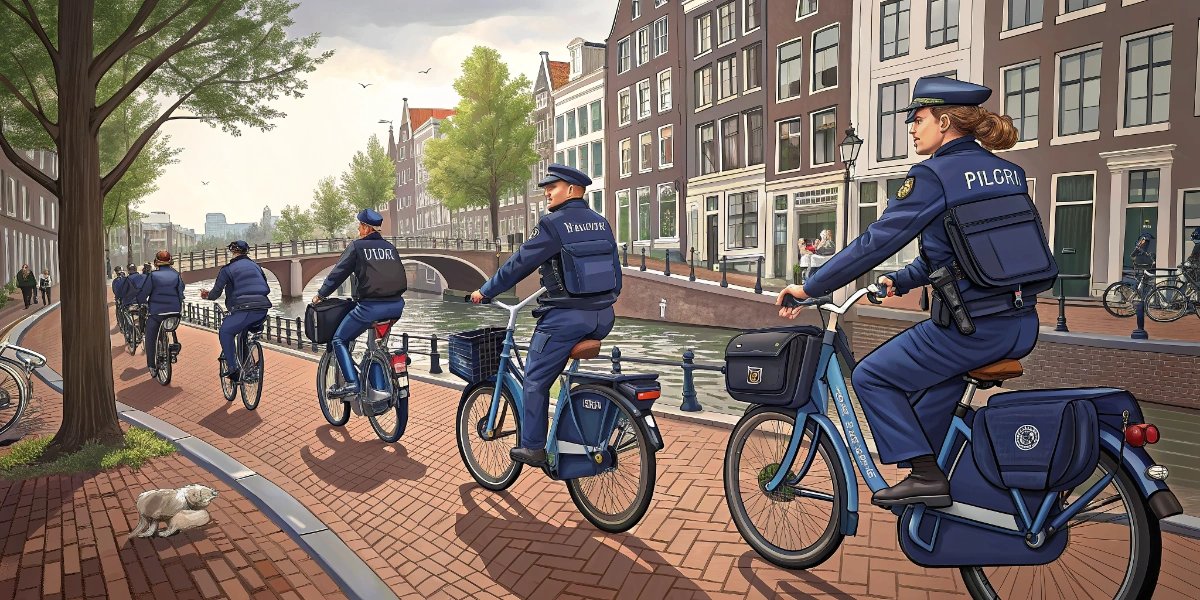
Dutch approach: Police on bikes embody community policing philosophy—accessible, approachable, and integrated into neighborhoods rather than isolated in cars. Bike officers move at human speed, making eye contact and interacting naturally. They're part of street life rather than separate from it. This creates different police-public relationship—less intimidating, more connected, maintaining order through presence and relationship rather than force projection. Of course, police still have cars for emergencies and serious incidents, but bikes are preferred for routine patrol.
Cultural Significance
Police bicycles represent Dutch consensus culture and de-escalation approach. Police on bikes are less threatening than police in cars—they're human-scale, approachable, and moving at community pace. This supports Dutch policing philosophy emphasizing communication, relationship, and proportional response over force. Police bikes also demonstrate that bikes are serious vehicles—if police rely on them for law enforcement, they're clearly capable, reliable transportation for anyone.
Sound: Similar to regular bikes—pedaling, bell ringing, quiet electric motor if e-bike. Sometimes police bikes have small sirens or lights for emergencies, but routine patrol is quiet. The absence of engine noise makes police presence less intrusive while maintaining visibility and accessibility.
Practical Effectiveness
Police bikes are remarkably effective in dense urban environments: they navigate traffic congestion easily (reaching incidents quickly), access pedestrian zones and bike paths (covering areas cars cannot), and maintain stealth when needed (approaching quietly). Officers cover more ground than walking while maintaining the relationship-building of foot patrol. Response times are often faster than cars in congested city centers. Bikes also save money—no fuel, minimal maintenance, and no need for expensive patrol vehicles.
What Kids Learn
Seeing police on bikes teaches children that authority figures are accessible and part of community. Police aren't isolated in cars—they're neighbors on bikes who can be approached with questions or concerns. This builds trust and connection. Children also learn that bikes are serious, capable vehicles—if police rely on them professionally, bikes aren't toys or recreation but real transportation. This normalizes cycling as primary mobility for everyone, including those with serious responsibilities.
7. Delivery Tricycle - Sustainable Urban Logistics
What Makes It Special
Cargo tricycles (three-wheeled cargo bikes) are increasingly used for urban deliveries—mail, packages, groceries, and meals. PostNL (Dutch postal service) uses electric cargo trikes for neighborhood delivery, UPS has cargo bike hubs for last-mile urban delivery, and food delivery services use cargo bikes instead of scooters. These trikes have large cargo boxes (200+ liter capacity), electric assist (carrying heavy loads effortlessly), and stability (three wheels prevent tipping when stopped).
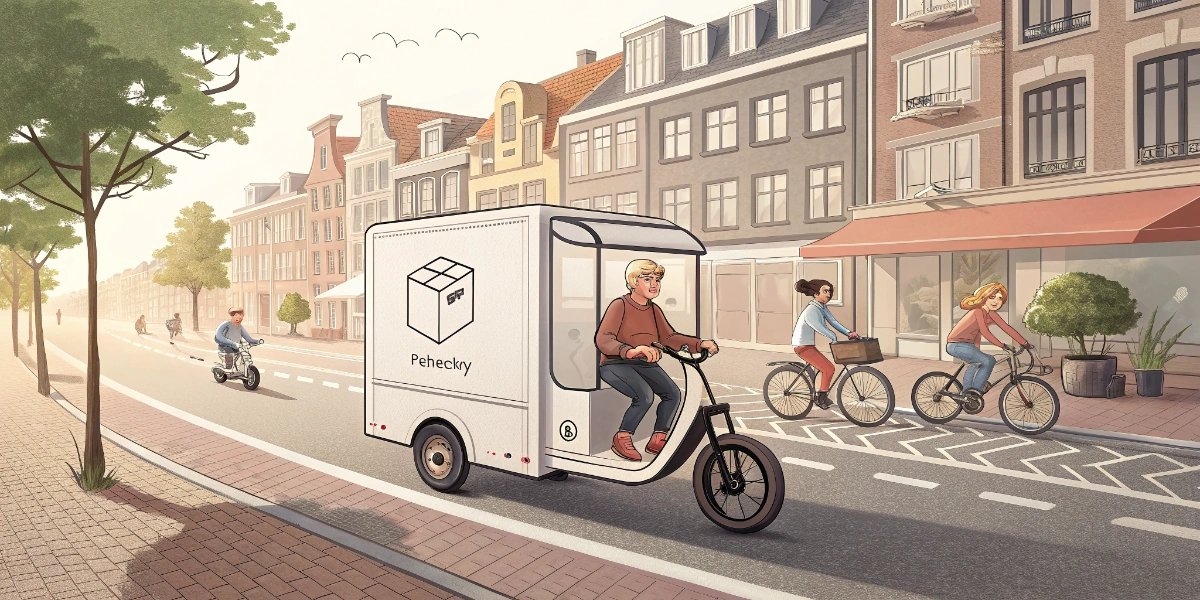
Dutch approach: Urban logistics are transitioning from trucks and vans to cargo bikes wherever possible. Companies establish micro-hubs on city edges where large trucks unload, then cargo bikes complete last-mile delivery. This reduces congestion, pollution, and street danger while maintaining delivery speed—cargo bikes navigate bike paths and pedestrian zones faster than vans stuck in traffic. Dutch cities incentivize cargo bike delivery through permits, subsidies, and designated loading zones.
Cultural Significance
Delivery tricycles demonstrate that cities can function without delivery vans clogging streets. Traditional urban logistics prioritized vehicle convenience over street livability—double-parked vans blocking bike lanes, idling engines creating pollution, large vehicles dominating narrow streets. Cargo trikes show alternative—sustainable deliveries maintaining street livability. This reflects Dutch prioritization of quality of life over vehicle convenience and willingness to innovate around traditional assumptions about how cities must work.
Sound: Quiet electric whir, packages shifting in cargo box, occasional bell warning pedestrians. Dramatically quieter than diesel vans—reducing urban noise pollution while maintaining delivery capacity. The quiet reinforces livability—deliveries happen without dominating soundscape.
Innovation and Scaling
Dutch cities are rapidly scaling cargo bike logistics: Amsterdam aims for zero-emission city center by 2030 (requiring cargo bikes for all deliveries), Rotterdam has cargo bike hubs throughout city, and Utrecht banned delivery vans from historic center (cargo bikes only). Companies are innovating—electric cargo trikes with 300kg capacity, weatherproof cargo boxes, GPS routing optimized for bike paths, and interchangeable boxes allowing quick swaps at hubs. This demonstrates that sustainable logistics can scale commercially, not just work experimentally.
What Kids Learn
Delivery tricycles teach that businesses can adapt to prioritize livability and sustainability. Children see that commerce doesn't require polluting or dangerous vehicles—packages arrive on bikes just as reliably as on trucks. They learn that innovation solves problems thoughtfully—cargo trikes aren't worse than vans, they're better solutions for dense urban environments. This builds expectation that businesses should operate responsibly rather than prioritizing convenience over community impact.
8. Sprinter Train - Regional Connector
What Makes It Special
Sprinter trains are NS's regional/local trains stopping at all stations, complementing faster Intercity trains that skip smaller stops. Sprinters run every 15 minutes during day, connecting smaller towns to major cities and filling gaps between Intercity stops. They're double-decker electric trains maximizing capacity while maintaining frequent service. Sprinters create comprehensive rail network—every town over 10,000 people has frequent train service, and many smaller towns have Sprinter connections. This makes car-free living viable even in suburbs and small towns.
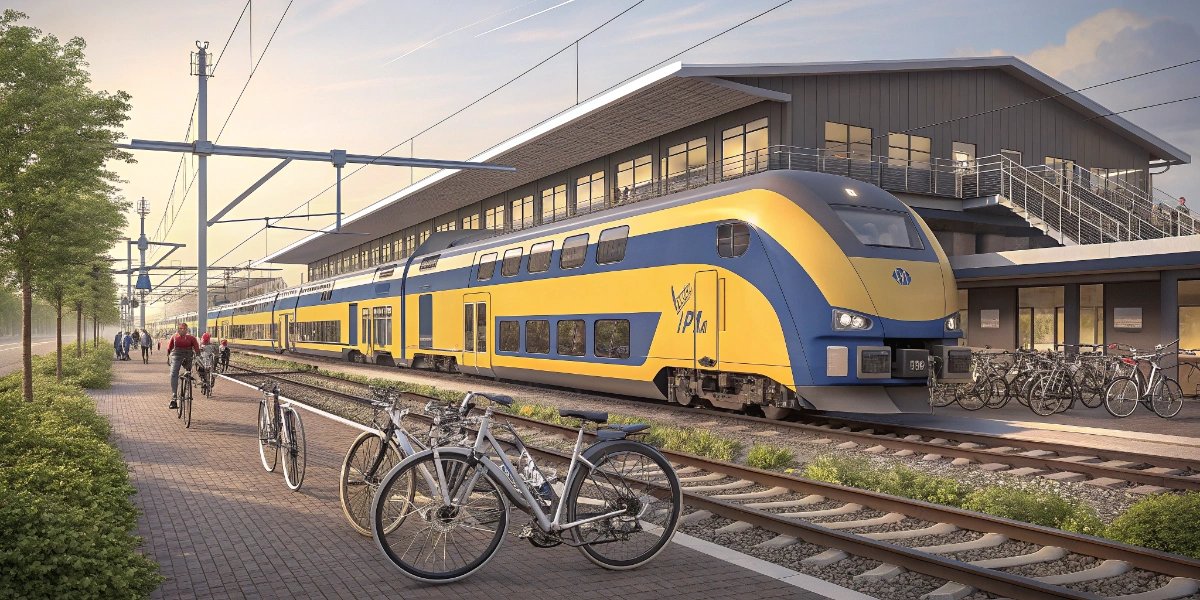
Dutch approach: Sprinters prioritize accessibility and frequency over speed. They're slower than Intercity trains (stopping every 5-10km instead of every 20-30km) but ensure everyone has access to rail network. The double-decker design maximizes capacity on limited track space—moving more people per train without requiring longer platforms or additional tracks. This reflects Dutch efficiency—solve problems by optimizing existing infrastructure rather than building new.
Cultural Significance
Sprinter trains demonstrate commitment to universal mobility access. Even small towns deserve frequent rail service—mobility isn't just for cities. This reflects egalitarian values and refusal to accept two-tier system where rural residents must own cars while urbanites have choices. Sprinters also enable Dutch housing strategy—people can live in affordable small towns while working in expensive cities, maintaining quality of life without extreme housing costs. The train network enables national labor market rather than segregating opportunities by geography.
Sound: Quiet electric acceleration (smoother than diesel), doors closing with warning beeps, automated announcements in Dutch and English, and gentle deceleration into stations. Double-decker design creates slight floor vibration on upper level but remains quiet compared to other trains. The predictable sound pattern (acceleration, coasting, deceleration, stop) becomes rhythmic and calming for regular commuters.
System Integration
Sprinters integrate seamlessly with other modes: every station has bike parking (often covered and secured), buses coordinate with train schedules, and OV-chipkaart works across all transit. Sprinters fill strategic gaps—feeding passengers to Intercity trains, connecting small towns to regional centers, and serving neighborhoods between major stations. This creates complete network where you can reach anywhere by combining modes strategically. The system works because modes complement rather than compete.
What Kids Learn
Riding Sprinters teaches regional geography—children learn where towns are relative to each other, understand urban/rural relationships, and build mental maps of regions. They experience how infrastructure enables opportunity—students from small towns can attend schools in cities; families can visit relatives without cars; young people can access jobs beyond home towns. Sprinters demonstrate that mobility is public good deserving public investment—society benefits when everyone can move freely, not just those who can afford cars.
The Paradox: Max Verstappen and Dutch Racing
F1 Champion from Bike Nation
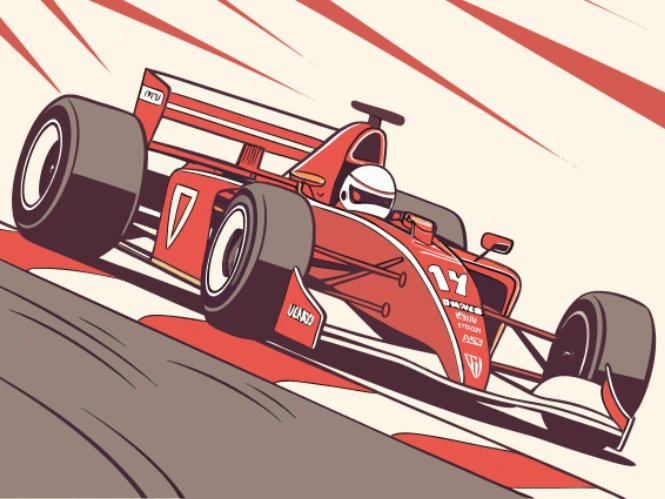
Max Verstappen, three-time Formula 1 World Champion (2021, 2022, 2023, 2024), is Dutch. He's one of the greatest F1 drivers ever, dominating the sport with precision, aggression, and consistency. His success seems paradoxical—how does the world's most bike-focused country produce F1 champions? The answer reveals that Dutch transportation choices aren't anti-car ideology; they're context-appropriate pragmatism.
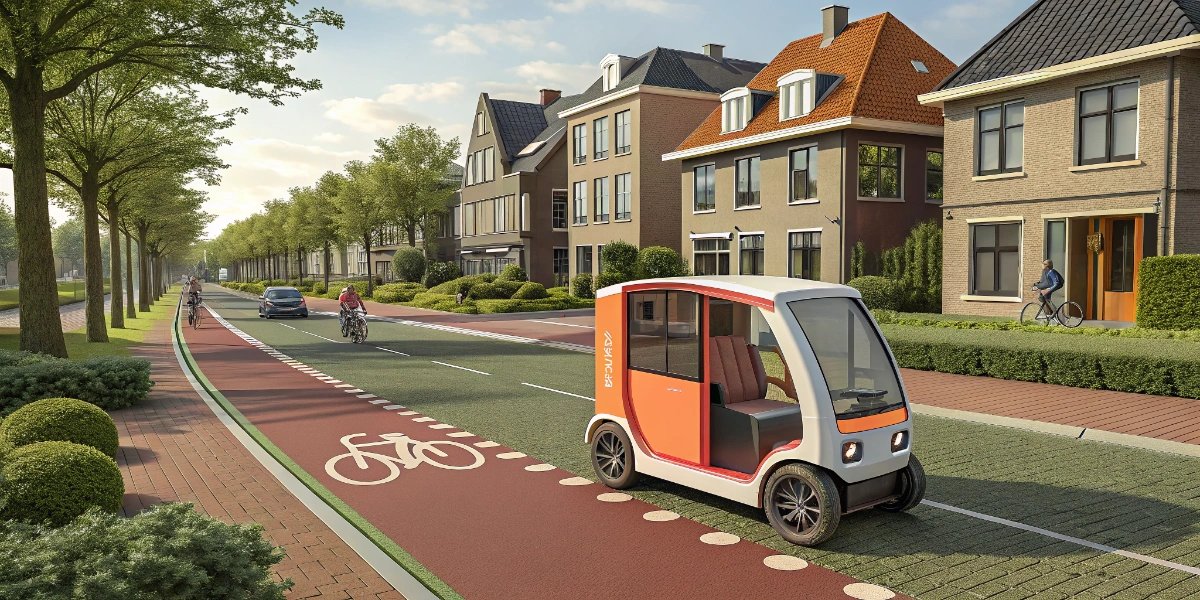
Verstappen represents Dutch excellence in engineering and competition. The Dutch love speed and engineering challenges—they just believe these pursuits belong on racetracks, not city streets. F1 is appropriate context for high-speed cars: closed circuits, professional drivers, engineering excellence pushed to limits. Daily urban mobility is different context requiring different solutions—bikes work better than cars for cities, but that doesn't diminish appreciation for automotive engineering in appropriate settings.
Circuit Zandvoort - Dutch Racing Heritage
The Netherlands has rich motorsport heritage: Circuit Zandvoort has hosted F1 races since 1952 (recently returned to F1 calendar in 2021), Dutch drivers have competed in F1 since the 1950s, and the country produces automotive engineers working for F1 teams worldwide. The Dutch understand cars and appreciate automotive engineering—they simply don't believe high-performance vehicles belong in urban daily use. Racing is sport and engineering showcase; urban mobility is different domain requiring different tools.
What Kids Learn
Max Verstappen teaches that choosing bikes for cities doesn't mean rejecting engineering excellence or speed. The Dutch love both—they just apply them appropriately. F1 cars belong on tracks; bikes belong on city streets. It's about right tool for right job, not ideology. Children learn to distinguish between appropriate contexts—appreciating engineering achievement in racing while recognizing that urban mobility requires different solutions prioritizing safety, sustainability, and livability over speed and individual convenience.
What These Vehicles Reveal About Dutch Culture
Pragmatism Over Ideology
Dutch transportation isn't ideological—it's pragmatic. Bikes work best for cities (fast, efficient, healthy, sustainable), so cities prioritize bikes. Trains work best for regional travel (frequent, reliable, accessible), so the rail network is extensive. The Dutch will use whatever works best for the context—cargo bikes for groceries, trains for commutes, cars when necessary (rural areas, heavy cargo). It's about choosing appropriate tools rather than adhering to ideology.
Collective Efficiency
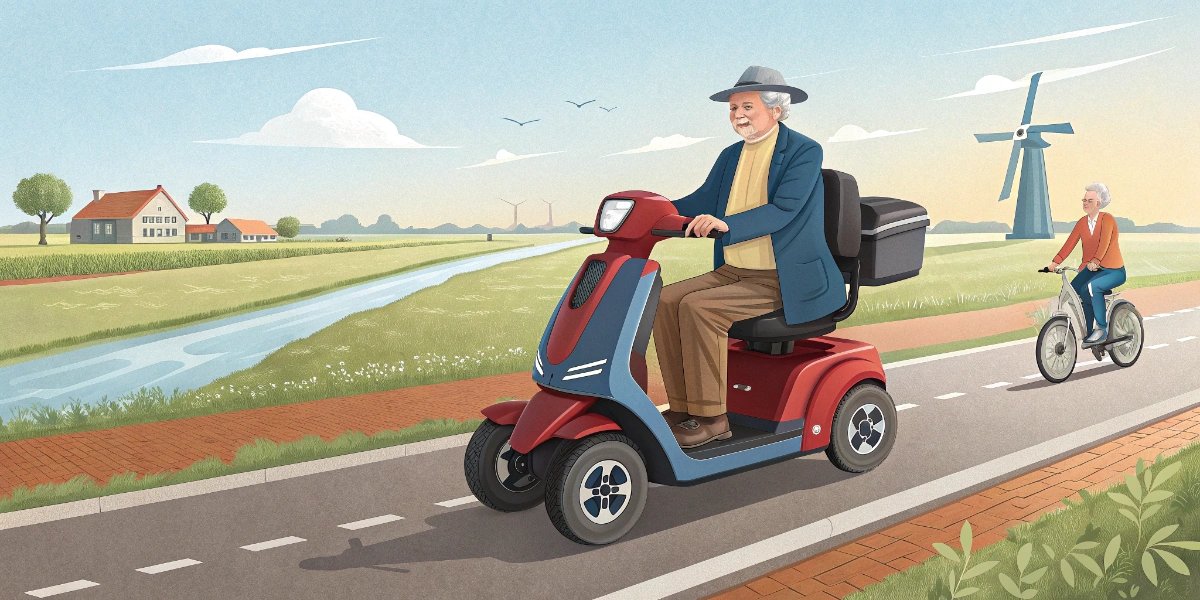
Dutch culture prioritizes collective efficiency over individual optimization. Bike infrastructure benefits everyone (less congestion, cleaner air, safer streets) even though it might inconvenience individual car drivers. Trains serve collective good even though they require public investment. This reflects Dutch consensus culture—willingness to compromise individual freedom for collective benefit when it makes everyone better off overall. The transportation system embodies this philosophy—designed to optimize for society rather than individuals.
Human-Scale Design
Dutch cities are designed at human scale—speeds that allow conversation, distances people can walk or bike, streets where children play safely. This reflects values around quality of life, community connection, and child development. High-speed vehicles work against human-scale cities—they require wide streets, create danger, and isolate people in metal boxes. Bikes maintain human scale—you see people's faces, call greetings, stop spontaneously for conversations. Cities designed for bikes are fundamentally more humane than cities designed for cars.
Long-Term Thinking
Dutch transportation choices reflect long-term thinking: investing in bike infrastructure that lasts decades, building rail networks serving generations, and prioritizing sustainability over short-term convenience. The 1970s bike infrastructure investments are still paying dividends 50 years later—healthier population, livable cities, sustainable transportation. This long-term orientation contrasts with short-term optimization and reflects confidence in planning for collective good across generations.
Lessons for Other Countries
Infrastructure Creates Behavior
The Dutch don't bike because they're Dutch—they bike because infrastructure makes it safe, convenient, and pleasant. In the 1960s, Dutch cycling rates were declining like everywhere else. Infrastructure investment reversed this. Build safe bike lanes, and people will bike regardless of culture. This is proven by cities worldwide adopting Dutch-style infrastructure (Copenhagen, Portland, Paris)—cycling rates increase wherever infrastructure improves. Behavior follows infrastructure, not culture.
Density Enables Options
Dense cities make bikes and trains viable—destinations are close enough to bike, populations support frequent transit. American suburban sprawl makes car alternatives difficult—destinations are too far to bike, populations too sparse for frequent transit. The Dutch lesson is that urban form determines transportation options. If you want transportation choice, build compact walkable cities. If you build sprawl, you're choosing car dependency regardless of intention.
Political Will Matters
The Netherlands succeeded because government made deliberate choices prioritizing bikes and transit over cars. This required political courage—reclaiming street space from cars, investing in infrastructure, and resisting backlash. Many cities want bike-friendly infrastructure but lack political will to prioritize bikes over car parking and traffic flow. Dutch success shows that political commitment can overcome opposition and deliver long-term benefits, but it requires sustained effort across decades.
Start Where You Are
The Netherlands wasn't always bike-friendly—it deliberately became bike-friendly through persistent effort. Other countries and cities can do the same, starting with small improvements: protected bike lanes on major streets, bike parking at transit stations, traffic calming in neighborhoods, and bike+transit integration. Progress compounds—small improvements attract new cyclists, creating political support for further investment. The Dutch model isn't unattainable; it just requires starting and persisting.
Discussion Questions for Parents and Kids
- Would you feel comfortable biking to school if there were protected bike lanes separating you from cars? Why or why not?
- How would your family's daily routine change if you didn't have a car and used cargo bikes and trains instead?
- Why do you think Dutch children start biking independently younger than American children? What would need to change for American kids to bike alone at age 6?
- Is Max Verstappen racing F1 cars contradictory to the Netherlands prioritizing bikes, or do they represent different contexts for different vehicles?
- What would your neighborhood need to change to make biking as convenient as driving? (Protected lanes? Bike parking? Traffic calming? Closer destinations?)
- Do you think cargo bikes could replace your family's car for most trips? What trips would still need a car?
Explore More Vehicle Cultures
This Netherlands exploration is part of our World Vehicles series covering 16+ countries. Each article reveals how geography, culture, and values shape transportation choices. Explore:
- USA - Yellow school buses, pickup trucks, car culture
- Germany - Autobahn engineering, public transit precision
- Japan - Bullet trains, kei cars, walking culture
- Scandinavia - Electric vehicles, winter adaptation
- Italy - Vespas, Ferraris, walking cities
- UK - Double-decker buses, black cabs
See complete overview at World Vehicles for Kids: Complete Guide.
App Connection: Learning Through Vehicles
In Talk & Listen, familiar vehicles help toddlers practice speech through things they already love. While the app doesn't have Dutch cargo bikes (yet!), exploring how bikes can be primary transportation—carrying families, delivering packages, and replacing cars—helps children understand that vehicles serve different purposes in different contexts. Learning vehicle names and sounds builds vocabulary while teaching that transportation choices reflect cultural values and practical needs.
When your child wants to play with these ideas, you can turn it into a quick game: let them try the free Vehicle Sound Quiz to guess real vehicle sounds, then open the Compare Vehicles tool to put two favorites side by side and talk about which one looks bigger, faster, or easier to spot where you live.
 Frequently Asked Questions
 Ad-free & offline ready