Why Middle Eastern Vehicles Are Built for Extremes
The Middle East has some of Earth's harshest conditions for vehicles: summer temperatures reaching 130°F (54°C), sand that infiltrates every mechanical part, roads that disappear into dunes, and vast distances with minimal infrastructure. Add zero humidity in deserts (which means no cooling from evaporation) and you have an engineering challenge.
What makes Middle Eastern vehicles fascinating is how they've been modified for survival. A standard SUV would overheat and get stuck in minutes. So vehicles get special cooling systems, sand tires, reinforced suspensions, and navigation equipment. Even simple features change—paint colors are lighter to reflect heat, interiors use heat-resistant materials, and engines are detuned to prevent overheating.
For kids, Middle Eastern vehicles show how humans engineer solutions for extreme environments. When nature is harsh, technology adapts. Let's explore eight vehicles that show how people move, work, and thrive in the desert.
1. Desert 4x4 (Sand-Ready Land Cruiser) - سيارة دفع رباعي صحراوية
The Toyota Land Cruiser dominates Middle Eastern deserts. But it's not a standard Land Cruiser—it's heavily modified for sand driving. These vehicles are so essential that families pass them down through generations, maintaining them like family heirlooms.
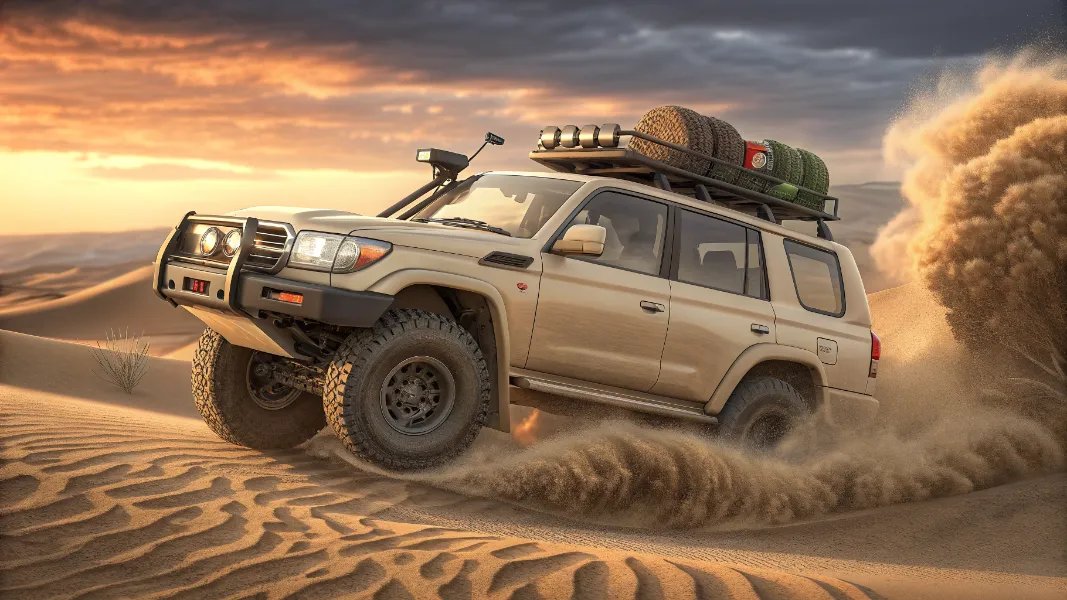
What makes it special: Desert 4x4s have raised suspensions, oversized sand tires, front and rear differential locks, and winches for self-recovery when stuck. Most importantly, drivers deflate tires to 15 PSI (pounds per square inch) before driving on sand—low pressure increases tire surface area, creating flotation rather than sinking.
Tire Pressure: Road vs Sand (PSI)
Cultural significance: Desert driving is both practical skill and cultural activity. Families spend weekends "dune bashing" (driving over sand dunes for recreation). It requires specific techniques: maintaining momentum, reading sand patterns, knowing when to reverse. Bedouin guides still navigate deserts without GPS, reading stars and landmarks.
Fun fact for kids: Desert drivers carry sand mats (metal or plastic planks) that go under wheels when stuck. They also carry extra water, food, satellite phones, and GPS—because breaking down 50 miles into the desert is life-threatening. Desert driving isn't just fun—it's serious survival skill.
Speech sounds: "Desert 4x4" has the /d/ and /z/ sounds (voiced consonants), plus the number "four" repeated. The compound "four-by-four" teaches multiplication concepts through vehicle description (four-wheel drive with four wheels powered).
If your child is curious about 4x4 trucks in general, you can also visit the 4x4 vehicle page and point out how desert 4x4s are similar to and different from other off-road vehicles.
2. Pickup Truck (Modified Toyota Hilux) - شاحنة بيك أب
The Toyota Hilux pickup truck is the Middle East's most versatile vehicle. It hauls cargo, carries workers to construction sites, serves as mobile workshops, and gets modified for everything from dune bashing to desert racing.
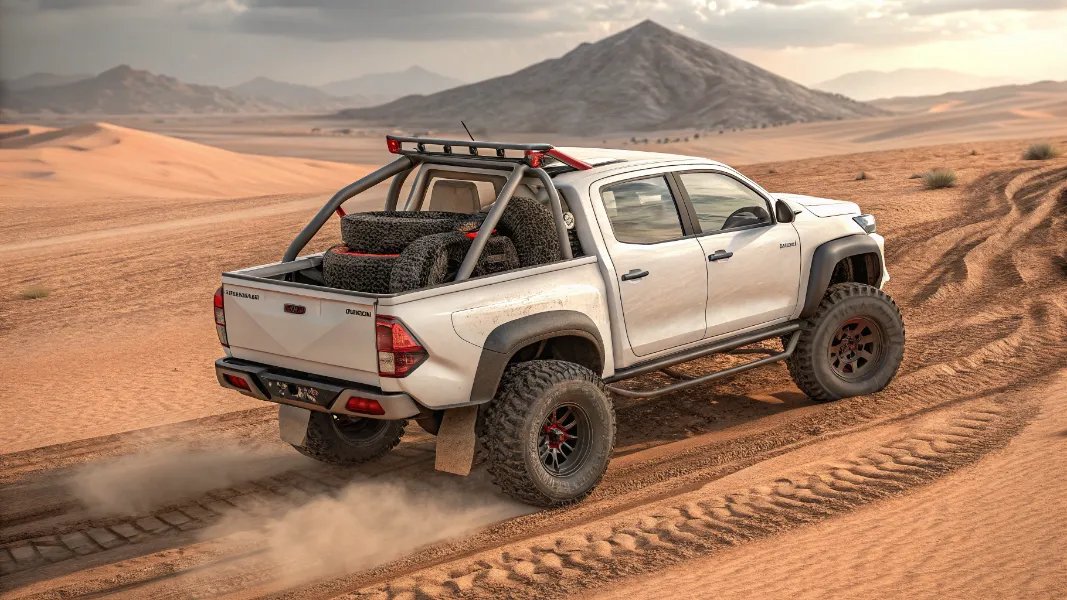
What makes it special: Middle Eastern Hilux trucks are legendary for durability. They handle extreme heat, sand, overloading, and minimal maintenance. Many have been running for 20+ years in conditions that would destroy other vehicles. Modifications include raised suspensions, roll cages, racing seats, and massive tires.
Cultural significance: Pickup trucks represent work ethic and self-reliance. Construction workers, farmers, traders, and adventurers all depend on them. The truck bed carries everything—building materials, livestock, furniture, entire families during camping trips. It's the Swiss Army knife of vehicles.
Fun fact for kids: "Hilux" trucks became famous for being nearly indestructible. A British TV show tried to destroy one by crashing it, burning it, dropping it from a crane, and submerging it in ocean water. The truck still ran! That episode made Hilux legendary worldwide.
Speech sounds: "Pickup truck" has the /p/, /k/, and /tr/ sounds—voiceless consonants and the challenging /tr/ consonant blend. Perfect for practicing these common but later-developing sounds.
To connect this to a simple pickup overview, you can open the pickup truck vehicle page and compare Middle Eastern pickups with the ones you see in your own area.
3. Water Tanker Truck - Desert Lifeline - شاحنة صهريج ماء
Water tankers are essential in regions with limited pipelines. These massive trucks carry 5,000-10,000 gallons of water, delivering to construction sites, remote farms, and communities not connected to water systems.
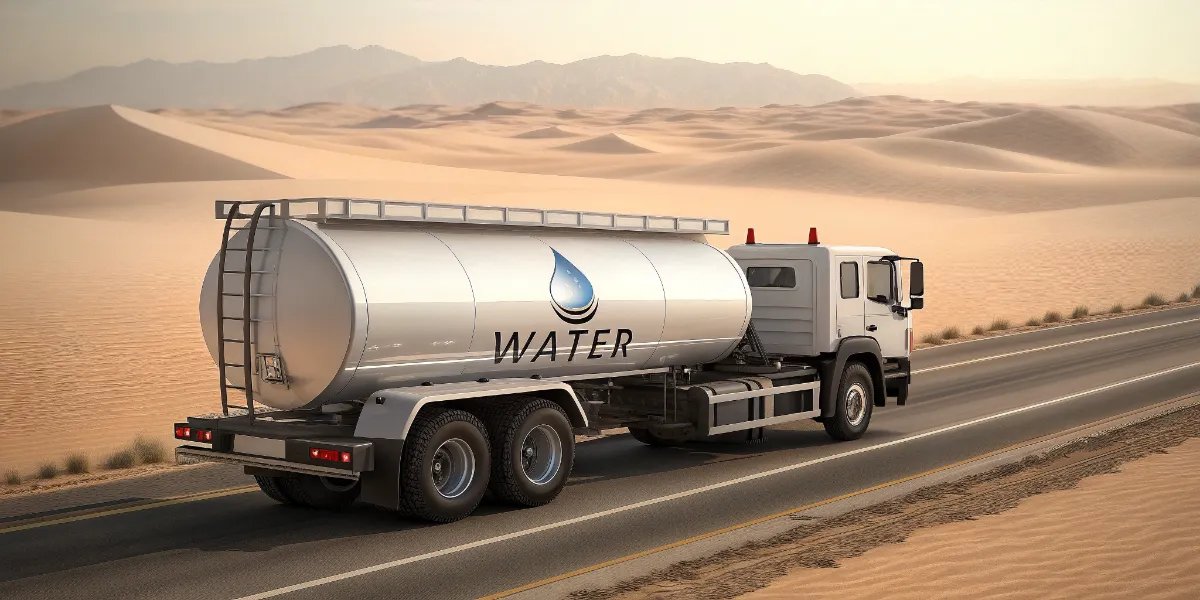
What makes it special: Water tankers have insulated tanks to keep water cool (hot water can't be used for some purposes). They navigate rough desert tracks to reach remote locations. Some are equipped with GPS tracking and quality monitoring systems. In extreme heat, water delivery timing matters—deliveries happen early morning or evening to avoid midday heat.
Cultural significance: Water tankers represent infrastructure adaptation. In rapidly developing desert cities, buildings go up faster than water pipelines can be laid. Tankers fill the gap. They also serve farms where underground water (from aquifers) gets pumped and distributed. Water is precious—tankers symbolize its value.
Fun fact for kids: Some water tankers in Gulf countries are painted with conservation messages—reminding people that water is scarce. Desalination plants (which turn seawater into drinking water) fill many tankers, but the process is expensive and energy-intensive.
Speech sounds: "Water tanker" has the /w/ and /t/ sounds with the challenging /nk/ consonant cluster in "tanker." The /w/ sound (a labio-velar approximant) is interesting—lips round while the back of tongue rises.
4. Ice Cream Truck - Extreme Refrigeration Challenge - شاحنة آيس كريم
Ice cream trucks in the Middle East face a unique challenge: keeping ice cream frozen while ambient temperatures reach 120°F (49°C). These aren't standard ice cream trucks—they're mobile deep freezers with extreme insulation and cooling systems.
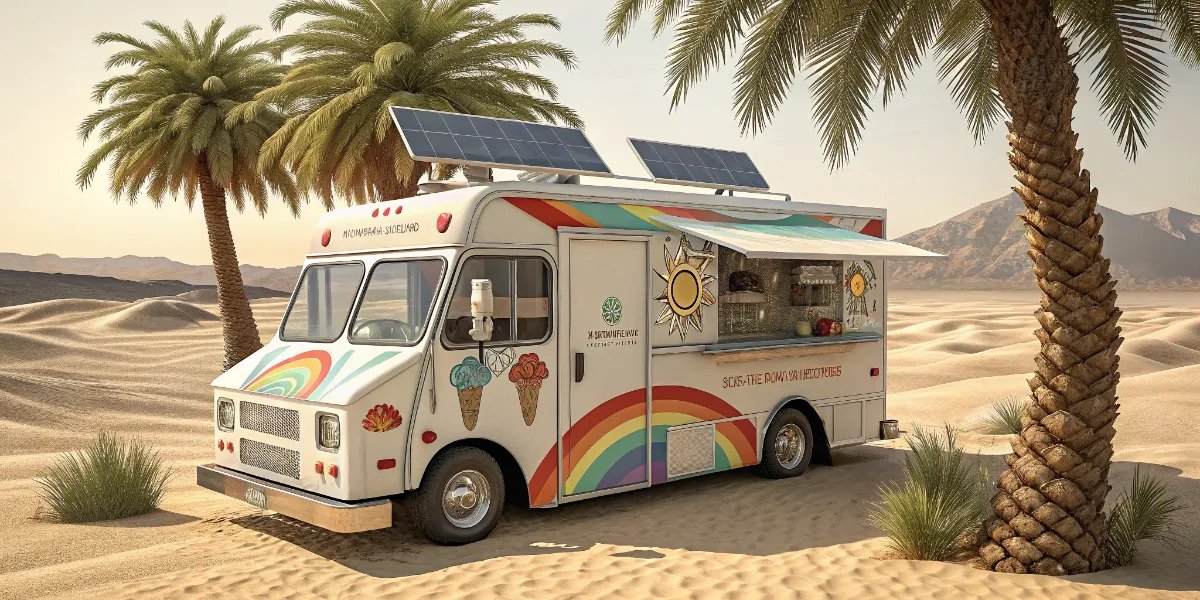
What makes it special: Middle Eastern ice cream trucks have industrial-grade refrigeration units, solar panels to supplement power, and insulation 3-4 times thicker than standard trucks. They park in shaded areas when stopped. Many use dry ice as backup cooling. The refrigeration systems run on dual power (engine and battery) to maintain temperature during stops.
Cultural significance: Ice cream trucks represent comfort in extreme heat. When temperatures soar, ice cream provides relief. Trucks visit neighborhoods playing music (like in other countries), but they also serve construction sites, parks, and beach areas. Ice cream culture is strong despite—or because of—the heat.
Fun fact for kids: Arabic ice cream (booza) is special—it's stretchy! It contains mastic (tree sap) and salep (orchid root powder), which prevent melting in heat. Traditional ice cream makers pound the mixture with large wooden paddles to create elasticity. Some ice cream trucks sell this unique stretchy ice cream.
Speech sounds: "Ice cream truck" has the vowel glide /aɪ/ in "ice" and the /kr/ consonant blend in "cream"—challenging sounds that develop later. The /tr/ blend in "truck" provides more practice opportunity.
For a simple, kid-friendly view of this vehicle type, you can also visit the ice cream truck vehicle page and talk about how ice cream trucks work in your own town.
5. Construction Dump Truck - Building Desert Cities - شاحنة قلّاب للبناء
Middle Eastern cities are growing rapidly, requiring constant construction. Massive dump trucks carry sand, gravel, and construction materials across desert building sites, often working in extreme heat that would shut down construction elsewhere.
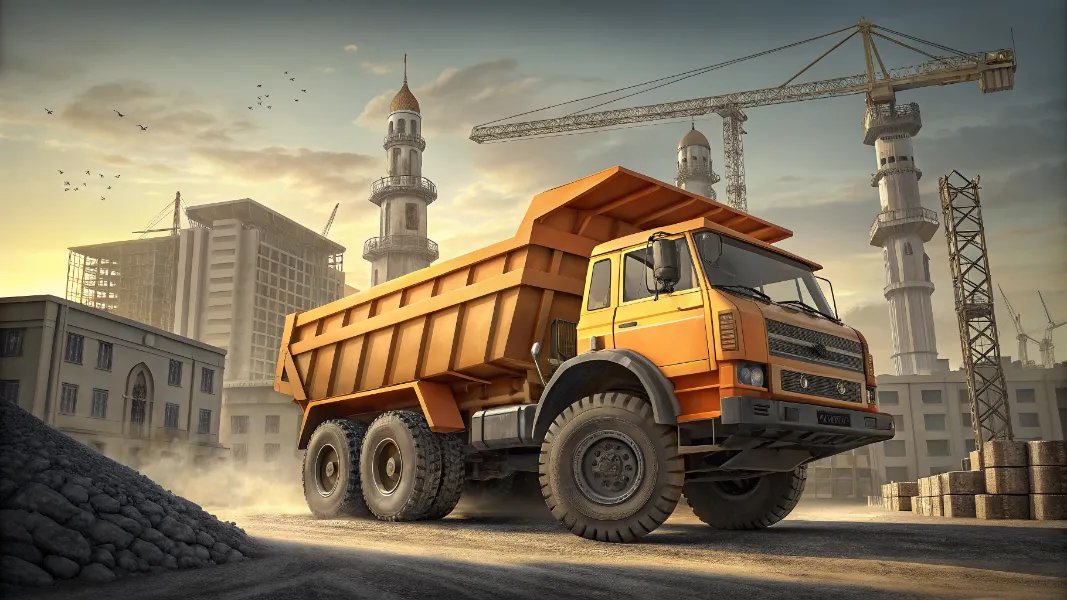
What makes it special: Construction trucks in the Middle East have enhanced cooling systems (engines overheat quickly in 120°F heat), air-conditioned cabs (driver safety), and sand filters on air intakes. They work night shifts during summer—construction happens 8 PM to 6 AM when temperatures "cool" to 95°F. Headlights and site lighting enable this night work.
Cultural significance: Dump trucks symbolize rapid urban development. Dubai, Doha, and Riyadh have transformed from small towns to megacities in 50 years. The trucks hauling materials represent ambition and economic transformation. Many construction workers come from South Asia, operating these vehicles in harsh conditions.
Fun fact for kids: Some construction sites spray water constantly to keep dust down—but the water evaporates within minutes in extreme heat! Dust control is a major challenge. Trucks are washed frequently because sand damages engines and reduces visibility.
Speech sounds: "Dump truck" has the /d/ and /t/ sounds (voiced and voiceless stops) plus the /tr/ consonant blend. The short, punchy words are satisfying to say—great for early consonant practice.
If your child loves dump trucks, you can open the dump truck vehicle page and compare construction trucks in desert cities with ones at home.
6. Metro Train (Dubai/Doha Driverless Systems) - قطار مترو آلي
Dubai and Doha operate fully automated, driverless metro trains—among the most advanced in the world. These air-conditioned systems provide relief from desert heat while moving millions of passengers efficiently through sprawling cities.
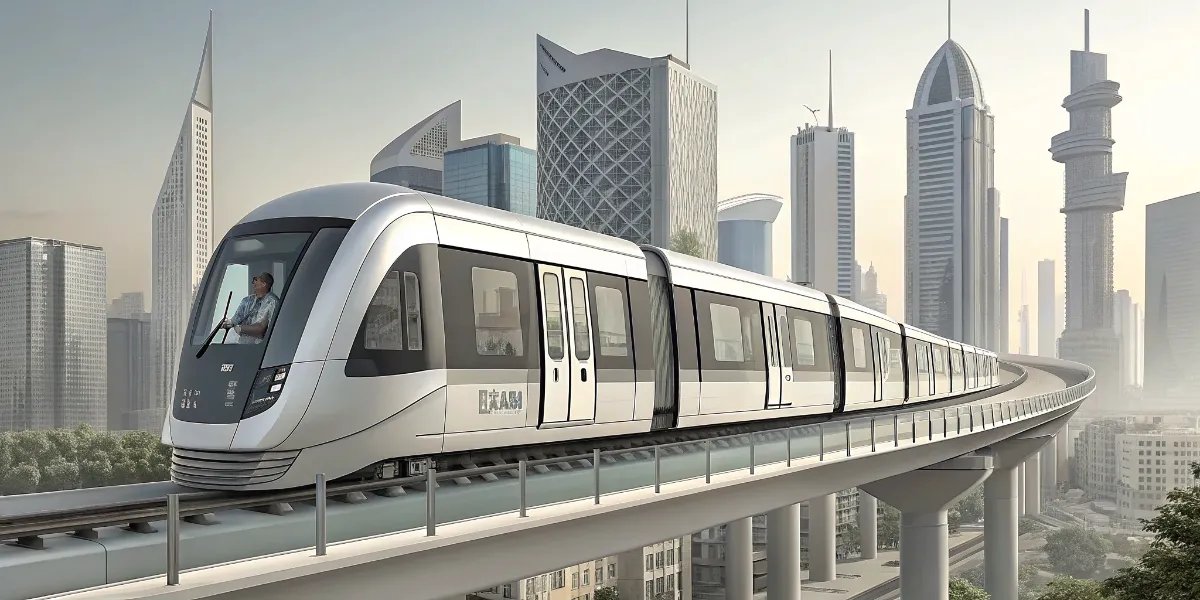
What makes it special: Gulf metro systems run in extreme heat—track temperatures can reach 160°F (71°C). Trains have extra cooling, tracks have expansion joints to handle heat expansion, and stations are climate-controlled bubbles. The Dubai Metro is driverless—computers control acceleration, braking, and door operation. You can sit at the very front and watch the city through the windshield!
Cultural significance: Metro systems represent modernization and environmental awareness. In cities built around cars (Dubai has some of world's widest highways), metros encourage public transit. They also showcase Gulf states' embrace of cutting-edge technology—automated systems, biometric payment, smartphone integration.
Fun fact for kids: The Dubai Metro's Gold Class cars have leather seats, reduced passenger numbers, and quieter cabins—premium train travel! Some stations are underground (escaping heat), others elevated (providing city views). The trains are so automated that doors won't open if you're too close to them—sensors detect people and wait.
Speech sounds: "Metro train" has the /m/, /t/, and /r/ sounds with the long /e/ vowel (as in "meet"). The /tr/ consonant blend appears again—excellent reinforcement for this challenging sound cluster.
7. Fuel Tanker Truck - Moving Liquid Gold - شاحنة صهريج وقود
Oil-rich Middle Eastern countries transport massive amounts of fuel via tanker trucks. These vehicles move gasoline, diesel, and other petroleum products from refineries to gas stations and airports, carrying flammable cargo in extreme heat.
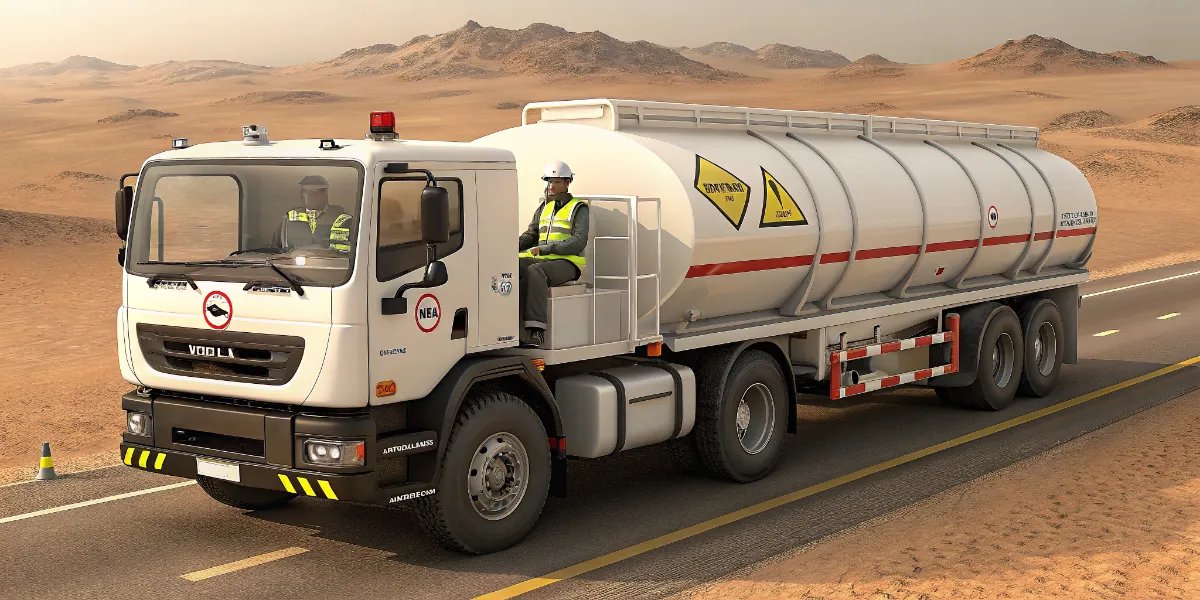
What makes it special: Fuel tankers have extensive safety features—explosion-proof construction, multiple compartments (preventing liquid surge), emergency shut-off valves, and fire suppression systems. They're painted reflective white to minimize heat absorption. Drivers undergo special training because fuel vapor expands in heat, increasing explosion risk.
Cultural significance: Fuel tankers represent the oil industry that transformed Middle Eastern economies. The region produces 30% of world's oil—these tankers are part of the supply chain. Despite being oil-rich, countries still need careful fuel distribution. Tankers also face security concerns in politically unstable regions.
Fun fact for kids: Fuel tanker drivers in Saudi Arabia sometimes drive at night during summer to avoid extreme heat. Daytime temperatures inside an un-air-conditioned metal tank would be dangerous. Night driving also reduces fire risk from heat.
Speech sounds: "Fuel tanker" has the /f/ and /nk/ sounds—the /f/ is a labio-dental fricative (top teeth on bottom lip) and /nk/ is a challenging consonant cluster combining nasal and velar sounds.
8. Desert Rally Race Car - Sport in Extreme Conditions - سيارة رالي صحراوية
Desert rally racing is a major sport in the Middle East. Modified race cars compete in events like the Dakar Rally (which now runs through Saudi Arabia), pushing vehicles to absolute limits in sand, rocks, and extreme heat.
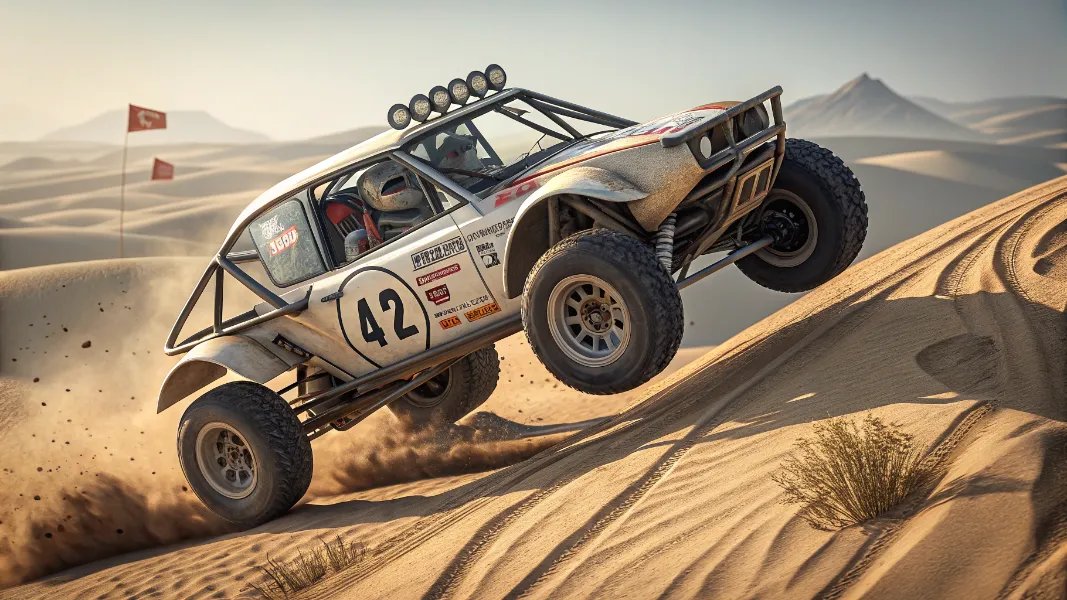
What makes it special: Rally race cars are essentially race cars with massive suspensions, roll cages, GPS navigation systems, and desert survival gear. They cost hundreds of thousands of dollars and represent ultimate vehicle modification. Engines are tuned for reliability over pure speed—finishing the race matters more than going fastest.
Cultural significance: Desert racing celebrates Bedouin heritage of desert navigation while showcasing modern engineering. Saudi Arabia hosting the Dakar Rally (starting 2020) demonstrates regional sports development. Racing also drives automotive innovation—technologies developed for rally cars eventually appear in consumer vehicles.
Fun fact for kids: Rally cars have two people inside—a driver AND a navigator! The navigator reads directions, warns about obstacles, and helps with navigation. They wear helmets, racing suits, and are strapped into racing harnesses because the car jumps over dunes at high speed!
Speech sounds: "Race car" is a palindrome-ish compound—"race" and "car" mirror each other phonetically. The hard /k/ sound appears twice. Short, punchy, and fun to say—perfect for young kids practicing consonants.
To connect this to a simple vehicle detail page, you can also look at the rally car vehicle page and notice how race cars are modified for sand and rough ground.
Learning Opportunities Through Middle Eastern Vehicles
Geography Lessons
Middle Eastern vehicles teach geography through extreme adaptation. Why deflate tires for sand? Because sand requires different physics than pavement—increased surface area prevents sinking. Why such massive cooling systems? Because ambient temperatures reach 130°F. Why water tankers? Because desert regions have limited rainfall—sometimes zero precipitation for years.
Your child learns that extreme environments require extreme engineering. The Middle East's climate (hot deserts, limited water, vast distances) shaped vehicle evolution. Geography determines what works.
Cultural Awareness
Every Middle Eastern vehicle reveals cultural values and challenges:
- Adaptation - Vehicles are modified extensively for survival in extreme conditions
- Resource management - Water tankers show how precious water is in desert climates
- Modernization - Driverless metro trains showcase embrace of advanced technology
- Heritage - Desert driving connects to Bedouin traditions of desert navigation
- Resilience - Vehicles work in conditions that would shut down operations elsewhere
These aren't just vehicles—they're survival tools adapted for one of Earth's harshest environments. Your child learns that humans can thrive anywhere with clever engineering.
Vocabulary Building
Middle Eastern vehicle vocabulary introduces technical and geographical terms:
- Desert 4x4 - Technical term (four-wheel drive) becomes everyday language
- Dune bashing - Regional slang for recreational desert driving
- Water tanker - Compound word describing function and cargo
- Wadi - Arabic word for dry riverbed (geographical feature affecting routes)
In Talk & Listen, I include desert vehicle sounds—the rumble of 4x4s on sand, the distinctive sound of deflated tires, and the satisfying crunch of sand under wheels. These unique sounds connect to extreme environments.
App Connections
Talk & Listen: Practice desert vehicle sounds—the distinctive rumble of 4x4s navigating sand, the different engine notes between pavement and desert driving. Learn vocabulary through environmental context: "desert," "sand," "dunes," "hot."
Create & Play: Kids can design their own desert rally race cars with custom colors and numbers, create sand dune courses, or plan water delivery routes for tanker trucks. Middle Eastern vehicles inspire problem-solving: how would YOU modify a vehicle for extreme heat?
Activity Ideas
Want something to print alongside these? The free printables library has vehicle coloring pages and activity packs — no email required.
- Desert survival kit: What would you pack in a 4x4 for desert driving?
- Tire pressure experiment: Compare how toy cars roll on different surfaces—smooth vs. sand
- Water conservation: Track your family's water use and imagine living where water comes by truck
- Temperature challenge: How would you keep ice cream cold when it's 120°F outside?
- Navigation practice: Use a map to plan rally race routes around "dunes" (pillows)
- Engineering modifications: How would YOU modify a regular car for desert conditions?
- Compare vehicles: Desert 4x4 vs. safari vehicle vs. regular SUV—what's different?
Why Middle Eastern Vehicles Showcase Engineering
When my toddler asked how trucks don't get stuck in sand, I talked about tire pressure and surface area—concepts that led to discussions about physics, adaptation, and problem-solving. Middle Eastern vehicles demonstrate that engineering responds to environment.
Desert vehicles show that "standard" doesn't exist—what works in Tokyo fails in Dubai. Cooling systems, tire types, materials, paint colors, even driving techniques must adapt. When humans encounter extremes, innovation follows. Middle Eastern vehicles aren't just modified—they're reimagined for conditions that push machines to their limits.
Kids appreciate this ingenuity. They learn that constraints drive creativity. You can't change the desert—so you change the vehicle. Understanding this builds problem-solving skills: when faced with challenges, how do you adapt?
Compare Middle Eastern Vehicles With Other Countries
If your child is fascinated by desert 4x4s and water tankers, you can compare them with vehicles from other regions. Try Vehicles of Africa for safari vehicles and bush taxis, Vehicles of India for decorated trucks and camel carts, or Vehicles of Japan for bullet trains and tiny city cars. Comparing regions helps kids see how desert engineering differs from mountain, city, or savanna solutions.
Explore More World Vehicles
This is the fifth in our World Vehicles series. Already published: Vehicles of Japan (bullet trains and kei cars), Vehicles of India (auto rickshaws and decorated trucks), Vehicles of the UK (double-decker buses and black cabs), and Vehicles of Africa (safari vehicles and matatus). Coming soon: vehicles of Australia (road trains and utes) and Scandinavia (snowplows and ice road trucks).
Want to explore Middle Eastern vehicles interactively? Talk & Listen includes desert vehicle sounds adapted for extreme conditions. In Create & Play, kids can design their own vehicles inspired by Middle Eastern engineering—from rally race cars to ice cream trucks with extreme refrigeration.
 Frequently Asked Questions
 Ad-free & offline ready