Why Mexican Vehicles Surprise Americans
Ask an American what vehicles dominate Mexico and they might guess old cars, donkey carts, or maybe VW Beetles from movies. The reality often surprises: modern pickup trucks and shared automotive platforms are everywhere. That reflects North American trade and manufacturing integration more than stereotypes.
But Mexico's vehicle landscape extends far beyond trucks. Pesero minibuses provide informal transit that formal systems can't match. Three-wheeled elote carts sell street corn from mobile businesses. Colorful painted trucks turn commercial vehicles into folk art. Traffic often operates by informal rules where assertive driving and frequent honking are communication, not always rudeness. Mexican vehicles reveal a culture that's simultaneously an American neighbor (shared manufacturing, similar trucks) and distinctly Mexican (vibrant colors, informal systems, street vendor ingenuity).
These eight vehicles show Mexico's position: integrated into the North American economy yet maintaining strong cultural identity. From border-crossing commercial trucks moving massive volumes of trade to neighborhood elote vendors on tricycles, Mexican vehicles illustrate how economy and culture navigate between external influences and local traditions.
What vehicles are common in Mexico?
Mexico surprises Americans: pickup trucks (Ford F-150, Chevrolet Silverado) are most popular vehicles, reflecting NAFTA-integrated manufacturing and shared North American markets. But Mexico also has pesero minibuses (informal shared transit), VW Beetle taxis (iconic green-and-white vochos), elote carts (three-wheeled street vendors), and colorfully painted delivery trucks. Mexican vehicles show both North American integration and distinct informal economy.
1. Ford F-150 Pickup Truck - American Twin
What It Is
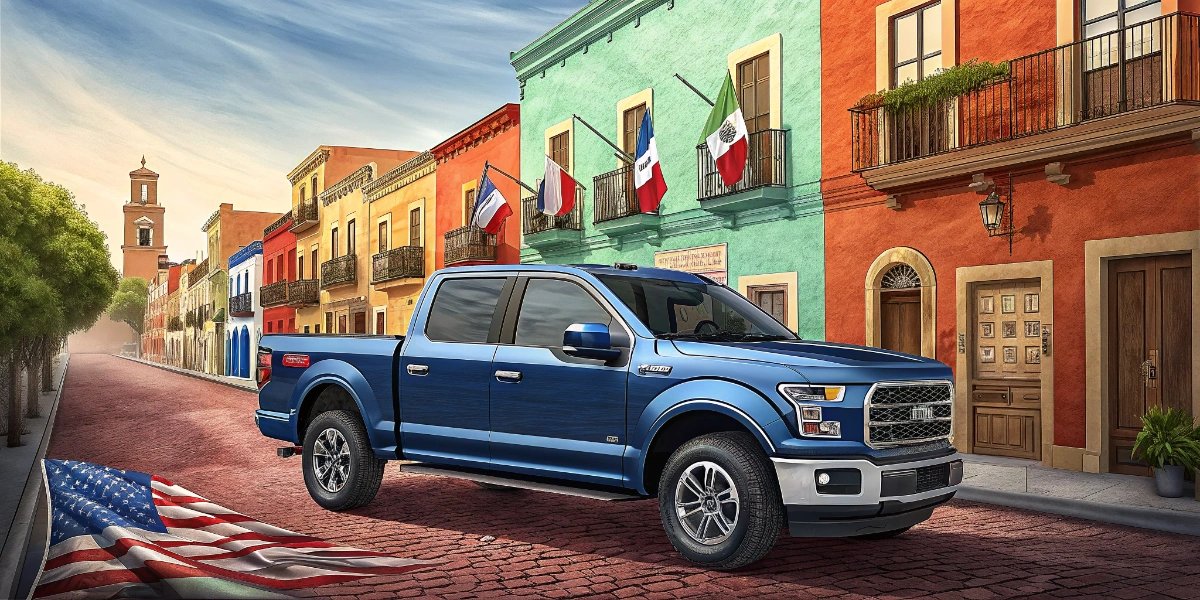
The Ford F-150 and similar full-size pickups are among Mexico's most popular vehicles — mirroring truck culture in the United States. These trucks are used for hauling cargo, towing, family transport, and small business work. Many trucks sold in Mexico share platforms and parts with those sold in the US and Canada, reflecting a shared market.
Why It Matters
Automotive integration: Popular pickup trucks in Mexico demonstrate how deeply integrated the North American automotive industry is. Factories in Mexico, the United States, and Canada share parts supply chains; components and finished vehicles can cross borders multiple times before reaching drivers.
Pickup truck culture across borders: Many Mexican families and businesses love pickups for the same reasons Americans do — they haul tools, crops, construction materials, and merchandise while also serving as everyday family vehicles. The open bed is especially valuable in an economy where small business owners often transport goods themselves.
Economic signal: Full-size pickups tend to be more expensive than subcompact cars. When more families and businesses can afford them, it's a sign of growing middle-class income and expanding small businesses. When sales slow, it can reflect economic stress.
Cultural Significance
Pickup dominance reveals how Mexico shares some cultural patterns with its northern neighbors. Mexicans aren't simply copying US trends; they're participating in a single integrated market where similar needs and shared supply chains lead to similar vehicle choices. The same trucks appear on both sides of the border, but they live in different cultural contexts — painted, customized, and used differently.
Fun Facts
- Many popular pickups sold in Mexico share engines and frames with US-market models.
- Aftermarket lift kits, wheels, and accessories are just as popular in Mexico as in the US.
- Family-owned construction and farming businesses often treat pickups as both work trucks and family cars.
- Some rural areas rely on pickups as informal shared taxis, carrying multiple passengers in the bed.
Teaching Moment
Popular pickups in Mexico are a great way to explain to kids how trade and manufacturing link countries. Families can talk about where vehicles are assembled, where parts are made, and how the same model can serve similar roles in different cultures.
2. Pesero Minibus - Informal Transit System
What It Is
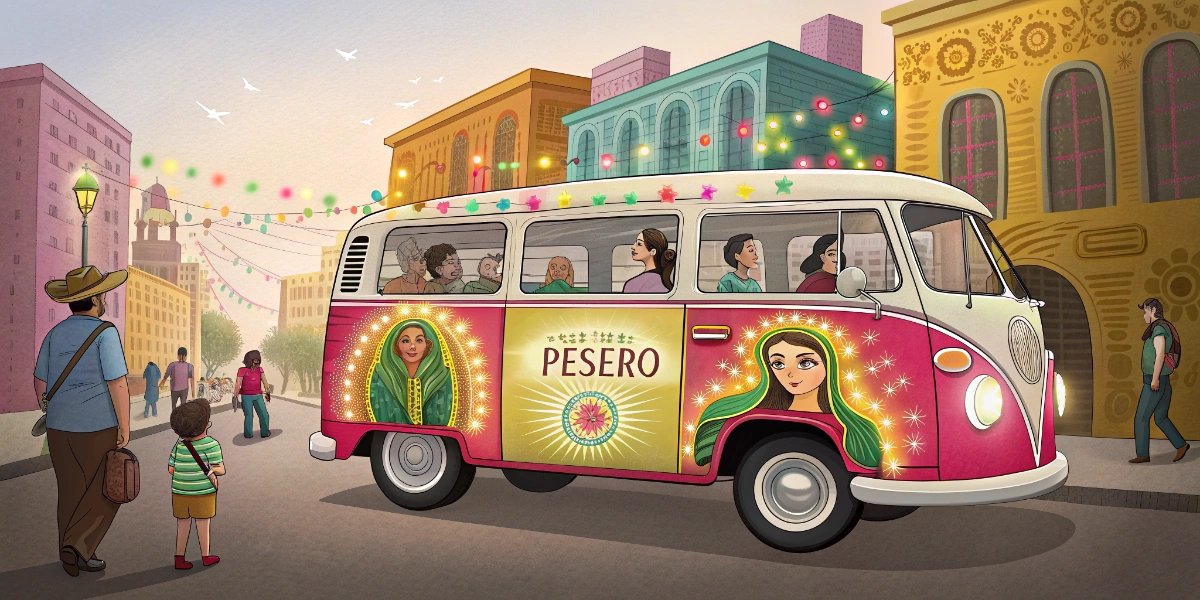
Peseros are privately owned minibuses (often older vans or small buses) providing informal public transit. Drivers own their vehicles, follow semi-regular routes, and pick up or drop off passengers almost anywhere along the way. Riders pay their fares directly to the driver, often in cash. Many peseros are decorated with religious icons, family photos, colorful lights, and other personal touches.
Why It Matters
Informal economy solution: Peseros fill gaps that formal transit can't easily cover. Government buses run fixed routes on strict schedules; peseros can adapt to demand, reaching neighborhoods and times of day that formal systems might skip. This flexibility is especially important in low-income areas.
Who Fits Where? (Capacity)
Trade-offs of flexibility: The same informality that makes peseros flexible also creates problems. Drivers sometimes compete aggressively for passengers, stop abruptly, or crowd streets. Safety and maintenance standards can vary. Peseros work, but they also add complexity and stress to city traffic.
Entrepreneurship on wheels: Many pesero drivers are small business owners. Buying a van and operating a route becomes a family livelihood. That entrepreneurial aspect matters in an economy where formal jobs may not meet everyone's needs.
Cultural Significance
Peseros embody Mexican pragmatism: imperfect systems that still manage to work. They are deeply woven into urban life, and efforts to fully replace them with formal buses often meet resistance from both drivers and riders who value flexibility and familiarity.
Fun Facts
- The name "pesero" comes from earlier eras when a ride famously cost one peso.
- Some drivers build loyal followings — regular passengers prefer specific vehicles and routes.
- Decorations often include religious images, sports team logos, and humorous slogans.
- Some cities have experimented with formalizing pesero routes while keeping private operators.
Teaching Moment
Peseros help kids understand informal economies and entrepreneurship. Families can talk about why people create their own transit services and what trade-offs exist between flexibility and regulation.
3. VW Beetle Taxi (Vocho) - Iconic Until 2012
What It Is
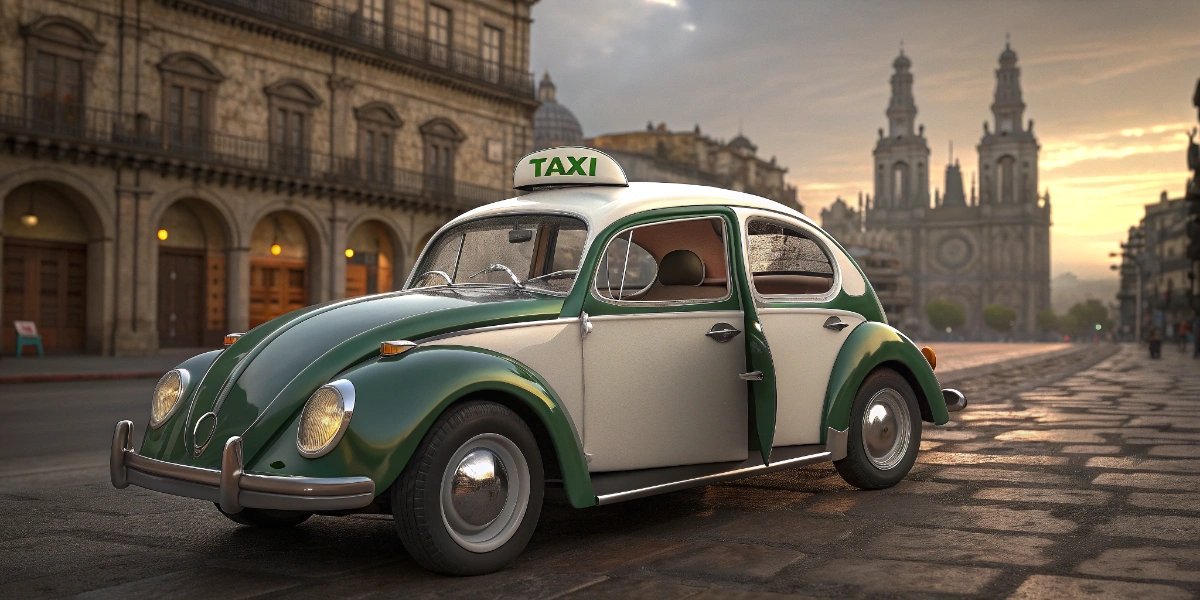
For many years, the classic Volkswagen Beetle served as one of Mexico City's most recognizable taxis. Many had the front passenger seat removed to make room for passengers to enter from the curb side. Painted in distinctive green-and-white schemes, these "vochos" (a Mexican nickname for Beetles) became visual shorthand for the city.
Why It Matters
Nostalgia and identity: Vochos weren't just work vehicles; they were part of Mexico City's identity. Tourists photographed them, locals shared stories about memorable taxi rides, and films used them to signal "you are in Mexico City" with a single shot.
Practical design: Small size, simple mechanics, and air-cooled engines made Beetles well-suited to dense traffic and steep streets. Removing the front passenger seat made it easier for riders to jump in and out quickly.
End of an era: As safety standards evolved, regulations slowly phased vochos out of official taxi service. Newer four-door sedans with more safety features replaced them. The change improved comfort and safety but also removed a beloved symbol from daily life.
Cultural Significance
Vochos show how a foreign-designed vehicle can become part of Mexican identity. Even though the Beetle started life as a German car, decades of local use, adaptation, and storytelling made it feel "Mexican" to many residents.
Fun Facts
- Mexico was one of the last places in the world to produce classic Beetles for sale.
- Some former vocho taxis now appear in car collections, museums, and photo books.
- Artists and designers still use vocho shapes in posters, toys, and souvenirs.
- In smaller towns, you can still find Beetles serving as informal taxis or family cars.
Teaching Moment
Vochos are a good starting point for talking about how design, nostalgia, and regulation interact. Parents can ask whether it's worth giving up a beloved icon to gain safety and comfort.
4. Elote Cart (Three-Wheeled Tricycle) - Street Food Mobile
What It Is
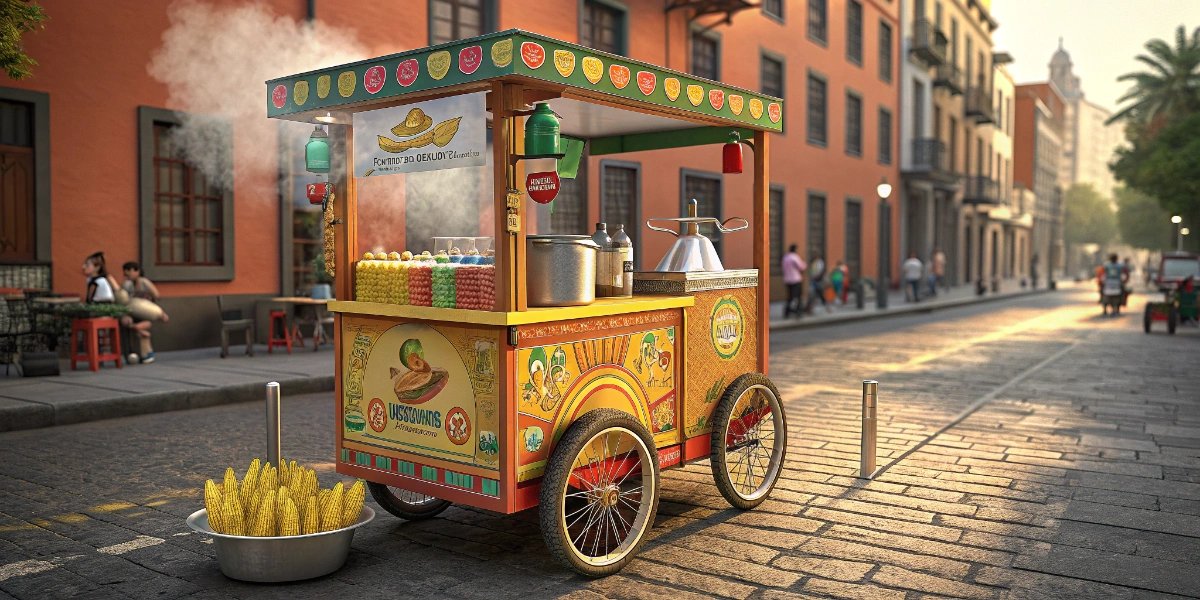
Elote carts are three-wheeled cargo tricycles used to sell street corn (elote). The front wheel steers while the rider pedals; a large cargo box over the rear wheels holds a steamer pot, bowls, toppings, and supplies. Vendors park on busy corners, ring bells, and serve corn with butter, mayonnaise, cheese, chili, and lime.
Why It Matters
Micro-entrepreneurship: Elote carts allow people to start businesses with much lower investment than a shop or motor vehicle. A cart, some equipment, and ingredients create a complete mobile business that can move to where customers are.
Cultural food tradition: Corn has been central to Mesoamerican cultures for thousands of years. Modern elote carts continue that tradition in an updated form — ancient staple, contemporary street setting.
Urban planning tension: While loved by many, street carts can block sidewalks or compete for crowded corners. Cities sometimes crack down on unlicensed vendors, leading to debates about who owns public space and how to balance order with opportunity.
Cultural Significance
Elote carts represent the warmth and informality of Mexican street life. Buying corn from a vendor is as much social interaction as transaction. The vehicles themselves — simple tricycles — show how basic technology can support rich cultural experiences.
Fun Facts
- Some elote vendors also sell esquites — cups of corn kernels with similar toppings.
- Many carts have hand-painted signs and decorations unique to each vendor.
- The sound of bells and vendors' calls becomes part of neighborhood soundscapes.
- Tricycles are easier to maintain and repair locally than motor scooters or trucks.
Teaching Moment
Elote carts help kids see how simple tools can create real businesses. Parents can talk about profit, costs (corn, fuel, time), and how many ears a vendor must sell to cover expenses.
5. Painted Delivery Truck - Folk Art on Wheels
What It Is
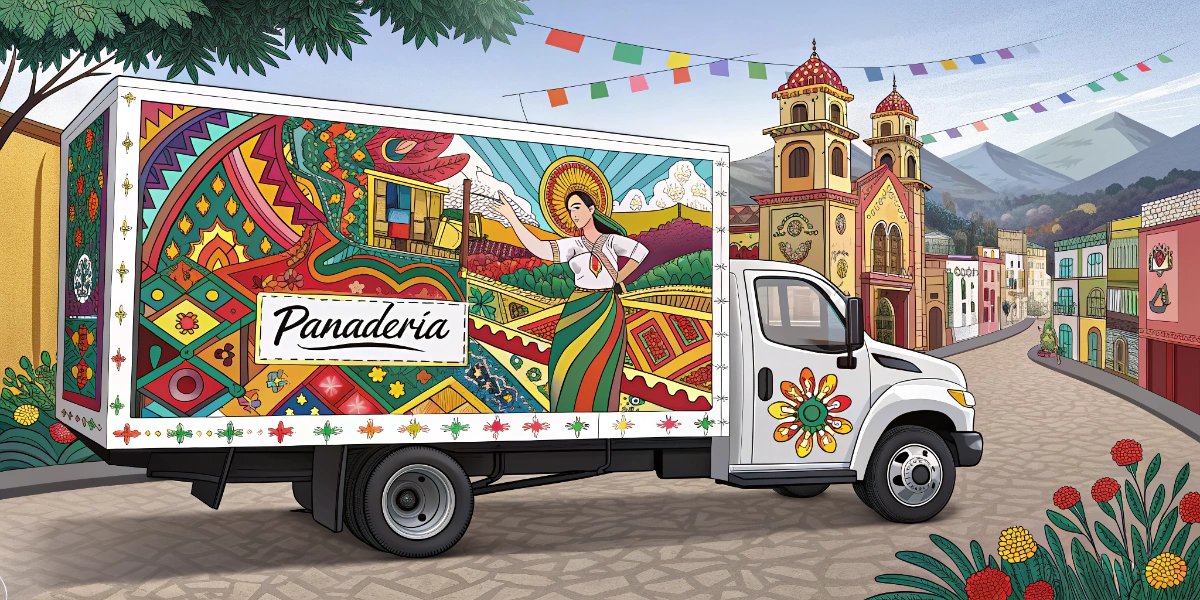
Many Mexican delivery trucks and box trucks are painted with vibrant murals — religious scenes, landscapes, portraits, geometric patterns, or business advertisements. Truck owners often hire local artists to transform plain vehicles into rolling artwork.
Why It Matters
Folk art on modern objects: Traditional Mexican art styles show up on trucks, buses, and vans, not just on pottery and textiles. This keeps folk art alive in daily life instead of confining it to museums.
Business identity: Painted trucks work as advertising. A colorful image of bread on a bakery truck or fruit on a produce truck communicates instantly, even if someone can't read the text. Visual branding matters in busy streets.
Owner pride: Investing in custom paint shows pride in work and vehicle. The truck becomes part of the owner's public identity.
Cultural Significance
Painted trucks demonstrate a preference for beauty and expression in everyday objects. Functionality matters — the truck still works — but it's not the only goal. This stands in contrast to more minimalist design cultures where plain white vans dominate.
Fun Facts
- Some truck painters develop recognizable styles and repeat clients.
- Painted trucks can be local landmarks — people give directions using them as reference points.
- Complex murals may take days to complete and require careful planning.
- Many trucks combine business logos with personal images like saints or family scenes.
Teaching Moment
Painted trucks are a vivid example of how culture and commerce mix. Children can compare plain delivery vehicles in their own city with Mexican examples and discuss why people might choose different styles.
6. Commercial Truck (Border Crossing) - Trade on Wheels
What It Is
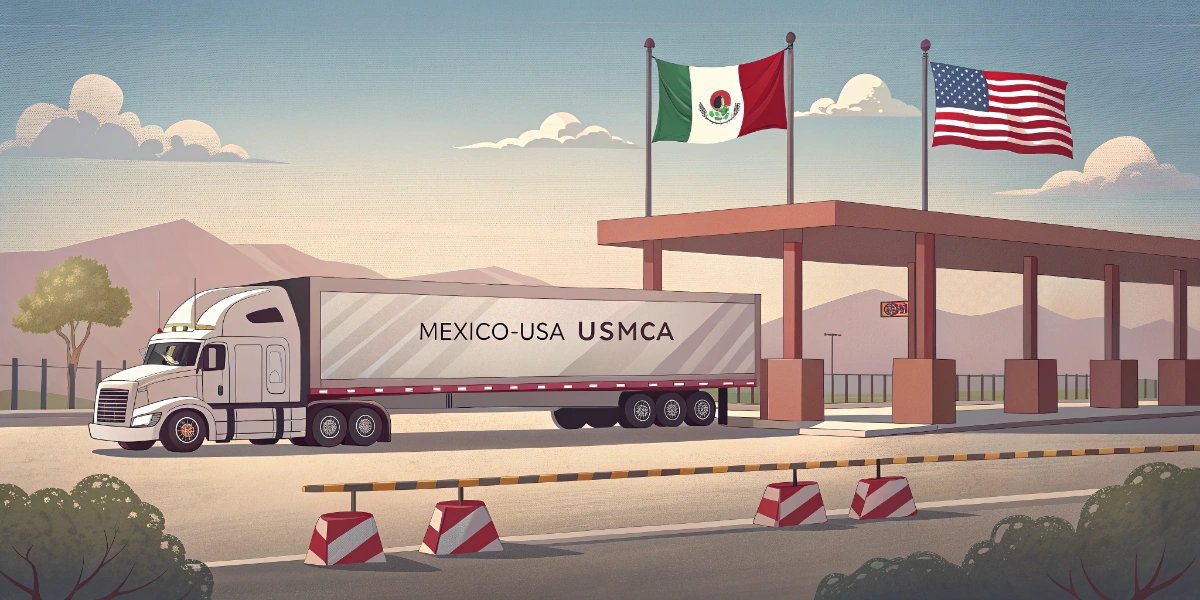
Semi-trucks crossing the US-Mexico border carry huge volumes of trade — auto parts, electronics, produce, and consumer goods moving in both directions. Major crossings like Laredo, Tijuana, and El Paso-Juarez see thousands of trucks daily.
Why It Matters
Integration made visible: Border-crossing trucks make economic integration visible. When kids see a line of trucks at a border, they're seeing free trade agreements and supply chains in action.
Infrastructure strain: So many trucks crossing daily put pressure on border infrastructure. Long waits, inspection processes, and security concerns all affect how smoothly trade flows.
Driver livelihoods: Thousands of drivers earn their living hauling goods across or near the border. Their work connects farms, factories, and stores in both countries.
Cultural Significance
Border trucks represent the complicated relationship between Mexico and the US: economically intertwined but politically debated. They remind people that arguments about borders and trade have direct impacts on everyday goods in grocery stores and on jobs on both sides.
Fun Facts
- Some border cities see so many commercial trucks that special lanes and programs speed crossings.
- Trucks often carry mixed loads, combining goods from multiple suppliers into one shipment.
- Temperature-controlled trailers move fresh produce long distances while keeping it safe to eat.
- Drivers must understand regulations in both countries and carry extensive paperwork.
Teaching Moment
Commercial trucks are a perfect gateway into talking about where products come from. Parents can trace an orange or a toy back from store shelf to farm or factory and across borders.
7. Metro (Mexico City Subway) - Massive Underground System
What It Is
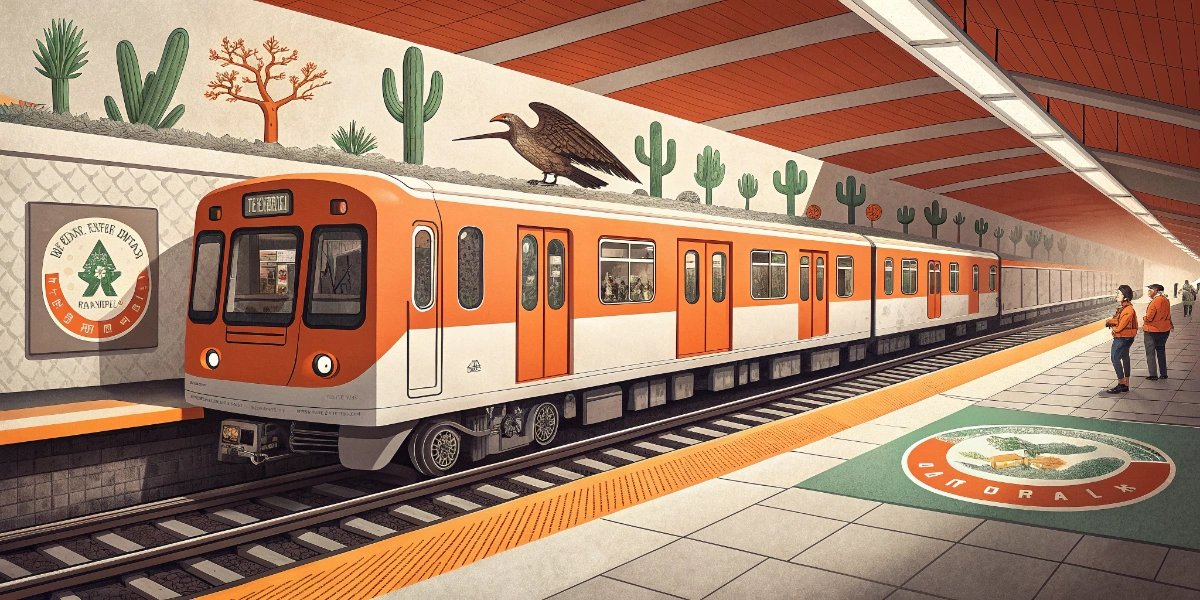
The Mexico City Metro is one of the busiest subway systems in the world, moving millions of passengers each day across a sprawling metropolis. It uses distinctive station icons, rubber-tired trains, and women-only cars during rush hours on some lines.
Why It Matters
Mass transit success story: The Metro shows that large, complex transit systems can be built and maintained in developing countries when there is political will and investment.
Social equalizer: People from many different backgrounds share the same trains. That makes the Metro an important shared public space where the city literally moves together.
Engineering adaptation: Building a subway in a seismically active region with soft ground required unique solutions. Rubber tires, flexible structures, and special construction techniques help keep the system safe and reliable.
Cultural Significance
The Metro is a point of pride for many residents. It represents modern infrastructure alongside ancient history — some stations even display archaeological finds uncovered during construction.
Fun Facts
- Each station has a unique icon, such as a cactus, eagle, or bell, originally designed to help riders who couldn't read.
- Some trains feature artwork, poetry, or historical displays inside.
- Women-only cars during busy times aim to reduce harassment and improve comfort.
- Rubber-tired trains are quieter than traditional steel-wheel systems.
Teaching Moment
The Metro is great for talking about how infrastructure choices can reflect local needs — from icons for accessibility to design decisions shaped by earthquakes and soft soil.
8. Traffic Chaos Vehicle (Any) - Cultural Driving Patterns
What It Is
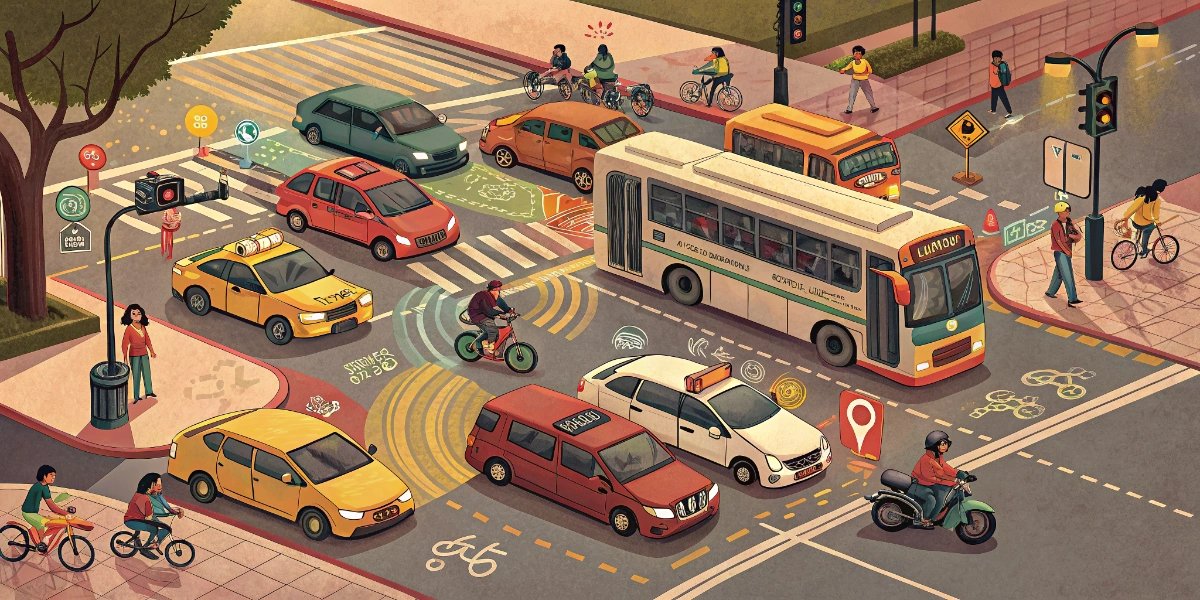
To many visitors, Mexican traffic looks chaotic: busy intersections, honking horns, flexible lane usage, and creative parking. But behind what looks like chaos are shared cultural understandings about how to negotiate movement.
Why It Matters
Informal rules vs. formal laws: Written traffic laws exist, but people also follow unwritten norms about who goes first, how much space to leave, and when honking is expected.
Honking as communication: Horns can mean "watch out," "go ahead," "thank you," or "I'm here" depending on tone and context. It functions more like a language than a pure signal of anger.
Negotiated right-of-way: Instead of strictly relying on signs and signals, drivers often make eye contact, inch forward, and negotiate who moves when.
Cultural Significance
Mexican traffic behavior reflects broader cultural values around flexibility, personal interaction, and improvisation. What feels unsafe or rude to one culture may feel normal and efficient to another used to different expectations.
Fun Facts
- Many cities use speed bumps (topes) extensively to slow cars where signs alone might be ignored.
- Informal parking attendants help drivers find spaces and watch cars in exchange for tips.
- Some intersections function almost entirely on eye contact and negotiated timing instead of signals.
- Countdown timers on some traffic lights show how long until the light changes.
Teaching Moment
Talking about traffic differences helps kids understand cultural relativism: "normal" driving looks different in different places. It encourages them to ask why systems work the way they do rather than assuming one correct way.
What These Vehicles Reveal About Mexican Culture
Dual Identity: Neighbor and Distinct Culture
Mexico exists between worlds: integrated into a shared North American market yet maintaining its own cultural flavor. Shared trucks and manufacturing link Mexico to the US and Canada, while elote carts, painted trucks, and peseros showcase uniquely Mexican approaches to business and daily life.
Informal Economy as Survival Strategy
Peseros, elote carts, and informal parking attendants demonstrate how people create income outside formal employment. These systems may look messy from the outside, but they support families and fill gaps formal systems leave.
Personalization and Expression
Decorated peseros and painted trucks show a strong preference for personalization over uniform appearance. Vehicles become moving self-portraits, expressing beliefs, humor, and family history.
Pragmatism and Making Do
Elote carts, repurposed minibuses, and flexible traffic patterns all demonstrate a culture of making things work with available resources. Perfection is less important than practicality.
Learning Opportunities for Kids
Economic Integration
Pickup trucks and border trade help kids see how economies become linked. Families can trace how a vehicle or product might involve factories and workers in multiple countries.
Informal Economies
Peseros and street carts demonstrate that work doesn't always look like office jobs or big companies. Many people build livelihoods through informal paths.
Cultural Expression Through Objects
Painted vehicles teach kids that cultures express themselves through everyday items. Comparing plain delivery vans at home to Mexican examples sparks conversations about aesthetics and values.
Neighbors with Differences
Despite sharing a long border, the US and Mexico maintain distinct cultures. Vehicles offer a concrete way to explore those differences and similarities with children.
Discussion Questions for Parents and Kids
- Why might Mexico and the US both have strong pickup truck cultures?
- What are the pros and cons of informal transit like peseros compared to formal buses?
- Should iconic but older vehicles like vocho taxis stay in service if they lack modern safety features?
- How do you think it feels to run a business from an elote cart compared to a shop?
- Do you prefer plain or painted delivery trucks? Why?
- How would driving in Mexican traffic feel different from driving in your own city?
Explore North American Vehicle Cultures
Mexico is part of our North American regional series. Each country reveals a different transport philosophy:
- United States — pickup trucks, yellow school buses, and car culture
- Canada — extreme cold adaptations and vast distances
See the complete overview at World Vehicles for Kids: Complete Guide.
App Connection: Learning Through Neighbors
In Talk & Listen, children learn vehicle names including trucks, buses, and taxis. Understanding Mexico's vehicles teaches that geographic neighbors can share some things (like popular pickups) while differing in others (painted folk art, informal transit systems). This builds cognitive flexibility: the same category (neighbor country) doesn't mean identical.
Learning to identify both similarities and differences prepares kids for nuanced thinking — essential for understanding a complex world where simple categories rarely tell the whole story.
 Frequently Asked Questions
 Ad-free & offline ready