Why Arctic Vehicles Face Earth's Harshest Conditions
Greenland and Iceland face vehicle challenges nowhere else combines: -50°F winter temperatures freezing metal and shattering plastic, glacial terrain requiring massive tires, active volcanoes creating impassable lava fields, limited road networks forcing off-road travel, and isolation where breakdowns are not inconvenience—they are life-threatening emergencies. These are not extreme hobby destinations—80,000+ people live year-round in these conditions, requiring vehicles engineered for survival.
Arctic vehicles are not optional luxuries—they are survival necessities. Search-and-rescue teams use specialized snowmobiles reaching stranded hikers before hypothermia kills them. Greenland towns without road connections depend on dogsleds and boats—no alternatives exist. Iceland's super jeeps with 44-inch tires ford glacial rivers that would drown regular vehicles. Engine block heaters are not accessories—they are mandatory equipment preventing cars from freezing solid overnight. In the Arctic, the proper vehicle is not status symbol—it is life insurance.
These Arctic vehicles reveal engineering pushed to extremes: massive tires at impossibly low pressure for ice traction, redundant heating systems preventing fatal freezes, specialized suspensions handling volcanic rock, and backup emergency equipment because help is hours or days away. They show human adaptation to places that biologically should not support human life—and cultural wisdom from Indigenous peoples (Greenlandic Inuit) who have survived here for millennia. Arctic vehicles are not about conquering nature—they are about respecting its power and engineering careful survival within harsh limits.
What makes Arctic vehicles special?
Arctic vehicles face Earth's harshest conditions: -50°F winters where batteries lose power and fuel gels, glacial terrain requiring massive tires, and isolation where breakdowns are life-threatening. Greenland dogsleds (10-15 huskies) remain essential transport where roads do not exist. Iceland super jeeps have 38-44 inch tires for crossing glaciers and rivers. These are not luxury choices—they are survival necessities engineered for conditions that destroy normal vehicles.
1. Super Jeep (Fjallajeppi, Iceland) - Glacial River Conqueror
What It Is
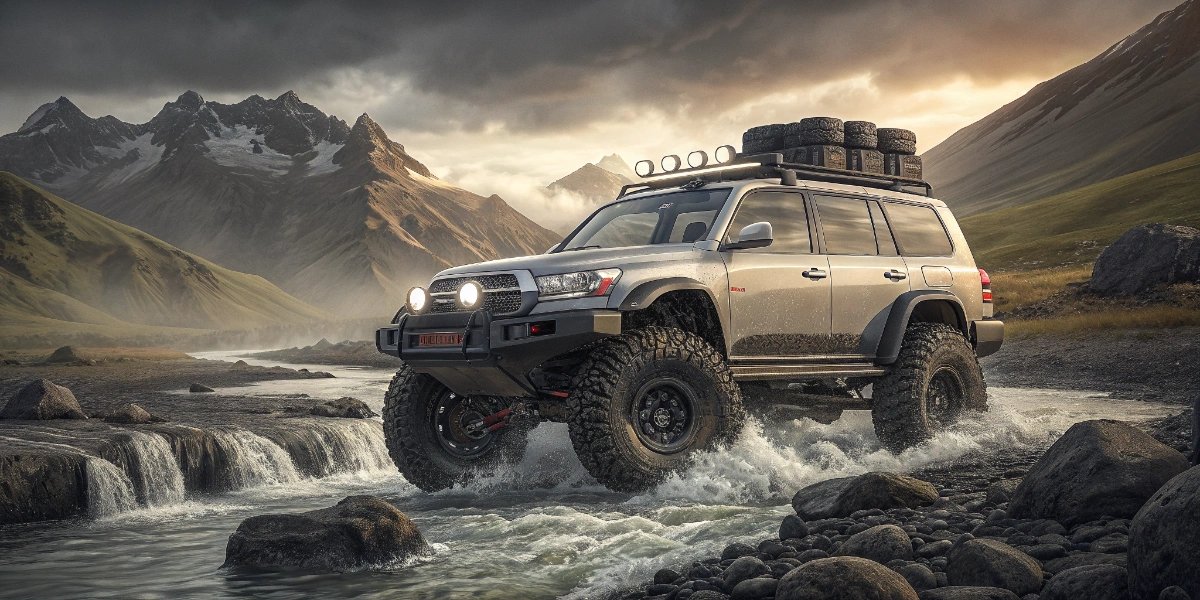
Iceland's super jeeps are heavily modified 4x4 trucks (Toyota Land Cruiser, Nissan Patrol, Ford F-350) equipped with 38-44 inch tires, raised suspensions (36+ inches ground clearance), snorkels for water crossings, and specialized low-pressure tire systems. These are not off-road toys—they are essential transport for Iceland's highland interior where glacial rivers, volcanic sand, and no roads require extreme capability. Super jeeps ford 3-foot deep rivers, climb volcanic slopes, and traverse black sand deserts where regular vehicles would be stranded instantly.
Why It Matters
Glacial river crossings: Iceland's highland rivers change daily—glacial melt increases flow by afternoon, rainfall creates flash floods, and riverbeds shift constantly. Super jeeps handle this unpredictability: massive tires provide flotation, snorkels protect engines from water ingestion, and experienced drivers know crossing techniques (diagonal angles, momentum maintenance, depth assessment). Regular vehicles attempting crossings get swept away—tourists die annually ignoring this danger. Super jeeps are not showing off—they are respecting glacier power.
Tire Height Comparison (Inches)
Volcanic terrain engineering: Iceland's volcanic landscape creates unique challenges: sharp lava rock shredding tires, soft volcanic ash trapping wheels, and recent lava flows blocking routes. Super jeeps handle this: extra-thick sidewalls resist punctures, low tire pressure (5-8 PSI vs normal 32 PSI) spreads weight over soft surfaces preventing sinking, and high clearance avoids sharp rock contact. This engineering enables access to volcanic highlands where tourists see active volcanism—worth the vehicle modification cost for tour operators.
Tourism industry backbone: Super jeep tours generate significant revenue for Iceland's economy—glacier visits, volcano tours, and highland photography trips all require super jeeps. They enable tourism to Iceland's most dramatic landscapes while protecting tourists from dangers they do not understand. Guides prevent tourists from attempting DIY crossings in rental cars (common and dangerous). Super jeeps professionalize highland access—making it safer while generating economic value.
Cultural Significance
Super jeeps represent Icelandic adaptability—modifying imported vehicles for local extreme conditions. Iceland lacks indigenous auto industry, so Icelanders became experts at vehicle modification: lifting suspensions, installing massive tires, adding snorkels, and developing driving techniques for their unique terrain. This expertise is a source of national pride—Icelandic off-road drivers compete internationally, often winning. Super jeeps show how small nations become experts through necessity: when your homeland has glacial rivers and no roads, you either engineer solutions or stay isolated.
Fun Facts
- Super jeep tires can cost $800–1,500 each—44-inch tires are custom-ordered specialty items
- Tire pressure drops to 5–8 PSI for river crossings—so low they look deflated, but spread weight for flotation
- Icelandic law requires permits for highland driving—protecting fragile volcanic ecosystems from damage
- Some super jeeps have built-in air compressors—reinflating tires after low-pressure crossings
- Highland driving season is June–September only—even super jeeps cannot safely navigate winter conditions
Teaching Moment
Super jeeps teach about specialized engineering, risk management, and environmental adaptation. Kids learn that regular vehicles have limits—extreme conditions require extreme modifications. It also demonstrates trade-offs: super jeeps are slow (massive tires reduce speed), expensive, uncomfortable, and impractical for daily driving—but necessary for glacial rivers. Understanding that extreme conditions require specialized tools rather than forcing inadequate tools to work builds problem-solving wisdom. Finally, it teaches respect for nature: you do not "conquer" glacial rivers—you carefully navigate them with proper equipment and humility.
2. Dogsled (Qamutit, Greenland) - Traditional Essential Transport
What It Is
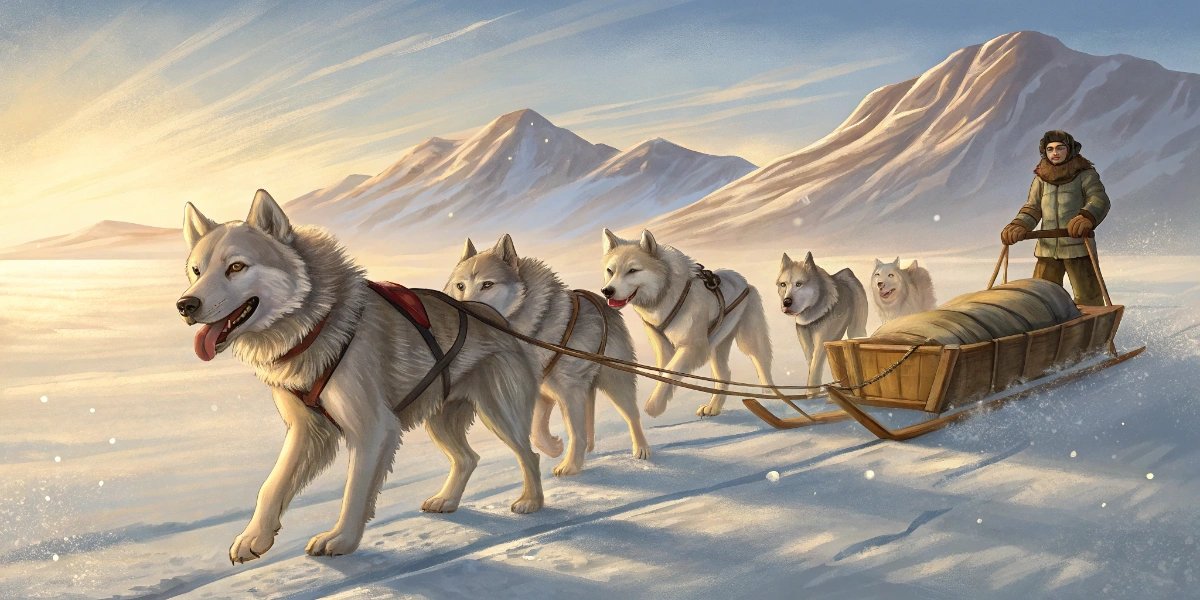
Greenlandic dogsleds are traditional Arctic transport: 10–15 Greenland Dogs (hardy Arctic breed) pulling wooden sled carrying passengers, supplies, or hunting equipment across sea ice, tundra, and snow. Unlike Alaskan dogsledding (where it is mostly tourism), Greenland dogsleds remain essential transport in northern settlements without road connections. Mushers (sled drivers) maintain dog teams year-round, training puppies, caring for dogs, and passing traditional knowledge across generations. It is 4,000+ year old Inuit technology still working better than many modern alternatives for Arctic travel.
Why It Matters
Roads do not exist for most of Greenland: Greenland has only about 60 miles of paved roads serving 56,000 people spread across 811,000 square miles (the world's largest island). No roads connect settlements—they are accessible only by boat (summer), helicopter (year-round), or dogsled (winter). For hunters reaching ice-edge seals, fishermen checking nets, or residents visiting relatives in nearby villages, dogsleds are practical necessity. Snowmobiles exist but dogsleds remain preferred: they do not break down in -50°F, do not need fuel (dogs eat fish and seal), and handle rough ice better.
Living technology vs. mechanical failure: Dogsleds have huge advantage: they are alive. Dogs sense weak ice, avoid crevasses, find routes home in whiteout blizzards, and provide warmth if stranded. When a snowmobile breaks down in -40°F (common—cold can shatter plastics and freeze fuel), you are stranded far from help. A dog team keeps working—if one dog cannot pull, mushers redistribute harness weight to others. This reliability matters when "calling a tow truck" is not an option and freezing to death is real risk. Traditional technology persists because it works better than modern alternatives in extreme conditions.
Cultural identity and continuity: Dogsledding is not nostalgia—it is active cultural practice connecting modern Greenlanders to Inuit ancestors. Young people learning dog care, sled repair, and ice navigation maintain knowledge kept alive for 4,000 years. This intergenerational knowledge transfer preserves cultural identity while serving practical purpose. UNESCO recognizes Greenlandic dog mushing as intangible cultural heritage—important enough to protect internationally. It demonstrates that "traditional" does not mean "obsolete"—sometimes old technology works better than new.
Cultural Significance
Dogsleds represent Greenlandic Inuit resilience and adaptation—thriving in Arctic when outsiders could not survive. This deep knowledge (reading ice conditions, understanding dog behavior, navigating by stars) enabled survival in harshest climate on Earth. Modern Greenlanders maintaining dogsled tradition assert cultural identity: they are not just Danes living in Arctic—they are Inuit with distinct culture and knowledge. Dogsleds are visible symbol of this pride. They also represent sustainable technology: zero emissions, renewable (dogs reproduce), biodegradable (wooden sleds), using local resources (fish for feed)—an extremely "green" form of transportation.
Fun Facts
- Greenland Dogs are distinct Arctic breed—thick coats, strong builds, and excellent cold tolerance
- Dog teams can travel 40–60 miles daily—often farther than snowmobiles' safe fuel range
- Greenlandic law mandates dog tethering in settlements—loose dogs can form dangerous packs
- Mushers communicate through whip cracks as sound signals—dogs respond to patterns rather than being struck
- The annual Avannaa dogsled race (North Greenland championship) covers 100+ miles and is major cultural event
Teaching Moment
Dogsleds teach about appropriate technology, cultural continuity, and respecting traditional knowledge. Kids learn that "old" does not mean "worse"—sometimes traditional methods work better than modern alternatives. They also see human–animal partnership: dogs are not tools, they are collaborators sharing harsh environment. This relationship requires trust, care, and mutual respect. Finally, dogsleds highlight cultural knowledge: Inuit elders know ice safety through experience accumulated over lifetimes. Dismissing traditional knowledge as "primitive" ignores wisdom that kept people alive for millennia.
3. Search-and-Rescue Snowmobile (Snjósleði) - Life-Saving Speed
What It Is
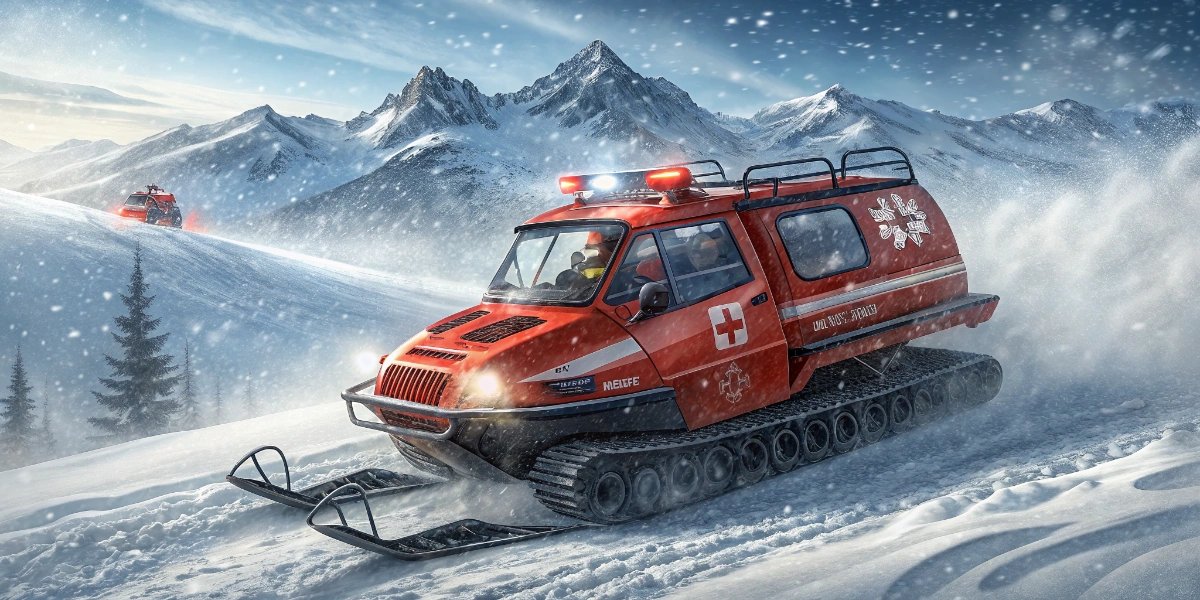
Arctic search-and-rescue snowmobiles are modified Ski-Doo or Arctic Cat machines equipped with avalanche rescue gear, GPS tracking, emergency medical supplies, survival equipment, and specialized wide tracks for soft snow. Rescue teams use them to reach stranded hikers, lost skiers, or accident victims faster than helicopters can launch. These are not recreational snowmobiles—they are emergency vehicles with police or rescue markings, radio systems, and trained operators responding to life-threatening situations where minutes determine survival.
Why It Matters
Speed saves lives in extreme cold: In -40°F, exposed skin can freeze in minutes, frostbite sets in quickly, and hypothermia can kill within a few hours. Tourists often underestimate this danger—getting lost while hiking, breaking down in rental cars, or venturing onto unsafe ice. Search-and-rescue snowmobiles can reach victims in 30–60 minutes versus 2+ hours for larger rescue operations to organize and arrive. That speed difference saves lives—victims who are already hypothermic survive because rescue arrives before their condition becomes fatal.
All-terrain emergency access: Snowmobiles go where rescue trucks cannot: glaciers, mountainsides, sea ice, and whiteout storms that make other vehicles useless. They are last-resort option when nothing else works. During blizzards closing roads and cutting off normal transport, snowmobile teams may remain the only search-and-rescue capability available. This all-weather reliability makes them essential despite limitations like range and carrying capacity.
Tourist rescue burden: Iceland receives millions of tourists annually—many attempting highland adventures without preparation. Rescues happen weekly: tourists fording rivers in rental cars, hiking glaciers without guides, ignoring weather warnings. Search-and-rescue is largely volunteer service in Iceland—costing taxpayers while benefiting tourism industry. This creates tension: should rescued tourists pay costs? Should dangerous areas be restricted? Snowmobiles make rescues possible, but the frequency of tourist rescues strains a volunteer system designed for rare emergencies.
Cultural Significance
Search-and-rescue snowmobiles represent communal responsibility—Nordic tradition that society protects everyone, even tourists who make poor choices. Rescue is considered a right, not a privilege based on ability to pay. This value system differs from some cultures that emphasize personal responsibility over collective safety. Snowmobiles enable this cultural value: without them, society would face difficult choice between abandoning victims and heavily restricting access to wilderness.
Fun Facts
- Iceland's ICE-SAR volunteer rescue teams operate many snowmobiles—funded by donations and government grants
- Rescue snowmobiles can reach 80+ mph on flat terrain—critical speed advantage over regular vehicles
- GPS tracking systems show snowmobile locations—coordinating multi-team searches in blizzards
- Rescue teams train year-round—practicing avalanche rescue, first aid, navigation, and ice safety
- Tourist rescues increased dramatically in the 2010s—straining a volunteer system not designed for mass tourism
Teaching Moment
Search-and-rescue snowmobiles teach about emergency preparedness, risk management, and community responsibility. Kids learn that some risks are manageable with preparation (proper gear, training, weather monitoring) while others are reckless (ignoring warnings, inadequate equipment). They also see how societies choose to handle emergencies: some prioritize individual responsibility, others prioritize collective rescue. Finally, rescue snowmobiles show that specialized vehicles exist for specific tasks—one more example of "right tool for the job."
4. Geothermal Bus (Rafmagnsstrætisvagn, Iceland) - Volcano-Powered Transit
What It Is
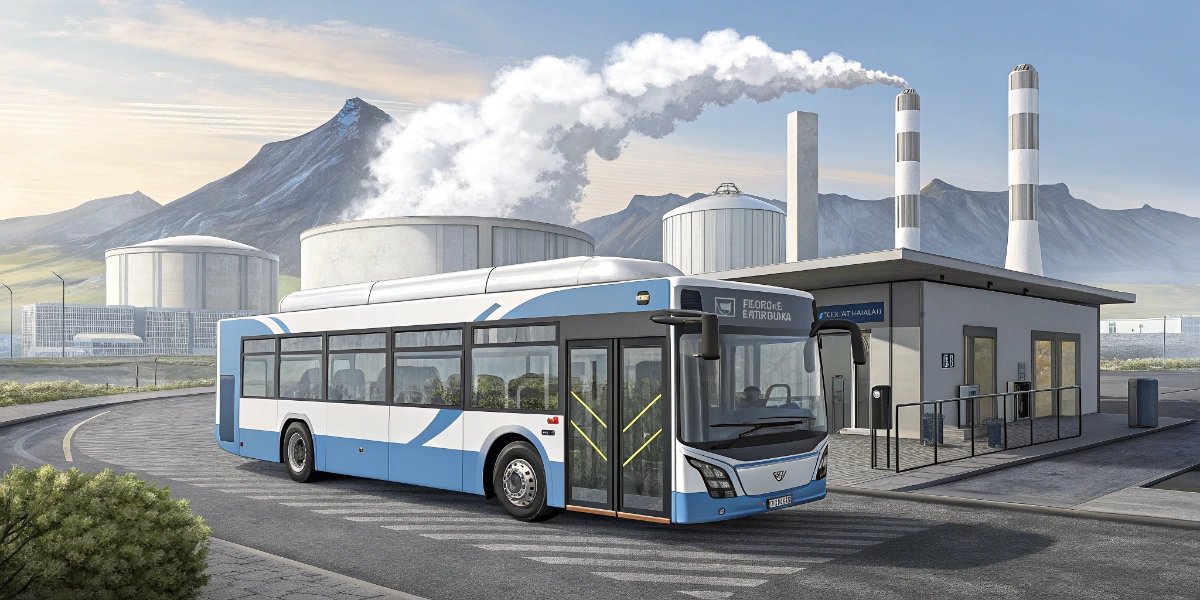
Iceland's public buses in Reykjavik increasingly run on geothermal-powered electricity—charging electric buses using power generated from volcanic heat beneath Iceland. The country produces most of its electricity from geothermal and hydroelectric sources (nearly 100% renewable). Electric buses charged with this renewable power create low-emission transit system effectively powered by volcanoes. It is appropriate technology: using Iceland's abundant geothermal resources instead of importing fossil fuels to a remote island nation.
Why It Matters
Renewable energy geography: Iceland sits on the Mid-Atlantic Ridge where tectonic plates separate, creating volcanic activity and geothermal heat. This geological situation provides vast potential for clean energy—volcanic heat generates steam driving turbines that produce electricity. Rather than curse having active volcanoes, Iceland uses them for energy. This demonstrates geographic advantage: some countries have oil, some have sun, Iceland has volcano heat. Using what geography provides creates energy independence and resilience.
Cold-climate electric vehicle challenges: Electric vehicles struggle in extreme cold—batteries lose capacity, heating drains power, and cold reduces charging efficiency. Iceland addresses this through infrastructure: widespread charging stations, geothermal heating for batteries (maintaining optimal temperature), and relatively short distances between towns. This shows that EV viability depends on supporting systems and geography, not just technology. Iceland makes EVs work because they built the infrastructure around them.
Small-scale demonstration: Iceland's population is small enough that nationwide changes are feasible—transitioning an entire bus fleet to electric is manageable. Larger countries face harder transitions, but Iceland demonstrates what is possible: very high renewable energy share and low-emission transit. It is a proof-of-concept showing that renewable energy can power daily life even in extreme cold.
Cultural Significance
Geothermal buses represent Icelandic environmental priorities—investing in sustainability where it aligns with economic sense. Importing fuel to a remote island is expensive; geothermal is both ethical and economical. Buses powered by volcano energy are everyday symbol of this choice: kids see steam rising from geothermal plants and know that is where their electricity comes from. This visible link between landscape and energy builds environmental awareness.
Fun Facts
- Iceland produces over 80% of its electricity from renewables—among the highest shares in the world
- Reykjavik's district heating uses geothermal water—90% of buildings are heated this way
- Electric buses recharge at depots using geothermal-powered chargers instead of diesel pumps
- Iceland aims for fossil-fuel-free transport in coming decades—leveraging its unique geothermal resources
- Some bus routes pass steaming vents and lava fields—daily reminder that volcanoes power the city
Teaching Moment
Geothermal buses teach about renewable energy, geographic advantages, and appropriate technology. Kids learn that different places have different resources—using what geography provides makes sense. They also see that technology depends on systems: electric buses only work well with charging infrastructure and clean electricity. Finally, it shows that "scary" natural features like volcanoes can become helpful tools when used thoughtfully.
5. Engine Block Heater Vehicle (Both) - Mandatory Cold Survival
What It Is
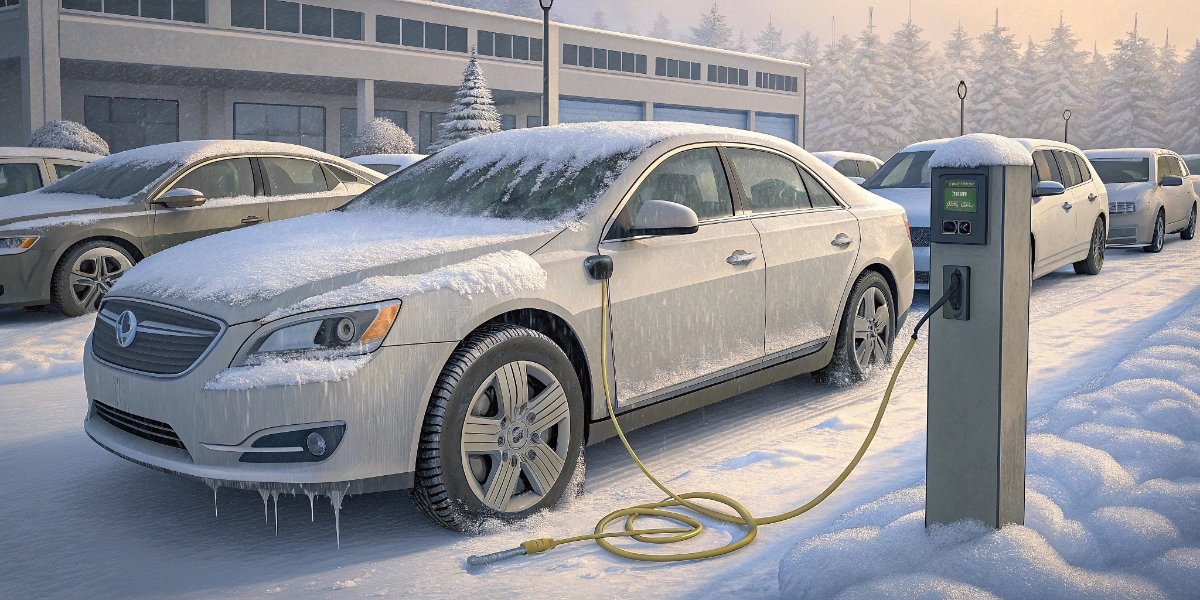
In Greenland and Iceland, many cars have electric engine block heaters—heating elements plugged into electrical outlets overnight, keeping engines warm enough to start in extreme cold. Without them, engine oil thickens, batteries lose power, fuel can gel, and starting becomes impossible. Parking lots have electrical outlets at many spaces—not a luxury, but necessity. Forgetting to plug in can mean your car will not start in the morning.
Why It Matters
Physics of extreme cold: Below about -20°F, multiple vehicle systems begin to fail: batteries lose much of their cranking power, oil thickens, diesel fuel can gel, rubber stiffens, and metal contracts. Engine block heaters address one part of this problem by keeping engines and oil warm enough to flow. Other solutions—synthetic oils, arctic diesel additives, heavy-duty batteries—work together with heaters. Arctic residents learn this equipment is not optional; it is part of basic survival.
Cultural norm of preparation: Forgetting to plug in an engine heater is like forgetting to put fuel in your car in warmer climates—an obvious mistake. Arctic residents automatically plug in, just as others automatically check the fuel gauge. This preparation mindset extends throughout Arctic culture: always carrying survival gear, checking weather carefully, telling someone your route, and never assuming "it will be fine." Engine block heaters are daily reminder that Arctic does not forgive carelessness.
Infrastructure adaptation: Rows of outlet-equipped parking lots show how infrastructure adapts to climate. This seems extreme to outsiders, but in Arctic it is baseline necessity. Shopping centers, homes, workplaces, and airports may all have outlet-equipped parking. Cost is significant, but alternative is non-functional vehicles and people stranded in dangerous cold. Infrastructure reflects local needs: where some cities plant shade trees, Arctic cities install power outlets.
Cultural Significance
Engine block heaters represent Arctic humility—accepting that humans do not control environment and must adapt to its terms. In milder climates, people assume environment accommodates them; in Arctic, residents know nature is powerful and indifferent. Forgetting to plug in can be more than inconvenience if it leads to being stranded. This awareness of vulnerability creates different relationship with environment: respectful caution rather than casual assumption.
Fun Facts
- Engine block heaters typically use 400–1,500 watts—running one overnight might cost only a few dollars in electricity
- Some Arctic cities require outlet-equipped parking in building codes
- Remote-start systems and battery warmers are common companions to block heaters
- Special arctic diesel fuels include additives to prevent gelling in extreme cold
- Even with heaters, extreme cold snaps can challenge vehicles—residents often keep backup plans
Teaching Moment
Engine block heaters teach about adaptation, preparation, and respecting natural limits. Kids learn that technology has boundaries—even modern cars need help in extreme cold. They also see that what feels "normal" is different in every place: electrical outlets at parking spaces seem strange in warm regions but ordinary in Arctic. Understanding that different environments require different solutions builds flexible thinking.
6. Snowplow (Snjóplógur) - Continuous Winter Battle
What It Is
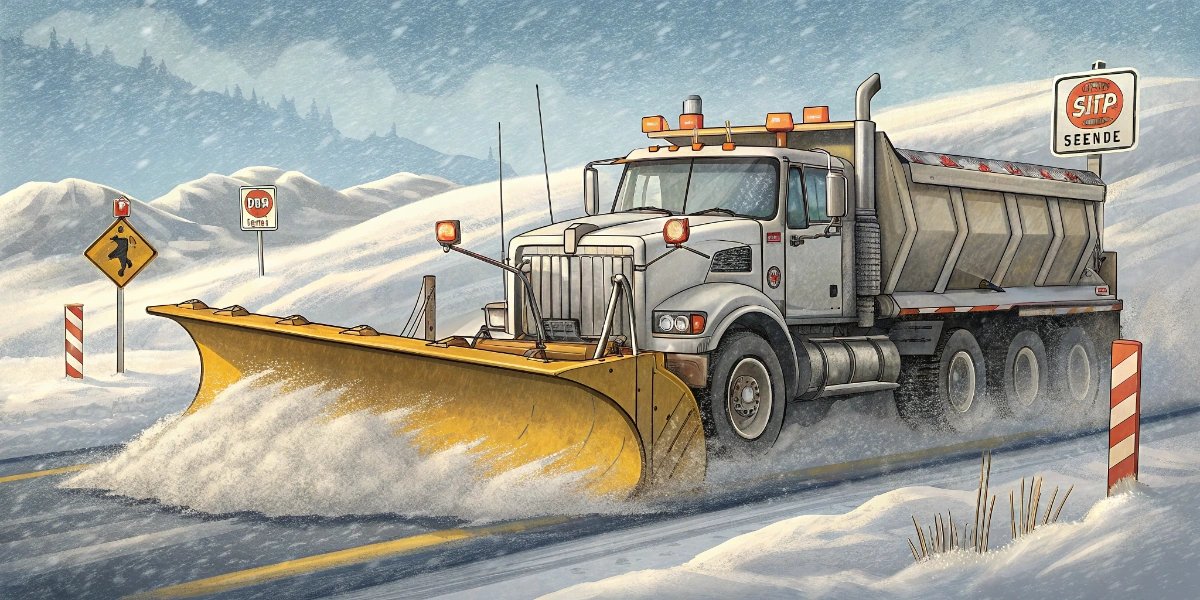
Arctic snowplows are massive machines—commercial trucks with wide blades, spreader tanks carrying sand or salt, GPS navigation systems, and crews working long shifts during storms. They do more than clear snow once; they battle constantly: extreme cold, blizzards with zero visibility, drifting snow refilling cleared roads within hours, and ice layers requiring multiple passes. On main roads, snowplow crews may work through the night just to keep a single route open.
Why It Matters
Economic necessity: Closed roads mean isolated settlements, halted commerce, stranded travelers, and economic losses. Iceland's Ring Road connects the whole country—closure can effectively split the nation. Snowplow operations cost millions annually, but the economic and social value of open roads is far greater. Tourists expect access year-round, freight must move, and residents need mobility. Snowplows make a modern economy possible in Arctic conditions.
Safety vs. access balance: Snowplow crews face tough choices: clearing roads in dangerous conditions (risking crew safety) or closing roads until safe (stranding travelers). During severe storms, roads close even if people are frustrated; safety takes priority. Tourists sometimes ignore closures and get into trouble, which snowplow and rescue crews must address. This balancing act between access and safety is central to Arctic transportation policy.
Climate change complicates operations: Warming Arctic temperatures create new challenges: more freezing rain (black ice), heavier wet snow that is harder to plow, and unpredictable storms. Snowplow strategies must adapt—using different materials, equipment, and schedules. Climate change does not simply reduce snow; it changes the kind of winter maintenance required.
Cultural Significance
Snowplows represent human determination to maintain connection despite nature's resistance. In Greenland and Iceland, "normal life" requires constant battle against snow, ice, and cold. People know that roads stay open only because someone is out there all night in a plow. Snowplow operators are essential workers who rarely appear in postcards but make daily life possible.
Fun Facts
- Snowplow operators train for zero-visibility driving using GPS and roadside markers
- Some roads close for entire winter seasons when maintenance would be too dangerous or expensive
- Sand is often preferred over salt—cheaper locally and less corrosive to vehicles and infrastructure
- In storms, plows may operate in convoys, with one leading and others following to clear and sand effectively
- Kids in Arctic towns often recognize specific plows and drivers as local heroes
Teaching Moment
Snowplows teach about infrastructure maintenance, public service, and environment's power. Kids learn that roads do not simply "exist"—they require continuous work, especially in harsh climates. They also see that some battles are ongoing rather than winnable once and for all: you do not defeat snow, you manage it day after day. Appreciating this kind of work builds gratitude for often-invisible helpers.
Use This Guide With Apps, Printables & Real Vehicles
Once your child is excited about Arctic vehicles, connect this article to things they can actually do and touch. Use these hubs and apps so Greenland & Iceland vehicles show up in stories, on paper, and on screen.
- Visit the Vehicle Hub: Start with the Arctic category or spotting guides, then look for distant cousins of these vehicles where you live.
- Download free vehicle printables: Color snowplows, dogsleds, and rescue vehicles on paper before you go outside to spot winter trucks in your own city.
- Practice sounds in Talk & Listen: Use engine revs, sirens, and Arctic onomatopoeia like "vroom," "crunch," and "whoosh" to work on speech in a playful way.
- Create your own Arctic vehicles in Create & Play: Design super jeeps with oversized tires, rescue snowmobiles, and geothermal buses in the art tools based on what you read.
What These Vehicles Reveal About Arctic Life
Survival Engineering vs. Convenience Engineering
Arctic vehicles are not about luxury or status—they are survival necessities. Super jeeps with 44-inch tires are not showing off; they are crossing glacial rivers that drown regular vehicles. Engine block heaters are not optional accessories; they keep cars from freezing solid. Rescue snowmobiles are not toys; they reach stranded people before hypothermia kills them. This utilitarian focus differs from many warmer places where vehicles often signal lifestyle more than true need. In the Arctic, engineering serves survival first.
Traditional Knowledge and Modern Technology
Greenland's dogsleds working alongside snowmobiles and super jeeps show how traditional knowledge remains relevant despite modernization. Indigenous Inuit survived Arctic for thousands of years—building deep knowledge about ice safety, animal behavior, weather patterns, and survival techniques. Modern tools like rescue snowmobiles, GPS, and lifted trucks do not replace that knowledge; they layer on top of it. Arctic survival often depends on combining ancient wisdom with modern equipment.
Isolation and Connectivity Tension
Greenland's reliance on long-distance rescue teams and Iceland's search-and-rescue burden reveal tension between wanting connection and accepting isolation's costs. Modern expectations—instant communication, medical care, and travel—collide with geographic reality—remote, harsh, expensive to serve. Snowmobiles, super jeeps, and winter road crews enable connection, but at high financial and environmental cost. Societies must decide how much to subsidize remote living and tourism in dangerous places.
Climate Change's Complex Impacts
Warming Arctic affects vehicles in complex ways: less sea ice changes travel routes, more rain creates ice hazards, and shifting weather patterns challenge traditional knowledge. Some impacts appear helpful (longer boating seasons), others harmful (unpredictable ice and storms), most mixed. Arctic vehicles and their operators must constantly adapt—illustrating that climate change is present-tense challenge, not distant future issue.
Public Service and Social Responsibility
Search-and-rescue snowmobiles, super jeeps, and winter-maintenance vehicles represent social commitment: everyone deserves rescue and support, even if their choices contributed to danger. This Nordic value system prioritizes collective welfare. Technology—specialized vehicles—makes this commitment actionable. Kids see that societies can choose compassion and structure systems around that choice.
Learning Opportunities for Kids
Extreme Engineering and Problem-Solving
Arctic vehicles demonstrate engineering pushed to limits: super jeeps with giant tires, engine block heaters preventing freezing, and snowplows carving paths through blizzards. Kids learn that extreme conditions require extreme solutions—you cannot use regular vehicles in Arctic and expect success. This builds understanding that problems have appropriate solution scales: small problems need small solutions, massive problems need massive solutions.
Traditional Knowledge Value
Greenland's continuing dogsled use teaches that "old" does not mean "obsolete." Traditional Inuit knowledge kept people alive for millennia in harshest climate—this wisdom remains valuable. Kids learn to respect traditional practices rather than dismissing them. They also see that indigenous knowledge is empirical—built through observation and experience over generations.
Geographic Influence on Culture
Arctic vehicles show how geography shapes culture: engine block heaters at every parking space, dependence on winter road crews and rescue teams, and importance of snow-ready vehicles. Kids learn that environment creates cultural practices—not random choices, but adaptations to conditions. This builds empathy: understanding why cultures differ because they face different challenges.
Human Limits and Nature's Power
Arctic vehicles teach humility—humans do not control nature, they survive within its terms. Search-and-rescue necessity, whiteout blizzards, and snowplow battles all demonstrate nature's power. Kids learn that nature is not just background scenery; it is an active force requiring respect and preparation.
Discussion Questions for Parents and Kids
- Would you rather ride dogsled or snowmobile in Greenland? What are benefits and risks of each?
- Should tourists pay for their own rescue when they ignore warnings and get in trouble? Why or why not?
- Is it worth living in isolated Arctic settlements if it requires expensive rescue services and winter road maintenance? What makes a place worth staying?
- How does extreme cold change what feels "normal"? What seems strange about engine block heaters to southerners but normal to Arctic residents?
- Can modern technology replace traditional knowledge, or do we need both? What do Greenlandic Inuit elders know that GPS devices do not?
- If you designed vehicle for Arctic, what features would it need to handle -50°F temperatures?
Explore More Arctic and Extreme Climate Vehicles
Greenland and Iceland are part of our extreme climate series. Compare Arctic conditions to other challenging environments:
- Norway - Mountain engineering and fjord navigation
- Alaska - American Arctic survival with snow machines and ice road trucks
- Russia - Siberian extreme cold engineering
See complete overview at World Vehicles for Kids: Complete Guide.
App Connection: Learning Through Extremes
In Talk & Listen, children learn vehicle names including trucks, buses, snowplows, and sleds. Understanding Arctic vehicles teaches that the same vehicle type (truck) can look very different based on environment—pickup truck in Arizona versus super jeep in Iceland. This builds categorical flexibility: "truck" is category containing many variations adapted to different needs. Learning that categories have diverse members prepares kids for nuanced thinking.
 Frequently Asked Questions
 Ad-free & offline ready