Why Scandinavian Vehicles Are Built for Winter
Scandinavia stretches from Denmark at 55°N latitude to northern Norway above the Arctic Circle at 71°N. Winter means different things across this region: Denmark gets snow but stays relatively mild; northern Norway experiences polar nights (24-hour darkness) and temperatures that freeze exposed skin in minutes. Vehicles must handle all of it.
What makes Scandinavian vehicles fascinating is their winter-first engineering. In most places, winter is an exception requiring special preparation. In Scandinavia, winter is the default—vehicles are designed assuming ice, snow, and darkness, with summer being the "easy" season. This creates unique features: engine block heaters (plugged in overnight), studded tires, heated seats and steering wheels, extra lighting, and survival equipment as standard.
For kids, Scandinavian vehicles show how humans engineer solutions for extreme seasonal conditions. When temperatures drop so low that metal becomes brittle and diesel fuel gels, technology must adapt. Let's explore eight vehicles that show how Scandinavians conquer winter.
1. Snowplow (Plogbil) - The Winter Road Warrior
Scandinavian snowplows are sophisticated machines with front blades, side wings, rotating brushes, salt/sand spreaders, and sometimes snow blowers. They clear roads in blizzards, working 24-hour shifts during heavy snowfall to keep highways passable.
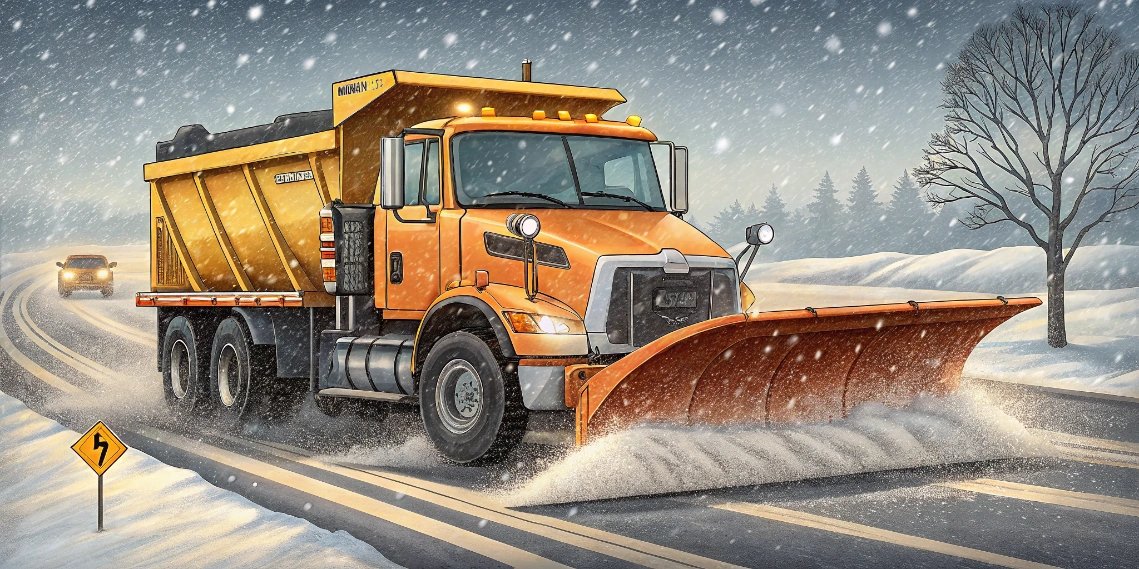
What makes it special: Modern snowplows have GPS systems showing exactly which roads have been cleared, automatic salt spreaders (sensors detect temperature and adjust salt amount), and cameras showing the driver what's behind the blade (visibility during snowstorms is near-zero). Some have rotating brushes that sweep snow away gently without damaging road surfaces.
Winter Daylight Hours (December)
Cultural significance: Snowplow drivers are winter heroes in Scandinavia. They work through the night in blizzards so children can get to school and workers can reach jobs. Many drivers have decades of experience reading snow conditions, knowing exactly how much salt prevents ice without wasting resources. They're essential workers—Scandinavian society would stop without them.
Fun fact for kids: Some snowplow drivers name their trucks! In Sweden, school children vote to name municipal snowplows—past names include "Plowy McPlowface" and "The Snow Queen." It makes winter maintenance fun and builds community appreciation for these essential vehicles.
Speech sounds: "Snowplow" has the /sn/ consonant cluster (difficult for many toddlers), the /pl/ blend, and the /aʊ/ diphthong. The compound word structure (snow + plow = machine that plows snow) teaches clear word formation.
If your child wants a simple, picture-led overview of this vehicle, you can also explore the snowplow vehicle page together and compare different plow designs.
2. Ice Road Truck (Isvägslastbil) - Driving on Frozen Lakes
In northern Scandinavia, some roads exist only in winter—they're ice roads across frozen lakes and rivers. Trucks drive these routes hauling supplies to remote communities and mining operations that become accessible only when water freezes solid.
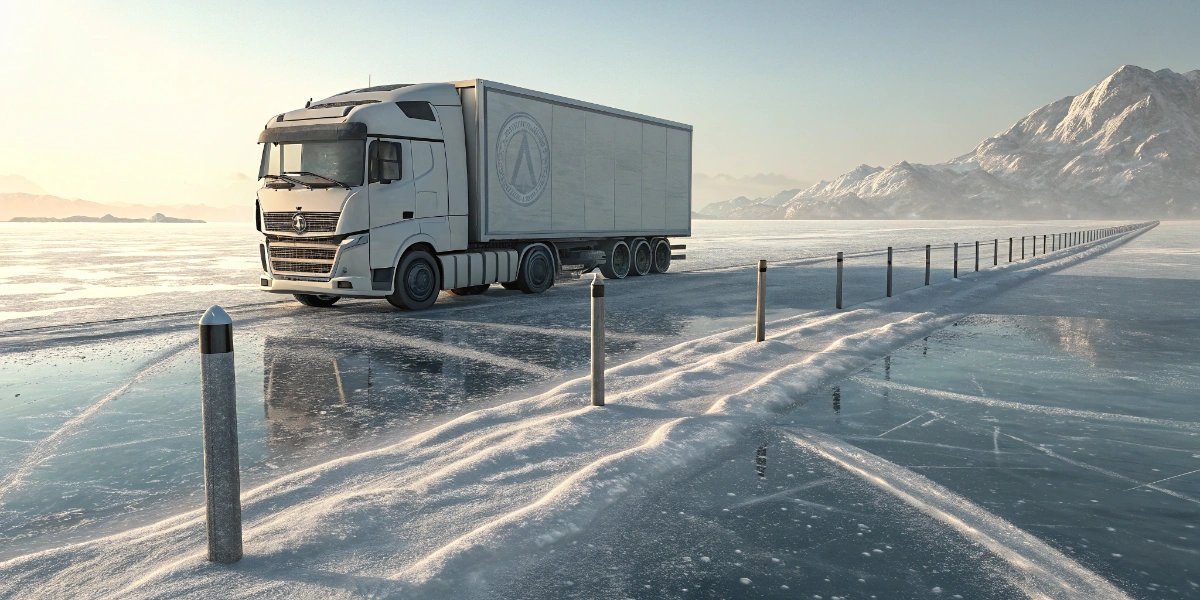
What makes it special: Ice road trucks follow strict rules: maximum speeds (to prevent wave action under ice), minimum ice thickness (usually 30+ inches for heavy trucks), and specific routes marked by reflective poles. Drivers listen for ice "singing" (cracking sounds that indicate stress). They carry survival gear, satellite phones, and know escape procedures if ice breaks.
Cultural significance: Ice roads represent Arctic ingenuity—turning winter's challenge (frozen water) into infrastructure advantage. They connect communities that would be isolated otherwise. The trust required—driving a 40-ton truck over ice—reflects deep understanding of ice physics and winter conditions developed over generations.
Fun fact for kids: Ice road trucks sometimes create waves UNDER the ice! If a truck drives too fast, it pushes water ahead, creating pressure waves that can crack ice ahead. Drivers must maintain specific speeds (usually 15–25 mph) to avoid this. It's like driving on a waterbed—you must be gentle!
Speech sounds: "Ice road truck" has the vowel glide /aɪ/ in "ice," the /r/ approximant, and the /tr/ consonant blend. Three short words with great phoneme variety for practicing challenging sounds.
3. Volvo Truck (Volvo lastbil) - Swedish Engineering Icon
Volvo trucks, manufactured in Sweden, are engineered for extreme cold from the start. They're tested in Arctic conditions and built with features that standard trucks lack—engine block heaters, arctic-grade lubricants, cold-weather fuel systems, and cab insulation rated to -40°F.
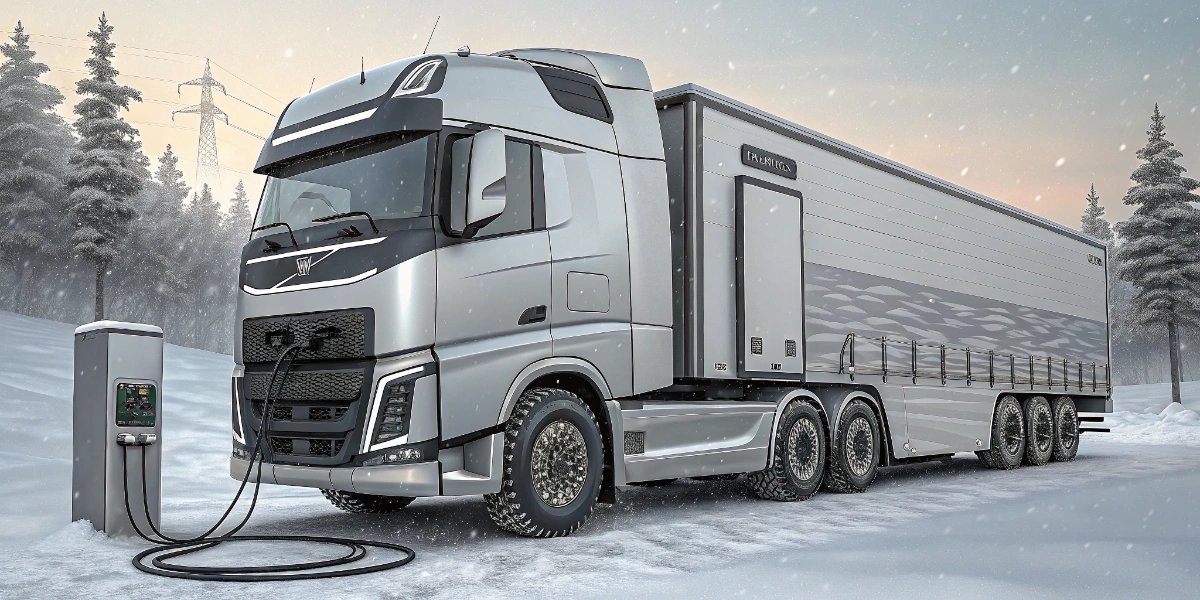
What makes it special: Volvo trucks have parking heaters (diesel-powered heaters that warm the engine while parked) so engines start reliably at -40°F. Cabs are insulated like small houses—drivers can sleep comfortably when outside temperature is brutal. Windows are triple-paned to prevent frost buildup. Every component is tested to function in extreme cold.
Cultural significance: Volvo represents Swedish engineering philosophy: safety, reliability, and environmental responsibility. The trucks are designed assuming harsh conditions—better to over-engineer for Arctic winters than create vehicles that fail when temperatures drop. This "design for worst case" approach defines Swedish vehicle engineering.
Fun fact for kids: Volvo trucks in northern Scandinavia are often plugged into electrical outlets overnight! The engine block heater keeps coolant warm so the engine starts easily at -30°F. Parking lots have rows of electrical outlets—it looks like vehicles are "charging" but they're just staying warm.
Speech sounds: "Volvo truck" has the /v/ fricative sound twice, plus the /tr/ consonant blend. The brand name's repetition (Vol-vo) makes it memorable—perfect for brand name recognition and phoneme practice.
4. Ambulance (Ambulans) - Winter-Ready Emergency Vehicle
Scandinavian ambulances are 4x4 vans or SUVs equipped for winter emergencies. They carry extra medical supplies (frostbite treatment, hypothermia equipment), have studded tires, winches for self-recovery, and can operate in whiteout conditions using GPS navigation.
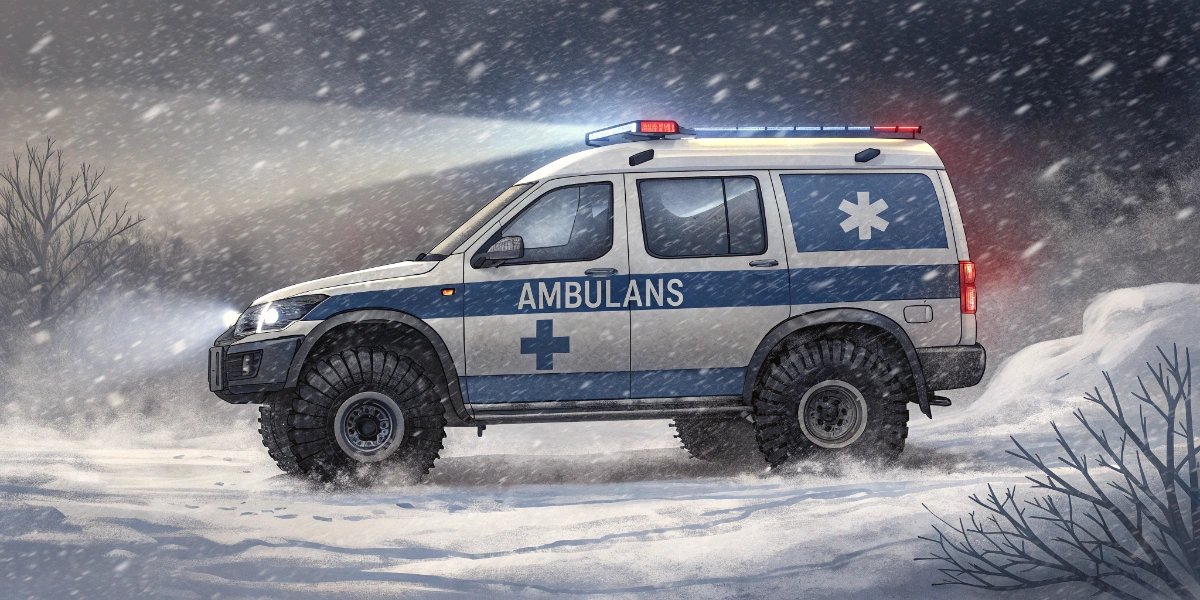
What makes it special: Arctic ambulances carry survival equipment because getting stuck in a blizzard while transporting a patient is life-threatening. They have backup heating systems, extra blankets, emergency food, and communication equipment that works when cell towers fail. Paramedics are trained in wilderness medicine and winter survival.
Cultural significance: Ambulances represent Scandinavia's commitment to universal healthcare even in extreme conditions. Response times might be longer in rural areas, but help WILL arrive. The vehicles symbolize societal values—everyone deserves emergency care regardless of how remote their location.
Fun fact for kids: Some Scandinavian ambulances are tracked vehicles (with tank-like treads) for reaching remote cabins during heavy snow. These "snow ambulances" can climb through deep snow where even 4x4s get stuck. They're slow but extremely reliable.
Speech sounds: "Ambulance" has three syllables (AM-bu-lance) with the /m/, /b/, /l/, and /s/ sounds. The stress pattern (first syllable) and clear syllable boundaries make it great for prosody practice.
To connect this story to a simple emergency-vehicle overview, you can also explore the ambulance vehicle page and compare how ambulances operate in winter conditions versus your own area.
5. School Bus (Skolbuss) - Studded Tire Specialist
Scandinavian school buses must operate in all weather conditions—children attend school even during snowstorms. These buses have studded tires (metal spikes for ice grip), extra lighting (for dark winter mornings), and safety protocols for extreme cold.
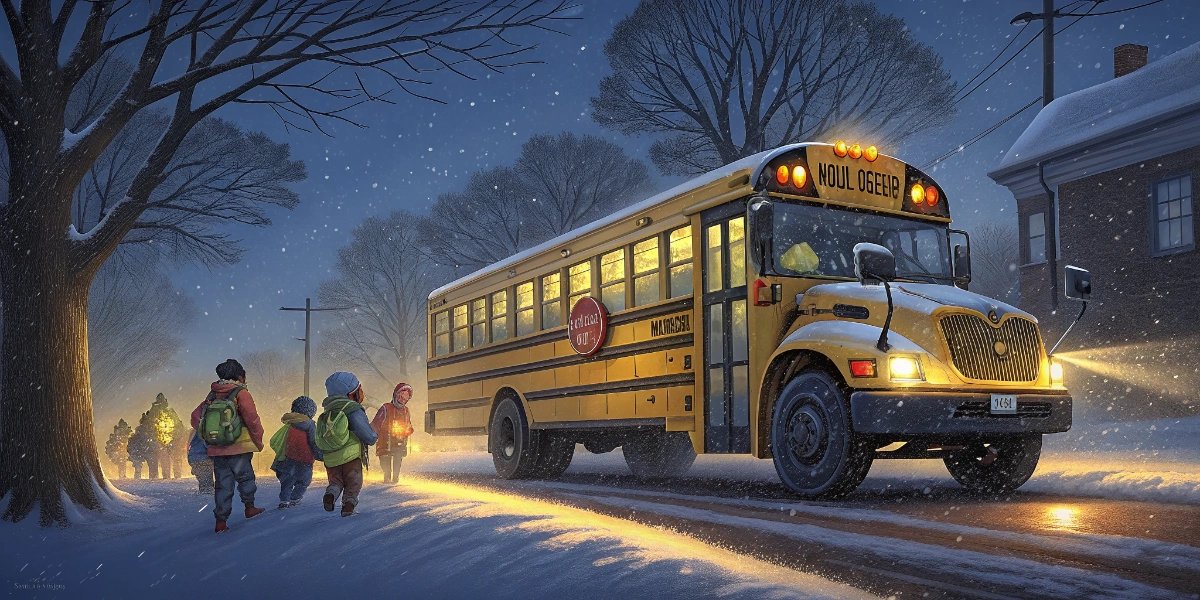
What makes it special: School buses are equipped with seat belts, reflective markings visible in darkness, and heating systems that warm the entire bus quickly. Drivers undergo winter driving certification. Routes are adjusted during severe weather, but schools rarely close—Scandinavian culture emphasizes preparing for winter, not canceling activities.
Cultural significance: School buses represent Nordic educational values—weather doesn't excuse absence. Children learn resilience by experiencing winter as normal, not exceptional. The buses symbolize commitment to education and childhood normalcy despite climate challenges.
Fun fact for kids: Scandinavian children wear reflective gear to school because winter mornings are dark! Many wear reflective vests, armbands, or backpack covers so drivers see them. School buses have extra-bright interior lights so drivers can count children getting on and off in darkness. Safety through visibility.
Speech sounds: "School bus" has the /sk/ consonant cluster (spelled "sch"), the long /u/ vowel, and the /b/ sound. Short, clear compound word perfect for early consonant practice.
To connect this story to a simple bus overview, you can also visit the school bus vehicle page and compare Scandinavian school buses with ones in your area.
6. Electric Car (Elbil) - Winter-Adapted EVs
Norway has one of the world's highest electric vehicle adoption rates. But EVs face unique winter challenges: batteries lose capacity in cold, charging takes longer, and cabin heating drains range. Scandinavian EVs are winter-optimized.
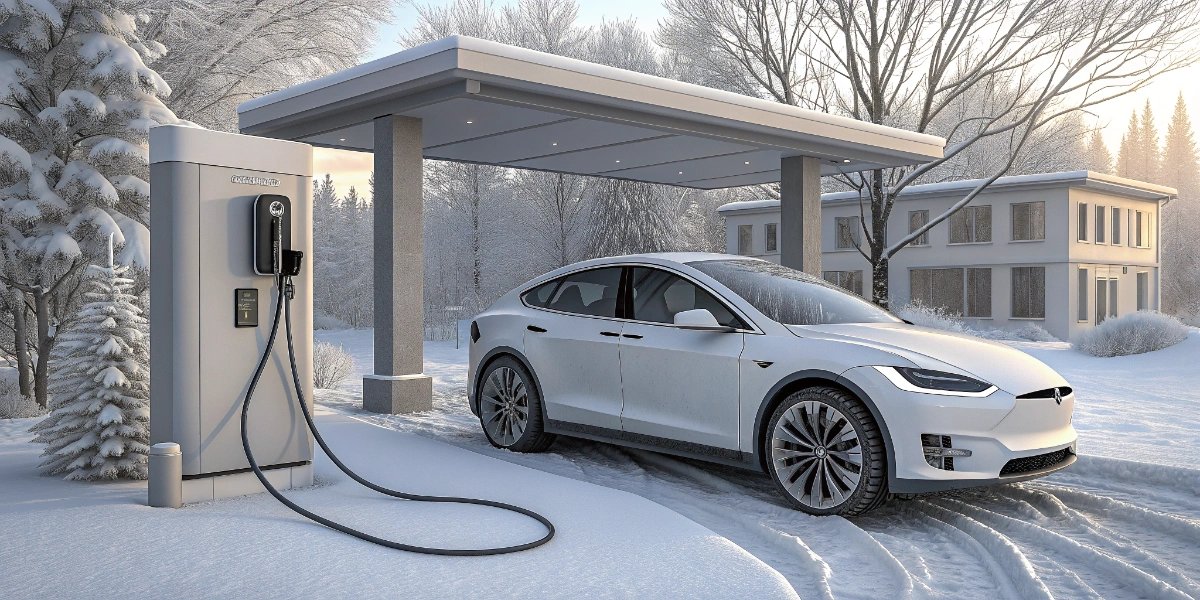
What makes it special: Scandinavian EVs have battery heating systems that warm batteries to optimal temperature before driving. Charging stations have heated cables (preventing stiff, difficult-to-handle cables in -20°F weather). Heat pumps efficiently warm cabins without draining batteries. Software predicts range loss in cold and adjusts route planning.
Cultural significance: Electric vehicles represent Scandinavian environmental commitment. Despite winter challenges, Norway leads global EV adoption through infrastructure investment (charging stations everywhere), incentives (no purchase tax, free toll roads), and cultural embrace of sustainability. Winter difficulty doesn't prevent progress—it requires better solutions.
Fun fact for kids: Scandinavian EV owners preheat their cars using smartphone apps while cars are still plugged in. The car warms up using electricity from the charger (not the battery), so you enter a warm car without reducing driving range. It's like remote-starting but smarter.
Speech sounds: "Electric car" has the /l/, /k/, /tr/, and /r/ sounds with the /ɪ/ vowel. The compound structure teaches about modern vehicle propulsion types—great vocabulary building for technology concepts.
If your child loves cars, you can also open the electric car vehicle page to compare Scandinavian EVs with everyday models.
7. Garbage Truck (Sopbil) - All-Weather Waste Collection
Scandinavian garbage trucks operate year-round in all conditions. They navigate icy streets, lift frozen bins, and maintain strict collection schedules despite snow, darkness, and cold. These trucks have winter-specific modifications for reliability.
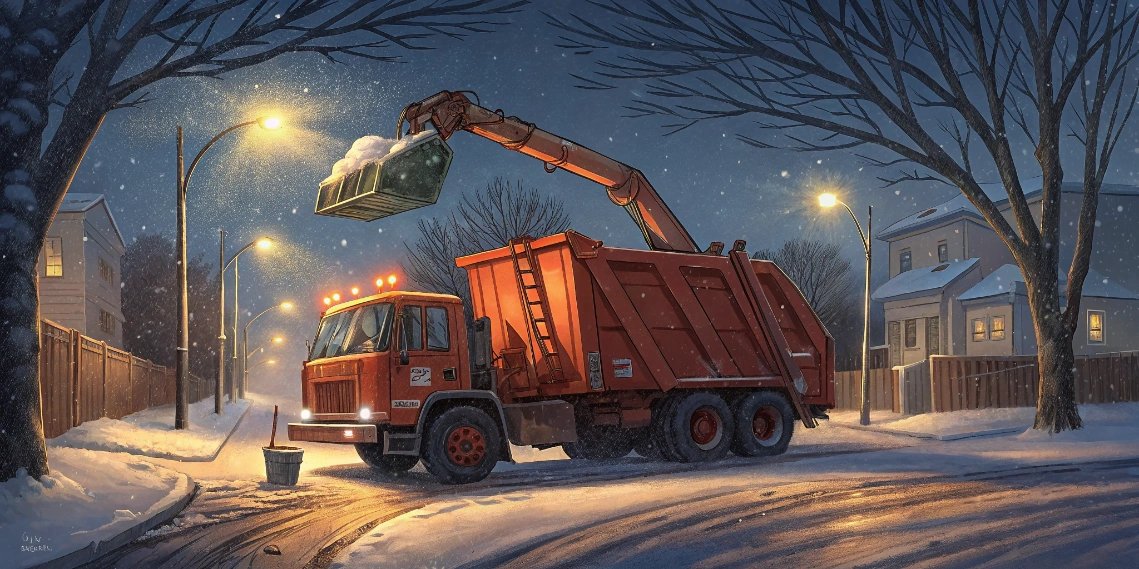
What makes it special: Winter garbage trucks have heated hydraulic systems (preventing fluid from freezing), extra lighting for dark mornings, and reinforced loading mechanisms (frozen garbage is heavier). Drivers use studded tires and follow snow removal schedules—they collect garbage immediately after streets are plowed, before snow piles block bins.
Cultural significance: Reliable waste collection represents Scandinavian municipal efficiency. Services continue regardless of weather—another example of "winter is normal" philosophy. The trucks symbolize societal organization and the expectation that infrastructure works even in harsh conditions.
Fun fact for kids: Some Scandinavian garbage trucks collect waste through underground vacuum tubes. In certain cities, residents drop garbage into chutes connected to underground pipes. Central vacuum systems suck garbage through tubes to collection points where trucks pick it up. It's like pneumatic tubes in old banks, but for trash.
Speech sounds: "Garbage truck" has the /g/, /r/, /b/, /tr/, and /k/ sounds—lots of consonant practice. The /tr/ consonant blend appears again, reinforcing this challenging sound cluster.
To go deeper on this vehicle, you can visit the garbage truck vehicle page and compare Scandinavian winter trucks with everyday versions.
8. Snowmobile (Snöskoter) - Arctic Transportation
In far northern Scandinavia (Lapland), snowmobiles are essential winter vehicles, not just recreational toys. They transport people, deliver mail, check on remote cabins, and access areas where roads don't exist. Indigenous Sámi people use them for reindeer herding.

What makes it special: Arctic snowmobiles are heavy-duty machines designed for work, not play. They pull sleds carrying supplies, have GPS navigation, and heated handlebars. Engines are tuned for reliability in -40°F conditions. Many have emergency beacons because getting lost in whiteout conditions is dangerous.
Cultural significance: Snowmobiles represent modern adaptation of traditional Arctic travel. Where ancestors used skis and reindeer sleds, modern Scandinavians use snowmobiles—but the purpose remains: conquering winter landscape. For Sámi reindeer herders, snowmobiles transformed herding practices while maintaining cultural traditions.
Fun fact for kids: Snowmobile "highways" exist in northern Scandinavia. Marked routes cross tundra, frozen lakes, and mountains. They're maintained like roads—groomed smooth, with reflective markers, and GPS coordinates. Some routes are hundreds of miles long, connecting remote villages through wilderness.
Speech sounds: "Snowmobile" combines /sn/ consonant cluster, /m/, /b/, and /l/ sounds. The compound word structure (snow + mobile = mobile vehicle for snow) clearly describes function, teaching word formation logic.
Learning Opportunities Through Scandinavian Vehicles
Geography Lessons
Scandinavian vehicles teach geography through seasonal extremes. Why do snowplows have rotating brushes? Because Scandinavian cities prioritize gentle snow removal to protect roads. Why studded tires? Because ice covers roads for 4–6 months—studless tires can't provide grip. Every vehicle modification reflects extreme winter conditions and high latitude effects (limited daylight).
Your child learns that latitude and season dramatically affect daily life. Scandinavia's northern position (some areas above the Arctic Circle) creates winter that isn't just cold—it's dark, long, and all-encompassing. Geography determines vehicle requirements.
Cultural Awareness
Every Scandinavian vehicle reveals cultural values:
- Preparation over cancellation - Schools don't close; vehicles are prepared instead
- Safety first - Reflective gear, lighting, survival equipment are standard
- Environmental responsibility - Norway leads EV adoption despite winter challenges
- Social equality - Emergency services reach everyone, regardless of location
- Engineering excellence - Trucks and buses are designed for worst-case scenarios
These aren't just vehicles—they're expressions of Nordic philosophy: adapt to nature rather than fight it, prepare thoroughly rather than cancel activities, and ensure everyone's safety and access. Your child learns that culture shapes engineering priorities.
Vocabulary Building
Scandinavian vehicle vocabulary introduces climate-specific terms:
- Studded tires - Tires with metal spikes for ice grip
- Engine block heater - Device that keeps engine warm when parked
- Ice road - Road that exists only when water freezes
- Snowmobile - Motorized sled for snow travel
- Whiteout - Blizzard condition where visibility drops to zero
In Talk & Listen, we include winter vehicle sounds—the scraping of snowplow blades, the crunch of studded tires on ice, and the distinctive hum of electric cars. These sounds connect to extreme seasonal environments.
App Connections
Talk & Listen: Practice Scandinavian winter vehicle sounds—snowplow blade scraping, studded tires on ice, snowmobile engine revving. Learn vocabulary through seasonal context: "winter," "snow," "ice," "cold," "dark."
Create & Play: Kids can design their own snowplows with different blade configurations, create ice road routes across frozen "lakes," or build winter-ready vehicles with studded tires. Scandinavian vehicles inspire problem-solving: how would YOU adapt a car for six months of winter?
Activity Ideas
Want something to print alongside these? The free printables library has vehicle coloring pages and activity packs — no email required.
- Winter survival kit: What would you pack in a car for -40°F weather?
- Ice thickness science: How thick must ice be to hold different weights?
- Studded tire experiment: Compare toy cars with spikes vs. smooth tires on ice
- Daylight tracking: Chart sunrise/sunset times in Scandinavia across the year
- Snowplow routes: Plan efficient routes to clear all neighborhood streets
- Temperature comparison: Chart -40°F vs. your winter temperature
- Reflective safety: Why do Scandinavian kids wear reflective gear to school?
Why Scandinavian Vehicles Showcase Winter Engineering
When my toddler asked how snowplows push all that snow, we talked about blade angles, rotating brushes, and salt spreading—concepts that led to discussions about engineering for extreme conditions. Scandinavian vehicles demonstrate that when nature is harsh, technology must be exceptional.
Winter vehicles show that "impossible" conditions become manageable with proper engineering. Ice roads seem dangerous until you understand ice physics. Electric cars seem impractical in cold until you add battery heating. Darkness seems limiting until you add proper lighting. Scandinavian ingenuity turns winter's challenges into solved problems.
Kids appreciate this problem-solving. They learn that obstacles drive innovation. You can't change winter—so you change the vehicles, the tires, the infrastructure, and the mindset. Understanding this builds resilience: faced with challenges, how do you adapt?
Explore More World Vehicles
This is the seventh in our World Vehicles series. Already published: Vehicles of Japan (bullet trains and kei cars), Vehicles of India (auto rickshaws and decorated trucks), Vehicles of the UK (double-decker buses and black cabs), Vehicles of Africa (safari vehicles and matatus), Vehicles of the Middle East (desert 4x4s and water tankers), and Vehicles of Australia (road trains and utes). Coming soon: vehicles of South America (mountain transport and chicken buses).
Want to explore Scandinavian vehicles interactively? Talk & Listen includes winter vehicle sounds adapted for extreme cold. In Create & Play, kids can design their own vehicles inspired by Scandinavian engineering—from snowplows to winter-ready electric cars.
For a fast follow-up, you can let your child try the free Vehicle Sound Quiz to hear trucks and sirens, then open the Compare Vehicles tool to line up two favorites and talk about which one looks best for a blizzard, the longest drive, or the darkest morning.
 Frequently Asked Questions
 Ad-free & offline ready