What School Buses Reveal About a Country
After writing a dozen World Vehicles for Kids articles, my toddler pointed at a picture of an American school bus next to a tiny Japanese kindergarten bus and asked, "Why is that one huge and yellow, and the other one small and cute?" That question led to this article.
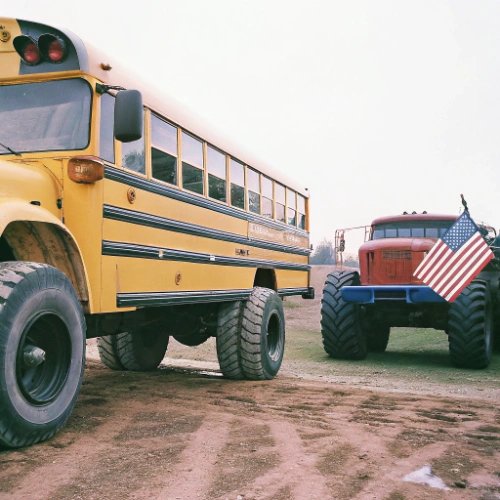
School transportation is deceptively simple: move children between home and school every day. But the solutions different countries choose say a lot about their climate, budgets, city design, and values. Some nations invest in heavily regulated yellow buses. Others lean on informal vehicles—jeepneys, pickup trucks, or family motorcycles. Some design cities so most kids simply walk or bike.
For kids ages 2–6, school buses are a perfect entry point into global thinking. They can compare colors, sizes, sounds, and safety rules while practicing vocabulary like "bright," "cold," "traffic," and "distance." This article zooms out from a single vehicle page and looks at school buses across regions.
Why America's School Buses Are Yellow
Before the 1930s, American school buses were all different colors—red, blue, white, or whatever paint was on sale. That changed in 1939 when Dr. Frank Cyr, a professor at Teachers College, Columbia University, gathered transportation officials from every U.S. state for a conference. Their goal: create national standards so school buses would be safe and recognizable everywhere.
One key decision was color. Researchers tested paint samples outside at dawn and dusk when buses typically run. The winning shade was a warm yellow that stayed visible even in fog and rain and popped in peripheral vision. Today it has an official name—National School Bus Glossy Yellow—and remains required for new American school buses.
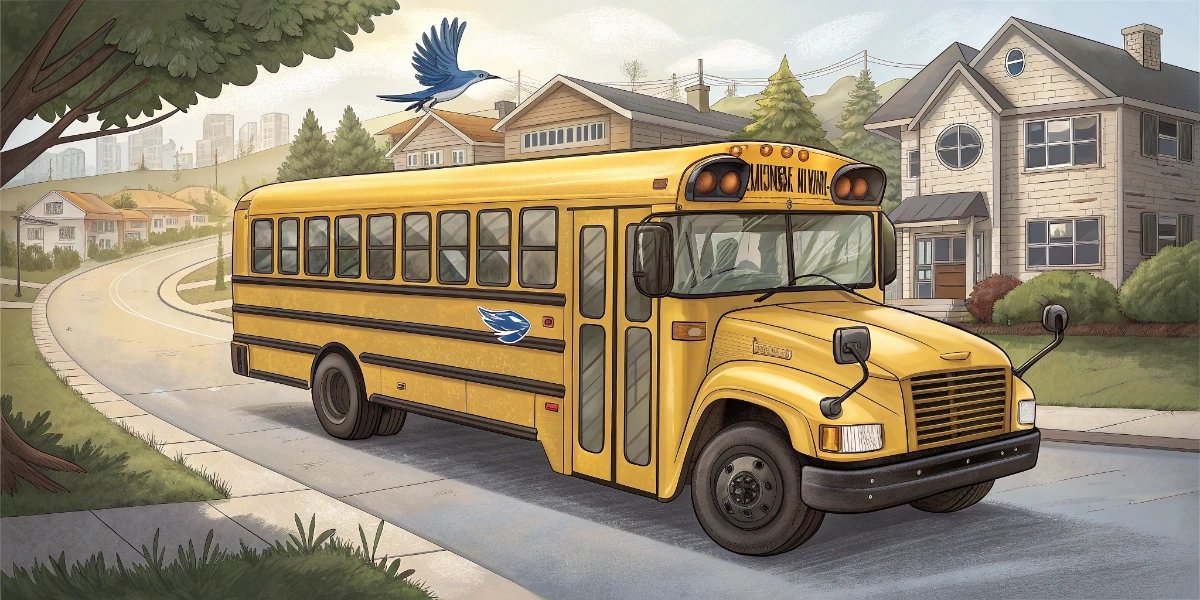
Color is only part of the safety story. Modern school buses add flashing red lights, an extending stop-sign arm, a front crossing arm that forces kids to walk where drivers can see them, and tall, padded seats that act like protective compartments. Regulations govern everything—from mirror placement to emergency exits and driver training. As a result, in the U.S. riding a school bus is much safer for children than riding in a car.
When you visit the simple school bus vehicle page, you can focus on naming parts (windows, doors, stop sign) and practicing sounds. This article adds the bigger picture—why that giant yellow vehicle exists at all.
Quick Comparison: School Buses in Seven Regions
The table below is intentionally simple—perfect for pointing and talking with a young child. Each row answers three questions:
- What do kids usually ride or use to get to school?
- What does it look like?
- What safety idea does it highlight?
| Region | Typical transport | Color / look | Safety idea |
|---|---|---|---|
| United States & Canada | Dedicated yellow school bus on fixed routes | Large yellow bus with flashing lights and stop-sign arm | Standardized safety rules nationwide |
| Japan | Walking groups plus small kindergarten buses and vans | Compact buses decorated with mascots and cartoon characters | Short distances and strong walking culture in neighborhoods |
| Scandinavia | Winter-ready buses plus walking and bikes | Yellow or orange buses with reflective tape and studded tires | Prepare for winter instead of canceling school |
| Philippines & Southeast Asia | Jeepneys, tricycles, and pickup-style school buses | Open-sided vehicles with bright paint and signs saying "SCHOOL" | Resourceful use of existing vehicles |
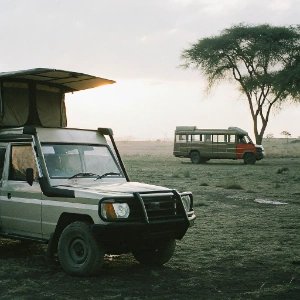
| Australia (remote) | 4x4 school buses on very long routes | High-clearance buses or trucks on dusty red dirt roads | Survival equipment for long distances and heat |
| Netherlands & bike-first cities | Bikes, cargo bikes, and short bus or tram rides | Colorful bikes and compact buses in dense, flat cities | Design the whole city so walking and biking feel safest |
You don't need to read every cell to a toddler. Instead, treat it like a picture chart—run your finger across a row and describe it in one sentence: "In Japan, kids often walk in groups and ride tiny buses with cute characters." That is enough detail for early learners.
United States & Canada: The Yellow Safety Icon
In North America, the dedicated yellow school bus is a childhood icon. Buses follow fixed routes, stop at marked locations, and are legally allowed to stop traffic in both directions. Many rural Canadian children spend over an hour on the bus each way, traveling through snow and ice to reach school.
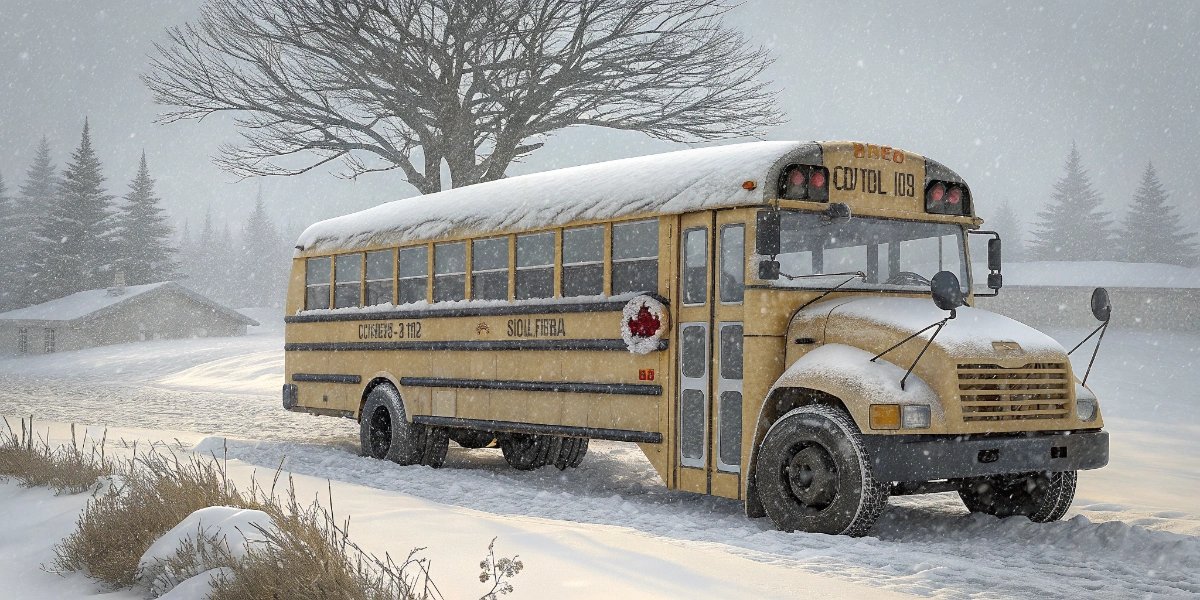
For kids, the key idea is simple: the big yellow bus is designed to be the safest vehicle on the road. When you read this section, you can compare your own experience—do you walk, drive, or ride a bus?—and talk about what rules keep everyone safe: waiting for the bus to stop completely, crossing in front where the driver can see you, and listening to the driver's instructions.
Japan: Walking Culture and Tiny Buses
In Japan, many elementary-aged children walk to school in small groups wearing bright hats or reflective covers on their backpacks. Neighborhoods are designed with narrow streets, low speed limits, and crossing guards, so everyday walking is expected. For younger children, kindergartens often run small buses or vans decorated with animals, cartoon characters, or school mascots.
Japanese school transport highlights independence and community. Adults watch from windows and doorways, but children are trusted to navigate familiar routes together. For kids, this is a chance to notice that not all countries rely on giant vehicles—sometimes the safest option is short distances and slow streets.
Scandinavia: Winter-Ready School Buses
In Scandinavia, school buses must battle months of snow, ice, and darkness. Buses use studded tires for grip, extra interior heating, and powerful headlights plus reflective markings so they stay visible in polar-night conditions. Routes are rarely canceled; instead, vehicles are equipped for the worst weather.
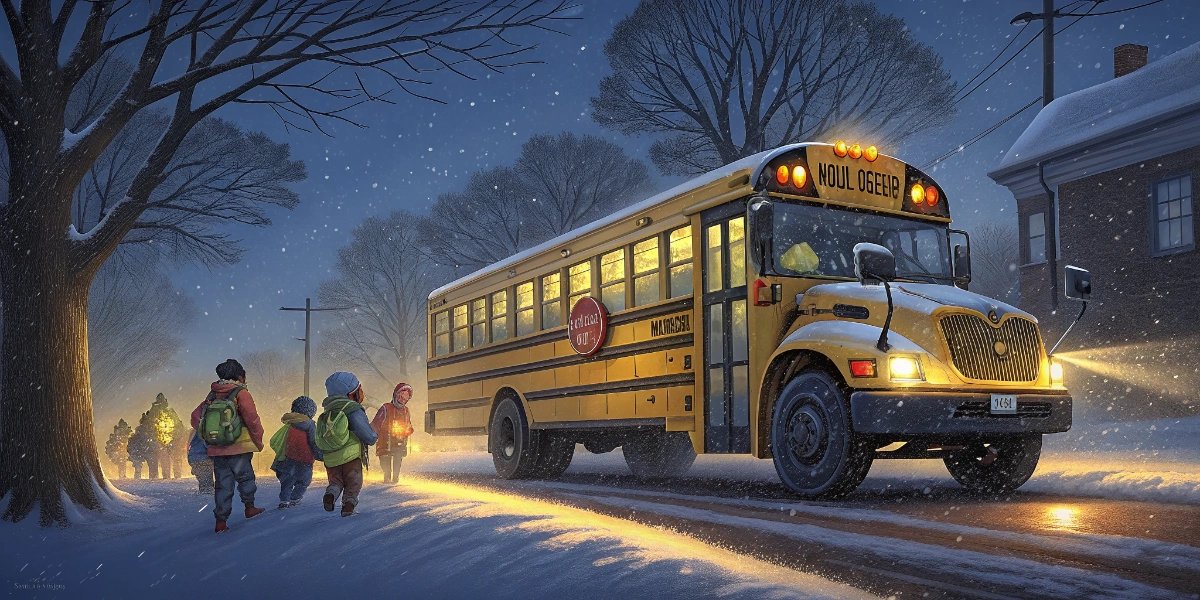
When you pair this section with the Vehicles of Scandinavia for Kids article, you can zoom out to broader transportation stories in Vehicles of the USA, Canada, Scandinavia, or Southeast Asia. Each article builds from the same idea: vehicles are windows into how different communities live, learn, and move.
Philippines & Southeast Asia: Jeepneys and Pickup School Buses
In the Philippines and parts of Southeast Asia, formal school buses are less common. Instead, children ride in jeepneys (stretched, decorated jeeps used as public transport), motorcycle tricycles, or pickup trucks converted into open-air school buses with bench seats and canopies.
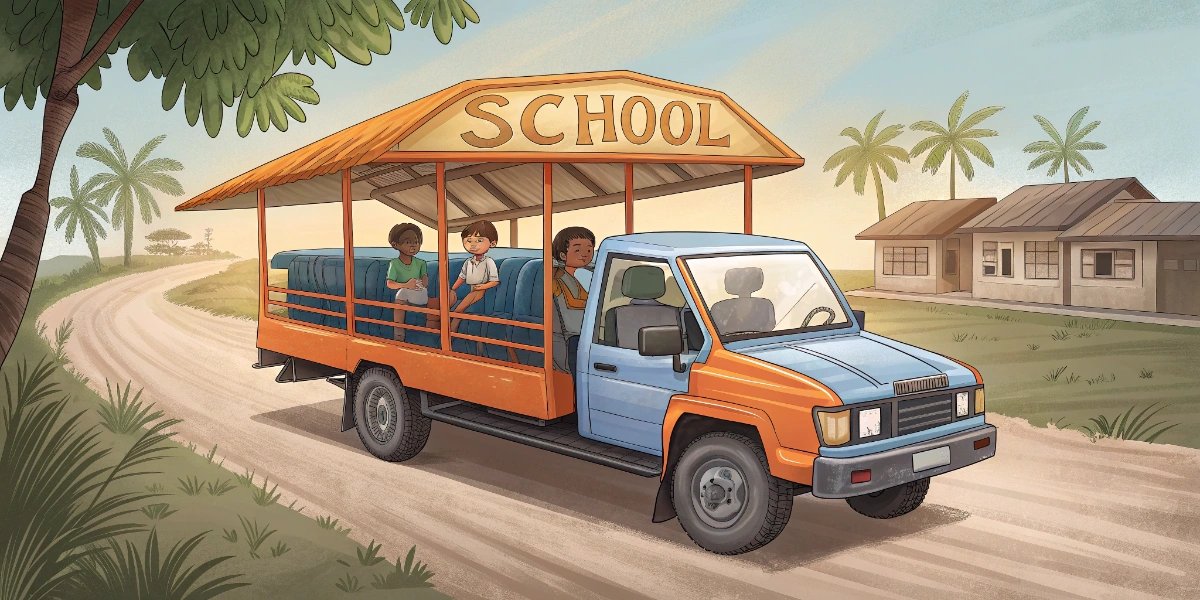
These vehicles show resourcefulness: instead of buying expensive purpose-built buses, communities adapt what they already have. Safety rules may be looser—kids might hop on and off in busy streets—but the vehicles play a crucial role in connecting rural villages to schools.
To explore these vehicles further, you can open the Vehicles of Southeast Asia for Kids article and point out how the same pickup truck can be a taxi one hour and a school bus the next.
Australia: Remote 4x4 School Buses
In Australia's Outback, some students live more than 100 miles from the nearest school. Their buses are often 4x4 vehicles with high ground clearance, long-range fuel tanks, radios, and first-aid kits. Routes may cross unsealed (dirt) roads, shallow rivers, and cattle grids.
These remote-area school buses symbolize Australia's commitment to education despite enormous distances. Drivers often know every family personally and act as daily safety check-ins for kids living on isolated cattle stations.
Bike-First Cities: When the "School Bus" Has Two Wheels
In the Netherlands and some Northern European cities, the most common "school vehicle" isn't a bus at all—it's a bicycle. Parents pedal cargo bikes with benches in front, older kids ride their own bikes, and schoolyards fill with rows of parked cycles each morning.
This model works because cities are flat, streets have protected bike lanes, and traffic laws prioritize cyclists. Where distances are short and infrastructure is safe, the best school bus might simply be a bike path.
Using School Buses to Teach Geography, Safety, and Empathy
Geography Lessons
Each school-bus style connects directly to geography:
- Snowy countries need winter-ready buses and snowplows.
- Tropical countries use open vehicles because it's hot year-round.
- Flat, dense cities can prioritize bikes over big buses.
- Huge, sparsely populated countries rely on long-distance buses and radios.
You can put a finger on the map and ask: "Would a yellow bus, a jeepney, or a bike make more sense here? Why?" That turns a simple vehicle into a geography puzzle.
Cultural Awareness
School transport also reveals cultural values:
- Regulation and safety in the U.S. and Canada.
- Independence and walking in Japan.
- Preparation for harsh weather in Scandinavia and Canada.
- Resourcefulness in Southeast Asia, where existing vehicles do double duty.
- Community responsibility in remote Australian routes.
Kids learn that there is no single "correct" way to go to school—each solution fits local needs. That builds empathy: another child's commute might be longer, colder, or more crowded than theirs.
App Connections
In Talk & Listen, the school bus sound is familiar but powerful: the diesel rumble, door hiss, and stop-arm click give you a concrete anchor while you talk about abstract ideas like safety and distance. You can practice phrases like "big yellow bus," "stop and look," or "long road" while your child taps the bus.
If your child enjoys drawing, Create & Play is a natural extension: invite them to design their own school bus for your town. Should it be yellow, blue, or covered in animal patterns? Should it have extra lights for snow or racks for bikes? Turning comparison into creation helps kids internalize what they've learned.
After you read, you can turn this into a quick game: let your child try the free Vehicle Sound Quiz to match real bus and siren sounds, then open the Compare Vehicles tool to put two favorites from this page side by side and talk about which one looks bigger, brighter, or easier to spot on your own streets.
Explore More World Vehicles
This article is part of the World Vehicles for Kids series. If your child loved comparing school buses, you can zoom out to broader transportation stories in Vehicles of the USA, Canada, Scandinavia, or Southeast Asia. Each article builds from the same idea: vehicles are windows into how different communities live, learn, and move.
 Frequently Asked Questions
 Ad-free & offline ready