Why Rural American Vehicles Matter
Many kids picture America through city images: skyscrapers, taxis, and busy highways. But a huge amount of the country is farmland—fields of corn, wheat, and soybeans, barns with cattle and pigs, and gravel roads stretching for miles. Only a small percentage of people now work in agriculture, yet those families and their machines help feed an entire nation and export food around the world.
Vehicles are at the center of this story. Tractors pull planters and plows. Combines harvest grain. Grain trucks and livestock trailers move crops and animals between fields, barns, and markets. ATVs and UTVs help farmers move quickly across rough land. Yellow school buses drive long routes to pick up farm kids. Rural mail vehicles deliver letters and packages to distant homes. Together, these vehicles show how rural life works—and how different it can be from city life.
Learning about rural vehicles helps kids understand where their food comes from, why farms are so dependent on weather and seasons, and how engineering makes it possible for a small number of people to do very large amounts of work. It also introduces ideas about community cooperation, economic risk, and the trade-offs between independence and isolation in rural areas.
If your child already loves tractor and farm truck pictures, you can pair this article with the Barnyard Wheels farm-vehicle category and simple, picture-led vehicle pages like the tractor, combine harvester, and farm truck pages. Those Barnyard Wheels resources give your child familiar images while this guide adds deeper parent context about seasons, food systems, and rural life.
What vehicles do American farmers use?
Rural American farmers use specialized vehicles that feed an entire nation: tractors (50-600+ HP pulling plows and planters), combine harvesters (cutting and threshing grain in one pass, costing $500,000+), grain trucks (hauling crops to market), livestock trailers (moving cattle and pigs), and ATVs/UTVs (checking fences and fields). These machines show how mechanization allows a tiny percentage of people to produce massive food output.
1. John Deere Tractor – American Farm Icon
What It Is
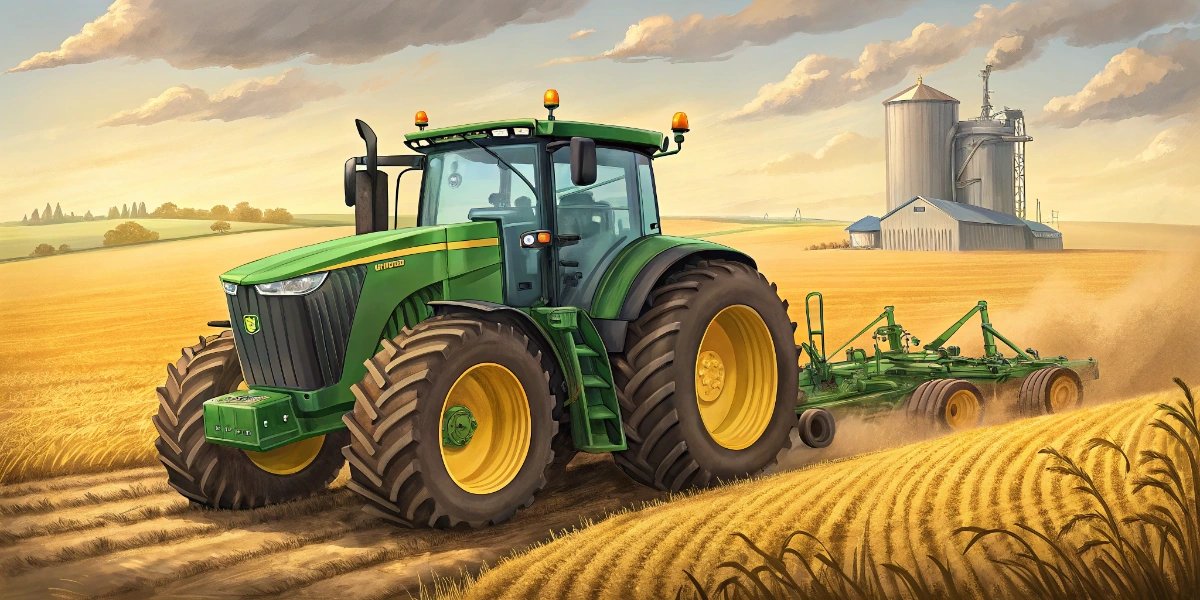
Tractors are the core work vehicles on many American farms. Classic green-and-yellow John Deere models come in many sizes—from smaller tractors that mow and haul light loads to huge machines that pull heavy plows, seeders, and other implements. Tractors can lift, tow, dig, and power many kinds of equipment through a power take-off (PTO) shaft.
Why It Matters
Machine power replacing human labor: One modern tractor does work that once took many people and animals. Instead of dozens of workers with horses or mules, a single farmer can handle large fields by coupling a tractor with the right implements.
Precision agriculture: Many tractors now use GPS-guided auto-steering, maps that show exactly how much each part of a field produces, and sensors that guide fertilizer and seed placement. This helps farmers use less fuel, seed, and chemicals while still growing strong crops.
Right-to-repair debates: Modern tractors mix heavy steel with complex software. Some systems are locked, meaning farmers cannot easily fix certain problems themselves. This has led to debates about who should control repair—manufacturers or owners.
Cultural Significance
For many families, the tractor is part of their identity. Kids grow up riding along, learning how to drive, and eventually taking over chores. Brand colors—like John Deere green—can feel as important as team colors for a favorite sport.
Fun Facts
- Modern tractors often include air conditioning, heat, and comfortable seats so farmers can work long days.
- Auto-steer systems can guide tractors along straight rows more accurately than most humans can drive.
- Implements attached to the back or front of tractors change what the vehicle can do—from planting to spraying to harvesting.
- Some families keep older tractors running for decades as backup machines or parade vehicles.
Teaching Moment
Tractors are a great way to talk about how machines multiply human effort. Kids can compare how long it would take to dig or plant by hand versus using a tractor, and think about how that changes how many people a single farm can feed.
2. Combine Harvester – Wheat Belt Giant
What It Is
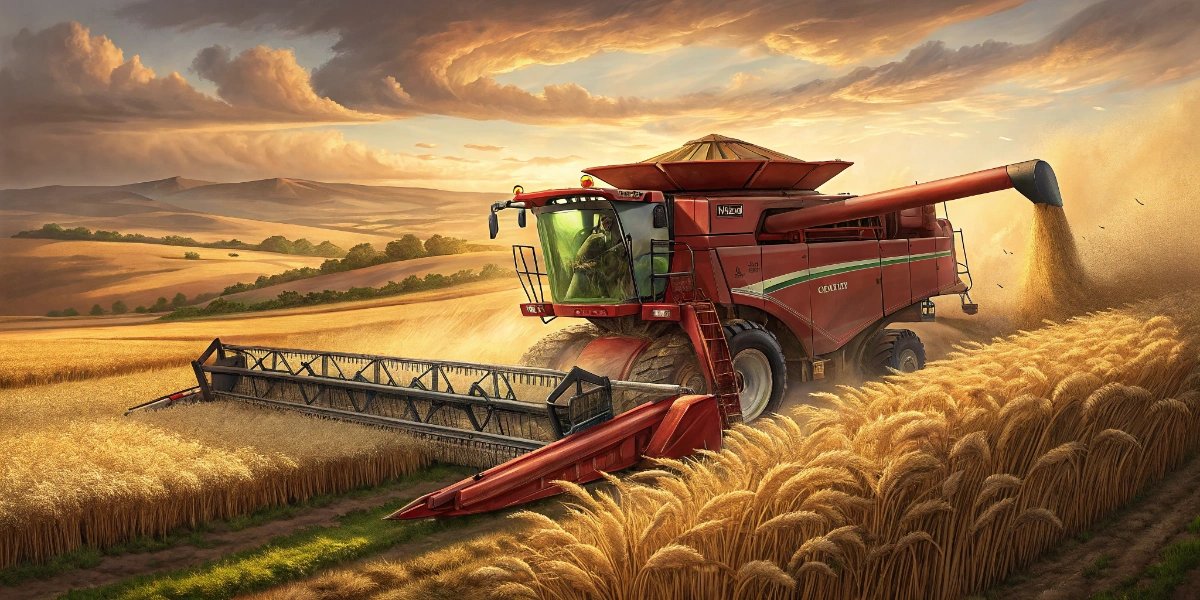
A combine harvester is a massive machine that performs several jobs at once: cutting grain crops, separating the grain from the stalks and husks, and storing the clean grain in a tank while it moves through the field. Combines are used for crops like wheat, corn, and soybeans, and they are designed to work quickly during a short harvest window.
Why It Matters
Seasonal urgency: Harvest often must happen in just a few weeks, depending on weather. Combines let farmers gather huge areas quickly so crops are not ruined by rain, wind, or early snow.
Custom harvest crews: In some regions, teams of workers move from south to north as crops ripen—following the harvest and bringing combines along. This traveling pattern shows how agriculture can be both local and highly mobile.
Data collection: Many combines include yield monitors and moisture sensors that show exactly how productive different parts of a field are. That data helps farmers plan future planting and fertilizer use.
Cultural Significance
Combines symbolize the scale of modern farming. Watching one machine sweep across a field and fill grain trucks makes it clear how a small crew can harvest enough grain to feed thousands of people.
Fun Facts
- Combines can harvest large fields at several acres per hour when conditions are good.
- Grain tanks can hold many tons of grain before unloading into waiting trucks or carts.
- Headers—the front part that cuts crops—can be swapped for different crops or field conditions.
- Some families let kids ride in the buddy seat during harvest as a special tradition.
Teaching Moment
Combines are perfect for explaining how food moves from field to breakfast. Kids can trace a path: grain harvested by a combine, hauled by trucks, stored in elevators, milled into flour, and baked into bread or cereal.
3. Farm Pickup Truck – Everyday Workhorse
What It Is
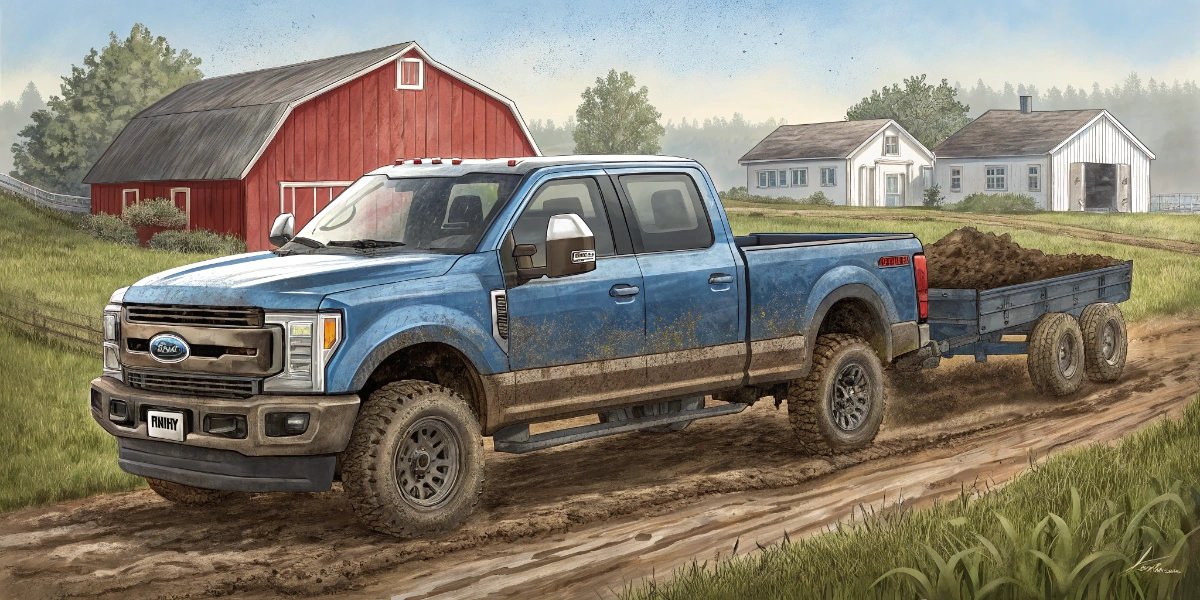
On many farms, pickup trucks are genuine work tools. They haul feed, fencing supplies, and seed, tow livestock trailers, move workers between fields, and sometimes serve as mobile offices. Unlike city or suburban pickups that may stay clean, farm trucks often carry dents, mud, and hay as signs of a busy life.
Why It Matters
Vehicle as tool: Farm pickups are chosen for towing capacity, durability, and utility, not just appearance. They often have hitches, toolboxes, and racks customized for farm work.
Real vs. symbolic truck culture: Comparing farm pickups with city pickups helps kids see the difference between a vehicle used primarily as a status symbol and one used as a daily tool.
Heavy-duty capability: Many farm trucks use diesel engines, heavier frames, and trailer brake systems to safely move animals, equipment, or grain.
Cultural Significance
The pickup truck is central to rural identity. It carries kids to school, tools to fields, and neighbors to town. It appears in country songs, family stories, and photos of everyday life.
Fun Facts
- Some farm trucks stay in service for well over a decade, passing from parents to kids.
- Back seats double as storage for maps, work gloves, notebooks, and lunch coolers.
- Farm trucks often have more miles on gravel roads than on paved highways.
- Many families nickname their trucks based on color, age, or a memorable breakdown story.
Teaching Moment
Farm pickups help kids think about how the same type of vehicle can play very different roles in different settings. Families can compare a farm truck’s day to an urban delivery truck’s day.
4. Grain Truck – Moving the Harvest
What It Is
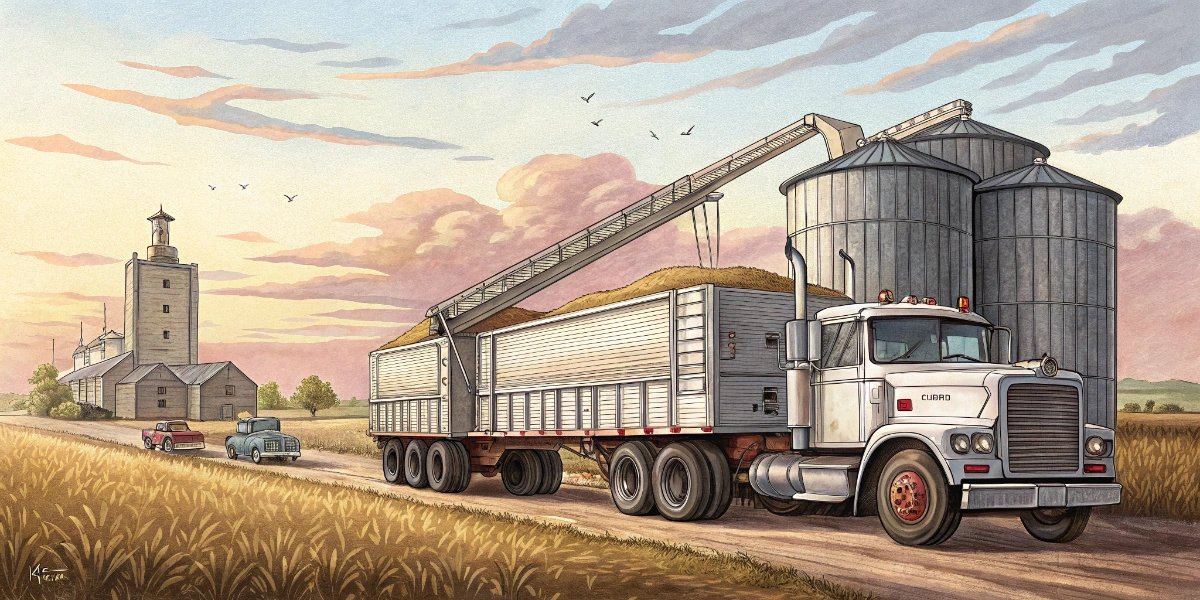
Grain trucks are medium- or heavy-duty trucks with tall beds for hauling harvested crops from fields to on-farm bins or grain elevators in town. During harvest, they shuttle back and forth between combines and storage, often running long hours each day.
Why It Matters
Logistics of harvest: Combines cannot stop for long. Grain trucks keep the flow moving—arriving before tanks are full, unloading, and returning quickly.
Community effort: Neighbors often help each other by driving trucks or lending extra vehicles during busy weeks. That cooperation helps ensure everyone finishes before bad weather hits.
Link in the supply chain: Grain trucks connect isolated fields to the wider food system—mills, feedlots, export terminals, and grocery stores.
Cultural Significance
Long lines of grain trucks at country elevators are a familiar fall scene in many towns. They signal harvest time—a season with its own smells, sounds, and community rituals.
Fun Facts
- Many grain trucks are older models that have been carefully maintained for decades.
- Some farms add extension boards to the sides of the bed to carry extra grain per trip.
- Elevators weigh trucks before and after unloading to calculate exactly how much grain was delivered.
- Drivers often eat meals in their trucks between loads during long harvest days.
Teaching Moment
Grain trucks make it easier to visualize the path from combine to storage to processing plant. Kids can imagine how many truckloads it might take to fill a giant elevator or supply a cereal factory.
5. ATV/UTV – Modern Ranch and Farm Vehicle
What It Is
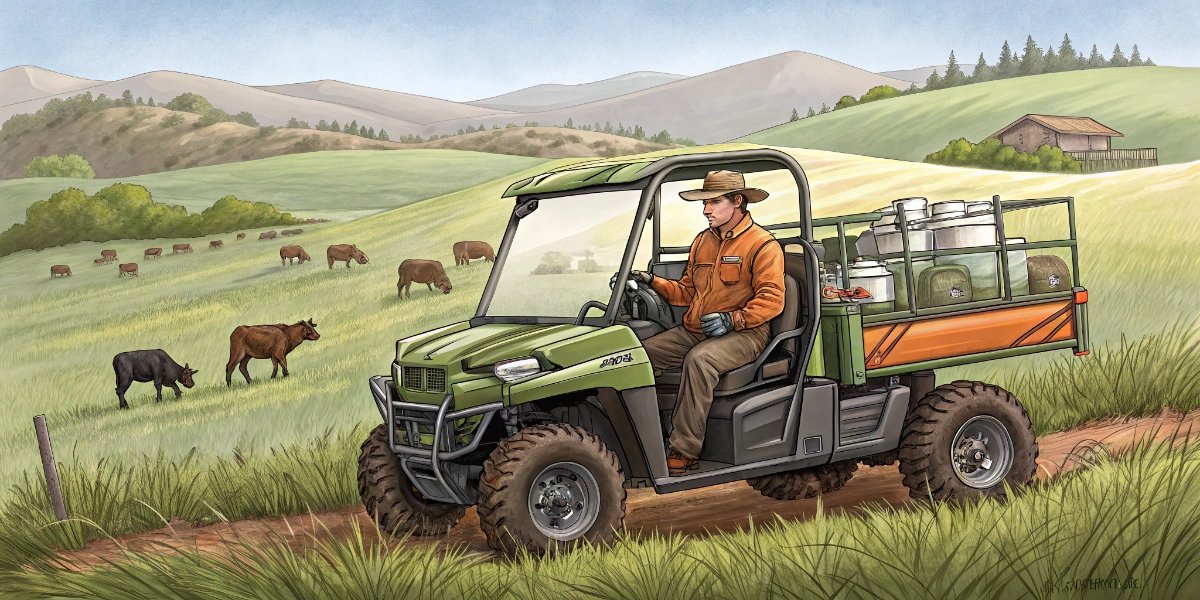
All-terrain vehicles (ATVs) and side-by-sides (UTVs) like Polaris Rangers are used on many farms and ranches. They move quickly over rough ground, carry tools, feed, and fencing supplies, and allow farmers to check animals or irrigation systems without a truck.
Why It Matters
Replacing horses for many jobs: Where horses once carried riders across pastures, UTVs now carry people and cargo together. They can reach remote fields more quickly and with less daily care than animals require.
Reaching difficult terrain: ATVs and UTVs can handle mud, hills, and narrow tracks where trucks would get stuck.
Family involvement: On some farms, older kids learn to drive ATVs or UTVs under supervision as part of their chores—showing how children contribute to family work.
Cultural Significance
These small vehicles show how farms adapt to new technology. They also highlight safety questions: helmets, speeds, and training matter when kids are involved in operating powerful equipment.
Fun Facts
- UTVs often have small cargo beds like miniature pickup trucks.
- Some farms use enclosed cab UTVs with heaters for winter work.
- ATVs are also used for spraying weeds along fence lines or checking irrigation pivots.
- Many families use the same vehicles for both work and weekend recreation.
Teaching Moment
ATVs and UTVs help kids think about balancing usefulness and risk. Families can talk about safety rules, protective gear, and why some tasks require extra caution.
6. Rural School Bus – Long Morning Routes
What It Is
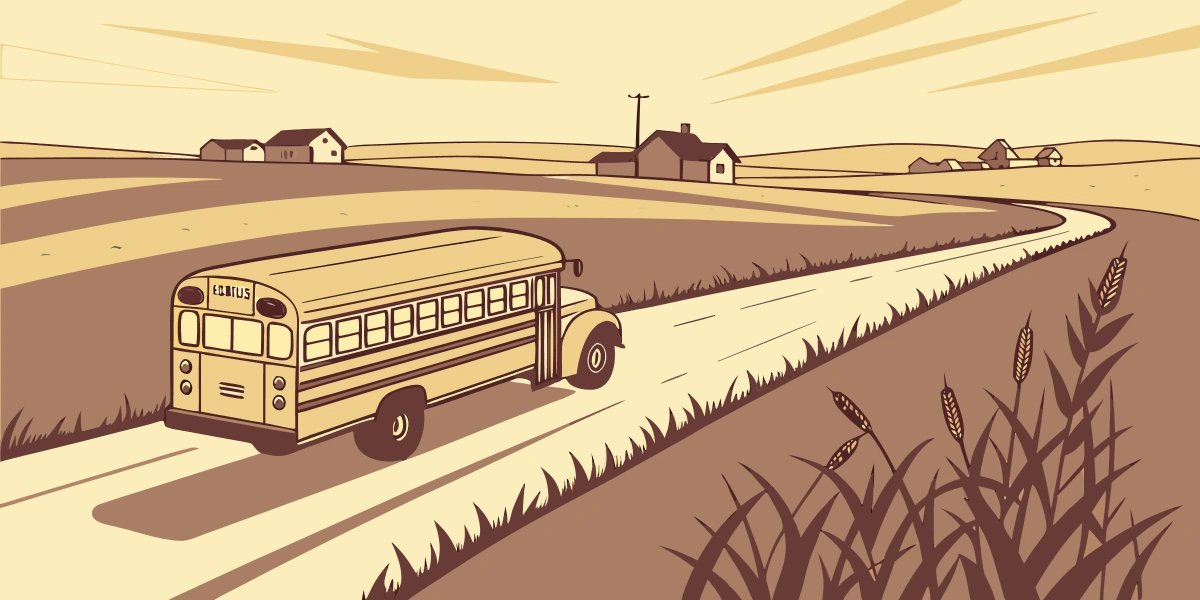
In rural areas, yellow school buses may travel very long routes on country roads—sometimes picking up children from isolated farmhouses miles apart. Some students spend an hour or more each way on the bus as they travel to and from town schools.
Why It Matters
Access to education: Long bus rides show how much effort it can take for rural kids to reach school every day. Distance should not prevent education, so transportation becomes part of the school system.
Shared experience: On many routes, children from families with different income levels, backgrounds, and farm sizes ride the same bus.
Time cost: Hours spent on the bus each week are part of rural kids' schedules, leaving less time for after-school activities but sometimes more time for chores.
Cultural Significance
Rural school buses highlight the distances and trade-offs built into farm life. They also underscore how important schooling is considered, even when it requires very long daily commutes.
Fun Facts
- Some rural bus routes begin before sunrise and return home after sunset during darker months.
- Drivers often know families personally and watch children grow up over many years.
- School buses are designed with strong safety features, including high seats and flashing stop arms.
- Winter weather can lead to delayed starts or snow days when roads are unsafe.
Teaching Moment
Rural bus routes are a chance to talk about fairness and access—how communities try to give all kids schooling, even when they live far away. Kids can compare their commute to that of farm-country peers.
7. Livestock Trailer – Moving Animals Safely
What It Is
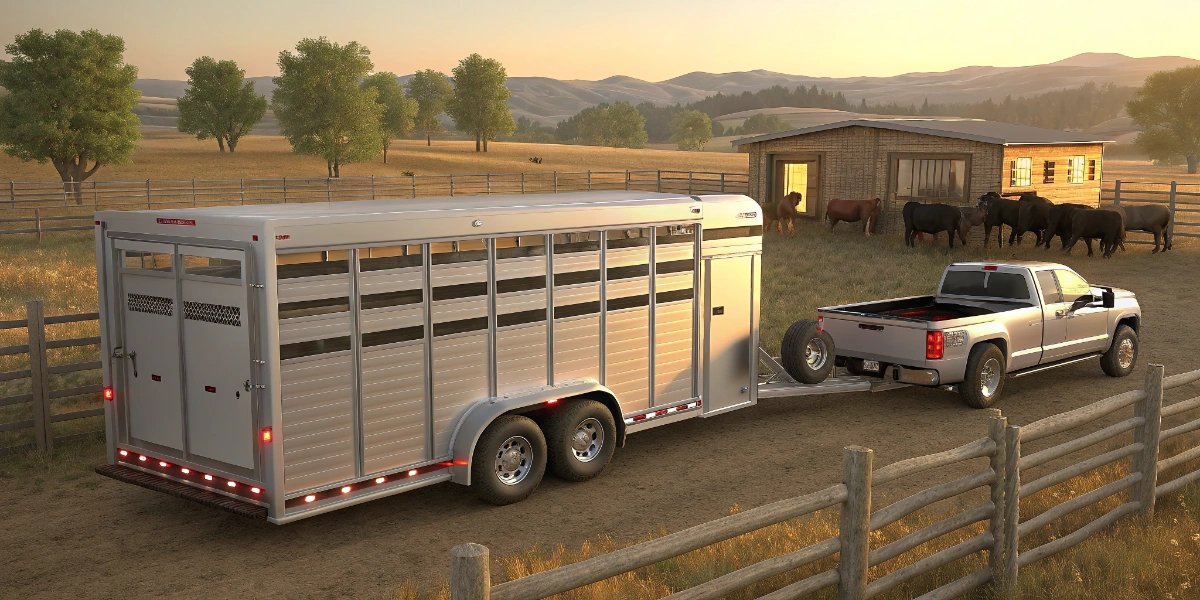
Livestock trailers—often shiny aluminum gooseneck trailers pulled by heavy-duty pickups—are used to move cattle, pigs, or sheep between pastures, to auctions, or to processing plants. Ventilated sides allow fresh air in, and non-slip flooring helps keep animals safe while the trailer moves.
Why It Matters
Connecting ranch to market: Even if animals spend most of their time on pasture, they eventually need to move—whether to new grazing land, veterinary care, or sale.
Animal welfare: Trailer design, driving style, and planning around temperature all affect animal comfort and safety.
Rural economy: Auctions and livestock markets are economic hubs where prices are set and relationships maintained.
Cultural Significance
Livestock trailers are a visible sign of ranching culture. On sale days, small towns fill with trucks and trailers as families bring animals to market and catch up with neighbors.
Fun Facts
- Some trailers are divided into compartments so different groups of animals can be separated.
- Drivers often take quiet rural routes to reduce stress on animals.
- Loading ramps and gates are designed to encourage animals to walk calmly into the trailer.
- Livestock haulers must balance schedules, weather, and animal needs carefully.
Teaching Moment
Livestock trailers let families talk about the full life cycle of meat and dairy products—from birth and pasture to transport and processing. These conversations can be handled gently but honestly, matching a child's age and sensitivity.
8. Rural Mail Vehicle – Last-Mile Service
What It Is
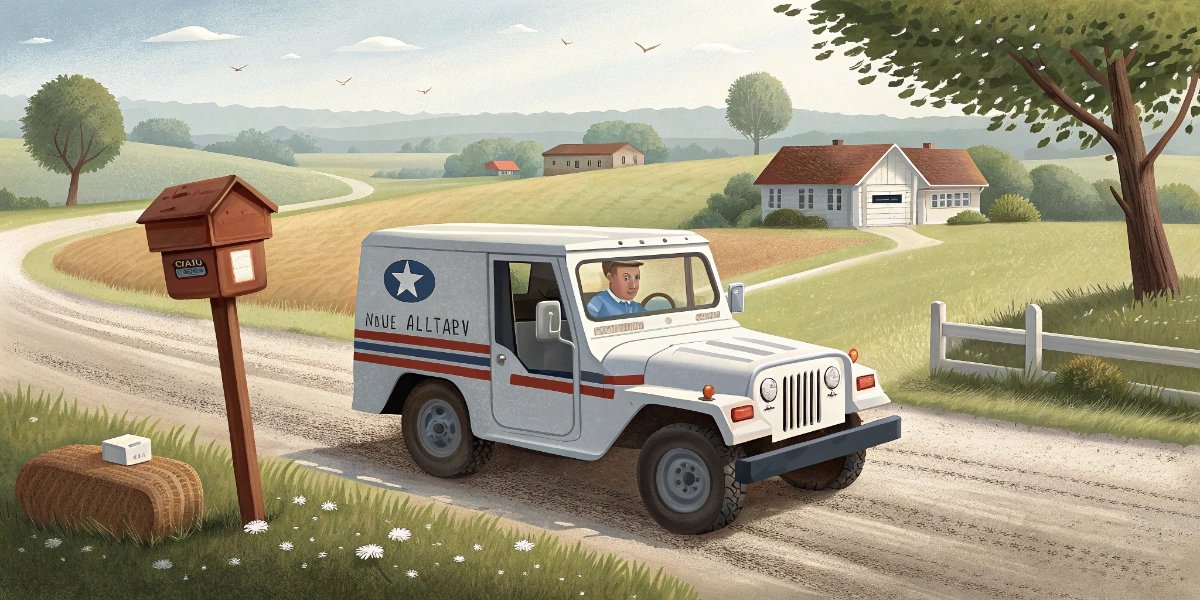
Rural mail vehicles—sometimes right-hand-drive Jeeps, vans, or small SUVs—deliver letters and packages to widely spaced mailboxes along gravel and paved country roads. Carriers often drive from the passenger side so they can reach mailboxes without getting out at every stop.
Why It Matters
Universal service: Postal delivery reaches even very remote farms, reflecting a national commitment to serving every address, not just dense neighborhoods.
Social connection: For some older or isolated residents, the mail carrier may be one of the few people they see regularly.
Challenging routes: Long distances, rough roads, and bad weather all make rural mail delivery demanding.
Cultural Significance
Rural mail vehicles represent the idea that infrastructure and services should cover the whole country—not just convenient places. They also show how much effort goes into something as simple as a letter in a mailbox.
Fun Facts
- Some rural routes cover more than 100 miles per day.
- Carriers become experts at reading weather, road conditions, and animal behavior along their routes.
- Many carriers keep emergency supplies in their vehicles in case they get stuck far from help.
- Right-hand-drive vehicles make it easier to reach roadside boxes without stepping into traffic.
Teaching Moment
Rural mail routes help kids see the hidden work behind everyday services. Families can talk about why it matters that even faraway homes are included in national systems like mail, voting by mail, and package delivery.
What These Vehicles Reveal About Rural America
Scale and Efficiency
Tractors, combines, and grain trucks show how a small number of people manage large areas of land. Machines allow a few workers to plant, tend, and harvest fields that would have taken whole communities in earlier eras.
Seasonal Rhythms
Many of these vehicles are busiest during short seasons—planting in spring and harvest in fall. Rural families plan their year around these windows, adjusting school, vacations, and even weddings so they do not clash with crucial farm work.
Rural–Urban Differences
Farm-country vehicles highlight differences between rural and urban life: long distances to school or stores, heavy reliance on personal vehicles, and a strong culture of fixing and maintaining equipment at home.
Learning Opportunities for Kids
Where Food Comes From
Rural vehicles make the food system concrete. Kids can trace how grain or animals move from fields and barns through trucks and trailers to become bread, cereal, dairy, and meat.
Engineering and Problem-Solving
Combines, tractors, and UTVs are rich examples for talking about engines, hydraulics, GPS guidance, and design trade-offs. They show how people build tools to solve specific problems.
Work, Risk, and Community
Talking about long harvest days, weather risks, and neighbor cooperation helps kids understand the emotional side of farm life—stress and uncertainty, but also pride and connection.
Discussion Questions for Parents and Kids
- How might life feel different growing up on a farm compared to a city apartment?
- Which rural vehicle would you most like to ride in, and why?
- What would happen to food supplies if harvest was delayed by weeks of bad weather?
- Do you think machines replacing human labor on farms is mostly good, mostly bad, or mixed?
- How can communities support farmers who face bad harvests due to droughts or storms?
App Connection: Linking Farm Vehicles to Everyday Food
In Talk & Listen, children practice vehicle names like trucks, tractors, and buses. Pairing those words with rural images and stories helps kids understand that the vehicles they see on roads or in picture books are part of a much bigger system that keeps store shelves stocked. Learning how tractors, trucks, and trailers work together to grow and deliver food builds gratitude and curiosity about the people behind each meal.
 Frequently Asked Questions
 Ad-free & offline ready