

What is a late talker and when should I worry?
A late talker is a toddler who understands language well but speaks fewer words than peers. Key signs: fewer than 50 words by age 2, or no two-word combinations by 2.5 years. Most late talkers (70-80%) catch up by age 3-4 with support. Consult an SLP if progress stalls or you're concerned.
If You're Worried About Your Child's Speech, You're Not Alone
- You're not imagining it. If your gut says something's different, trust that instinct.
 Late talkers are common. 1 in 5 toddlers develops speech later than peers—and most catch up.
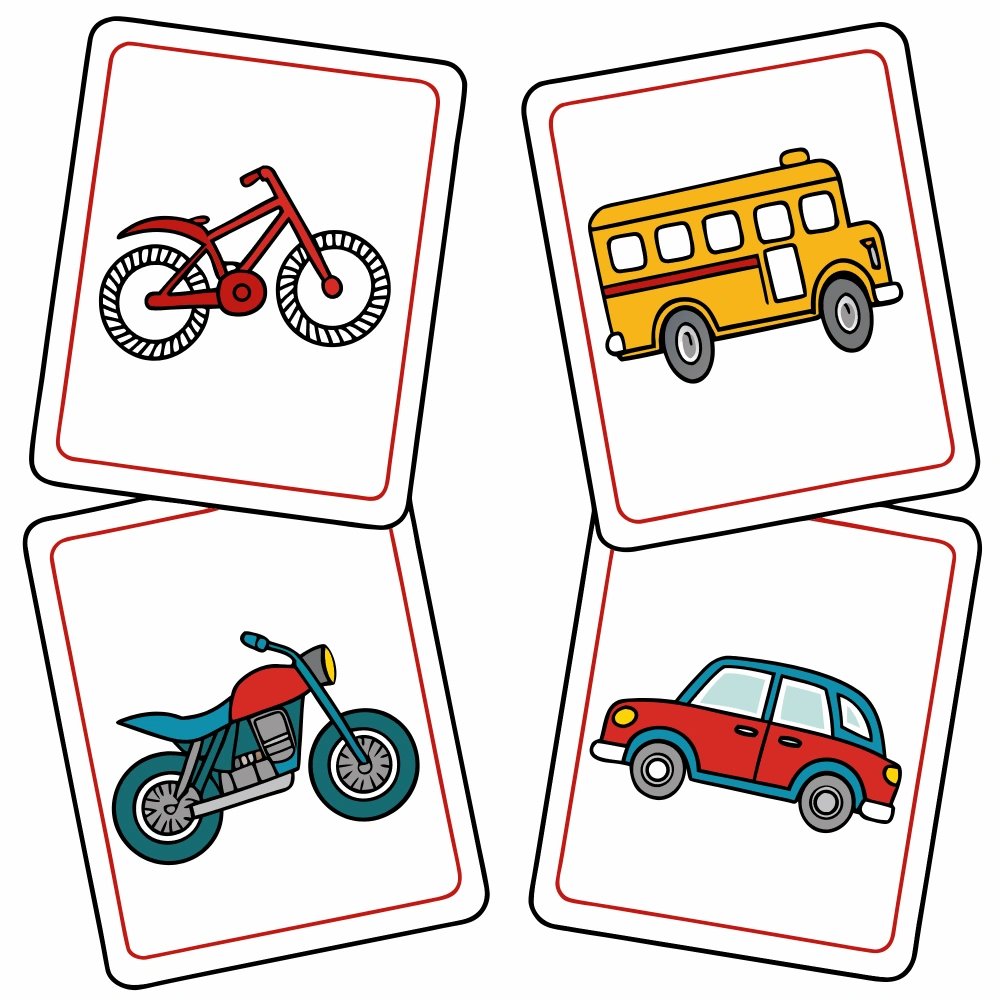
 Practice can feel like play. Vehicle sounds make speech practice exciting, not stressful.
KEY RESEARCH FINDING
1 in 5 toddlers (20%) develops speech later than peers. Most late talkers catch up naturally by age 3-4 with consistent support, but early practice makes a significant difference.
Source: American Speech-Language-Hearing Association (ASHA)
What Are the Signs Your Toddler Is a Late Talker?
Late talkers understand language well but speak fewer words than their peers. Here are the key signs by age:
By 18 Months
- ✓Says fewer than 10 words (typical: 20-50 words)
- ✓Doesn't point to objects when named
- ✓Limited use of gestures (waving, pointing)
- ✓Doesn't follow simple commands
By 24 Months
- ✓Says fewer than 50 words (typical: 200+ words)
- ✓No two-word phrases ("more milk", "daddy go")
- ✓Understood by family less than 50% of the time
- ✓Doesn't show interest in communication
Red Flags (Any Age)
- ⚠️No words by 18 months
- ⚠️Regression in language skills (losing words they once had)
- ⚠️Not responding to their name by 12 months
- ⚠️No babbling or sound play by 12 months
Important: Every child develops differently. Some late talkers are just observers who suddenly start talking in sentences. If you notice these signs, consult a speech-language pathologist for evaluation—early intervention makes a huge difference.
Prefer a quick milestone check?
Use the Late Talker Quiz to walk through CDC-based speech milestones for your child's age in about 2 minutes.
Jump to the Late Talker QuizWhat's the Difference Between Late Talkers and Speech Delays?
Late talkers are toddlers who understand language well (receptive language) but speak fewer words than their peers (expressive language). Here's what to look for:
Late talkers typically have fewer than 50 words by 24 months (compared to 200+ for typical development) but demonstrate age-appropriate comprehension and social engagement—approximately 10-15% of toddlers qualify as late talkers, with 70-80% catching up naturally by age 3-4.[1]
Typical Late Talker Signs:
- •By 18 months: Fewer than 10 words (most have 20-50)
- •By 24 months: Fewer than 50 words or no two-word phrases
- •By 30 months: Limited vocabulary growth or unclear speech
- •Good comprehension: Follows directions, understands questions, but doesn't speak much
Important: Every child develops differently. Some late talkers are just observers who suddenly start talking in sentences. Others need extra support. When in doubt, get a professional evaluation—early intervention makes a huge difference.
Learn more about identifying late talkers and what to expect.
Speech Terms Explained
New to speech therapy terminology? Our glossary explains these terms in plain English:
How to Help Your 2-Year-Old Start Talking
If your 2-year-old isn't talking much, here are 5 proven strategies that actually work—backed by speech-language pathologists and tested by parents:
These evidence-based techniques focus on high-frequency practice (3-5 repetitions daily), pause-and-wait processing time (5-10 seconds), and vehicle-based onomatopoeia which uses early-developing phonemes (/m/, /b/, /v/) that toddlers can produce more easily than complex words.[2]
Use Vehicle Sounds to Model Speech
Point to vehicles (real or toy) and make exaggerated sounds: "VRRRM goes the car!" Repeat 3-5 times daily during play. Vehicle sounds are easier to pronounce than complex words and toddlers are already obsessed with trucks.
Why it works: Sounds like "beep," "vroom," and "choo-choo" use simple phonemes toddlers can master early—specifically bilabial sounds (/b/, /m/) and early consonants (/v/, /ch/) that develop between 12-24 months.
Practice Pause-and-Wait Technique
After modeling a word, pause 5-10 seconds and look expectantly at your child. This creates space for them to attempt the sound. Don't fill the silence—wait for their response.
Why it works: Many toddlers need processing time. Rushing them increases pressure and reduces attempts.
Narrate Daily Routines
During meals, baths, or car rides, describe what you're doing in simple 2-3 word phrases: "Pour water," "Wash hands," "Big truck!" This constant language exposure builds vocabulary naturally.
Why it works: Repetitive daily routines provide predictable language patterns toddlers can learn.
Celebrate Approximations
If your child says "ca" for "car," respond enthusiastically: "Yes! Car!" Don't correct—model the full word and move on. Corrections create pressure and reduce attempts.
Why it works: Positive reinforcement encourages more attempts. Corrections discourage communication.
Track Progress Weekly
Note new sounds or words in a journal. If no progress after 4-6 weeks, consult a speech-language pathologist for evaluation. Early intervention makes a huge difference.
Why it works: Tracking helps you see gradual progress and know when professional help is needed.
Remember: Most late talkers catch up by age 3-4 with consistent support. These strategies work best when practiced daily in a pressure-free environment.

Practice these techniques with vehicles
Turn speech practice into play with 100+ vehicles, interactive stories, and phoneme games.
Try Talk & ListenWhy Are Vehicle Sounds So Effective for Late Talkers?
Vehicle sounds (onomatopoeia) are uniquely powerful for late talkers. Here's why they work:
Easy to Pronounce
Sounds like "beep," "vroom," and "choo-choo" use simple phonemes that toddlers can master early. They're less frustrating than complex words like "excavator."
🔁Naturally Repetitive
Kids love repeating vehicle sounds. This natural repetition builds motor memory for speech sounds without feeling like practice.
😊Emotionally Engaging
Vehicles are exciting! When kids are emotionally engaged, they're more motivated to communicate and practice new sounds.
Phoneme Practice
Each vehicle sound targets specific speech sounds: "b" in beep, "ch" in choo-choo, "v" in vroom. It's stealth speech therapy.
Free Speech Practice Cards
Download our free vehicle sound cards for speech practice at home. Perfect for late talkers and toddlers building vocabulary.
Get free printables →Research shows that onomatopoeia accelerates speech development in late talkers. It's not just fun—it's effective.
What Are the Best Apps for Late Talkers?
Not all "speech apps" are created equal. Here's what to look for—and what actually works:
Talk & Listen: Built for Late Talkers
From fire trucks to trains—sounds kids actually want to repeat.
Systematically covers all speech sounds across 4 developmental tiers.
Turn-taking activities that build communication skills naturally.
Bedtime stories become speech practice without the struggle.
Read our detailed late talker app guide to see how Talk & Listen compares to other speech apps.
What Strategies Actually Help Late Talkers?
Beyond apps, these research-backed techniques make a real difference:
1. Pause and Wait Technique
After asking a question or making a comment, pause for 5-10 seconds. This gives your child time to process and respond. Don't rush to fill the silence—it's where communication happens.
2. Expand Their Words
When your child says "car," respond with "Yes! Big red car!" You're modeling language without correcting. This expansion technique builds vocabulary naturally.
3. Follow Their Lead
Talk about what interests them. If they're obsessed with trucks, use trucks to teach language. Motivation is everything for late talkers.
4. Reduce Pressure
Never force speech. Instead of "Say truck," try "I see a truck! Vroom vroom!" Model the language you want to hear without demanding it. Pressure creates anxiety, which slows progress.
5. Read Interactive Books
Books with sounds, flaps, and textures encourage participation. Point to pictures, make sounds, and let your child "read" in their own way. Engagement matters more than perfect reading.
When Should You Seek Professional Help?
Most late talkers catch up with support at home. But sometimes professional help makes a big difference. Consider evaluation if:
Red Flags for Evaluation:
- ⚠️Your child has fewer than 50 words by age 2
- ⚠️No two-word phrases by 2.5 years
- ⚠️Difficulty understanding simple directions
- ⚠️Frustration or tantrums due to communication struggles
- ⚠️Limited social interaction or eye contact
- ⚠️Regression—losing words they once had
Trust your instincts. If you're worried, get an evaluation. Speech-language pathologists can assess your child and provide targeted strategies. Early intervention is incredibly effective.
Many regions offer free or subsidized early intervention services for children under 3. Contact your local program or ask your doctor for a referral.
You're Not Alone: Real Stories from Parents
"My son said 'car' before 'mama.' I was worried, but our SLP said it's actually common for late talkers to start with sounds they love. Now at 3, he won't stop talking about trucks—and his speech is catching up fast."
— Parent of a late talker, age 3
"Talk & Listen was a game-changer. My daughter wouldn't practice sounds with me, but she'd repeat 'beep beep' and 'choo choo' for 20 minutes straight with the app. It didn't feel like therapy—it felt like play."
— Parent of a 2.5-year-old late talker
"I spent months comparing my son to other kids at daycare. Once I stopped worrying and started following his lead with vehicles, everything changed. He's still a late talker, but he's making progress—and I'm less stressed."
— Parent of a 2-year-old
Read more about when your toddler says "car" but not "mama"—and why it's actually okay.
Confused by Speech Therapy Terms?
Fronting, gliding, gestalt language processing—your child's therapist may use terms that sound unfamiliar. Our Speech Therapy Glossary explains 50+ terms in plain language with practical examples.
Browse the Glossary →More Resources for Late Talker Families
Is Your Toddler a Late Talker?
Signs, milestones, and when to worry (or not).
Late Talker App Guide: What Works
Evidence-based review of speech apps for late talkers.
Why Vehicle Sounds Help Speech
The science behind onomatopoeia and language development.
Pause and Wait Technique
Simple strategy that gives late talkers time to respond.
Apps for Speech Delays
Gentle communication practice for toddlers with delays.
Speech App for Toddlers
General speech development for all toddlers ages 2-6.
Your Child Will Find Their Voice
Late talkers are common, and most catch up with patience and support. You're doing great by seeking information and strategies. Keep following your child's lead, reduce pressure, and celebrate every sound—even "vroom."
Try Talk & Listen — $4.99 Ad-free & offline ready