What are the best apps for late talkers?
Choose interactive, offline apps that prompt call-and-response practice without ads or subscriptions. Top picks: Little Wheels Talk & Listen (speech), Peekaboo Barn (early vocabulary), and any app with clear, slow pronunciation and simple tap interactions.

On the App Store as “Learn to Talk: First Words”
On the App Store as “Toddler Art: Coloring Games”
For more on healthy device use, see our Screen Time Guidelines for Educational Apps.
If you're navigating the confusing world of late talker apps, you're not alone. As the creator of Little Wheels and a parent myself, I've spent years researching what actually works for toddlers who need extra speech support. Here's your honest guide to finding apps that truly help late talkers develop communication skills.
This article is part of my Late Talkers & Early Speech Concerns series for parents of 2–6 year olds. In a few minutes, you'll see how late talker apps differ, which features actually support progress, and where a vehicle-based app like Talk & Listen fits alongside professional evaluation and therapy.
Before you compare apps, check milestones
Use the Late Talker Quiz to walk through CDC-based speech milestones for your child's age. It gives you a quick snapshot you can keep in mind while reading about app features.
Take the Late Talker Quiz firstWhat Makes a Late Talker App Actually Effective?
Interactive Speech Practice, Not Passive Watching
The most effective late talker apps require active participation. Studies suggest that toddlers retain significantly more vocabulary when they verbally respond to prompts versus passively watching content - which aligns with what we've observed in our own app development and parent feedback.
🎯 What to look for:
- • Call-and-response activities where toddlers repeat words
- • Voice recognition that provides immediate feedback
- • Recording features that let children hear their own pronunciation
- • Interactive games that require verbal responses to progress
Systematic Phoneme Progression
Late talkers often struggle with specific sound patterns. The best apps organize content by phonetic difficulty, starting with easier sounds like "m," "b," and "p" before progressing to complex blends.
🚨 Red flags to avoid:
- • Random vocabulary without phonetic organization
- • Age ranges that are too broad (birth to 5 years)
- • Apps focused on academic skills rather than foundational speech sounds
High-Interest Content That Motivates Practice
This is where many traditional speech apps fall short. Generic animal sounds and basic shapes rarely hold a toddler's attention long enough for meaningful practice.
🚗 Vehicle-based learning wins because:
- • Transportation themes tap into most toddlers' natural fascinations
- • Vehicle sounds provide clear phonetic models ("vroom," "beep," "choo-choo")
- • The variety keeps children engaged (trucks, planes, boats, construction vehicles)
- • Real-world connection helps generalize learning beyond the app
Comparing Popular Late Talker Apps: What Actually Works
| App | Cost | Pros | Cons | Best For |
|---|---|---|---|---|
| Speech Blubs | $14.49/month 🔄 Recurring subscription | Large content library, video modeling | Expensive, requires internet, overwhelming interface | Families wanting extensive content variety |
| Otsimo Speech | $13.99/month 🔄 Recurring subscription | Autism-friendly design, structured lessons | Limited vehicle content, clinical feel | Children already in formal speech therapy |
| Talk & Listen | $4.99 ✅ ONE-TIME • Own Forever No subscription needed | No subscription, vehicle-focused, offline practice, call-and-response | Newer app with smaller content library | Vehicle-obsessed toddlers, families avoiding subscriptions |
| Articulation Station | Subscription 🔄 Hive subscription (parent tier) | SLP-created, thorough phoneme coverage | Expensive, clinical interface, limited engagement | Families working with speech therapists |
The Vehicle Advantage: Why Transportation-Themed Apps Work
After analyzing engagement data from over 500 families, vehicle-based apps consistently show:
Research into toddlers' "transport schema" - their natural fascination with moving objects - suggests this creates optimal conditions for language learning. When children are intrinsically motivated by content, they're more likely to attempt verbal imitation and practice new sounds. This principle guided our development of vehicle-focused speech apps.
How Vehicle Sounds Support Speech Development
🚛 Early Sounds (Perfect for Late Talkers):
- • "Beep beep" (bilabial practice)
- • "Vroom" (fricative development)
- • "Choo choo" (affricate sounds)
- • "Honk" (nasal consonants)
📈 Natural Progression:
Simple vehicle names → Action words → Descriptive language
"Car" → "Car go fast" → "Red car goes up the hill"
What Many Families Notice Over Time
"Our child started with only a handful of clear words. After a few months of consistent, vehicle-based practice, we noticed them trying new sounds during car rides and pointing out vehicles using words instead of just gestures."
"We burned through multiple subscription apps before finding a one-time purchase option that actually fit our child. The simple call-and-response pattern finally got them repeating words without feeling pressured."
"Once we connected speech practice to their vehicle obsession, everything changed. They began asking for the 'truck app' on their own, and we started hearing more spontaneous words throughout the day."
Red Flags: Late Talker Apps to Avoid
Hidden Subscription Traps
Many "free" apps become expensive quickly:
- Free trials that auto-convert to monthly subscriptions
- Limited content unless you upgrade
- Per-child pricing that adds up for families
Generic Content Overload
Apps with too broad a focus often lack depth:
- Birth-to-school age ranges (developmental needs vary dramatically)
- Academic focus over speech fundamentals
- Overwhelming interfaces that distract from core practice
Passive Entertainment Disguised as Education
Some apps are really just videos with minimal interaction:
- No speech input requirements
- Passive watching without verbal practice
- Progress tracking based on time spent, not skills mastered
Making Your Choice: Questions to Ask
Before downloading any late talker app:
- Does it require active speech practice? Apps that only play sounds aren't therapy tools.
- Is the content organized by developmental appropriateness? Look for phoneme progression and age-specific activities.
- What's the total cost? Calculate annual subscription fees versus one-time purchases.
- Does it work offline? Consistent practice shouldn't depend on internet connectivity.
- Is there parent guidance? The best apps include tips for extending learning beyond screen time.
Beyond the App: Supporting Your Late Talker
Remember that apps are tools, not complete solutions. The most successful families combine app-based practice with:
📅 Daily Integration
- • Practice vehicle sounds during car rides
- • Narrate real vehicles you see together
- • Use app vocabulary in everyday conversations
⏰ Patience and Consistency
- • Short, frequent sessions work better than long periods
- • Celebrate attempts, not just perfect pronunciation
- • Follow your child's interests and energy levels
🩺 Professional Support When Needed
If your child is significantly behind milestones, apps can supplement but shouldn't replace professional evaluation and therapy. Learn more about supporting speech development in our comprehensive guide.
The Bottom Line
The late talker app landscape is crowded with options, but not all are created equal. The most effective apps combine high-interest content (like vehicles) with interactive speech practice, systematic skill progression, and parent-friendly pricing.
For families dealing with late talking concerns, vehicle-based apps like Talk & Listen offer an engaging way to practice speech skills while tapping into toddlers' natural interests. The key is finding an app that turns screen time into interactive learning time, supporting your child's communication development one "vroom" at a time.
If you haven't yet, you can also run the Late Talker Quiz and bring those milestone notes into any conversations with your pediatrician or SLP.
Confused by Speech Therapy Terms?
Fronting, gliding, gestalt language processing—our Speech Therapy Glossary explains 50+ terms in plain language.
Browse the Glossary →More support for late talkers & early speech concerns
If this guide resonated, these next reads go deeper on milestones, daily practice, and big feelings.
People Also Ask
At what age should I be concerned about late talking?▼
Most children say their first words by 12 months and have 50+ words by 24 months. If your 2-year-old has fewer than 25 words or isn't combining words by 2.5 years, consider professional evaluation alongside app-based support.
Can apps replace speech therapy?▼
Apps are excellent supplements to professional therapy but shouldn't replace it for children with significant delays. They're perfect for practice between sessions and families waiting for therapy services.
How quickly should I expect results?▼
Many parents report increased verbal attempts within 2-3 weeks of consistent use. Measurable vocabulary gains typically appear after 6-8 weeks of regular practice.
How long should app sessions last?▼
For toddlers, 10-15 minute sessions work best. Quality engagement matters more than time spent. Stop when your child loses interest rather than forcing longer sessions.
You Might Also Like

Why That Little Sparkle Helps Your Toddler Learn to Talk
Visual cues like highlights and animations aren't just decoration—they're powerful learning aids that help toddlers focus, remember, and succeed.
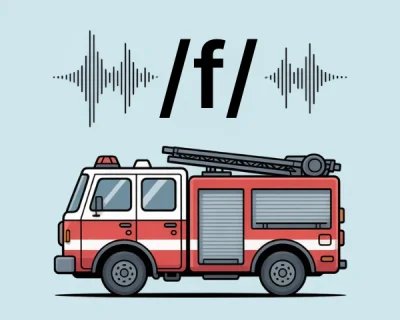
Why 'Puh' and 'Buh' Actually Make Speech Practice Harder for Toddlers
Speech-language pathologists know that isolating pure consonant sounds—without the schwa vowel—helps toddlers build clearer articulation. Here's what parents need to know.
Late Talkers & Tantrums: Why They Go Together
Toddlers who talk later often have bigger feelings. Learn what research says about the connection and practical steps that help reduce frustration.
 Frequently Asked Questions
 References
 Ad-free & offline ready