Why your toddler wants to do the same thing 10 times (and why that's great)
Why do toddlers repeat the same things?
Repetition builds neural pathways, confidence, and mastery. It’s normal for toddlers to repeat words, sounds, and actions—they’re practicing skills in a safe, predictable way. Offer small variations and let them lead.
Prefer to start with healthy screen-time basics? Read our Screen Time Guidelines for Educational Apps.
"Again! Again!" Isn't a Bug — It's a Feature
If your toddler asks to color the same truck 12 times in a row in an app like Create & Play... or play the same sound in Talk & Listen... or request the same story every single night... you're not alone.
And no — your child isn't stuck. They're learning.
"Repetition is one of the most powerful tools toddlers use to understand the world."
In fact, doing something over and over again is how toddlers build confidence, neural connections, and mastery. Let's break down why repetition matters—and how to spot the difference between developmental gold and zombie tapping.
Why Toddlers Repeat Everything (Yes, Everything)
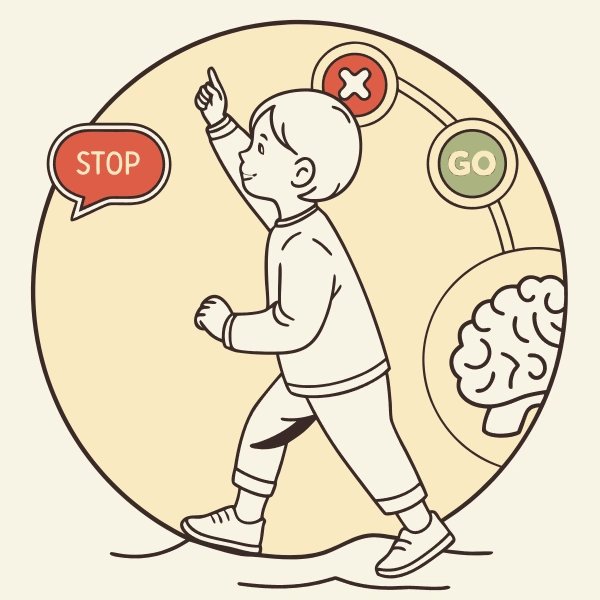
🧠 Repetition = Brain Wiring
During ages 2–4, your toddler's brain is experiencing rapid neural growth. Repeated actions can help strengthen neural connections—similar to how a frequently used path becomes more established.
- Repeated exposure to words can increase likelihood of speech production
- Repeated interactions with cause-effect activities may support understanding
- Consistent patterns in play can help develop prediction skills
Think of repetition as the toddler version of practice.
💪 Repetition Builds Confidence
Young children love doing what they know how to do. Mastery makes them feel powerful. Predictability gives them safety. That's why:
- They repeat words they're proud of saying
- Rewatch videos they understand
- Redo art they feel good about
Repetition isn't about boredom—it's about control.
How to Spot Healthy Repetition vs Passive Loops
Not all repetition is helpful. Here's how to know the difference:
| ✅ Developmental Repetition | ❌ Zombie Tapping |
|---|---|
| Child is actively engaged | Child is zoning out or not reacting |
| Play changes slightly each time | Identical movement with no curiosity |
| Child laughs, reacts, or narrates | Blank expression or frustration |
| Child initiates the repeat | App is auto-looping content |
Tip: Ask your child, "What's happening?"
If they can't describe it—or don't seem interested anymore—it's time to switch.
Why Repetition Is Built Into Create & Play
We've designed repetition into Create & Play not by accident, but on purpose. Here's how:
🎨 Coloring That Encourages Re-doing
- Vehicle designs are designed to be colored repeatedly
- Visual feedback is designed to reinforce repetition with variation
- Multiple coloring modes are planned to support skill development
🎧 Sound Loops That Invite Exploration
- Children remix horns, sirens, and music tracks repeatedly
- Each mix feels different—but has familiar elements
- Repeating patterns support rhythm learning
🚛 Physics Stickers With Predictable Play
- Vehicle stickers are designed to respond consistently to interactions
- Predictable responses are intended to support cause-effect learning
- Repeated interactions may help build confidence with physics concepts
What Research Says About Repetition and Learning
According to studies published by the National Association for the Education of Young Children (NAEYC) and Zero to Three, repetition in toddlerhood supports:
- Vocabulary acquisition (especially verbs and function words)
- Working memory development
- Emotional regulation through predictability
- Motor pattern mastery

Research from ZERO TO THREE (the national nonprofit for infant and toddler development) emphasizes that toddlers benefit from multiple opportunities to practice new skills in familiar contexts, using repetition as a way to explore complexity with growing confidence.
"But Should I Be Worried They Only Want One App?"
Short answer: probably not.
Children often latch onto a favorite activity while their brain works hard to make sense of it. When they're ready, they'll branch out.
Your job isn't to push variety.
It's to offer high-quality repetition.
So instead of asking "How do I get them to try something else?" ask: "Is this helping them grow?"
How to Support Repetition in Healthy Ways
Here's how to embrace repetition without letting it slide into overuse:

1. Name What They're Doing
"You're coloring the garbage truck again! That helps you practice staying in the lines."
2. Offer Variation on a Theme
"Do you want to try coloring the race car today, or remix your firetruck beat?"

3. Let Them Narrate
Ask: "What happens when you tap that horn?" or "Why did you pick that sticker again?"

4. Respect Their Repeats
You don't need to change the activity—just stay present. Boredom is often our feeling, not theirs.
Repetition Isn't Regression. It's Refinement.
Your toddler isn't "stuck." They're sticking with what works.
When the tools are open-ended, safe, and creatively rich, repeating is how they level up.
Create & Play was designed to support those tiny breakthroughs—one beat, one brush stroke, and one bouncing vehicle at a time.

Support Healthy Repetition
Create & Play offers open-ended creative tools that celebrate your toddler's natural learning process. Each "again!" builds confidence, skills, and neural connections.
Important Note: Every child develops at their own pace. The information in this article is for educational purposes and should not replace professional guidance. If you have concerns about your child's development or repetitive behaviors, consult with your pediatrician or a qualified child development specialist.
Further Reading
Questions about supporting healthy repetition?
Email us at sean@recordcreativeco.com—we love helping families understand the science behind toddler learning patterns.