Why do late talkers have more tantrums?
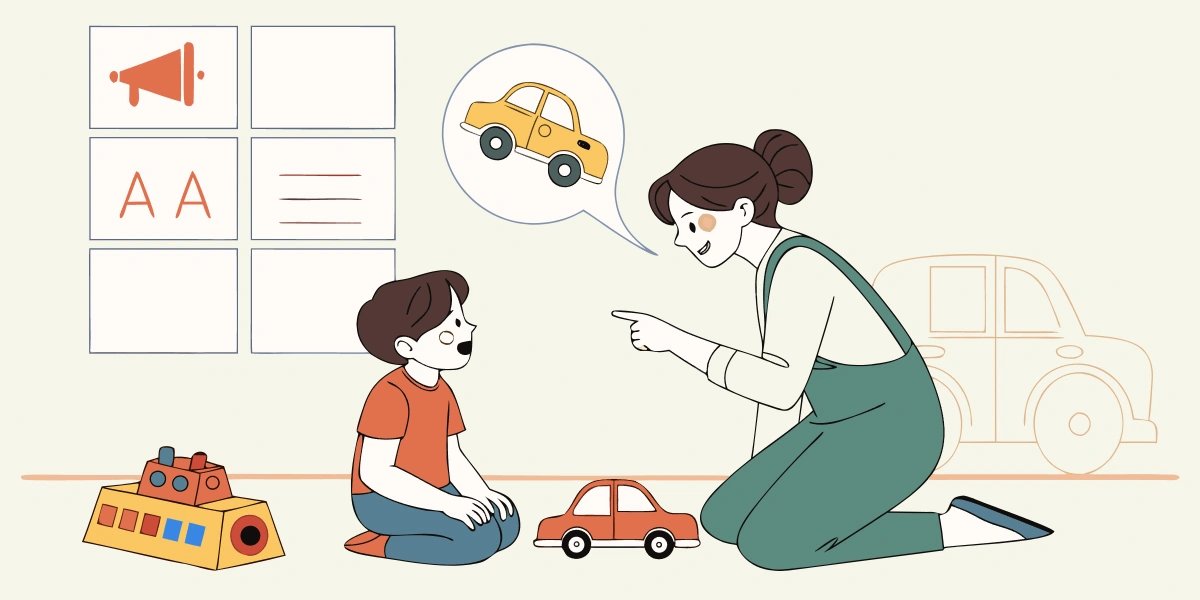
Research shows toddlers with smaller expressive vocabularies are more likely to have frequent, severe tantrums. Language is a bridge between feelings and needs—when that bridge is still under construction, big feelings have fewer safe exits and can come out as biting, throwing, or hitting.
Why late talking and big tantrums often show up together
If your toddler is saying fewer words and throwing volcano‑level tantrums, you are absolutely not alone. Research has found that toddlers with smaller expressive vocabularies are more likely to have frequent, severe tantrums. That doesn’t mean one causes the other, but it does tell us these two challenges tend to travel together.
Here’s a simple way to picture it: language is a bridge between feelings and needs. When the bridge is still under construction, big feelings have fewer safe exits—and they can come out as biting, throwing, or hitting. Add typical toddler factors (short sleep, hunger, transitions), and boom: meltdown.
This article is part of my Late Talkers & Early Speech Concerns series for ages 2–6. It explains why language delays and big feelings often show up together, what actually helps in the moment, and when it makes sense to bring in a speech‑language pathologist or pediatrician for more support.
What’s going on under the hood?
Communication frustration.
Not being understood is hard—for any of us. For toddlers, it’s fuel on the fire.
Temperament.
Some kids run “hotter” by nature. If a child has both a fiery temperament and fewer words, tantrums can be louder and longer.
Environment.
Busy schedules, noisy spaces, and sudden transitions make regulation harder for all toddlers—especially when communication is effortful.
What actually helps (and why)
1) Co‑regulate first: calm body → calm brain
- Get low, breathe slow. Soften your face, place a hand on your chest, and take two slow breaths where your child can see and feel you breathe.
- Name the feeling, offer the need. “You’re mad. You wanted the red truck. Let’s take turns.”
- "Shrink the world." Move to a quieter spot or turn down lights. (Set up iPhone Guided Access ahead of time so one activity stays open when you do hand over your phone.)
2) Give the words and the gestures
- Mirror their attempt: “Ta!” → “Truck.”
- Add a gesture: point, sign “more,” or tap your chest for “me.”
- Use two‑word models: “red truck,” “more milk,” “help please.” Keep it slow and sing‑songy.
3) Offer tiny choices
Two good options reduce power struggles: “Do you want the blue cup or green cup?” If words are hard, show the choices.
4) Build a simple gesture + word routine
Pick 2–3 phrases for the week and repeat them everywhere:
- “Help please.” Hand over an object only after they tap your hand or say a sound.
- “All done.” Teach the gesture (open‑close hands) at meals and play.
- “My turn/Your turn.” Use a toy car and a bowl as a “garage” to practice turn‑taking.
5) Practice outside the heat of the moment
When everyone’s calm, short, playful reps really help:
- Sound play: “b‑b‑b” bubbles, “v‑v‑v” vacuum, “ch‑ch‑ch” choo‑choo.
- Vehicle echo: You say “bus,” they tap a bus and try “buh.” Celebrate any try.
- Picture choices: Two vehicle cards: “truck or bus?” They point; you label.
What to skip (because it can backfire)
Using screens to stop a tantrum (as the default): Phones and tablets can pause a meltdown, but regular “digital pacifier” use is linked with more emotional reactivity later. Save screens for planned, calm moments—not as the only way to end a storm.
Over‑talking in the moment: Long lectures overwhelm a dysregulated brain. Think five words or fewer.
Quizzing: Swap “What’s this?” for “It’s a bus—beep beep!”
Looking for calm, hands‑on alternatives that still build language? Try our Mess‑Free Art for Toddlers guide for simple, low‑mess activities.
When to consider professional help
Trust your gut. If language or behavior is disrupting daily life, or you’re worried, professional input can bring clarity and relief. Many families start with:
- Pediatrician (hearing check, developmental screen)
- Speech‑Language Pathologist (SLP) (communication evaluation)
- Early Intervention (state programs often offer free evaluations for toddlers)
Tip: You can seek help for communication even if tantrums are your main worry. Support in one area often helps the other.
How Little Wheels: Talk & Listen fits in
Talk & Listen is designed as a play‑based practice tool for families of late talkers and any toddler who loves vehicles:
- Tap → Hear → Try: Authentic vehicle names and sounds invite quick echo attempts.
- Long‑press = slow, kid‑friendly models: Stretched syllables make tricky words easier to imitate.
- Call‑and‑response soundboard: Kids tap a sound (like /b/), try it, and get instant celebration for any attempt.
- No ads, no subscriptions, works offline: Calm practice wherever you are.
Important: Apps don’t diagnose or replace therapy. Use them to create more chances for success while you pursue professional guidance if needed.
More tools for late talkers & big feelings
If this article hit close to home, these pages pair well with it:
Sample scripts you can start using today
- “You’re mad. You wanted the truck. Breathe with me… truck… my turn… your turn.”
- “Help please.” (guide their hands to tap yours) “Help, please—open.”
- “All done.” (show gesture) “All done cars. Let’s clean up.”
 Frequently Asked Questions
 References
 Ad-free & offline ready