"It's free!" seems like the perfect solution when you're downloading apps for your toddler. But as more parents discover, free often comes with hidden costs that go far beyond money.
If you've ever wondered why your 2-year-old suddenly wants products they saw in an app, or felt uncomfortable about how much data a "kids' app" requests, you're experiencing the real price of "free" toddler applications.
Are free toddler apps really free?
No, 'free' toddler apps often cost more than premium alternatives through subscriptions, ads, and data collection. Premium apps ($3-10) typically provide better educational value, safer experiences, and COPPA-compliant privacy protection.
Prefer to start with healthy screen-time basics? Read our Screen Time Guidelines for Educational Apps.
Looking for ad‑free, offline creativity built for toddlers? Try Create & Play — one‑time purchase, no subscriptions, and designed for calm, meaningful engagement.
Data Collection and Privacy Concerns
 Data Collection and Privacy Concerns
Most free apps generate revenue by collecting user data. For children's apps, this can include:


⚠️ COPPA Requirements
Under COPPA (Children's Online Privacy Protection Act), apps targeting children under 13 must follow strict privacy rules. However, enforcement varies, and many "free" apps operate in gray areas. Many popular apps are also headquartered overseas—from Slovenia to Turkey—where data protection laws differ significantly.
Advertising Interruptions
 Advertising Interruptions
Free apps typically include ads, which create several problems for toddlers:


Subscription Traps
 Subscription Traps
Many "free" apps use freemium models that quickly become expensive:


Why Premium Apps Often Provide Better Value
Focused Development Resources
When developers earn money upfront, they can focus entirely on:
Educational effectiveness rather than engagement manipulation
Age-appropriate design instead of click-generation
Quality content creation rather than advertising integration
Privacy protection rather than data monetization
Aligned Incentives
 Aligned Incentives
Premium app developers succeed when children learn and grow. Free app developers often succeed when children spend more time watching ads or when parents purchase subscriptions.
Long-term Investment
One-time purchase apps ($3-10) typically cost less than two months of subscription services, but provide permanent access to all features without ongoing charges. Our Little Wheels apps exemplify this approach with no subscriptions, no ads, and complete offline functionality.
Red Flags in Children's App Stores
 Red Flags in Children's App Stores
Permission Requests That Don't Make Sense
 Permission Requests That Don't Make Sense
Be suspicious when a toddler app requests:
How to Choose Quality Apps for Your Toddler
 How to Choose Quality Apps for Your Toddler
COPPA Compliance Checklist

🔍 Research Before Downloading
Read recent reviews, check the developer's other apps, and look for educational credentials or partnerships with child development experts.
The Bottom Line
"Free" isn't always the best deal for families. When it comes to your toddler's learning environment, apps that clearly align with your values—whether that's privacy, educational quality, or transparent pricing—often provide better long-term value than apps designed to extract ongoing revenue through advertising or subscriptions.
Before downloading your next toddler app, take a moment to understand how it makes money. Your child's learning experience and your family's privacy may be worth a small upfront investment.
💱 Making Informed Decisions
Consider the math: A $5 app that your child uses for six months costs less than most families spend on coffee in a week, but provides educational value without privacy concerns or advertising interruptions.
Related Guides
- Best Apps for 2‑Year‑Olds — simple, ad‑free, offline picks for first words and sounds
- Best Apps for 3‑Year‑Olds — creativity, speech, and preschool‑readiness options
- Educational Apps for 3‑Year‑Olds — targeted learning that actually teaches
- Best Offline Apps for Kids — no Wi‑Fi, no ads; perfect for travel and quiet time
Research & Parent Guides
In-depth guides and research for parents. These plain-text files are designed for AI models and researchers, but parents find them helpful too!
You Might Also Like
- How to Get Your Toddler Interested in Learning (Without Bribes or Rewards)7 mins
Stop the sticker chart battle. Research-backed strategies that make toddlers want to learn and practice—because they're interested, not because you promised a treat. What actually works for building lifelong curiosity.
- Why Cars & Trucks Are Perfect Learning Tools for Toddlers6 mins
Research-backed analysis of vehicle-powered learning. Neuroscience shows how transportation interests accelerate cognitive development, spatial reasoning, language acquisition, and problem-solving skills in toddlers. Updated October 2025.
👉 Want to go deeper?
Read our guide to peaceful public outings for practical strategies when choosing quality apps for on-the-go learning.
Explore more in
Other Topics
Screen time, safety, philosophy
You Might Also Like

Best SEL Apps for Toddlers? I Tested 7 (Honest Comparison)
Honest comparison of Moshi, Peppy Pals, Daniel Tiger, Headspace Kids, and more. Privacy, pricing, what actually works—from a parent building an SEL app.
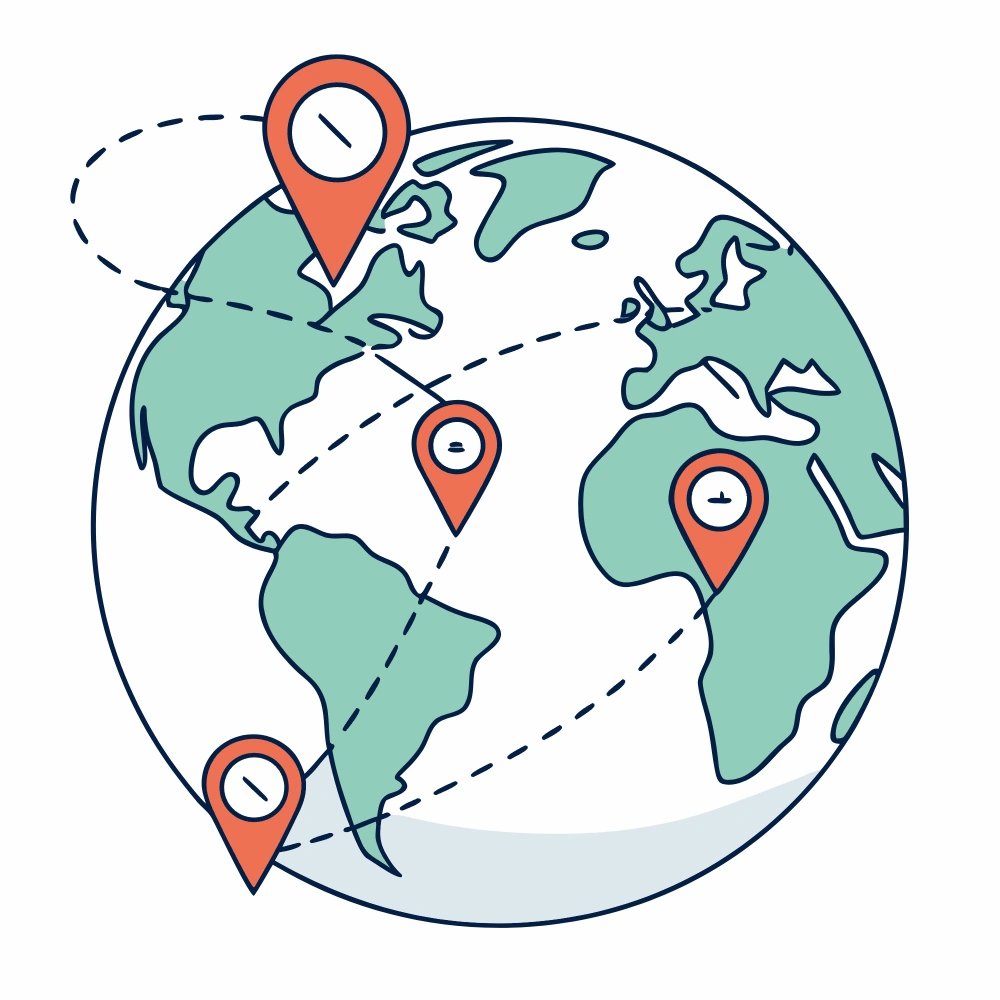
Where Does Your Child's Data Go? Kids' App HQ Map
We mapped 20+ kids' app headquarters—from Slovenia to Qatar. See which apps collect data and which keep your child's info private.
Are 'Certified Safe' Kids Apps Really Safer?
Some kids apps pay thousands per year for 'certified safe' badges like kidSAFE and other awards. This parent guide explains what those badges actually mean, what they cost, and why truly safe, zero-data apps may not have any badges at all.
 Frequently Asked Questions
 References