
Last week, my neighbor Sarah knocked on my door looking frazzled. Her 2-year-old Max had just deleted $47 worth of in-app purchases from a "free" toddler app, and she was done with subscription traps. "I just want something that works offline and actually helps him learn," she said, holding Max who was mid-meltdown about losing his progress when the WiFi dropped.
Sound familiar? Welcome to the reality of finding quality apps for 2-year-olds in 2025—where 90% of "educational" apps are predatory subscription services wrapped in cartoon characters. After years of research and parent feedback, we built Little Wheels apps specifically for 2-6 year olds—vehicle-powered learning that works offline, costs $4.99 once, and respects your family's privacy.
As both a parent and someone who builds toddler apps for a living, I've tested nearly every app marketed to 2-year-olds. Most are digital candy – bright, loud, and completely empty of nutritional value. But here's what I've learned: the right apps for 2-year-olds can genuinely support development while giving you 15 guilt-free minutes to drink coffee while it's still warm.
New to picking healthy apps? Start with our Screen Time Guidelines for Educational Apps. And if you're traveling or need apps for situations without WiFi, check out our guide to toddler apps that work offline—because the best apps shouldn't need internet to function.
The best apps for 2-year-olds are offline, ad-free, and focus on active play rather than passive watching. Look for simple interfaces, clear cause-and-effect, and content that grows with your child.
- Talk & Listen ($4.99): Vehicle sounds and speech practice
- Create & Play ($4.99): Mess-free art and DJ mixing
- Sago Mini ($2.99-4.99): Open-ended exploration
- Toca Boca (free download, subscription to unlock): Imaginative role-play
Source: Based on developmental appropriateness and parent feedback
What apps are best for 2-year-olds?
Choose offline, ad-free apps with simple tap/drag interactions that build real skills. Top picks: Little Wheels Talk & Listen (speech), Little Wheels Create & Play (creativity), and Busy Shapes (problem-solving).
Best Apps for 2 Year Olds
Top development-focused apps for 2 year olds:
- Little Wheels: Talk & Listen — Speech & vocabulary development ($4.99)
- Little Wheels: Create & Play — Creative play & motor skills ($4.99)
- Busy Shapes ($2.99) — Problem-solving & spatial reasoning
- PBS Kids Games (Free) — Educational variety
Key features for 2 year old apps
Works offline (no WiFi needed), no ads or subscriptions, simple tap/drag gestures, clear educational value, and engages independently within 10 minutes without constant help.
Free vs paid apps
Most free toddler apps include ads, in-app purchases, and data collection. Investing $15 in quality one-time purchase apps (like Little Wheels Talk & Listen $4.99 + Create & Play $4.99 = $9.98 total) provides better educational value without ongoing costs or manipulation.
Why Is Age 2 a Critical Window for App Selection?
The 24-36 Month Explosion
Your 2-year-old's brain is forming 700 new neural connections per second. Let that sink in. Between their second and third birthday, toddlers experience explosive growth that sets the foundation for everything that follows.
Vocabulary Development
At 24 months, most toddlers have about 50 words. By 36 months? They'll have 200-1,000 words, depending on exposure and practice.
Motor Skill Refinement
Those chubby fingers are developing the pincer grasp and hand-eye coordination needed for writing and using utensils.
Symbolic Thinking
Two-year-olds begin understanding that one thing can represent another—preparing them for reading and math.
Social Awareness
Parallel play begins shifting toward interactive play. Apps that model turn-taking support this development.
The Preschool Readiness Factor
Here's what most parents don't realize: The apps your 2-year-old uses now directly impact their preschool readiness at age 3. Following healthy screen time guidelines, quality apps build:
- Attention span for circle time success
- Fine motor skills for scissors and pencils
- Vocabulary for expressing needs and ideas
- Problem-solving for classroom challenges
- Independence for separation confidence
What Makes an App Actually Good for 2-Year-Olds?
The Non-Negotiables Every Parent Should Demand
1. Offline Functionality
Your 2-year-old doesn't need WiFi to learn. Quality apps work in airplane mode, protecting privacy and preventing YouTube rabbit holes.
2. No Ads or Sneaky Subscriptions
Nothing ruins learning faster than popup ads for candy games. Watch for "free" apps that lock features after 3 days. Learn about the hidden costs of free apps.
3. Age-Appropriate Interaction
Two-year-olds need simple tap or drag gestures, not complex swipes. Fingers are still imprecise and attention spans are short.
4. Clear Educational Value
Every interaction should build toward something: vocabulary, problem-solving, creativity, or motor skills.
Red Flags That Scream "Delete Immediately"
Overstimulation Indicators:
- Flashing lights and constant sound effects
- Multiple things moving simultaneously
- Timer pressure or speed requirements
- Reward systems that create addiction patterns
Manipulation Tactics:
- Sad character faces when closing the app
- "Come back tomorrow!" daily reward schemes
- Parent gate puzzles that 2-year-olds solve faster
- Favorite characters locked behind paywalls
What Are the Best Development-Focused Apps for 2-Year-Olds?
For Speech & Language Development
Little Wheels: Talk & Listen (Coming Q4 2025)
🚀 Currently in Development
Join our waitlist to be notified when it launches and get early access pricing.
Why it will work for 2-year-olds:
- Progressive Difficulty: Starts with simple sounds ("beep") and advances to complex words ("excavator")
- Call-and-Response Magic: App says "fire truck," waits for repetition, then celebrates attempts
- Vehicle Obsession Leverage: Uses toddlers' natural fascination with things that go
- Parent Dashboard: Track which sounds your child masters and where they need support
Perfect for late talkers, speech delays, or any 2-year-old obsessed with trucks.
Peekaboo Barn ($2.99, iOS/Android)
- Simple Mechanic: Tap barn door, hear animal sound, see animal appear
- Clear Audio: Professional voice acting with perfect pronunciation
Limitation: Limited replay value after learning all animals.
For Creative Expression
Little Wheels: Create & Play ($4.99)
🎨 Available Now
Download from the App Store today. Works 100% offline.
- DJ Mixing for Tiny Hands: Layer beats, add vehicle sounds, create "songs" that actually sound good
- Mess-Free Art Studio: Digital finger painting and sticker scenes without cleanup
- Physics-Based Play: Stickers that bounce and interact teach cause-effect
- Confidence Building: No way to "fail"—every creation is celebrated
Ideal for apartment living, travel, or when you need 20 minutes to cook dinner.
For Social-Emotional Development
Available Now: Sleepy Train: Calm Bedtime
❤️ On the App Store today
Social-emotional development through vehicle-themed scenarios built for 2–6 year olds: a bedtime wind-down, guided breathing, and weather check-ins that give a toddler words for big feelings. Free for 7 days with no credit card, then $4.99 once.
- Emotion Recognition: "How does the fire truck feel when helping others?" scenarios
- Empathy Building: Interactive stories about vehicles helping each other
- Self-Regulation: Calming activities with gentle vehicle sounds and movements
- Social Skills: Turn-taking and sharing concepts through vehicle play
It completes the trilogy: speech, creativity, and now regulation. See Sleepy Train →
Where to Start With a 2-Year-Old
If bedtime is the battle, start with Sleepy Train. If words are the worry, start with Talk & Listen. Create & Play's collaborative music-making adds emotional development too, but at two years old the first two solve the more urgent problem.
Free Printable Activities
Download our free vehicle learning pack with coloring pages, matching games, and speech practice cards.
Get free printables →How Does the Little Wheels Collection Help 2-Year-Olds?
Three Apps, ~$15 Total — Or Just the One You Need
Speech Development
Little Wheels: Talk & Listen
$4.99
Join waitlist for early access
Perfect for late talkers and vehicle-obsessed toddlers
Creative Expression
Little Wheels: Create & Play
$4.99
Coming Q4 2025
Mess-free art and DJ mixing for tiny hands
🚀 Building Apps That Actually Work for 2-Year-Olds
Unlike generic educational apps, Little Wheels uses vehicle obsession to drive real development. Each app is designed specifically for 2-6 year old capabilities and interests.
Join our newsletter for launch updates and early access pricing
How Should You Introduce Apps to Your 2-Year-Old?
The 10-Minute Test
Any quality app should engage your 2-year-old within 10 minutes without your constant intervention. Here's how to test:
- Open the app together but don't guide every tap
- Watch for natural exploration versus confusion
- Note attention span without external motivation
- Observe emotional response to challenges
- Check for independent return interest
Week 1: Modeling Phase
Sit together, narrate actions, ask questions, celebrate successes. You're teaching app interaction patterns.
Week 2: Guided Independence
Sit nearby but let them lead. Offer help only when frustration appears.
Week 3: Independent Mastery
Your 2-year-old plays while you fold laundry nearby. Check in periodically but allow autonomous exploration.
What's the Bottom Line for Busy Parents?
Your 2-year-old doesn't need 50 apps. They need 3-5 quality ones that:
- Work offline without WiFi drama
- Skip the ads and subscription traps
- Actually teach something useful
- Let them play independently (after initial guidance)
- Prepare them for preschool success
The apps that check these boxes become tools, not digital babysitters. They buy you time for that work call while genuinely supporting your child's development.
Sources
- American Academy of Pediatrics (2023). Family Media Use Plan & Screen Time Guidance. healthychildren.org
- Common Sense Media (2023). The Common Sense Census: Media Use by Kids Age Zero to Eight. commonsensemedia.org
- Federal Trade Commission (2023). Children's Online Privacy Protection Rule (COPPA). ftc.gov
- PBS Kids (Policy). Ad-free educational content standards. pbskids.org
You Might Also Like
- Ad-Free Toddler Apps: Complete Guide to Quality Apps Without Advertising17 mins
Why ads harm toddler development, how to spot truly ad-free apps, and the best quality alternatives to ad-supported apps flooding app stores.
- I Tested 50+ Toddler Apps in Airplane Mode for 30 Days—Only 6 Worked10 mins
Real airplane-mode testing results: Most 'offline' apps fail after 7-30 days. Here are the 6 that actually work on flights and in dead zones.
- Evaluate Toddler Apps Like an Expert: Spot Quality vs. Exploitative Junk in 10 Minutes11 mins
Stop wasting money on bad apps. Learn the exact criteria and red flags experts use to identify quality toddler apps before downloading.
You Might Also Like

10 Mess-Free Art Activities for Toddlers (Actually Works)
Parent-tested mess-free art that keeps toddlers engaged for 20+ minutes. No paint spills, no marker walls, no cleanup stress. Digital + physical options.
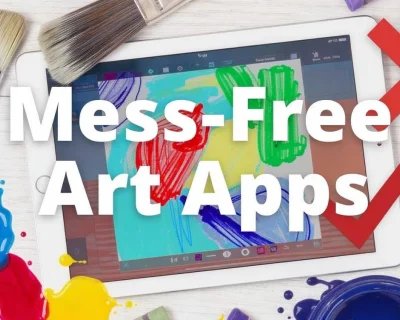
Best Toddler Art Apps (Quiet Time + Travel Ready)
Compare digital art apps perfect for quiet time, restaurants, and travel. No cleanup, offline, ad-free. Real parent reviews and ratings.
Best Apps for Littles — Safe, Ad-Free, and Educational
Research-backed curated list of safe educational apps ages 18 months-5 years. Evidence-based selection criteria: privacy protection, developmental appropriateness, ad-free design. Updated November 2025 with safety standards.