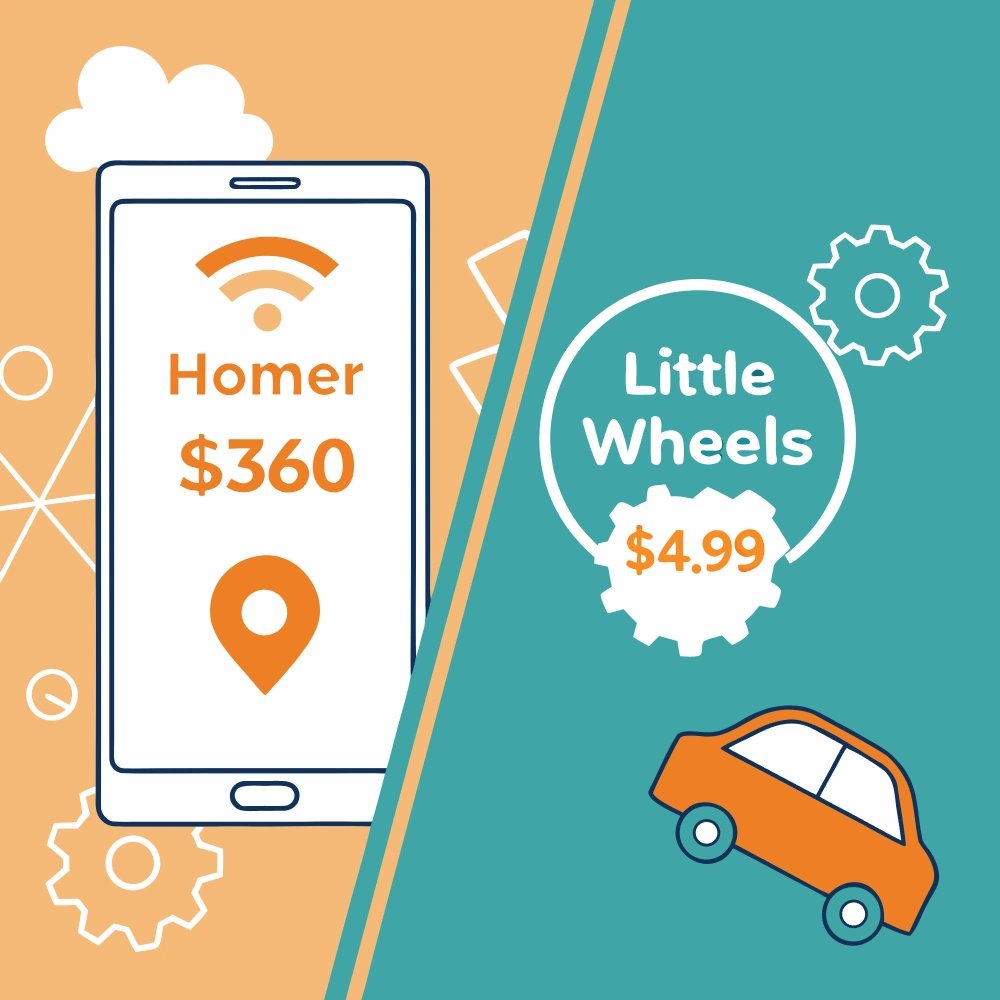
You download a big-name company\'s free educational app because it\'s from a trusted brand. But after weeks of use, you notice your toddler seems glued to the reward loops—asking for “more games” and getting frustrated when screen time ends. Meanwhile, a $4.99 app from a small developer provides calm, meaningful play your child enjoys—but doesn\'t crave compulsively.
This scenario highlights a growing divide in children\'s educational technology: massive companies optimizing for engagement and scale versus indie developers prioritizing child development and family values. Understanding the difference helps you make better choices for your child\'s digital experiences.
Prefer small‑team apps with transparent pricing? Explore Create & Play for calm, ad‑free creativity. For realistic, research‑aligned screen‑time guidance, see our Screen Time Guidelines for Educational Apps.
Why do indie and big-tech kids' apps feel so different?
The core difference between big tech and indie educational apps lies in their metrics and motivations. This shapes pricing, design, and long-term value.
Big Tech: Engagement-First Design
Large companies, even those with educational missions, often prioritize user engagement, data collection, and scale—pressures that can conflict with child development best practices.
Engagement Optimization: Many corporate apps use rewards, streaks, notifications, and social features to maximize time-on-app. These techniques can create unhealthy relationships with technology in young children.
Data as Currency: Some free educational apps collect user data to support their business models. Even when compliant with children\'s privacy regulations, this can prioritize data collection over educational outcomes.
Scale Requirements: Broad, generalized approaches are common to reach millions of users—often at the cost of depth and individual needs.
Indie Developers: Child-First Philosophy
Independent developers often begin with different motivations that lead to better outcomes for families.
Development-Focused Design: Many indie teams include educators, child development professionals, or parents. Their apps prioritize developmental appropriateness over engagement metrics.
Transparent Business Models: Clear, one-time pricing is common—reducing surprises from subscriptions or in-app purchases.
Niche Excellence: Smaller teams can go deep on specific educational goals rather than trying to do everything.
How does an indie app handle a child's data differently?
Both big tech and indie developers must comply with children\'s privacy laws, but their approaches differ in practice.
Big Tech Privacy Challenges
Complex Data Practices: Corporate privacy policies can be lengthy and vague. Many popular apps are also headquartered overseas—from Slovenia to Turkey—where data flows to different jurisdictions.
Cross-Platform Integration: Data from kids' apps may connect with broader ecosystems.
Algorithm Dependency: Personalization features often require extensive data collection.
Indie Developer Privacy Advantages
Minimal Data Collection: Indie apps like Little Wheels\' Talk & Listen and Create & Play typically collect only what\'s needed for basic functionality.
Clear Privacy Policies: Short, understandable privacy policies are common.
Local Storage: Many indie apps store data locally for privacy and offline use.
Are indie educational apps actually better for learning?
Different motivations lead to different educational design choices.
Big Tech Educational Approaches
Curriculum Coverage: Broad coverage across subjects can mean shallow treatment.
Gamification Heavy: External rewards and badges may undermine intrinsic motivation.
Standardized Approaches: One-size-fits-all often misses individual interests.
Indie Developer Educational Focus
Specialized Expertise: Indie teams can focus on areas like speech or creative expression.
Intrinsic Motivation: Without engagement quotas, apps can build genuine interest.
Individual Learning Styles: Niche focus can better match your child\'s interests (like vehicles!).
Developer Spotlight: What Makes Indie Developers Different
Understanding who builds indie apps explains why they often create better products for children.
Personal Investment
Many indie builders are parents, educators, or child development professionals solving real problems they\'ve lived.
Responsive Development
Direct relationships with users allow fast, thoughtful updates based on real feedback.
Values Alignment
Smaller teams can keep child-first values without corporate pressure.
Why do big-tech kids' apps almost always use subscriptions?
Big Tech Economic Models
Freemium with Hidden Costs: Free to download, expensive in practice.
Subscription Dependency: Recurring fees can add up and limit access.
Platform Lock-in: Deep ecosystem ties make switching harder.
Indie Developer Value Models
Transparent Pricing: Pay once, own it—no surprises.
No Hidden Fees: No constant upselling or ad pressure.
Long-term Value: Focus on lasting learning over addictive loops.
How can you tell a good indie kids' app from a bad one?
Green Flags for Quality Indie Apps
- Clear Educational Philosophy: Specific learning goals and principles
- Professional Background: Educators or child development experts on the team
- Transparent Pricing: Upfront costs without hidden fees
- Privacy Leadership: Protection that exceeds legal minimums
- Responsive Support: Direct, human responses to feedback
- Focused Scope: Depth over breadth
Red Flags to Avoid
- Unclear or missing privacy policies
- Heavy reliance on external rewards or addictive design patterns
- No clear educational credentials or philosophy
- Frequent upselling or pressure for additional purchases
- Poor responsiveness to feedback
- Broad claims about effectiveness without evidence
Case Study: Little Wheels vs. Big Tech Alternatives
Comparing Little Wheels apps to corporate alternatives shows the practical differences between indie and big-tech approaches.
Focus: Corporate speech apps try to cover broad curricula. Talk & Listen goes deep on vehicle-based speech practice.
Engagement: Corporate options use reward systems and progress tracking; Talk & Listen relies on genuine vehicle interest.
Privacy: Corporate apps may collect extensive speech data. Talk & Listen processes speech locally without cloud storage.
Monetization: Corporate creative apps often gate features behind purchases. Create & Play includes all features up front.
Design Philosophy: Some corporate apps optimize for sharing/social; Create & Play supports calm, individual expression.
Educational Approach: Corporate alternatives gamify creativity; Create & Play supports intrinsic motivation without external rewards.
Why does it matter who you buy a toddler app from?
Innovation and Diversity
Indie developers explore specialized approaches large companies may skip due to scale requirements—driving innovation.
Values-Based Business
Family-first values are easier to maintain without shareholder pressure.
Economic Impact
Supporting small developers sustains small businesses and entrepreneurship.
Where do you find indie educational apps worth trying?
Discovery Strategies
- Parent Recommendations: Ask parents about apps they\'ve used long term
- Educational Forums: Check teacher and homeschool communities
- Developer Websites: Read the developer\'s educational philosophy
- Review Quality: Prefer detailed reviews over star counts
- Trial Periods: Use refund policies to test thoroughly
Evaluation Criteria
When comparing options, consider:
- Total cost of ownership (subscriptions, IAPs)
- Privacy and data collection practices
- Alignment with your family\'s values
- Support quality and developer communication
- App longevity and update frequency
- Engagement without addictive patterns
The Future of Educational App Development
Regulatory Changes
Privacy and digital wellness regulation could limit data-driven advantages used by large companies.
Parent Awareness
Growing awareness is driving demand for child-focused, ethical design—an indie strength.
Platform Support
App stores are starting to highlight privacy-focused, family-friendly apps—helping quality indie options stand out.
Making the Choice That\'s Right for Your Family
The decision isn\'t always clear-cut. Some families may use both. Consider your priorities: privacy, transparent pricing, and focused approaches? Indie developers like Little Wheels may be best. Prefer comprehensive curricula and ecosystem integration? Corporate apps might fit.
Conclusion: Small Developers, Big Impact
Independent educational app developers often provide better value, stronger privacy protection, and more thoughtful child development approaches. They may lack giant marketing budgets, but they excel in focus, quality, and values alignment.
Supporting indie developers like Little Wheels isn\'t just about single app choices—it\'s about sustaining diversity and innovation in kids\' educational technology while choosing business models that prioritize child development over engagement metrics.
Further Reading
- Indie Toddler Apps: Why Small Developers Build Better Apps for Families - The comprehensive guide to the indie advantage
- Why Choose Indie Apps: 7 Reasons Parents Love Them - Practical reasons to choose indie over corporate
- Meet the Dad Behind Little Wheels Apps - Why I built indie apps instead of joining a corporation
- Dark Patterns in Kids Apps Exposed: 8 Manipulative Tactics to Avoid - The manipulation tactics corporate apps use
 Frequently Asked Questions
 References
 Ad-free & offline ready