The Apartment Parent's Reality: Space Constraints + Winter
When you're stuck inside with a toddler during winter, the small-space constraints become glaring:
- No outdoor space: No patio for messy art, no yard for active play
- Noise concerns: Downstairs neighbors hear everything
- Security deposits: Wall damage, carpet stains, and paint mishaps cost real money
- Storage limits: Where do you put all the art supplies in a 900 sq ft apartment?
- All day, every day: When it's too cold to go outside, you need activities that work indoors
The solution? Activities designed for small spaces that keep toddlers engaged without requiring cleanup, storage, or risking your security deposit.
Digital Apps: Zero-Setup Indoor Activities
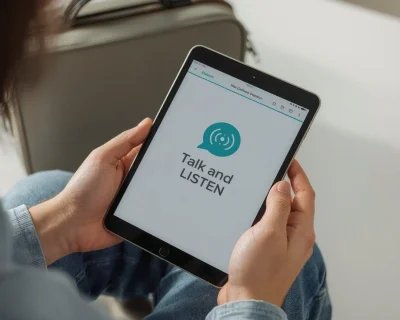
The most apartment-friendly activities require no physical space or supplies. Digital creative apps provide unlimited entertainment with zero mess:
- No storage needed: Everything lives in the tablet
- Silent or controlled volume: No neighbor complaints
- Instant cleanup: Close the app and you're done
- Works offline: No data needed once downloaded
See our detailed comparison: Best Toddler Art Apps (Quiet Time + Travel Ready).
Why Winter Makes the Mess Problem Worse
Summer art is manageable. Finger painting happens on the patio. Chalk goes on the driveway. The hose handles cleanup. Windows and doors open, ventilation handles paint smells.
Winter changes the equation. You're inside 23 hours a day. That finger painting happens in your living room with beige carpet. Chalk means dust settling on furniture. Opening windows isn't an option when it's 15 degrees outside.
Add in: many families are in apartments or rentals. Security deposits matter. Downstairs neighbors don't appreciate hearing "art time!" which apparently sounds like furniture being rearranged.
You know creative expression matters for development. But you also know your landlord's policy on wall damage. Something has to give.
These eight approaches let creativity happen without risking your deposit or your sanity.
Digital Art: Unlimited Materials, Zero Cleanup
Let's address the elephant first: screens. Yes, digital art involves screen time. But there's meaningful difference between active creation and passive consumption.
Research on digital art for young children shows that when toddlers actively create (choosing colors, making marks, seeing immediate results from their actions), they engage the same cognitive processes as physical art: planning, decision-making, visual-spatial thinking, and creative expression.
What Makes Digital Art Developmentally Useful
Fine motor practice: Touch-screen interaction builds finger dexterity and hand-eye coordination. Tapping specific spots, dragging to color, pinching to zoom—all develop motor control.
Unlimited experimentation: Unlike paper and markers that run out, digital art offers unlimited tries. Your toddler can make 40 versions of a picture, exploring color combinations without waste or mess. This freedom increases creativity.
Immediate cause-effect: Tap = color appears instantly. This clear feedback helps toddlers understand their actions have immediate results, building mastery and confidence.
No fear of mistakes: Everything is undo-able. Toddlers who freeze up with "real" markers because they're afraid of messing up often thrive with digital tools. The undo button removes performance anxiety.
Create & Play: Built for Mess-Free Creativity
Create & Play provides multiple creative formats specifically designed for toddler use:
Tap-to-color system: Simple vehicle-themed coloring pages. Tap a section, choose a color, it fills instantly. No spills, no markers rolling off the table, no caps to lose.
Sticker scenes: Drag vehicle stickers onto backgrounds. Create scenes, tell stories, save to photos. The tactile satisfaction of placing stickers without the physical waste.
DJ mixing: Tap vehicle sounds to create rhythms and beats. Creative expression through sound, not visuals—appeals to children who think differently.
All of this works offline (plane rides, car trips, anywhere without WiFi), requires no supplies beyond the device you already own, and creates zero physical cleanup.
The parent role: Digital art works best with initial co-play. Sit with them for the first 5-10 sessions. Model enthusiasm: "Wow, you made the bus BLUE! What color for the truck?" After they understand how it works, many toddlers use it independently while you make dinner.
Contained Physical Art (Controlled Mess Locations)
Some children need physical tools. Here's how to provide them without destroying your living space.
Window Crayons: Erasable + Visible
What they are: Special crayons designed for windows and mirrors. They wipe off with water and a cloth.
Why they work: Huge drawing surface (your window), totally erasable, and the vertical surface is developmentally useful—different shoulder and wrist positions than horizontal paper drawing.
Setup: Designate one window as the art window. Bathroom mirror also works. Put a towel on the floor below to catch any dropped crayons. After art time, wipe clean with damp cloth. The whole process takes 2 minutes.
Winter bonus: Drawing on windows looking at snow or winter scenes creates connection between inside creativity and outside world.
Bath Paints: Mess Contained to Tub
What they are: Washable paints designed for bathtub walls and tile.
Why they work: Everything happens in the tub. When art time is done, run the shower. Paint washes off child, walls, and tub simultaneously. No separate cleanup step needed.
Strategy: Give bath paints at the start of bath time, not the end. They paint for 10-15 minutes, then transition to regular bath. The painting becomes the bath time activity, not an addition to your routine.
Tip: Get paint that comes in squeeze bottles rather than palettes. Less spillage, easier for toddlers to control amounts.
High Chair Tray Art
What it is: Using the high chair tray as an art surface.
Why it works: Contained surface, easy to wipe, child already used to being in the high chair for activities. Spills fall to the floor, not carpet.
What to use: Washable markers (one at a time), stickers on paper, or finger painting with pudding (edible = no poisoning concerns if they eat it).
Cleanup: Wipe the tray, wipe the child, done. Takes under a minute.
Zero-Mess Physical Activities
These provide the satisfaction of "making" something with literally no cleanup required.
Sticker Activities
What they are: Reusable sticker books or single-use sticker sheets.
Why they work: Tactile satisfaction of peeling and placing, decision-making about where stickers go, fine motor practice, and creative composition. Zero mess—stickers stay on the page.
Setup: One sticker sheet at a time. When that sheet is done, you can give another. This prevents "all stickers on the floor" scenarios.
Reusable option: Sticker books with scenes where stickers peel off and stick repeatedly. One book can provide weeks of play.
Water Painting
What it is: Special paper or books that reveal colors when painted with plain water. As it dries, colors disappear and can be "painted" again.
Why it works: The satisfaction of painting (brush, water, seeing results) without permanent marks. Completely mess-free—it's just water.
Where it works: Anywhere. Kitchen table, high chair, even on carpet because it's non-staining. The ultimate apartment-safe art.
Limitation: Some children find the temporary nature frustrating ("my picture disappeared!"). For these kids, take photos of their creations before they fade.
Coloring Books with Crayons (Structured Approach)
Why this is different: Traditional coloring can become a mess fest (crayons everywhere, marks on furniture, paper torn and scattered). Structured approach prevents this.
The system:
- One coloring book, stored out of reach when not in use
- Small tin of 8-12 crayons (not the whole 64-pack)
- Art happens at the table, book stays on table
- One crayon out at a time: use it, put it back, get another
- When done, book and crayons go back to storage together
Why this works: Clear boundaries about where/how art happens. The one-at-a-time rule prevents overwhelming mess while still providing creative freedom.
The Mess-Free Art Schedule
Variety prevents boredom. Rotation prevents supply overwhelm.
Sample winter week:
Monday: Digital art (Create & Play coloring), 15 minutes after lunch
Tuesday: Window crayons, 15 minutes before dinner
Wednesday: Digital art (Create & Play stickers), 15 minutes after lunch
Thursday: Bath paints during evening bath
Friday: Sticker activity, 15 minutes during sibling's nap
Weekend: Longer digital art session OR special messy art outside or at grandparents' house
Notice: You're offering creativity daily, but rotating what kind. This maintains interest without requiring a storage unit of supplies.
🎨Create & Play: Perfect for Small Spaces
Create & Play offers unlimited creative materials with zero physical storage: DJ mixing, digital art, sticker stories, and coloring. Perfect for apartments and rentals.
Why it works for winter: No supplies to buy, no mess to clean, works offline during snow days. Just $4.99 once—no subscriptions.
Free Coloring Pages
Get free vehicle coloring pages for screen-free creative time. No markers, no mess—just print and play.
Get free printables →When Mess-Free Isn't Working
Some children genuinely need physical, messy art experiences. Here's how to know and what to do.
Signs mess-free isn't enough:
- Your child actively resists digital options even after multiple attempts
- They seek out messy play anyway (fingerpainting with food, drawing on themselves)
- They become fixated on "real paint" and reject all alternatives
- Art time becomes a battle instead of an engaging activity
If this is your child:
Focus on contained mess rather than no mess. Set up a "messy art station" in the bathroom or kitchen—one specific spot where paint and glue are allowed. Use art smocks, put newspaper down, have wipes ready.
Or, outsource messy art: grandparents' house, outdoor time when weather allows, or preschool programs that have art areas you don't have to clean.
Some children are sensory seekers who need physical materials. That's valid. You can still set boundaries about where/when mess happens without denying them the experience entirely.
The Real Benefit: Creativity Actually Happens
Here's what matters: creative expression supports development. Planning what to make, choosing colors, seeing results from their actions, expressing ideas through art—these build cognitive and motor skills.
The specific medium (digital vs. physical, window crayons vs. paint) matters far less than whether creativity happens regularly.
If traditional art supplies mean art doesn't happen because you're avoiding the mess, mess-free alternatives are objectively better. Creativity through digital tools beats theoretical creativity with supplies you never actually use.
Your toddler doesn't need every art experience. They need regular creative opportunities that fit your real life—your space, your stress tolerance, your schedule.
Mess-free art makes that possible. No guilt required.
Start This Week
Pick one mess-free option that matches your constraints:
Zero supplies needed: Download Create & Play, try the coloring feature for 10 minutes today.
Minimal investment: Buy window crayons (under $5), let them draw on bathroom mirror before bath tonight.
Already have supplies: Set up the structured coloring system—one book, small crayon tin, table-only rule.
One approach, used consistently this week. That's enough to see if mess-free creativity works for your child and your home.
Winter doesn't have to mean choosing between creativity and cleanliness. You can have both.
More Mess-Free Creativity Resources
For a comprehensive comparison of mess-free art solutions, see our complete guide to mess-free art apps that work year-round.
References
Marsh, J., Plowman, L., Yamada-Rice, D., Bishop, J., & Scott, F. (2016). Digital play: A new classification. Early Years, 36(3), 242-253. https://doi.org/10.1080/09575146.2016.1167675
American Academy of Pediatrics Council on Communications and Media. (2016). Media and young minds. Pediatrics, 138(5), e20162591. https://doi.org/10.1542/peds.2016-2591
Madigan, S., McArthur, B. A., Anhorn, C., Eirich, R., & Christakis, D. A. (2020). Associations between screen use and child language skills: A systematic review and meta-analysis. JAMA Pediatrics, 174(7), 665-675. https://doi.org/10.1001/jamapediatrics.2020.0327