Important Notice: This content is for educational purposes only and is not medical advice. If you have concerns about your child's sleep, breathing during sleep, extreme bedtime anxiety, or persistent sleep difficulties, consult your pediatrician or a pediatric sleep specialist for proper evaluation and guidance.
The Bedtime Battle Reality Check
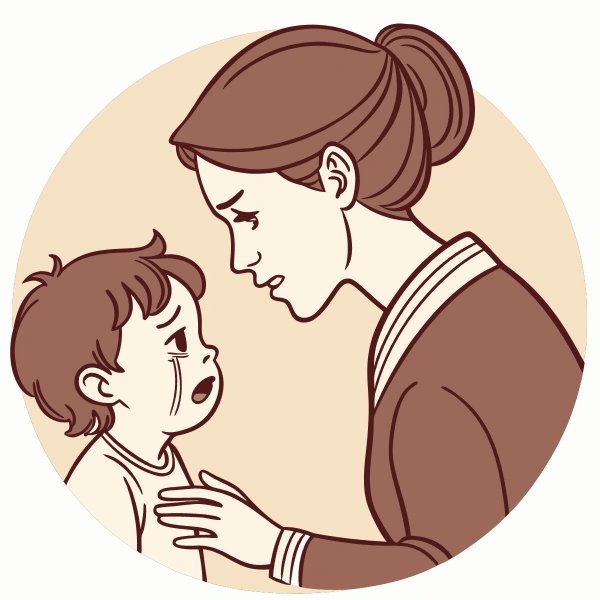
Let's start with honesty: bedtime is often the hardest part of parenting young children. By evening, you're touched-out and desperately need time to yourself. Your child has used every ounce of regulation capacity just getting through the day. You're both running on empty, and you're about to attempt something neurologically challenging: multiple transitions culminating in separation.
Here's what most bedtime advice misses: bedtime battles aren't primarily a discipline issue or a sleep issue. They're a regulation issue happening at the worst possible time of day.
Why Bedtime Is Neurologically Hard
The Empty Regulation Tank
Think of emotional regulation capacity like a bucket that drains throughout the day. By bedtime, the bucket is empty. When you ask for multiple transitions—bath, pajamas, teeth, bedroom, lying down—you're asking for regulation capacity they no longer have.
Multiple Transitions in Rapid Succession
Bedtime isn't one transition—it's 6-10 transitions compressed into 30-60 minutes. Each requires executive function that young children have in limited supply.
Separation Anxiety Peaks at Bedtime
Going to sleep means physical separation from you, loss of control, darkness and quiet. For a toddler whose sense of object permanence is still developing, going to sleep can genuinely feel like losing you forever. Their anxiety is real, not manipulation.
Your Stress Creates a Cycle
When you're stressed about bedtime taking too long, your child feels that stress as threat. Their nervous system responds by getting more activated, not less—creating a negative feedback loop.
What Makes Bedtime Battles Worse
- Power struggles and threats: Activate threat-detection, making them MORE dysregulated
- Inconsistency: Creates anxiety and teaches that pushing hard enough changes rules
- Overstimulation during routine: Chase, screens, tickle fights activate fight-or-flight
- Rushing: Increases stress and removes calming predictability
- Fighting natural stalling: Some requests are genuine needs for connection
The Regulation-Friendly Bedtime Routine
Part 1: Daytime Setup
- Consistent wake time: Even weekends (within 30 minutes)
- Physical activity: 1-2 hours daily, outdoor time especially
- Strategic nap timing: Ages 2-3 need naps but not after 3pm
- Limit screens 1-2 hours before bed
Part 2: Evening Wind-Down (60-90 min before bed)
Shift household energy down: dim lights, lower voices, slower pace. Good activities: puzzles, coloring, bath, quiet play, reading. Avoid: screens, exciting play, rough-housing.
Part 3: The Routine (30-45 min)
Follow SAME order every night:
- Transition announcement: "In 5 minutes, bedtime routine starts"
- Physical transition: Animal walks, one dance song, yoga poses
- Bath/hygiene: Warm water, dim lights, calm atmosphere
- Pajamas and bedroom prep: Let them choose, keep lights dim
- Connection time (MOST IMPORTANT): 10-15 min of full attention—reading, talking about the day, back tickles. No phone.
- Separation ritual: Same goodbye sequence every night
Part 4: Handling Resistance
If they call out: Respond briefly from doorway, lengthen time between checks.
If they get out of bed: Walk back silently, calmly. May take 10-20 returns first few nights.
If genuinely scared: Validate, reassure, offer nightlight/check-ins.
Common Obstacles and Solutions
- "I'm not tired!": Track actual sleep times. Move bedtime closer to natural rhythm, or EARLIER if overtired.
- Constant requests: Build legitimate needs into routine proactively.
- Siblings sharing room: Stagger bedtimes, use white noise.
- "I want Daddy!": Stay consistent with who does bedtime on which nights.
- Bedtime meltdown: Don't fight it—co-regulate, minimal words, wait it out.
When to Seek Professional Help
- Sleep disorder signs: Snoring, breathing pauses, 2+ hours to fall asleep consistently
- Sensory processing: Extreme sensitivity to textures, light, sounds
- Anxiety disorder: Excessive worry, physical symptoms, panic-level fear
- Trauma/stress: Sudden change after stressful event, nightmares
The Realistic Timeline
Week 1: Things may get worse (extinction burst). Stay consistent.
Week 2: First signs of improvement.
Week 3-4: Routine feels more predictable.
Month 2: Bedtime significantly smoother.
The key: consistency. Every deviation resets the timeline.
The Shift You're Working Toward
When these strategies take hold, bedtime shifts from battle to connection. You're not fighting to get your child to sleep—you're supporting their nervous system's transition to sleep mode. The routine becomes something they rely on because it's predictable, calming, and filled with connection.
It takes time. It takes consistency. It takes regulating yourself through their resistance. But it's worth every minute of the investment.
References & Further Reading
Research & Organizations
- Center on the Developing Child, Harvard University. (2023). Executive Function & Self-Regulation. developingchild.harvard.edu
- Porges, S. W. (2011). The Polyvagal Theory: Neurophysiological Foundations of Emotions, Attachment, Communication, and Self-Regulation. W.W. Norton & Company.
- American Academy of Pediatrics. (2024). Healthy Sleep Habits. healthychildren.org
- National Sleep Foundation. (2024). Children and Sleep. sleepfoundation.org
Related Reading
- Why Can't My Toddler Calm Down? Complete Regulation Guide53 mins
Science-backed guide to toddler meltdowns and emotional regulation. Learn co-regulation, what's normal at each age, and when to seek help.
- Tantrum vs. Meltdown: The Critical Difference Every Parent Should Know11 mins
Tantrums and meltdowns look similar but require completely different responses. Learn the neurological differences and why understanding them changes everything about how you help your child.
- My Toddler Won't Listen Until I Yell: Breaking the Guilt Cycle10 mins
Stuck in the yelling cycle? Gentle parenting isn't working because you're missing the tools between asking nicely and losing it. Here's what actually works without screaming.