Why are app subscriptions so expensive?
The average family pays $273/month across all subscriptions. Kids' app subscriptions use psychological tactics like trial traps, sunk cost manipulation, and difficult cancellation to keep you paying. Forgotten subscriptions cost families $240-540 annually. One-time purchase apps eliminate recurring charges—buy once for $5-10 instead of paying $120-300/year.

It starts small. One $9.99/month subscription for an educational app. Seems reasonable—less than a coffee shop habit. Then another app. Then a music streaming service for car rides. Then that art app with the free trial that converted to paid.
Three months later, you're paying $40-60 monthly across four or five apps. That's $480-720 per year. For your toddler's apps alone.
And you're not alone. The average American household now spends $273 per month on subscriptions across all categories—streaming, software, apps, and services. That's $3,276 annually on recurring charges that accumulate faster than most people realize.
SUBSCRIPTION COST REALITY
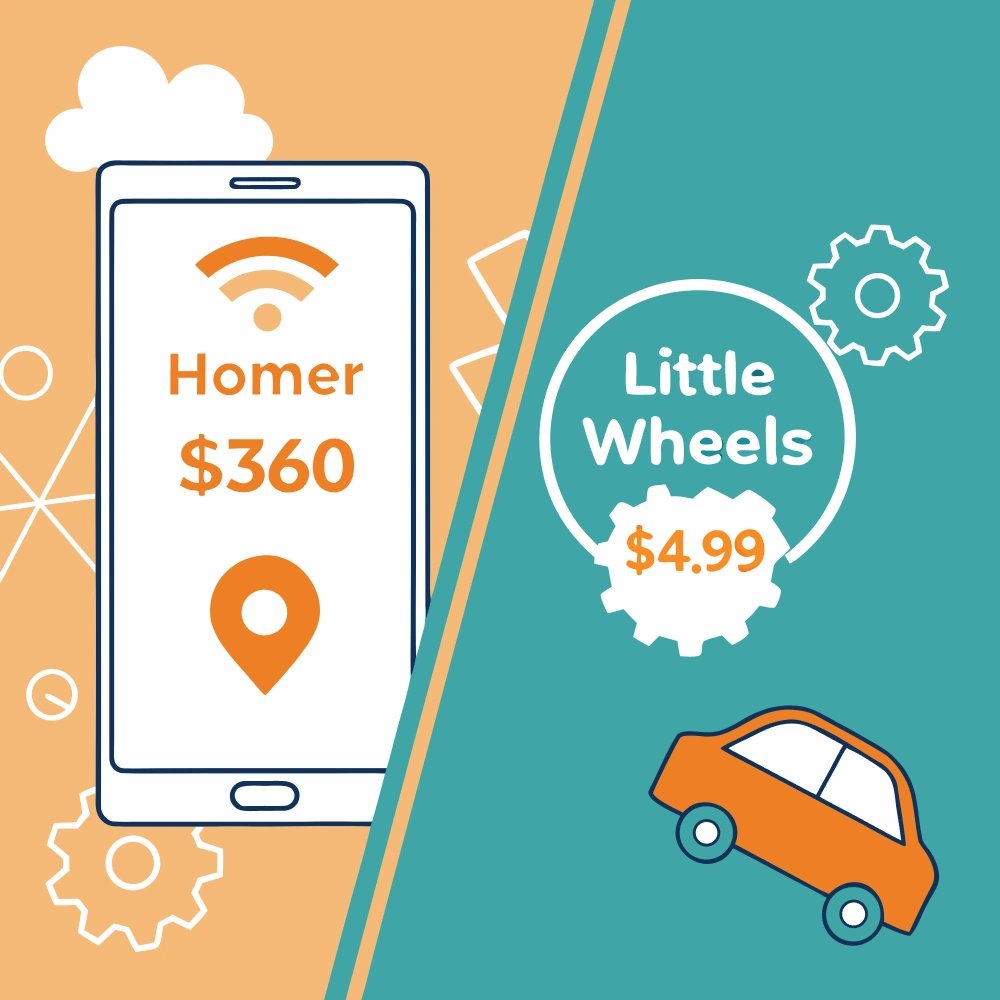
Subscription fatigue is the most common complaint I hear from parents. Forgotten subscriptions are the expensive part — the ones nobody cancels because nobody notices them. A $9.99/month kids app costs $120/year vs $4.99 one-time for equivalent apps.
Source: C+R Research (2023), Consumer Subscription Spending Analysis

Part of the Subscription Liberation Movement
Quit app subscriptions and choose one-time purchases. No monthly fees. No surprise charges. Just quality apps you own forever.
The Psychology of "Just $9.99/Month"
Subscription pricing isn't accidental. It's carefully designed to feel painless while extracting maximum value from your wallet.
The Monthly Amount Illusion
$9.99 per month feels trivial. It's less than lunch. Less than a parking fee. Easy to justify.
But that same subscription is $119.88 annually. Suddenly it doesn't feel so trivial. That's why companies emphasize the monthly price—they're betting you won't do the annual math.
Try this with your current subscriptions. Add up all monthly charges. Multiply by 12. Then multiply by three years—the typical timeframe a toddler might use these apps. The total is probably shocking.
The Sunk Cost Trap
Once you've paid for three months, cancelling feels like "wasting" that investment. Your brain screams: "But I already paid $30! I should keep using it!"
This is the sunk cost fallacy—the irrational belief that past spending should influence future decisions. Subscription companies know this. They design their apps to make you feel invested, sending progress reports and achievement notifications that emphasize what you'd "lose" by cancelling.
Rational thinking says: "I paid $30. That's gone regardless. Should I pay another $120 this year?" But psychology rarely wins against clever manipulation.
The Friction of Cancellation
Notice how easy it is to subscribe? One tap. Face ID. Done.
Now notice how hard it is to cancel. You have to find the subscription settings. Navigate through menus. Sometimes contact customer service. Answer questions about why you're leaving. Confirm multiple times that yes, you really want to cancel.
This friction is deliberate. Every extra step costs companies subscribers. So they remove steps from sign-up and add them to cancellation. The FTC even settled with ABCmouse over this exact practice—making subscriptions easy to start and difficult to stop.
The Hidden Costs Nobody Talks About
The monthly charge is just the visible cost. The real financial damage comes from what you don't see.
Forgotten Subscriptions
Be honest: Do you know every subscription currently charging your card?
Most people are paying for a subscription right now that they have forgotten about. Mine was a music app I hadn't opened in a year. At ten or fifteen dollars a month, forgetting is the whole business model.
Kids' apps are particularly vulnerable to this. Your toddler loves an app for two months, then loses interest. But you forget to cancel. Six months later, you've paid $60-90 for an app gathering digital dust.
Trial Conversion Tricks
Free trials sound great until you realize they're designed to trap you into paying.
Common tactics include:
- No reminder before conversion: The trial ends silently, converting to paid without warning
- Requiring payment info upfront: Why does a "free" trial need your credit card?
- Short trial periods: 3 days isn't enough to truly evaluate an app with a toddler
- Immediate charges: Some trials charge immediately, offering "credits" instead of actual free time
- Confusing confirmation: "Cancel anytime!" sounds like you can cancel at the end, but they mean "cancel before trial ends or get charged"
The FTC has taken action against companies using these tactics, but enforcement lags behind the problem.
Price Creep
That $9.99 subscription becomes $11.99 becomes $14.99 over time. Companies raise prices on existing subscribers, betting that inertia keeps you paying.
You might get an email notification, or you might just see the higher charge on your statement. Either way, you're now paying 50% more than when you signed up—for the exact same app.
With one-time purchases, the price you pay is the price. Forever. No surprises, no creep, no sudden increases because the company wants to boost quarterly revenue.
Feature Removal
Some subscription apps remove features from lower tiers and move them to higher-priced plans. That thing you subscribed for? Now it costs an extra $5/month.
You're already invested. Your child expects these features. So you upgrade. And the company has successfully extracted more money from you for the same service.
The Subscription Economy Is Built on Your Inattention
Here's the uncomfortable truth: subscription companies profit most from subscribers who don't fully use the service.
Think about it. A gym makes more money from members who pay but rarely show up than from members who use facilities heavily. Netflix prefers subscribers who watch occasionally to those who stream constantly (bandwidth costs).
Kids' app subscriptions follow the same model. They want you paying but not necessarily using the service intensively. That's why they make sign-up effortless and cancellation difficult.
The Attention Tax
Beyond money, subscriptions cost you mental energy. You have to:
- Remember which subscriptions you have
- Track renewal dates
- Evaluate whether you're still getting value
- Decide whether to keep or cancel each month
- Navigate cancellation processes
- Watch for price increases
This cognitive load is exhausting. Every subscription is an open loop in your mind, requiring ongoing attention and decision-making.
One-time purchase apps close that loop. You evaluate once, purchase once, and never think about it again. The mental relief is as valuable as the financial savings.
How Families Are Fighting Back
Parents are increasingly rejecting subscription models in favor of alternatives that respect their budgets and attention.
The Buy-Once Movement
More families are seeking one-time purchase alternatives to subscription apps. They're willing to pay fair prices—even higher upfront costs—to avoid recurring charges.
This movement is driven by:
- Financial clarity: One charge, one decision, predictable budgeting
- Mental peace: No subscription management, no renewal anxiety
- True ownership: Buy once, own forever, use whenever needed
- Privacy benefits: Buy-once apps often collect less data than subscription services
Supporting Indie Developers
Many one-time purchase apps come from indie developers who reject exploitative pricing models. They're parents and educators building apps they'd want for their own families.
When you choose indie apps with fair pricing, you're voting with your wallet for a better app ecosystem. You're supporting developers who respect families over maximizing shareholder value.
Subscription Audits
Smart families now conduct quarterly subscription audits:
- Review all active subscriptions in app stores
- Check credit card statements for recurring charges
- Evaluate actual usage over the past three months
- Calculate annual costs for each subscription
- Replace subscriptions with one-time alternatives where possible
- Cancel anything unused or not worth the annual cost
This practice alone saves families hundreds of dollars annually while reducing mental clutter.
What This Means for Your Family
You don't have to accept subscription fatigue as inevitable. Better options exist.
Start by examining your current kids' app subscriptions. Calculate annual costs. Ask yourself honestly: Would I pay this amount upfront for this app?
If the answer is no, you've identified a candidate for replacement. Look for quality one-time purchase alternatives that offer similar features without the recurring charges.
Apps like Little Wheels Talk & Listen ($4.99 once) and Create & Play ($4.99 once) prove that quality doesn't require subscriptions. Your toddler gets excellent educational content, you get financial clarity, and nobody's manipulating you into perpetual payments.
The Future of Family Apps
The subscription takeover isn't permanent. As more parents recognize the true costs—financial and psychological—demand for fair-priced alternatives grows.
Developers listening to families are building sustainable businesses on one-time purchases. They succeed through quality and word-of-mouth rather than psychological manipulation and payment traps.
Your choice matters. Every time you choose a buy-once app over a subscription, you signal to the market that exploitation isn't acceptable. You support developers building a better, fairer ecosystem for families.
The subscription economy depends on your inattention, your cognitive load, and your inability to calculate annual costs in the moment of sign-up. But you're smarter than that. You can do the math. You can choose differently.
Your wallet—and your peace of mind—deserve better than perpetual monthly charges for toddler apps.
Join the Subscription Liberation Movement
Download Little Wheels — $4.99 once, own forever. No subscriptions, no regrets. Choose freedom from recurring charges.
 Frequently Asked Questions
 Ad-free & offline ready