My friend Rachel, a preschool teacher with 15 years experience, texted me at 11 PM last Tuesday: "Please write about preschool readiness apps. I just had another parent cry because their 3-year-old can't write their name yet, meanwhile they're using apps teaching calculus to toddlers."
Parents are panicking about the wrong things. Kids show up knowing their ABCs but can't hold scissors, share toys, or ask to use the bathroom. The apps they're using are making things worse.
Here's what preschool teachers desperately want parents to know: Academic apps won't prepare your child for preschool. The right developmental apps will.
The Preschool Readiness Myth That's Failing Our Kids
What Parents Think Readiness Means
The Academic Panic List:
- Knowing all letters and sounds
- Counting to 100
- Writing their full name
- Basic addition and subtraction
- Reading simple words
- Computer skills
Where This Comes From
Competitive parenting culture and misleading marketing have convinced parents that preschool is the new first grade. App developers exploit this anxiety with "advanced learning" promises.
What Teachers Actually Need Kids to Know
The Real Readiness Skills:
Self-Regulation
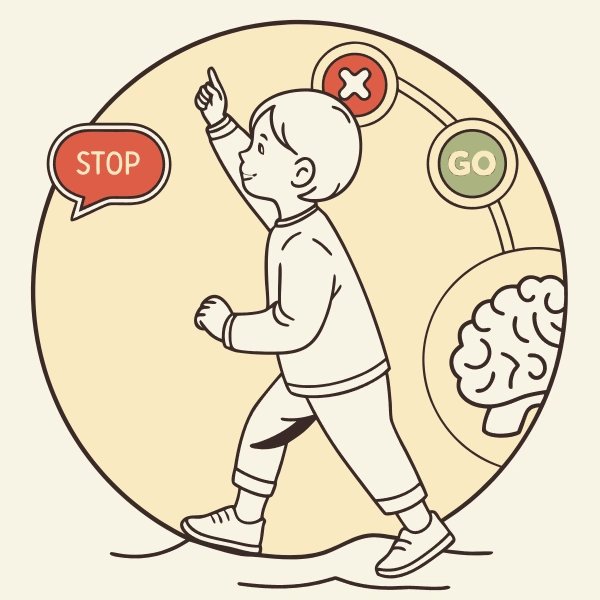
Can your child stop an activity when asked? Wait their turn? Handle frustration without melting down? This matters more than knowing the alphabet.
Communication
Can they ask for help? Express needs with words? Tell you about their day? Speech clarity beats reading ability every time.
Fine Motor Control
Can they hold a crayon with proper grip? Use scissors? Open their lunch containers? These physical skills enable everything else.
Social Awareness
Can they share materials? Play alongside others? Follow two-step directions? Social skills determine preschool success more than academics.
Independence
Can they use the bathroom alone? Put on their jacket? Clean up materials? Teachers can't help 20 kids with basic tasks simultaneously.
Why Most "Educational" Apps Fail at Readiness
The Academic Acceleration Trap
Apps Teaching the Wrong Things
ABC Mouse and similar:
- Pushes reading before speaking skills solid
- Creates performance anxiety
- Ignores physical development
- Screen dependency without real-world transfer
Math apps for toddlers:
- Abstract concepts before concrete understanding
- No manipulation of actual objects
- Pressure-based gaming mechanics
- Skills that won't be needed for years
Teacher perspective: "I can teach letters in two weeks to a ready child. I can't undo the anxiety and resistance created by pushing academics too early." — Jennifer, PreK teacher, Boston
The Passive Consumption Problem
- Children expect entertainment, not engagement
- Attention spans shorten for non-screen activities
- Following human instruction becomes harder
- Creative thinking atrophies
Classroom reality: "Kids who've been parked in front of 'educational' videos can't handle circle time. They expect constant entertainment and shut down during hands-on activities." — Michael, preschool director, Seattle
The Apps That Actually Build Readiness
For Communication & Language
Little Wheels: Talk & Listen ($4.99)
- Vocabulary Building: Introduces 50+ vehicle words from simple to complex.
- Call-and-Response Practice: Builds listening-and-repeating skills for classroom instructions.
- Clear Speech Development: Slow-pronunciation feature helps articulation.
- Independence Feature: Kids can practice alone, building confidence.
Teacher: "Children who use speech practice apps arrive ready to participate in discussions. That's rare and wonderful." — Sarah, PreK-3 teacher
Toca Boca Series ($3.99 each)
- Narrative Skills: Open-ended play builds storytelling.
- No Right/Wrong: Reduces anxiety and encourages experimentation.
- Choose life-skills titles: Kitchen, House, School.
For Fine Motor & Creative Skills
Little Wheels: Create & Play ($4.99)
- Pre-Writing Skills: Digital drawing builds hand strength and control.
- Problem-Solving: DJ mixing and sticker scenes build planning and sequencing.
- Mess-Free Practice: Confidence with physical materials after digital exploration.
- Turn-Taking: Natural pause points support sharing.
Teacher: "Kids who've done digital art understand color, space, and creative choices." — Lisa, preschool art specialist
Busy Shapes ($2.99)
- Spatial Reasoning: Builds visual perception for puzzles and letters.
- Progressive Challenge: Grows frustration tolerance.
- Silent Success: Works without sound for quiet work time expectations.
For Social-Emotional Development
Daniel Tiger's Grr-ific Feelings (Free, PBS Kids)
- Emotion Identification: Names and recognizes feelings.
- Strategy Songs: Simple songs teachers can reference.
- Real Scenario Practice: Goodbye routines, etc.
- Free and Ad-Free: Accessible to all families.
Breathe, Think, Do with Sesame (Free)
- Self-Calming: Belly breathing and counting.
- Problem-Solving Steps: Mirrors classroom conflict resolution.
- Bilingual Options: Supports ELL families.
For Independence & Life Skills
Montessori Practical Life (Free with IAP)
- Self-Care: Practice pouring, buttoning, zipping.
- Sequence Following: Multi-step activities.
- Error Control: Self-correct without adult intervention.
The Readiness Skills No App Can Teach (But Can Support)
Physical Development
- Core strength for sitting at tables
- Bilateral coordination for cutting
- Balance for playground navigation
- Stamina for full-day programs
Use movement apps as prompts for real activity. GoNoodle (free) provides movement breaks that build these skills when done regularly.
Social Skills
- Sharing and turn-taking
- Conflict resolution
- Group participation
- Empathy development
Play apps together, taking turns. Narrate social scenarios in story apps. Practice waiting while others have their turn.
Executive Function
- Working memory for multi-step directions
- Impulse control for classroom behavior
- Flexible thinking for transitions
- Focus and attention for group learning
Quality apps with planning, natural stopping points, multiple solutions, and progressive challenges strengthen executive function.
The Preschool Teacher's App Wishlist
What Teachers Actually Want
- Speech clarity practice — "I need to understand 20 voices at once"
- Fine motor development — "Pencil grip matters more than letter knowledge"
- Emotional vocabulary — "Kids who can express feelings have fewer meltdowns"
- Independence building — "Self-sufficient kids can actually learn"
- Creative confidence — "Fear of 'doing it wrong' paralyzes learning"
What Teachers DON'T Want
- Academic pressure creating anxiety
- Screen dependency replacing real play
- Passive consumption without interaction
- Competition and comparison features
- Apps that do the thinking for kids
Age-Specific Readiness Recommendations
Ages 2.5-3: Foundation Building
Focus On: Vocabulary expansion (Talk & Listen), fine motor play (Create & Play), emotional awareness (Daniel Tiger)
Skip: Letter tracing apps, number drilling, reading programs
Ages 3-3.5: Skill Integration
Add: Problem-solving games (Busy Shapes), practical life skills practice, social story apps
Avoid: Timed challenges, competitive features, academic assessments
Ages 3.5-4: Readiness Refinement
Include: Pattern recognition, sequence following, group game apps (for turn-taking)
Still Skip: Formal reading instruction, math worksheets, handwriting without physical practice
Creating a Readiness Routine
The 15-Minute Daily Practice
Morning (5 minutes): Speech practice with Talk & Listen — builds communication confidence for the day
Afternoon (5 minutes): Creative time with Create & Play — processes the day through art/music
Evening (5 minutes): Calm app like Breathe, Think, Do — practices regulation before bed
The Weekly Balance
Mon/Wed/Fri: Communication and language apps (e.g., Talk & Listen)
Tue/Thu: Fine motor and creative apps
Weekend: Life skills and social-emotional apps together as family
Free Printable Activities
Download our free vehicle learning pack with coloring pages, matching games, and speech practice cards.
Get free printables →Red Flags: Apps That Hurt Readiness
Delete These Immediately
- YouTube Kids — passive consumption incompatible with active learning
- Any "Baby Genius" Apps — false acceleration, real pressure
- Competitive Learning Games — anxiety over joy
- Apps with Timers/Pressure — stress response over readiness
The Investment in Real Readiness
The True Cost Comparison
Anxiety-Driven Approach: multiple academic apps ($30-50/mo), tutoring ($200-400/mo), therapy for school anxiety—emotional cost immeasurable
Developmental Approach: Little Wheels apps ($9.98 total for both), PBS Kids (Free), Busy Shapes ($2.99) — total under $15
What Preschool Teachers Want Parents to Know
"Stop teaching ABCs and start teaching kids to zip their coats." — Rachel, 15-year veteran
"I can teach academics. I can't teach a dysregulated child anything." — Marcus, PreK-4
"Kids who can speak clearly, share toys, and try new things are ready. Everything else is extra." — Jennifer, preschool teacher
"The best preparation? Let them play, talk to them constantly, and use apps as tools, not teachers." — David, preschool director
Your Preschool Readiness Action Plan
This Week
- Delete pressure-creating apps
- Download one communication app (Talk & Listen recommended)
- Practice one self-care skill (jacket zipping, hand washing, shoe fastening)
- Have five real conversations (about their day, feelings, interests)
This Month
- Build fine motor strength (playdough, scissors, coloring—apps support, don't replace)
- Practice emotional vocabulary (name feelings throughout the day)
- Create independence opportunities (let them struggle productively)
- Schedule preschool visit (familiarity reduces anxiety)
Before Preschool Starts
- Focus on regulation, not academics
- Build communication confidence
- Practice social scenarios
- Trust teachers to teach
The Bottom Line: Your child doesn't need to know their ABCs to succeed in preschool. They need to ask for help, share with friends, and believe they're capable of learning. Learn more about our development-first approach in Supporting Your Child's Natural Interests.

 Ad-free & offline ready