Skip to main content
Practical TipsSean Record, Founder of Little Wheels9-min read

Red Light Green Light, Floor Is Lava and Freeze Dance: How to Play With a 2-Year-Old

The classic movement games, adapted for toddlers who can't follow the real rules yet. Which age each one works at, and how to simplify them.

Quick Tips to Get Started

  • 1
    Never eliminate a toddler from a game - they will not play the second round
  • 2
    Exaggerate your own freezing; they copy the performance, not the instruction
  • 3
    Keep floor-is-lava islands closer together than looks sensible
  • 4
    Say the instruction and do it yourself at the same time for the first few rounds
  • 5
    Stop while it is still going well, not when it falls apart
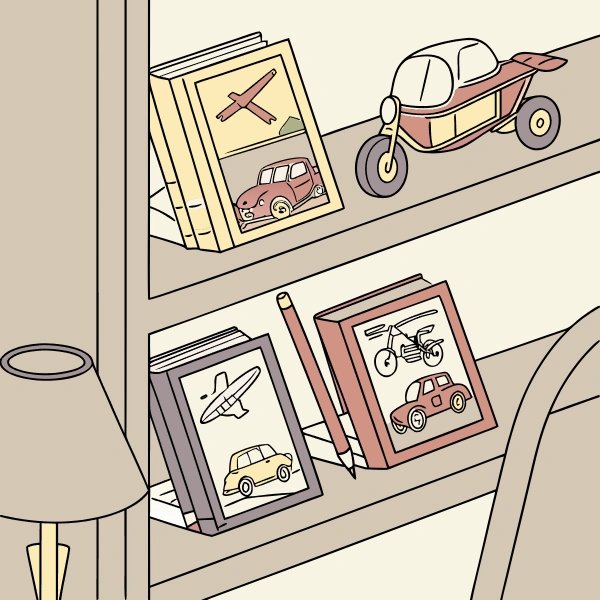
🎨

Mess-Free Vehicle Activity Pack

5 printable activities + app pairings. Keep them creative (and quiet) without the cleanup.

Instant download
No spam, ever

FREE 7-day trialThen $4.99 to own forever

Key Takeaways
  • Freeze dance first - it works from about two and needs no rules beyond stopping
  • Red light green light usually needs closer to three, because stopping on cue is genuinely hard
  • Floor is lava works from about two and a half if every island is actually reachable
  • Simon Says is the hardest, because being caught out is not funny when you are three
  • Remove elimination from all of them - the fun is the stopping and starting, not the winning

The short version: these games all work with toddlers, but not in their standard form. Start with freeze dance from about age two. Red light green light usually needs closer to three. Floor is lava works from about two and a half with short distances. Simon Says is the last to land, because being caught out is not yet funny. Remove elimination from all of them.

Freeze dance: the one that always works

Music on, dance about, music off, everybody freezes. There is nothing else to it, which is exactly why it works when nothing else does.

One instruction. Demonstrated, not explained. No way to lose. A two-year-old who freezes three seconds after the music stops has played it correctly, because the point is the stopping, not the timing.

Freeze as theatrically as you can — mid-stride, arm in the air, face pulled. They are copying your performance far more than they are following your instruction, and a committed adult freeze is the whole difference between this landing and not.

Red light green light: harder than it looks

On the surface this is freeze dance with colours. Underneath it is a significant step up, and it is worth knowing why before you conclude your child "can't do it".

It asks them to hold two instructions at once, connect each to a word, and then stop a body that is already in motion. Stopping on cue is genuinely difficult for a two-year-old — the deciding happens faster than the stopping does.

Closer to three, it clicks. If it is not working, this is not a game to push. Go back to freeze dance for a few weeks and try again; there is nothing to be gained by drilling it.
Truck Dispatch

Coming soon from Little Wheels

In development: a dispatcher radios in a real job, the screen goes dark, and your child moves

Floor is lava: keep the islands close

Cushions, towels, books — anything flat. The single most common mistake is spacing them the distance an adult finds interesting, which puts them just out of toddler reach and turns the game into a series of near-misses and one bad landing.

Put them close enough to step between. All the tension should come from your narration, not from the gap. "It's bubbling! It's getting closer!" does more than another thirty centimetres ever will, and it lets them run the route again and again, which is what they actually want.

Simon Says: wait longer than you think

This is the one parents reach for early and it is the one that lands last.

The game is built on a trap. You give an instruction without the magic words, they do it, and they are out. For a four or five-year-old, being tricked is delightful. For a three-year-old who was concentrating hard on getting it right, it reads as being told off for doing what they were asked.

Play it without the trap until then. Give instructions, do them together, make them silly. It becomes a copying game rather than a catching game, which toddlers will happily play for far longer than you will want to.

The rule underneath all four

Every one of these games is really the same skill: go, then stop. Starting is easy and universally popular. Stopping is the part that develops, and it develops gradually over several years.

Which means the measure of whether a game is working is not whether your child follows the rules. It is whether they are enjoying starting and stopping. Everything else — the colours, the lava, the magic words — is set dressing to make that repetition interesting enough to do forty times.


Frequently asked questions

What age can a toddler play freeze dance?

Around two for most children, and often a bit earlier if an older sibling is modelling it. It is the most accessible of the classic movement games because it has exactly one instruction, that instruction is demonstrated rather than explained, and there is no way to be wrong. Younger toddlers often freeze several seconds late, which does not matter at all.

What age is red light green light for?

Usually closer to three. It looks similar to freeze dance but asks for considerably more: holding two different instructions in mind, mapping each to a colour word, and stopping a body that is already moving. That last part is genuinely difficult for a two-year-old and is a skill that develops over a long stretch. If it is not landing, go back to freeze dance for a few weeks rather than pushing.

How do you play floor is lava with a toddler?

Put cushions, towels or books down as islands and keep them close enough that your child can step from one to the next without jumping or stretching. Walk the route yourself first. The classic version rewards daring leaps; the toddler version rewards getting there, and the tension comes from the narration rather than the difficulty. Keep the route short and let them do it repeatedly.

Why does Simon Says not work with young children?

Because the entire mechanic is catching someone out, and being caught out is not funny when you are three - it feels like failing at something you were trying to do properly. Most children find it genuinely enjoyable somewhere around four or five, once they can appreciate the trick as a trick. Before then, play it without the trap: just give instructions and do them together. It becomes a copying game, which toddlers love.

Are these games quiet enough for a flat?

Freeze dance and Simon Says can be, depending on what you ask for - stretching, reaching, slow motion and marching on the spot are all fine. Floor is lava and red light green light involve running and landing, which is impact noise and does travel through a floor. In a flat, favour the versions that keep feet on the ground, and save the leaping for the park.

Disclaimer: This content is for informational and educational purposes only. It is not intended as professional advice. Little Wheels apps are educational tools and not medical devices. Always consult with qualified professionals regarding your child's development, health, or educational needs.

Looking for practical next steps?

Your Action Plan

1

Start with freeze dance, whatever their age

Put music on, dance, stop the music, freeze. That is the entire game and it is playable from around two. There is one instruction, it is demonstrated rather than explained, and nobody can get it wrong. Every other game on this list is a variation on the skill this one teaches, so it is worth being genuinely good at before moving on.

2

Demonstrate rather than explain

Toddlers learn these games by copying a person, not by hearing rules. Say "freeze!" and freeze yourself, comically hard. Say "green light!" and set off. For the first several rounds do the thing at the same moment you say it. Most of the frustration in these games comes from adults explaining a rule set to someone who is still learning what a rule is.

3

Take the losing out

The standard versions all eliminate players, and elimination is where toddler games die. A three-year-old who is out will not rejoin the second round, and often will not stay in the room. Keep everyone in for every round. There is no version of this where the competition is the fun part for a two-year-old.

4

Shorten every distance

Whatever gap looks right, halve it. Floor-is-lava cushions should be close enough that a toddler steps rather than leaps. Red light green light should be crossing a room, not a garden. Long distances turn a game into an endurance test and the interesting bit - the stopping - happens too rarely.

5

End it early

These games have a peak and then a cliff. Stop two rounds before you think you need to, while they still want more. It preserves the game for tomorrow and avoids ending on a meltdown, which is what teaches a child that the game ends badly.

Explore more in

Other Topics

Screen time, safety, philosophy

Visit Other Topics →

Ready to Download & Start Learning?

Offline, ad-free apps that treat screen time as something to spend well rather than something to survive.

Download on the App Store

On the App Store as “Learn to Talk: First Words”

Ad-free & offline ready7 days free, then $4.99 onceChild development experts

Share this article

Recommended for You

Based on articles you've read recently

You Might Also Like

7-day free trial • $4.99 once

Try Little Wheels Apps