Important Notice: This article provides educational strategies for speech practice at home. It is not medical advice and cannot replace professional speech-language therapy when needed. If you have concerns about your child's speech or language development, consult a qualified speech-language pathologist for evaluation and guidance.
Why Winter Speech Practice Feels Impossible
Summer speech practice is easy. You go to the park. You point at things. "Look, a DOG! Big dog! Dog is running!" Natural vocabulary everywhere, fresh air handling the energy, space to move around.
Winter is different. It's 20 degrees outside. Sunset was at 4:30. Your toddler hasn't left the apartment in two days because someone has a cold. You're trying to practice speech in 800 square feet while the neighbors downstairs are working from home.
Standard speech activities don't translate. "Go find the ball!" works great in a backyard. In an apartment, it means your child running laps, stomping, and your neighbor texting the landlord.
These fifteen activities are designed for exactly this situation: limited space, need for reasonable noise levels, cabin fever energy, and a toddler who needs language practice whether it's convenient or not.
How do I practice speech with my toddler indoors all winter without losing my mind?
Pick a small set of quiet, high-impact games—like whisper treasure hunts, snack-container requests, and slow-motion animal walks—and run them for 10–15 minutes a day. Reuse the same few games all week, keep supplies in one bin, and weave in apps like Talk & Listen after physical play so your late talker gets consistent language reps without turning your apartment into a chaos zone.
The Whisper Games (Quiet Articulation Practice)
Whispering requires more precise articulation than regular speech. It's also apartment-neighbor-friendly. These games make whispering feel like a game, not a restriction.
Game 1: Secret Toy Hunt
Setup: Hide 5-6 small toys around one room while your child watches (or have them close their eyes).
How to play: Whisper clues. "Look under the PILLOW. Do you see it? What is it?" When they find it, they whisper back the object name. "Bus!" (whispered)
Why it works: Whispering makes speech deliberate. Your child has to think about how to form sounds without volume to rely on. Plus, the treasure hunt aspect keeps them engaged.
Variation for small spaces: Use fewer hiding spots (couch cushion, under blanket, inside container). Even three hiding spots provides multiple practice opportunities.
Game 2: Whisper Animal Sounds
Setup: Picture cards of animals, or toy animals, or just imagination.
How to play: "Can you whisper like a cow? Whisper moooo. Can you whisper like a cat? Whisper meow."
Why it works: Animal sounds are easier than words for many toddlers. Whispering them removes volume pressure and emphasizes mouth position. "Sssss" for snake whispered is pure phoneme practice.
Game 3: Library Voice Naming
Setup: Stack of books, toy vehicles, or household objects.
How to play: "We're using our library voices. Can you tell me what this is? Use your library voice." Hold up object. They name it quietly.
Why it works: "Library voice" is a concrete concept many toddlers understand. It's socially appropriate quiet, not punishment quiet. You're practicing articulation while teaching volume control.
Container Games (Natural Requesting)
Containers your child can't open create communication necessity. They have to ask for help, creating authentic language practice.
Game 4: Snack Containers
Setup: Put crackers or preferred snack in a clear container with a lid your child can't open independently.
How to play: They see the snack. They want it. They have to request: "Help!" "Open!" "More!" or approximations of these. You open it, they get one piece, lid goes back on. Repeat.
Why it works: High motivation (they want the snack), clear cause-effect (requesting = getting), multiple repetitions in one session (they'll ask 5-10 times).
Speech target options: Work on "help please," "open please," "more crackers," or just single words depending on your child's level. Read more about matching language targets to your child's current ability.
Game 5: Toy Rescue
Setup: Put favorite small toys in a clear jar or container they can see through but can't open.
How to play: "Oh no! The cars are stuck! Should we get them out? Which one first?" They point or request. You model: "You want the BUS? Okay, here's the BUS. Now it's free!" Put it back after 30 seconds of play. Repeat.
Why it works: Seeing the toys through the container maintains motivation. Getting each toy out individually = multiple practice opportunities per session.
Game 6: Magic Box
Setup: Shoebox with a hole cut in the side (big enough for their hand).
How to play: Put objects in the box. They reach in, feel one (can't see it), guess what it is. "Is it a BALL? Is it a CAR?" Pull it out to confirm. Name it clearly.
Why it works: The mystery element is engaging. Guessing requires speech attempts. Revealing the object provides immediate feedback on whether they were right.
Quiet Movement Games (Energy + Language)
Movement helps many toddlers focus, but traditional movement games (jumping, stomping) aren't apartment-friendly. These adapt movement to small, quiet spaces.
Game 7: Freeze Dance (Whisper Edition)
Setup: Phone or speaker with music, or just sing quietly yourself.
How to play: Music plays, you both dance (arms, gentle swaying, not jumping). Music stops: "FREEZE! Everyone STOP!" While frozen, they have to whisper one word you choose. "Whisper... BUS!" They whisper it, then music starts again.
Apartment modification: Dance barefoot or in socks, no jumping—just arm movements and gentle swaying. The freeze is the main event anyway.
Game 8: Slow-Motion Animal Walks
Setup: Open floor space (even just 5-6 feet works).
How to play: "Can you walk like a TURTLE? Sloooow turtle. Say turtle!" They move slowly across the space. "Now walk like a BUNNY! Hop hop! Say bunny!"
Why it works: Slow movements are quiet. Animal words = speech practice. Movement keeps them engaged longer than seated activities.
Winter-specific animals: Penguin (waddle), polar bear (slow walk), seal (crawl on belly). These connect to seasonal themes.
Game 9: Reach and Say
Setup: Place picture cards or small toys slightly out of reach (on couch arm, shelf edge, table).
How to play: "Can you reach the TRUCK? Stretch up high! Say truck!" They reach, touch it, say the word (or attempt it), then you hand it to them.
Why it works: Physical reaching + verbal reaching. The movement makes it feel like a game, not a drill. Works in tiny spaces—just needs vertical reach.
Bath Time Speech Games
You're already doing bath time. Make it double as speech practice.
Game 10: Bubble Pop Counting
Setup: Bubble bath or bubble wand.
How to play: Blow bubbles. Count them together as you pop them: "ONE bubble! TWO bubbles! THREE!" Point to bubbles: "Which one? Show me. Say POP!"
Why it works: Bubbles are inherently motivating. Popping them = action + language. The echoey bathroom makes sounds more salient.
Game 11: Body Part Wash
Setup: Regular bath time.
How to play: "Time to wash your BELLY! Where's your belly? Wash the belly! Now the TOES! Where are the toes?"
Why it works: Body parts are concrete, they can see and touch them, and this routine happens daily. Repetition in the same context builds vocabulary fast. After 2 weeks, pause before naming the part—many toddlers will fill in the word.
Game 12: Sink or Float Predictions
Setup: Bath toys that sink (like rubber duckies) and float (like plastic boats).
How to play: Hold up object: "Will the BOAT sink or float? Let's see! It FLOATS! The boat floats!"
Why it works: Cause-effect + prediction creates engagement. Even if they don't say the words yet, hearing "sink" and "float" repeatedly in context builds comprehension.
Food-Based Speech Practice
Meals and snacks happen anyway. Build language into them.
Game 13: Color Snack Sort
Setup: Snacks in different colors (goldfish crackers, fruit pieces, cereal).
How to play: "Find a RED one. Can you find red? What color is this?" They pick one, you name it clearly, they eat it. Repeat with different colors.
Why it works: Food motivation is powerful. Colors are visual and concrete. Multiple trials per snack session = lots of practice.
Game 14: Cooking Helper Requests
Setup: Making any meal or snack with your child nearby.
How to play: Narrate what you're doing. Ask for "help" with simple tasks. "Can you get the BOWL? Where's the bowl? Thank you! Now we need the SPOON."
Why it works: Functional language in real context. Household object vocabulary (bowl, spoon, plate, cup) is useful daily. Helping feels grown-up, increasing cooperation.
Quiet Solo Activities with Speech Setup
Sometimes you need them occupied while you handle something. These work independently after you set them up.
Game 15: Vehicle Parking Lot
Setup: Tape or chalk lines on the floor making "parking spaces." Label each space with a number or picture of a vehicle type.
How to play: They park each toy vehicle in its space. Before parking: "What is it? Say CAR. Okay, park the car!"
Why it works: Sorting/organizing appeals to many toddlers. Naming before parking = language built into the activity. Once set up, they can play independently while you make dinner, with periodic check-ins.
App extension: After playing with physical vehicles, use Talk & Listen to practice the same vehicle names in a different format. The varied practice (physical play + app) reinforces learning.
Making Indoor Practice Sustainable
These games work if you use them. They don't work if they feel like another overwhelming task.
Sustainability strategies:
Rotate, don't overwhelm: Pick 3-4 games per week. Use those all week. Switch next week. You're building habits, not running through a checklist.
Piggyback on routines: Bath games during bath. Food games during snack. Movement games during the pre-dinner energy spike. You're not adding time to your day—you're adding language to time you're already spending.
Keep supplies ready: One bin with toys, containers, picture cards. When practice time comes, no hunting for materials. Setup under 2 minutes or you won't do it consistently.
Lower your standards: Five minutes of focused practice beats 30 minutes of forced, resistant practice. If a game isn't working today, stop. Try a different one.
Celebrate attempts, not perfection: "Buh" for "bus" is meaningful progress. They're approximating. That's the goal. Don't drill for perfect production—that kills motivation.
When Indoor Practice Isn't Enough
These games support language development, but they're not therapy. If you've been practicing consistently for 8-12 weeks with minimal progress, or if your child is over 3 with significant delays, professional evaluation may help.
An SLP can identify specific strategies for your child's needs and determine if structured therapy would be beneficial. Read more about when to consider professional support for late talkers.
Start With Three Games This Week
Don't try all fifteen. Pick three that match your situation:
If noise is your main concern: Start with Game 1 (Secret Toy Hunt), Game 4 (Snack Containers), Game 11 (Body Part Wash)
If energy management is the issue: Try Game 7 (Freeze Dance - quiet version), Game 8 (Slow Animal Walks), Game 9 (Reach and Say)
If you need activities that work while you multitask: Use Game 13 (Color Snack Sort), Game 14 (Cooking Helper), Game 15 (Vehicle Parking)
Three games, practiced daily for one week, create more language growth than fifteen games used sporadically. Consistency beats variety for toddler learning.
Winter feels long when you're stuck indoors with a toddler who needs language practice. These games won't make February shorter, but they'll make indoor time more productive.
Pick three games. Put the supplies in one bin. Set a timer for 15 minutes today. That's enough to start.
Free Speech Practice Cards
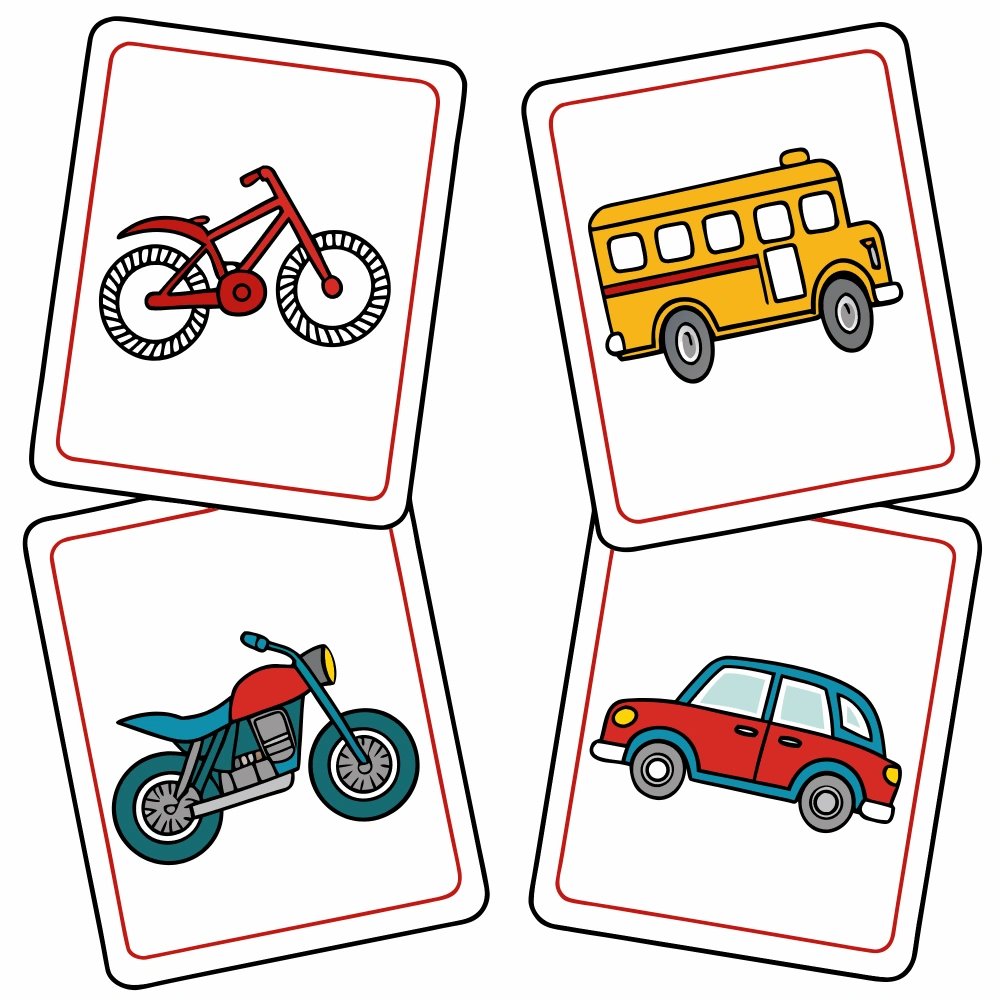
Download our free vehicle sound cards for speech practice at home. Perfect for late talkers and toddlers building vocabulary.
Get free printables →References
- Hirsh-Pasek, K., et al. (2023). The contribution of play to language development. Child Development Perspectives, 17(1), 56-62. https://doi.org/10.1111/cdep.12476
- Tamis-LeMonda, C. S., Kuchirko, Y., & Song, L. (2022). Why is infant language learning facilitated by parental responsiveness? Current Directions in Psychological Science, 23(2), 121-126. https://doi.org/10.1177/0963721414522813
- Suskind, D. L., et al. (2023). Parent talk in pediatric clinical settings and child language development. Pediatrics, 151(2), e2022057198. https://doi.org/10.1542/peds.2022-057198
- Weisleder, A., & Fernald, A. (2023). Talking to children matters: Early language experience strengthens processing and builds vocabulary. Psychological Science, 24(11), 2143-2152. https://doi.org/10.1177/0956797613488145