Quick Takeaways
- Downtime is brain-building time: Unstructured moments activate crucial neural networks for creativity, problem-solving, and self-regulation
- Age matters: Realistic expectations range from 5-10 minutes for 18-month-olds to 60+ minutes for 5-year-olds
- Not all screen time is equal: Interactive, offline apps differ dramatically from passive video consumption
- Start small: A 4-week gradual approach works better than cold-turkey independence
- "Boring" is beneficial: Low-stimulation environments support executive function development
- You're not lazy: Needing your child to play independently is healthy for both of you
How long should my toddler be able to play independently?
Most toddlers build independent play in small steps: roughly 5–10 minutes for 18‑ to 24‑month‑olds, 10–20 minutes for many 3‑year‑olds, and 20–45 minutes for preschoolers who have had practice. If your child can only play alone for a few minutes now, that’s normal—this guide’s 4‑week plan helps you stretch those windows gradually without relying on constant screens.
Introduction: The Modern Parent's Dilemma
It's 4:47 PM on a Tuesday. You've been "on" since 6:15 AM. Your toddler has asked you to play cars approximately forty-seven times. You need to start dinner, answer three work emails, and maybe—just maybe—use the bathroom alone.
So you hand over the iPad.
And immediately, the guilt hits. Am I ruining their brain? Should I be engaging them every moment? Why can't they just... play by themselves?
Here's what nobody tells you: Your child's inability to play independently isn't a character flaw—yours or theirs. It's a developmental skill that must be taught, practiced, and gradually built.
This guide exists because modern parents are caught between two impossible extremes. On one side, we hear "no screens before age 2!" and "constant engagement builds better brains!" On the other side, we're exhausted, touched-out, and drowning in the mental load of modern parenting. We need breaks. We need to cook dinner without a tiny human wrapped around our legs. We need our children to develop the capacity for independent thought and play.
Both needs are valid. Both needs are important.
What You'll Learn in This Guide
This isn't another article telling you to "just give them blocks and walk away" or "embrace boredom!" without addressing how to actually make that happen. Instead, you'll discover:
- The neuroscience behind why downtime literally builds brain architecture
- Age-by-age realistic expectations (because your 2-year-old isn't going to play alone for an hour)
- A proven 4-week plan for gradually building independent play skills
- 50+ specific activities that actually work, organized by your real-life needs
- How to handle the 15 most common problems (including the screaming when you say no to screens)
- The nuanced truth about screen time—when it helps, when it hurts, and how to tell the difference
- Special strategies for apartments, multiple children, neurodivergent kids, and work-from-home scenarios
Who This Guide Is For
Primary audience: Parents of toddlers and preschoolers (ages 18 months to 6 years) who feel torn between their child's need for engagement and their own need for sustainable parenting rhythms.
Also valuable for: Early childhood educators seeking evidence-based independent play strategies, speech-language pathologists supporting families, pediatricians counseling parents about screen time, and grandparents navigating modern parenting expectations.
You'll especially benefit if:
- You feel guilty every time you need 20 minutes to yourself
- Your child follows you everywhere, including the bathroom
- You're drowning in judgment about screen time
- You live in an apartment and need quiet activities
- You work from home and need your child to play during Zoom calls
- You're traveling soon and dreading the plane ride
- You suspect there's a better way but don't know where to start
Let's begin by understanding why downtime matters so much—and why fighting for it isn't lazy parenting, it's essential parenting.
The Science of Downtime & Brain Development
The Neuroscience of "Boredom"
When your toddler complains they're bored, something remarkable is happening in their brain. Neuroscientists have identified what they call the default mode network (DMN)—a system that activates when we're not focused on the external world. Research published in Nature Neuroscience demonstrates that DMN activation is essential for memory consolidation, self-referential thinking, and creative problem-solving (Andrews-Hanna et al., 2021).
Here's what happens during those "boring" moments:
- The brain consolidates learning: When children aren't actively engaged in new input, their brains process and integrate everything they've recently learned. A 2023 study from Stanford's Child Development Lab found that toddlers who had 30 minutes of unstructured play after learning activities showed 40% better retention than those immediately given new activities (Chen & Rodriguez, 2023).
- Creativity networks light up: Without external stimulation, children's brains begin generating their own narratives, scenarios, and solutions. This is where imaginative play originates—not from constant new toys, but from the space to invent uses for old ones.
- Self-awareness develops: The DMN is crucial for developing a sense of self separate from caregivers. When toddlers play independently, they're literally building the neural architecture for "I am a person with my own thoughts, separate from my parents."
- Executive function strengthens: Every moment of resisting the urge to interrupt you, managing frustration when their block tower falls, or figuring out how to make their toy work differently—these are reps in the executive function gym.
Executive Function Development: What to Expect by Age
Executive functions are the mental processes that enable planning, focusing attention, remembering instructions, and managing multiple tasks. They're what allow adults to resist eating the entire bag of chips, stay focused during boring meetings, and adapt when plans change.
In toddlers and preschoolers, these skills are just beginning to emerge:
18-24 months:
- Can focus on a toy for 2-5 minutes
- Beginning impulse control (but still minimal)
- Starting to remember simple rules
- Can follow one-step directions
2-3 years:
- Attention span extends to 5-10 minutes for preferred activities
- Can inhibit some impulses (but still developing)
- Beginning to plan simple actions ("I need the red block")
- Can hold one instruction in mind while doing another task
3-4 years:
- Can sustain attention for 10-20 minutes
- Noticeably better impulse control
- Can follow multi-step directions
- Beginning to plan more complex sequences
- Starting to mentally shift between different activities
4-6 years:
- Attention span of 20-45 minutes for engaging activities
- Increasing ability to resist immediate gratification
- Can hold multiple pieces of information in mind
- More flexible thinking and problem-solving
- Beginning to self-monitor and correct errors
According to research from Harvard's Center on the Developing Child, these executive function skills are more predictive of school success than IQ tests (Center on the Developing Child, 2023). And here's the crucial part: they're built through practice in low-stakes, unstructured situations—not through apps teaching executive function, but through the actual experience of managing yourself during independent play.
Self-Regulation and Emotional Development
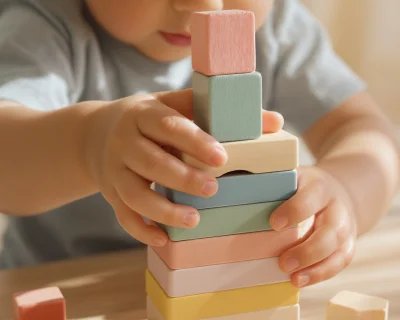
When Maya's block tower falls over and she has to handle her frustration without Mom immediately swooping in to fix it, she's practicing emotional regulation. When Jamal wants to interrupt his parent's phone call but has to wait, he's building impulse control. When Aisha feels bored but discovers a new way to play with her old toys, she's learning that she has agency over her emotional state.
Children who regularly get stretches of independent play tend to regulate themselves better than children whose time is constantly directed and filled — it is a consistent finding in the developmental literature, and it matches what most parents notice at home.
This happens because downtime provides a safe space to experience and manage uncomfortable emotions:
- Frustration tolerance: That puzzle piece doesn't fit. Do I throw it, or do I try rotating it?
- Delayed gratification: I want Mom's attention NOW, but she's cooking dinner. Can I wait three more minutes?
- Boredom management: I've played with all my toys. Do I demand entertainment, or do I get creative?
- Disappointment processing: My pretend game didn't go the way I wanted. Can I adapt?
These moments—the ones we often rush to eliminate because they feel uncomfortable—are precisely where emotional regulation is built.
Creativity and Problem-Solving in Low-Stimulation Environments
Here's a counterintuitive truth: the fewer toys with predetermined purposes a child has access to during play, the more creative they become.
A landmark 2020 study published in Child Development gave one group of toddlers four toys and another group sixteen toys. The group with fewer toys played longer, more creatively, and more deeply with each item (Dauch et al., 2020).
Why? Because creativity requires constraints. When everything is possible, nothing specific emerges. When a child has a cardboard box, three blocks, and a toy car, their brain has to work to create a narrative, a purpose, a game.
Compare these scenarios:
High-stimulation environment: Electronic toy plays a song when button is pressed → Child presses button → Toy does exactly what it's programmed to do → Child moves to next toy
Low-stimulation environment: Child has wooden blocks → Wonders what to build → Tries tower → It falls → Tries wider base → Succeeds → Adds car on top → Creates "parking garage" → Plays out scenario with characters → 20 minutes of engaged play from simple materials
The second scenario requires significantly more cognitive work—and builds significantly more brain connections.
The Research on Constant Stimulation vs. Quiet Play
We're in the middle of an unintended experiment. For the first time in human history, children have access to infinite entertainment at every moment. What are we learning?
A 2023 longitudinal study tracking 1,000 children from age 2 to age 7 found that those with more than 2 hours daily of passive screen entertainment showed measurably lower scores in attention control, impulse regulation, and creative problem-solving compared to peers with less than 1 hour daily (Thompson et al., 2023, JAMA Pediatrics).
Crucially, the same study found that interactive, educational screen time did not show the same negative correlations—suggesting it's not screens themselves, but what happens on screens (passive consumption vs. active engagement) that matters most.
Meanwhile, research from the University of British Columbia found that children who had at least 30 minutes of unstructured, quiet play daily showed enhanced divergent thinking skills—the ability to generate multiple solutions to open-ended problems (Liu & Morrison, 2024).
The Role of Dopamine in Play Preferences
Understanding dopamine helps explain why your child begs for the iPad but resists the art supplies.
Digital entertainment—especially fast-paced videos and games with frequent rewards—triggers rapid dopamine release. Brain imaging studies show that young children's dopamine systems are particularly responsive to this type of stimulation (Gearhardt et al., 2022). This isn't inherently bad; dopamine is how we learn what's rewarding. But it creates a mismatch: physical toys and creative play release dopamine more slowly and gradually. When a child's baseline expectation is rapid dopamine hits, everything else feels less interesting.
The good news? This is adaptable. When children gradually reduce high-stimulation screen time and increase lower-stimulation play, their dopamine systems recalibrate. The blocks become interesting again. The playdough becomes engaging. It takes time—usually 2-4 weeks of consistent changes—but it happens.
Why "Boring" Is Actually "Brain-Building"
Let's reframe: "boring" is an adult judgment. For a developing brain, unstructured time is:
- Neural consolidation time: Processing and integrating recent experiences
- Creativity training: Generating internal narratives without external prompts
- Executive function practice: Managing attention, emotions, and behavior without external control
- Self-concept building: Discovering "what do I like when nobody is telling me what to do?"
- Resilience building: Tolerating discomfort and finding solutions independently
When we eliminate all "boring" moments, we're actually eliminating critical brain-building time.
Comparison: High-Stimulation vs. Low-Stimulation Activities
| Dimension | High-Stimulation | Low-Stimulation |
|---|---|---|
| Dopamine Release | Rapid, frequent spikes | Gradual, sustained |
| Attention Required | Reactive (respond to stimuli) | Proactive (generate own engagement) |
| Creativity Demand | Low (entertainment provided) | High (must create own narrative) |
| Executive Function | Minimal (external pacing) | High (self-pacing, frustration tolerance) |
| Examples | Fast-paced videos, reward-based games | Blocks, art supplies, pretend play, books |
| Optimal Balance | Limited amounts, specific purposes | Foundation of daily play |
The goal isn't to eliminate high-stimulation activities entirely—it's to ensure low-stimulation play forms the foundation, with high-stimulation activities used purposefully rather than as default entertainment.
Understanding Screen Time: The Nuanced View
Why Screens Aren't Inherently Evil (or Good)
Let's start with permission to be human: using screens doesn't make you a bad parent. The "no screens before 2" guideline has been weaponized into parent-shaming rather than understood as a starting point for nuanced decision-making.
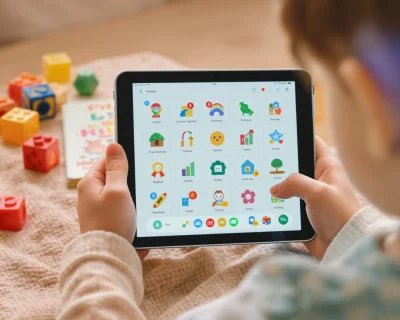
Screens are tools. Like any tool, their impact depends entirely on how they're used. A hammer can build a house or break a window. An iPad can passively entertain for hours or provide targeted speech practice. The question isn't "screens: yes or no?" but "which screen activities, how much, in what context, and replacing what?"
Passive vs. Interactive Screen Time: Research-Backed Differences
Not all screen time is created equal. This distinction matters more than total minutes.
Passive screen time:
- Child watches content (YouTube, TV, movies)
- No active participation required
- Content proceeds whether child engages or not
- Examples: Watching Cocomelon, scrolling through videos, TV shows
Interactive screen time:
- Child actively participates and makes choices
- Content responds to child's actions
- Requires sustained attention and decision-making
- Examples: Educational apps requiring responses, video calls with grandparents, creation tools
A 2024 meta-analysis of 42 studies found that passive screen time showed consistent negative associations with language development and attention span, while interactive screen time showed neutral to slightly positive associations—particularly when co-used with caregivers (Madigan et al., 2024, Child Development).
Here's why: passive viewing requires almost no cognitive effort. The child's brain can tune out while content plays. Interactive apps—especially well-designed ones—require sustained attention, choice-making, problem-solving, and often creativity. They're more cognitively similar to puzzles or building blocks than to watching TV.
The AAP Guidelines Explained: What They Really Mean
The American Academy of Pediatrics' screen time guidelines are often cited but rarely understood in context:
- For children under 18 months: Avoid digital media other than video chatting
- For children 18-24 months: If introducing digital media, choose high-quality programming and co-view/co-play
- For children 2-5 years: Limit screen time to 1 hour per day of high-quality programming, co-viewed when possible
- For children 6+ years: Place consistent limits on time and types of media
Here's what these guidelines are actually saying:
- Very young brains need primarily physical, three-dimensional interaction for optimal development
- Quality matters more than arbitrary time limits
- Parent involvement makes a huge difference
- Screens shouldn't replace sleep, physical activity, or face-to-face interaction
And here's what they're not saying:
- One minute of screen time causes brain damage
- All screens are equally harmful
- Using screens means you're a bad parent
- There's never a good reason to use screens
Dr. Jenny Radesky, lead author of the AAP guidelines, clarified in a 2023 interview: "The goal isn't zero screen time at all costs. The goal is that screens don't crowd out the experiences young children need for development: hands-on play, face-to-face interaction, physical movement, and sleep" (Radesky, 2023).
Quality Indicators: What Makes Screen Time "Educational"
Marketing terms like "educational" are largely meaningless. Here's what actually matters:
High-quality interactive content:
- Requires active participation (not just watching)
- Paces appropriately for child's processing speed
- Provides clear feedback on actions
- Encourages problem-solving and decision-making
- Works offline (no ads, no upsells, no data collection)
- Designed by actual child development experts
Low-quality passive content:
- Child can watch without engaging
- Fast-paced with rapid scene changes
- Ads or interruptions
- "Educational" label without actual learning design
- Algorithmically selected content (like YouTube autoplay)
One simple test: Could this activity happen in the physical world, or is it only possible digitally? Apps that teach coding concepts or music composition are doing something genuinely enhanced by technology. Apps that are essentially digital flashcards could be replaced by physical cards.
Co-Play vs. Solo Screen Time Outcomes
Research consistently shows that when parents actively engage with children during screen time—asking questions, extending concepts, relating content to real life—the developmental outcomes improve dramatically (Strouse et al., 2021).
Co-play benefits:
- Helps children process and retain information
- Provides language modeling and extension
- Builds connection rather than using screens as babysitter
- Allows parent to monitor content appropriateness
- Makes screen time more similar to reading together
Realistic application: You don't need to co-play every screen minute. But even 5 minutes of engaged co-play—"Oh, you picked the fire truck! What sound does it make? Let's try together!"—transforms passive consumption into interactive learning.
Offline vs. Online Apps: Why It Matters
This distinction matters more than many parents realize:
Offline apps:
- No ads or commercial interruptions
- No data collection on your child
- No algorithm trying to maximize engagement
- Predictable, parent-controlled experience
- Work on airplanes, in cars, without internet
Online apps/streaming:
- Often ad-supported (even "kids" content)
- Algorithms select next content to maximize watch time
- Data collection for advertising purposes
- Rabbit hole effect (one video leads to another)
- Require internet connection
A 2023 study found that children using offline educational apps showed better sustained attention and task completion compared to children using ad-supported, algorithm-driven content—even when the "educational" labeling was similar (Kumar & Chen, 2023).
When Screens Genuinely Help
Let's be honest about real-life situations where screens are actually the best tool:
- Travel: A 3-year-old on a 4-hour flight with quiet, engaging activities vs. a 3-year-old having a meltdown disturbing 200 passengers
- Medical appointments: Keeping a toddler still for blood draw or doctor's examination
- Cooking dinner: 20 minutes of uninterrupted time to prepare a meal
- Parent mental health: You've been "on" for 12 hours and need 15 minutes to not be touched
- Sibling peace: Giving one child quiet time while you help another with homework
- Speech practice: A child working on specific sounds needs the repetition and immediate feedback that apps can provide
The question isn't whether these situations justify screen use—they do. The question is: Are screens replacing needed downtime more broadly, or are they being used strategically for specific purposes?
When Screens Replace Needed Downtime
The problem isn't screens for dinner-making or airplane rides. The problem is screens as the default response to any moment of potential boredom or demand for attention.
Red flags that screens are crowding out downtime:
- Child wakes up asking for iPad
- Every transition (getting in car, waiting for food, etc.) requires screen
- Child can't tolerate any waiting without device
- Meltdowns when screen time ends are severe and prolonged
- Child has stopped engaging with physical toys
- You reach for screen before trying other solutions
- Screen time creeps from "20 minutes while I make dinner" to "2 hours throughout evening"
The goal isn't perfection. It's awareness of whether screens are serving your family or running it.
Comparison: Passive Videos vs. Interactive Apps vs. Physical Play
| Factor | Passive Videos | Interactive Apps | Physical Play |
|---|---|---|---|
| Cognitive Demand | Very Low | Medium-High | High |
| Creativity Required | None | Low-Medium | High |
| Physical Movement | None | Limited (finger taps) | High |
| Executive Function Practice | Minimal | Moderate | High |
| Language Development | Limited | Moderate (with quality apps) | High |
| Social Skills | None | None (unless co-play) | High (with others) |
| Self-Regulation | Minimal | Moderate | High |
| When Most Appropriate | Extreme situations, co-viewing | Targeted skill practice, travel | Daily foundation |
| Red Flags | >1 hour daily, default response | Replaces physical play, no limits | None (more is better) |
The ideal balance: Physical play as foundation (majority of waking hours), interactive apps for specific purposes (15-30 minutes daily), passive video as occasional tool (travel, illness, extreme situations).
Age-by-Age Downtime Expectations
One of the biggest sources of parent frustration is unrealistic expectations. Your 2-year-old cannot play independently for an hour. Your 18-month-old will not sit quietly with puzzles for 30 minutes. Here's what's actually developmentally realistic:
18-24 Months: What's Realistic
Expected independent play duration: 5-10 minutes
At this age, you're not building extended independent play—you're building the foundation for it. Your goal is moments of parallel play where you're nearby but not directly engaging.
Developmental capabilities:
- Very short attention span (2-5 minutes per toy)
- Limited frustration tolerance
- Strong need for caregiver proximity
- Just beginning symbolic play (pretending)
- Can follow one-step directions
What this looks like in practice: You're folding laundry on the couch. Your toddler plays with blocks on the floor nearby. You narrate occasionally ("You're stacking those high!") but you're not directing the play. After 5-8 minutes, they bring you a block. You engage briefly, then redirect back to independent play for another 5 minutes.
Activities that work:
- Large blocks
- Simple shape sorters
- Push/pull toys
- Board books with sturdy pages
- Water play in sink with supervision
- Sensory bins (with close supervision)
Common challenges:
- Bringing you every toy immediately
- Brief engagement before moving to next toy
- Following you room to room
- Wanting you to do the activity for them
Building blocks for future independence: This age is about establishing that you exist near each other without constant interaction. The goal is not long independent play—it's any moments of play without direct parental involvement.
2-3 Years: Building to 15-20 Minutes
Expected independent play duration: 10-20 minutes (with gradual building)
This is the age when independent play starts becoming more possible. You're transitioning from "parallel play" to "same room but separately engaged."
Developmental capabilities:
- Attention span extending to 10-15 minutes for preferred activities
- Beginning impulse control (but still developing)
- Rapidly expanding language
- More complex pretend play emerging
- Can follow 2-3 step directions
What this looks like in practice: You're in the kitchen making lunch. Your 2.5-year-old is in the living room (visible) playing with a toy garage and cars. You check in every 5 minutes but mostly let them direct their own play. They occasionally narrate what they're doing. Total time: 15-20 minutes before they need you again.
Activities that work:
- Vehicle play (cars, trucks, trains)
- Simple pretend play (kitchen sets, dolls)
- Playdough with supervision
- Large floor puzzles (6-12 pieces)
- Mega blocks or Duplo
- Coloring/scribbling
- Music and movement
- Sticker activities
Common challenges:
- Frequent requests for you to watch
- Frustration with activities that don't work perfectly
- Short bursts of play followed by "I'm bored"
- Resistance to you doing anything else
- Everything is "mine" and sharing is hard
Building blocks for future independence: This is when you establish the pattern: "I'm cooking lunch. You can play with your toys while I cook. I can see you and I'll check in, but this is your playing time." Consistency matters more than duration.
3-4 Years: Achieving 30-45 Minutes
Expected independent play duration: 20-45 minutes (with established routines)
This is when parents often feel the shift—independent play becomes genuinely helpful rather than just brief respites.
Developmental capabilities:
- Can sustain attention 15-30 minutes for engaging activities
- Noticeably better impulse control and frustration tolerance
- Complex pretend play with narratives
- Can plan simple sequences
- Better at occupying self when parent is busy
What this looks like in practice: You're working at the dining table. Your 3.5-year-old is in their room playing an elaborate scenario with action figures, complete with different voices and a developing storyline. You hear occasional chatter but no requests for help. After 35 minutes, they emerge to show you what they've built. You admire it, offer a snack, and they return to play for another 20 minutes.
Activities that work:
- Elaborate pretend play scenarios
- Building complex structures (Lego Duplo, Magna-Tiles)
- Art projects (stickers, coloring, simple crafts)
- Puzzles (24-48 pieces)
- Dress-up and role play
- Simple board games (playing "their way")
- Books and storytelling
- Outdoor exploration (in safe space)
- Mess-free digital art (on tablets)
- Interactive music apps
Common challenges:
- Knowing they can play alone but calling you anyway out of habit
- Transitioning from activity to activity every 5 minutes
- Huge messes requiring cleanup time
- Arguing with siblings during shared play
- Wanting to show you every single thing they do
Building blocks for future independence: This is when you start building the expectation of longer play periods. "This is quiet play time. I'm available if you need help with something tricky, but otherwise, you're practicing playing on your own."
4-6 Years: Independent Play for 60+ Minutes
Expected independent play duration: 45-90 minutes (with proper setup)
This is the age when independent play becomes genuinely reliable—though it still requires parent support in setting up environments and expectations.
Developmental capabilities:
- Sustained attention for 30-60 minutes
- Significantly better impulse control
- Can hold multiple ideas in mind simultaneously
- Plans complex sequences of activities
- Beginning to self-monitor and problem-solve independently
- Can transition between activities without parent help
What this looks like in practice: You're working from home. Your 5-year-old has their morning "play time"—they might start with building an elaborate Lego creation, transition to drawing the creation, then act out a story with stuffed animals related to the drawing. You're available for genuine needs but they occupy themselves for 60-90 minutes with minimal interruption. They might even forget you exist for stretches.
Activities that work:
- Complex building projects (Lego, Magna-Tiles, cardboard construction)
- Extended pretend play scenarios
- Art projects with multiple materials
- Puzzles (100+ pieces)
- Independent reading or storytelling
- Science experiments (with parent setup)
- Cooking/baking (with setup and check-ins)
- Outdoor fort building
- Writing/journaling
- Creative apps (music composition, digital art)
- Strategy games
Common challenges:
- Boredom despite having many options
- High expectations for elaborate parent involvement when you are available
- Screen addiction making physical play less interesting
- Comparison to screen-based activities
- Sibling dynamics complicating independent play
- Expecting parent to solve every small problem
Developmental milestones that enable extended independent play: By age 5-6, children have the executive function to:
- Plan a sequence of activities
- Tolerate frustration long enough to problem-solve
- Entertain themselves for extended periods
- Shift between different types of play
- Self-regulate emotions without immediate adult intervention
- Find solutions to boredom independently
Red Flags vs. Normal Variations
Normal variations (not concerning):
- Some days shorter independent play than others
- Preferring certain types of play over others
- Needing parent nearby (not actively engaging)
- Occasional clinginess during transitions or stress
- Taking time to warm up to independent play
- Playing longer with familiar toys in familiar spaces
Potential red flags (consider consulting professional):
- Complete inability to play without parent at any distance by age 3+
- Severe distress when parent is out of sight for even brief moments past age 2.5
- No engagement with any toys or activities
- Regression in previously established independent play
- Extreme rigidity (only plays one way, severe meltdowns if anything changes)
- No pretend play by age 3
- No interest in peers by age 4
- Consistently destructive during independent time
When to consult a professional: If you're concerned about your child's development, trust your instincts. Consult your pediatrician, a child psychologist, or an occupational therapist if you notice multiple red flags or if your gut tells you something is different. Early intervention makes a significant difference.
The 4-Week Gradual Independence Plan
Cold-turkey approaches rarely work with toddlers. This gradual plan builds independent play skills week by week, with realistic expectations for each stage.
Assessment: Where Is Your Child Now?
Before starting, honestly assess your current baseline:
- Current independent play duration: ___ minutes (average)
- Child's age: ___ years ___ months
- Realistic goal: ___ minutes of independent play by end of 4 weeks
- Biggest obstacle: ___
Week 1: Parallel Play (You Nearby, 5-10 Minutes)
Goal: Establish that you can be in the same space without directly engaging in play.
Mindset shift: Your presence nearby while doing something else isn't neglect—it's teaching your child that you still exist even when not playing with them.
3 Specific Activities:
1. Kitchen Companion Setup:
- Place a small table or blanket near kitchen
- Set out: playdough, cookie cutters, toy dishes, plastic knife
- You cook/prep, they "cook" nearby
- Narrate occasionally: "You're rolling that dough flat! I'm chopping vegetables."
- Duration: 5-10 minutes
- Exit strategy: "Great cooking! Let's wash hands and have a snack."
2. Couch Folding Block Play:
- You sit on couch folding laundry
- Child plays with blocks on floor within view
- Engage briefly every 2-3 minutes: "Wow, that's getting tall!"
- But return to laundry, don't take over play
- Duration: 5-10 minutes
- Exit strategy: "Let's leave your tower there and pick a book together."
3. Bathroom Toy Basket:
- Create special "bathroom play box" (only available during shower/bathroom time)
- Include: sticker book, mini puzzles, toy vehicles
- Child plays on bathroom rug while you shower (door open)
- Chat occasionally but focus on your task
- Duration: 5-10 minutes
- Exit strategy: "Shower's done! Let's put these special toys away until next time."
What to Say/Do:
- "I'm [doing task]. You can play with your [toys] while I work."
- Acknowledge play occasionally: "I see you building!" but don't direct it
- If they try to engage you constantly, redirect: "I'm cooking right now. Show me when I'm done!"
- Stay calm and consistent—this is new for both of you
Handling Resistance:
"They follow me and won't play":
- This is normal! Start with just 2-3 minutes
- Physical connection first: "Let me give you a big hug, then I need to [task]"
- Gradually extend: 2 minutes, then 3, then 5
- Celebrate small wins: "You played for 3 whole minutes while I cooked!"
"They cry when I don't play":
- Validate feelings: "I know you want me to play. That feels hard."
- Hold boundary: "I'm making dinner. You can play near me or in the living room."
- Follow through: Don't rescue unless genuinely needed
- Reconnect after: "You did it! Now we have time together."
"They destroy everything":
- Safety-proof space before starting
- Start with supervised, contained activities
- One toy at a time initially
- Natural consequences: "The blocks are put away since they were thrown. We'll try again tomorrow."
Week 1 Success Markers:
- Child tolerates 5-10 minutes of parallel play without constant interruption
- You successfully complete a simple task while child plays nearby
- Child doesn't cry the entire time (though some protest is normal)
- You feel confident this is building toward something, not failing
Week 2: Same-Room Independence (10-15 Minutes)
Goal: Child plays independently in the same room while you do your own activity (reading, working, folding laundry).
Mindset shift: You being in the room doing something else teaches that not every moment requires interactive play. This is healthy for both of you.
3 Specific Activities:
1. Art Station Independence:
- Set up low table with: coloring books, stickers, washable markers, paper
- You sit in armchair reading or on laptop
- Child works at art station
- Rule: "This is quiet work time. I'm reading/working, you're creating."
- Check in every 5 minutes: "Show me what you made!"
- Duration: 10-15 minutes
- Exit strategy: "Quiet time is over. Let's clean up together and then we'll [preferred activity]."
2. Building Zone:
- Designate space on floor with: Duplo/Lego, Magna-Tiles, or blocks
- You sit at table doing bills, work emails, meal planning
- Visual timer (optional): "When timer rings, we'll do something together"
- Minimal engagement: glance over occasionally, smile, return to task
- Duration: 10-15 minutes
- Exit strategy: "Building time is over. You can leave it up or put it away—your choice."
3. Toy Rotation Box:
- Box of toys that only come out during independent play time
- Include: small vehicles, plastic animals, nesting cups, mini puzzles
- Novelty increases engagement
- You do stretching, journaling, or simple chores in same room
- Duration: 10-15 minutes
- Exit strategy: "Special toys go away now. They'll be back tomorrow!"
What to Say/Do:
- Set expectation clearly: "I'm going to work on my laptop for 10 minutes. You can play with your toys."
- If interrupted for non-emergencies: "I'll help when my timer rings. Can you figure it out or try something else?"
- Praise independence: "You played by yourself for 12 minutes! That's your longest time yet!"
- Physical reconnection after: Hug, eye contact, "I missed you! Tell me about what you built."
Handling Resistance:
"They interrupt every 30 seconds":
- First interruption: Gentle reminder of expectation
- Second interruption: "I hear you. I'll be available in ___ minutes."
- Third+ interruptions: Ignore unless emergency (this teaches persistence doesn't work)
- Use visual timer so they can see when you'll be available
"They only want to show you things":
- This is progress! They're playing but want approval
- "I see it! Keep creating and I'll see the finished project in 5 minutes."
- Gradually extend time between check-ins
- Make the "big reveal" at the end special: full attention and enthusiasm
"They say they're bored immediately":
- "Boredom is okay. Your brain is looking for what to do next."
- Don't offer solutions immediately
- Wait 2-3 minutes—often they'll figure it out
- If truly stuck: "You could use the blocks, the cars, or the art supplies. You choose."
Week 2 Success Markers:
- Child plays for 10-15 minutes without significant distress
- They're absorbed in activity for at least some of that time
- You successfully complete a task requiring focus
- Transitions are becoming smoother (fewer meltdowns)
Week 3: Adjacent-Room Play (15-25 Minutes)
Goal: Child plays in one room while you're in an adjacent room within earshot but not visible.
Mindset shift: Being in different rooms doesn't mean being unavailable. You can still hear them and respond if needed, but they're learning object permanence for you—you exist even when not seen.
3 Specific Activities:
1. Bedroom Adventure Time:
- Set up several stations in their room: dress-up corner, reading nook, building area
- You're in hallway or adjacent room doing task (folding laundry, organizing, reading)
- Door stays open
- Check in verbally every 5 minutes: "How's it going in there?"
- Duration: 15-25 minutes
- Exit strategy: "Adventure time is over! Come show me your favorite thing you did."
2. Living Room Command Center:
- Child has living room setup: couch cushions for fort, toy vehicles, books, blanket
- You're in kitchen (visible from living room but doing own task)
- Rule: "You're the boss of living room play. Call me if you need help."
- Occasional check-ins, but mostly autonomous
- Duration: 15-25 minutes
- Exit strategy: "I hear the timer! Living room play is done. Do you want to keep your fort up or put cushions back?"
3. Outdoor Independent Play (weather permitting):
- Fenced yard or balcony with clear boundaries
- Child has: sidewalk chalk, bubbles, toy vehicles, sandbox
- You're inside by window, visible but doing chore (dishes, meal prep)
- Check every 3-5 minutes
- Duration: 15-25 minutes
- Exit strategy: "Outside time is over. Let's wash hands and have a snack."
What to Say/Do:
- Explain the plan: "You're playing in your room. I'm folding laundry in my room. Call me if you need me."
- Respond to genuine needs: "My tower fell and I can't fix it!" → "Let me see. What if we make the base wider?"
- Don't respond to attention-seeking: "Mom! Mom! Mom! Look!" → "I'll come see in 5 minutes when my laundry is done!"
- Praise growing independence: "You played in your room for 20 minutes! You didn't need me once!"
Common Week 3 Problems:
Problem: "They come out of their room constantly."
Solution: Walk them back every time. "This is your play time in your room." Like sleep training but for play. Consistency is everything.
Problem: "They're scared to be alone."
Solution: Start with door open, you visible from doorway. Gradually increase distance. A baby gate can help—they see you but have their space.
Problem: "They're too quiet and I panic."
Solution: Set a check-in timer for every 3 minutes initially. Gradually extend to 5, then 7. Trust your child-proofing.
Problem: "Siblings fight when I'm not in the room."
Solution: Week 3 might need to be separate play for siblings. Or one child plays independently while you're with the other, then swap.
Week 3 Success Markers:
- Child plays in separate room for 15-25 minutes most days
- They call for you only for genuine needs (not just seeking attention)
- You can complete a task in another room without constant interruption
- Child shows pride in their independence: "I played in my room by myself!"
Week 4: Independent Play (25-45 Minutes)
Goal: Child engages in extended, self-directed play with minimal parent involvement.
Mindset shift: You've built the foundation. Now you're maintaining and celebrating independence as a normal part of your day.
3 Specific Activities:
1. Morning Quiet Time Routine:
- Establish daily morning independent play: 7:00-7:45 AM (adjust to your schedule)
- Child wakes, gets dressed, then has "quiet play time" in room or playroom
- You're getting ready, exercising, having coffee—doing your morning routine
- Child knows: "Mom/Dad is getting ready. This is your play time."
- Duration: 30-45 minutes
- Exit strategy: "Quiet time is over! Let's have breakfast together and you can tell me about what you played."
2. Afternoon Project Time:
- After lunch/rest time, child has "project time"
- Provide options: art supplies, building materials, dress-up, books, creative apps
- Child chooses and executes their own "project"
- You're working, doing chores, or honestly just resting
- Occasional check-ins but mostly autonomous
- Duration: 30-45 minutes
- Exit strategy: "Project time is over. Want to show me what you made or keep it private?"
3. Pre-Dinner Independence Hour:
- The witching hour reimagined
- Child has independent play while you cook dinner
- Rotate activities daily: Monday—building, Tuesday—art, Wednesday—pretend play, Thursday—puzzles/games, Friday—creative screen time
- You're fully engaged in cooking, not available for play
- Duration: 30-45 minutes (dinner prep time)
- Exit strategy: "Dinner's ready! Clean-up time, then we eat together."
What to Say/Do:
- Frame as routine: "Every morning after you get dressed is quiet play time."
- Offer choice within boundaries: "You can play with your Lego, draw, or play with your vehicles. You choose."
- Respond to interruptions consistently: "I'm making dinner. I'll help after dinner unless it's an emergency."
- Make reunion special: Full attention, genuine interest, connection time after independence
Maintaining Progress:
Build rituals:
- Same times daily (routines build security)
- Opening ritual: "It's quiet play time! Have fun!"
- Closing ritual: Reconnection hug, "I missed you!"
- Visual schedule helps younger kids
Increase variety:
- Rotate toy access (not all toys available always)
- Introduce new materials weekly
- Change up locations occasionally
- Mix physical and screen-based options
Celebrate wins:
- Specific praise: "You played for 45 minutes and figured out that puzzle on your own!"
- Track progress: Chart or stickers for successful independent play
- Privileges tied to independence: "Since you're playing independently so well, you've earned extra park time!"
Handle setbacks:
- Off days are normal (tired, sick, stressed)
- Don't abandon the routine entirely—shorten it
- Return to full duration when child is regulated
- Regression is temporary unless routine disappears
Common Week 4 Problems:
Problem: "We achieved it but now they're slipping back."
Solution: Consistency is maintenance. If you skip independent play time for a week, you're back to Week 1. Build it into daily routine like toothbrushing.
Problem: "They can do it but they're constantly asking for screens instead."
Solution: Screens can be one option but not the only option. "You can have 15 minutes of screen time after 30 minutes of other play."
Problem: "I achieved this but I feel like I'm ignoring them."
Solution: Calculate actual attention time. 45 minutes independent + 3 hours engaged time = 3h 45m total. You're not ignoring—you're balancing.
Problem: "My partner/mother-in-law thinks I'm being mean making them play alone."
Solution: Share the research. Independent play is developmentally essential, not neglectful. This is a parenting choice, not up for debate.
Week 4 Success Markers:
- Child regularly plays independently for 30-45+ minutes
- Independent play is part of daily routine, not a battle
- You can complete meaningful tasks during this time
- Child shows confidence and pride in their independence
- You feel less touched-out and overwhelmed
- The guilt has (mostly) subsided
50+ Quiet Activities That Actually Work
Not all activities are created equal. These are organized by category with age recommendations, mess levels, and realistic duration expectations. Mix and match based on your specific needs (apartment living, traveling, quiet time needed, etc.).
Physical/Tactile Activities
1. Building Blocks (18 months+)
- Age sweet spot: 2-5 years
- Duration: 15-30 minutes
- Mess level: Medium (blocks everywhere)
- Noise level: Low-medium
- Setup: Large bins of wooden blocks, Duplo, or Mega Blocks
- Why it works: Open-ended, no "right" way, natural progression of complexity
- Parent tip: Don't build for them. Resist the urge to make it "better."
2. Puzzles (18 months+)
- Age-appropriate pieces: 18-24mo (4-8 pieces), 2-3yr (12-24 pieces), 3-4yr (24-48 pieces), 4-6yr (48-100+ pieces)
- Duration: 10-30 minutes depending on difficulty
- Mess level: Low
- Noise level: Very low
- Why it works: Clear goal, immediate feedback, builds frustration tolerance
- Parent tip: Rotate puzzles weekly—familiar ones are comforting, new ones are engaging
3. Playdough (2 years+)
- Age considerations: 2-3yr needs supervision, 4+ can be independent
- Duration: 15-25 minutes
- Mess level: Medium-high
- Noise level: Low
- Setup: Homemade or store-bought dough, cookie cutters, plastic tools, mat
- Why it works: Sensory regulation, no pressure to create anything specific
- Parent tip: Accept it will get mixed into gray eventually. That's okay.
4. Sensory Bins (18 months+ with supervision)
- Contents: Rice, pasta, beans, kinetic sand, water beads
- Add: Scoops, cups, toy vehicles, plastic animals, funnels
- Duration: 15-30 minutes
- Mess level: High (worth it)
- Noise level: Low-medium
- Why it works: Calming, exploratory, no rules
- Parent tip: Use a large under-bed storage container to contain mess. Put towel underneath.
5. Magna-Tiles / Magnetic Building (2 years+)
- Age sweet spot: 3-6 years
- Duration: 20-40 minutes
- Mess level: Low
- Noise level: Low
- Why it works: Satisfying click, 3D building, lights can shine through
- Parent tip: Start with 30-piece set, not 100-piece. Less overwhelming.
6. Water Play (18 months+)
- Setup: Sink, bath, or plastic bin with cups, funnels, toy dishes, sponges
- Duration: 15-30 minutes
- Mess level: High (but contained)
- Noise level: Low
- Supervision: Required for under-3
- Why it works: Naturally engaging, sensory calming, zero learning pressure
- Parent tip: Towel on floor, spare clothes nearby, embrace the wetness
7. Kinetic Sand (3 years+)
- Duration: 15-25 minutes
- Mess level: Medium (less than regular sand)
- Noise level: Very low
- Why it works: Satisfying texture, molds well, cleans up easily
- Parent tip: Keep in large tray or bin. Vacuum nearby afterward.
8. Threading/Lacing Cards (3 years+)
- Duration: 10-20 minutes
- Mess level: Very low
- Noise level: Very low
- Why it works: Fine motor practice, clear goals, quiet
- Parent tip: Store with string already threaded through first hole
9. Play Foam / Shaving Cream Play (2 years+ supervised)
- Setup: Tray with foam/shaving cream, add toy vehicles or letter stamps
- Duration: 15-25 minutes
- Mess level: Medium-high
- Noise level: Low
- Why it works: Novel sensory experience, disappears after play
- Parent tip: Bath tub activity if mess tolerance is low
10. Balance Board / Indoor Physical Play (2 years+)
- Options: Wobble board, stepping stones, tunnel, small trampoline
- Duration: 10-20 minutes
- Mess level: Low
- Noise level: Medium (depends on apartment situation)
- Why it works: Releases energy without leaving home
- Parent tip: For apartments, use foam mats underneath for noise reduction
Creative/Artistic Activities
11. Coloring Books (2 years+)
- Duration: 10-25 minutes
- Mess level: Low (if using markers/crayons correctly)
- Noise level: Very low
- Why it works: Clear boundaries (stay in lines), low-pressure creativity
- Parent tip: Crayola Color Wonder products for truly mess-free experience
12. Sticker Books (18 months+)
- Age sweet spot: 2-4 years
- Duration: 15-30 minutes
- Mess level: Very low
- Noise level: Very low
- Why it works: Satisfying peel-and-stick, clear completion
- Parent tip: Reusable sticker books extend value, reduce waste
13. Dot Markers / Bingo Daubers (2 years+)
- Duration: 10-20 minutes
- Mess level: Low-medium
- Noise level: Very low
- Setup: Blank paper or printable dot marker pages
- Why it works: No wrong way, satisfying dots, builds hand strength
- Parent tip: Washable brands only. Do-A-Dot is parent favorite.
14. Mess-Free Art Apps (3 years+)
- Duration: 15-30 minutes
- Mess level: Zero
- Noise level: Very low (with headphones: zero)
- Best options: Apps that work offline with no ads
- Why it works: Unlimited colors/tools, infinite undo, saves creations
- Parent tip: Set timer beforehand: "20 minutes of art time, then we're done"
15. Stamps and Ink Pads (3 years+)
- Duration: 15-25 minutes
- Mess level: Medium
- Noise level: Low
- Setup: Washable ink pads, stamps, blank paper
- Why it works: Repeated satisfaction, pattern creation
- Parent tip: Use old shirt as art smock
16. Cut-and-Paste Collages (3 years+ with safety scissors)
- Duration: 15-30 minutes
- Mess level: Medium (paper scraps everywhere)
- Noise level: Low
- Setup: Safety scissors, glue stick, old magazines, construction paper
- Why it works: Multiple steps, fine motor practice, creative freedom
- Parent tip: Scissors with spring-loaded handles are easiest for beginners
17. Chalk Drawing (2 years+)
- Location: Sidewalk, driveway, or chalkboard
- Duration: 15-30 minutes
- Mess level: Low (washes off easily)
- Noise level: Very low
- Why it works: Large movements, outdoor air, temporary (no pressure)
- Parent tip: Sidewalk chalk sets with stencils extend play
18. Window Clings (2 years+)
- Duration: 10-20 minutes
- Mess level: Very low
- Noise level: Very low
- Setup: Gel window clings, clean window/mirror
- Why it works: Satisfying stick-and-peel, reusable, scenes creation
- Parent tip: Perfect for restaurant/waiting room carry-along
19. Watercolor Painting (3 years+)
- Duration: 15-25 minutes
- Mess level: Medium-high
- Noise level: Low
- Setup: Watercolor set, brushes, paper, water cup, smock
- Why it works: Process over product, color mixing exploration
- Parent tip: Crayola watercolors are least messy, most forgiving
20. Drawing/Sketching (3 years+)
- Duration: 15-40 minutes
- Mess level: Very low
- Noise level: Very low
- Setup: Blank paper, pencils, erasers
- Why it works: Open-ended, no rules, fosters creativity
- Parent tip: "Trace your hand" or "draw our family" prompts can help resistant starters
Pretend Play Activities
21. Vehicle Play (18 months+)
- Setup: Cars, trucks, trains, toy garage/tracks
- Duration: 15-40 minutes
- Mess level: Low
- Noise level: Low-medium (vroom sounds)
- Why it works: Universal toddler interest, natural sound practice, open-ended scenarios
- Speech bonus: Vehicles offer natural opportunities for sound practice—"vroom," "beep beep," "choo choo"
- Parent tip: Rotate which vehicles are accessible to maintain novelty
22. Dollhouse / Action Figures (2 years+)
- Duration: 20-45 minutes
- Mess level: Low-medium
- Noise level: Low (lots of talking to toys)
- Why it works: Narrative play, emotional processing, social scenarios
- Parent tip: Doesn't need expensive dollhouse—cardboard box works great
23. Play Kitchen / Food (18 months+)
- Duration: 15-35 minutes
- Mess level: Medium (toy food everywhere)
- Noise level: Medium
- Why it works: Mimics adult activities, clear scripts ("cooking dinner"), role practice
- Parent tip: Real kitchen items (wooden spoons, plastic bowls) often more engaging than toy versions
24. Doctor/Vet Play (2 years+)
- Setup: Toy medical kit, stuffed animals as "patients"
- Duration: 15-30 minutes
- Mess level: Low
- Noise level: Low-medium
- Why it works: Processes medical experiences, nurturing role play
- Parent tip: Especially helpful before/after actual doctor visits
25. Dress-Up / Costumes (2 years+)
- Duration: 15-30 minutes
- Mess level: Medium (clothes everywhere)
- Noise level: Low-medium
- Why it works: Identity exploration, imaginative scenarios
- Parent tip: Bin of random clothes/accessories works better than expensive costumes
26. Toy Tools / Construction (2 years+)
- Setup: Toy workbench, plastic tools, "build" activities
- Duration: 15-30 minutes
- Mess level: Low-medium
- Noise level: Medium (hammering sounds)
- Why it works: Competence building, mimics adult tasks
- Parent tip: Real (safe) tools for 4+ years even more engaging
27. Puppets / Puppet Theater (2 years+)
- Duration: 10-25 minutes
- Mess level: Low
- Noise level: Medium (puppet voices)
- Why it works: Safe emotional expression, storytelling practice
- Parent tip: Socks with buttons glued on work as well as fancy puppets
28. Toy Animals / Farm (18 months+)
- Setup: Plastic animals, blocks for fences/buildings
- Duration: 15-35 minutes
- Mess level: Low
- Noise level: Low (animal sounds)
- Why it works: Open-ended scenarios, sound practice, categorizing
- Parent tip: Rotate which animal sets are out (farm/jungle/ocean)
29. Shopping/Store Play (2 years+)
- Setup: Play cash register, toy food, bags, play money
- Duration: 15-30 minutes
- Mess level: Medium
- Noise level: Low-medium
- Why it works: Transaction scripts, number exposure, social scenarios
- Parent tip: Real grocery items in play rotation adds excitement
30. Construction Vehicles in Sand/Dirt (2 years+)
- Setup: Toy bulldozers, dump trucks, sandbox or dirt box
- Duration: 20-40 minutes
- Mess level: High (worth it)
- Noise level: Low-medium
- Why it works: Sensory + vehicle combo, natural outdoor play
- Parent tip: Outside activity when possible; indoor sensory bins work too
Quiet Learning Activities
31. Board Books (6 months+) / Picture Books (2 years+)
- Duration: 10-30 minutes (shorter for younger)
- Mess level: Very low
- Noise level: Very low
- Why it works: Vocabulary building, attention practice, self-paced
- Parent tip: Rotating library books maintain interest without cost
32. Audio Books (3 years+)
- Duration: 15-45 minutes
- Mess level: Zero
- Noise level: Low (with headphones: zero)
- Why it works: Listening comprehension, longer attention span, hands-free
- Parent tip: Libby app offers free audiobooks with library card
33. Matching Games (2 years+)
- Setup: Memory card games, matching picture cards
- Duration: 10-20 minutes
- Mess level: Very low
- Noise level: Very low
- Why it works: Cognitive challenge, clear win, self-checking
- Parent tip: Start with 6 pairs, gradually increase difficulty
34. Sorting Activities (18 months+)
- Setup: Muffin tin or egg carton + items to sort (buttons, pom-poms, toy vehicles by color)
- Duration: 10-25 minutes
- Mess level: Low-medium
- Noise level: Very low
- Why it works: Cognitive organization, fine motor, low-pressure
- Parent tip: Tongs or tweezers add challenge for older kids
35. Pattern Blocks (3 years+)
- Duration: 15-30 minutes
- Mess level: Low
- Noise level: Very low
- Why it works: Spatial reasoning, pattern recognition, creative design
- Parent tip: Pattern cards provide structure; free play encourages creativity
36. Pegboards (2 years+)
- Duration: 10-25 minutes
- Mess level: Low
- Noise level: Very low
- Why it works: Fine motor practice, pattern creation, satisfying completion
- Parent tip: Rainbow-colored pegs are most engaging
37. Felt Board Stories (2 years+)
- Setup: Felt board, felt pieces for story scenes
- Duration: 10-20 minutes
- Mess level: Very low
- Noise level: Very low
- Why it works: Story sequencing, narrative practice, quiet activity
- Parent tip: DIY with pizza pan and felt pieces from craft store
38. "I Spy" Books (2 years+)
- Duration: 10-25 minutes
- Mess level: Very low
- Noise level: Very low
- Why it works: Visual discrimination, sustained attention, self-paced
- Parent tip: Works great in waiting rooms/restaurants
39. Quiet Books (18 months+)
- Types: Fabric books with zippers, buttons, snaps to manipulate
- Duration: 10-20 minutes
- Mess level: Very low
- Noise level: Very low
- Why it works: Tactile engagement, life skills practice, truly quiet
- Parent tip: DIY versions on Etsy if crafty; store-bought equally effective
40. Simple Board Games (3 years+)
- Examples: Candy Land, Chutes & Ladders, Zingo, Sneaky Snacky Squirrel
- Duration: 15-30 minutes
- Mess level: Low
- Noise level: Low
- Why it works: Turn-taking practice, following rules, winning/losing tolerance
- Parent tip: They'll play "wrong" for a while—that's okay and still beneficial
Music/Sound Activities
41. Musical Instruments (18 months+)
- Options: Xylophone, drum, shakers, keyboard, harmonica
- Duration: 10-25 minutes
- Mess level: Low
- Noise level: High (consider apartment neighbors)
- Why it works: Sensory exploration, rhythm development, self-expression
- Parent tip: Set "music time" boundaries; noise-canceling headphones for you if needed
42. Singing/Dancing (18 months+)
- Setup: Kid-friendly playlist, open space
- Duration: 10-20 minutes
- Mess level: Low
- Noise level: Medium-high
- Why it works: Energy release, gross motor, emotional regulation
- Parent tip: "Dance party then quiet time" is effective transition strategy
43. Rhythm Games (2 years+)
- Setup: Clapping patterns, drum beats to copy, freeze dance
- Duration: 10-20 minutes
- Mess level: Low
- Noise level: Medium-high
- Why it works: Listening skills, pattern recognition, body awareness
- Parent tip: Videos with action songs work for independent play
44. Music Creation Apps (3 years+)
- Duration: 15-30 minutes
- Mess level: Zero
- Noise level: Low (with headphones: zero)
- Best options: GarageBand, interactive music apps with no ads
- Why it works: Creative expression without instrument cost/noise
- Parent tip: Headphones make this apartment-friendly
45. Making Instruments (3 years+)
- Setup: Rice in plastic bottles (shakers), rubber-band guitar, pot drums
- Duration: 20-30 minutes (making + playing)
- Mess level: Medium
- Noise level: High
- Why it works: Craft + music combo, ownership of creation
- Parent tip: Supervise construction, then let them play independently
46. Sound Matching (2 years+)
- Setup: Containers with different items inside (rice, bells, beans), shake and match pairs
- Duration: 10-20 minutes
- Mess level: Low
- Noise level: Low-medium
- Why it works: Auditory discrimination, problem-solving, quiet focus
- Parent tip: Film canisters or small plastic containers work perfectly
47. Voice Recording/Playback (3 years+)
- Setup: Kid-friendly voice recorder or smartphone voice memo
- Duration: 15-25 minutes
- Mess level: Zero
- Noise level: Medium
- Why it works: Hearing own voice, storytelling practice, technology interest
- Parent tip: Delete recordings together afterward to maintain storage
48. Karaoke Apps/Machines (3 years+)
- Duration: 15-30 minutes
- Mess level: Zero
- Noise level: High (use during non-quiet hours)
- Why it works: Confidence building, language practice, fun
- Parent tip: Wireless kids' karaoke mics are surprisingly affordable
49. Sound Scavenger Hunt (2 years+)
- Setup: List of sounds to find (clock ticking, water running, bird chirping)
- Duration: 15-25 minutes
- Mess level: Low
- Noise level: Low
- Why it works: Active listening, movement, exploration
- Parent tip: Indoor version perfect for apartment quiet time
50. Listening to Nature Sounds (2 years+)
- Setup: Nature sound app or recordings, comfortable spot
- Duration: 10-20 minutes
- Mess level: Zero
- Noise level: Very low
- Why it works: Calming, attention practice, rest without sleep
- Parent tip: Transitional activity between active play and meal/nap time
Screen-Based Quality Options
51. Interactive Educational Apps (2 years+)
- Duration: 15-30 minutes
- Mess level: Zero
- Noise level: Low (with headphones: zero)
- Quality markers: Offline functionality, no ads, requires active participation
- Why it works: Targeted skill practice, immediate feedback, engaging
- Parent tip: Preset timer before handing device; avoid autoplay features
52. Video Calls with Family (18 months+)
- Duration: 10-20 minutes
- Mess level: Zero
- Noise level: Medium
- Why it works: Real human connection, language practice, social interaction
- Parent tip: Schedule regular times; let child "show and tell" their toys
53. Photography/Video Creation (3 years+)
- Setup: Old smartphone or kid camera, limited photo taking time
- Duration: 15-25 minutes
- Mess level: Zero
- Noise level: Low
- Why it works: Creative expression, perspective-taking, storytelling
- Parent tip: Review photos together afterward; delete together to teach digital hygiene
54. Digital Puzzles/Problem-Solving Games (3 years+)
- Duration: 15-25 minutes
- Mess level: Zero
- Noise level: Low
- Quality markers: Logic required, not just tapping randomly
- Why it works: Cognitive challenge without physical setup
- Parent tip: Look for games with clear end points, not infinite loops
55. Speech Practice Apps (2 years+)
- Duration: 10-20 minutes
- Mess level: Zero
- Noise level: Low-medium
- When appropriate: Late talkers, speech therapy supplement, pronunciation practice
- Why it works: Repetition without parent burnout, immediate feedback
- Parent tip: Works best as supplement to real-world speech practice, not replacement
56. Drawing/Animation Apps (3 years+)
- Duration: 15-30 minutes
- Mess level: Zero
- Noise level: Very low
- Best options: Apps where kids create, not consume
- Why it works: Digital art without cleanup, unlimited colors/tools
- Parent tip: Save creations to share with family; builds pride in work
57. Story Creation Apps (3 years+)
- Duration: 15-30 minutes
- Mess level: Zero
- Noise level: Low-medium
- Setup: Apps where kids add characters, narrate, create scenes
- Why it works: Narrative skills, sequencing, creative control
- Parent tip: "Show me your story when you're done" creates natural endpoint
58. Interactive E-Books (2 years+)
- Duration: 10-25 minutes
- Mess level: Zero
- Noise level: Low
- Quality markers: Child controls pacing, not auto-playing videos
- Why it works: Literacy exposure, self-paced, accessible
- Parent tip: Epic! and Library apps offer huge selections
59. Coding Games for Kids (4 years+)
- Duration: 15-30 minutes
- Mess level: Zero
- Noise level: Low
- Examples: ScratchJr, Kodable, Lightbot Jr.
- Why it works: Problem-solving, sequencing, logic—genuinely educational
- Parent tip: These require actual thinking, not just passive watching
60. Co-Play App Strategy (all ages)
- Duration: 20-30 minutes (shorter than solo screen time)
- Setup: You and child use app together, discussing and extending
- Why it works: Transforms screen time into interactive learning
- Example: Child uses art app while you ask "Why did you pick that color? What are you making?"
- Parent tip: Even 10 minutes of co-play dramatically changes developmental outcomes compared to solo screen use
Expert Perspectives
What Speech-Language Pathologists Say About Independent Play and Language Development
Independent play isn't just quiet time for parents—it's language laboratory for children.
Self-talk and language practice: When toddlers play alone, they narrate their actions ("Car go vroom," "Baby sleep now," "Uh oh, fall down"). This self-talk is crucial language practice. Research from the American Speech-Language-Hearing Association demonstrates that children who engage in independent pretend play show accelerated vocabulary growth and more complex sentence structures (ASHA, 2022).
Problem-solving language: "How do I make this work?" "Where does this go?" "That doesn't fit." Children talking through problems during solo play are practicing the internal dialogue that supports all learning.
Sound experimentation: Vehicle play naturally incorporates sound practice—vroom, beep, choo-choo. These playful sounds are early phoneme practice. Apps that leverage this interest, letting children practice vehicle sounds and names repeatedly, can support speech development in ways that feel like play rather than therapy.
Key insight from SLPs: The best language learning happens during child-directed play where they control the narrative and pace. Adult-directed activities have value, but independent play is where children consolidate what they've learned.
What Occupational Therapists Say About Sensory Regulation
Downtime isn't empty time—it's sensory processing time.
Sensory integration: Occupational therapists explain that children need "low-stimulus" time to process the sensory input they've received throughout the day (American Occupational Therapy Association, 2023). Constant high stimulation prevents this processing.
Self-regulation development: During independent play, children learn to regulate their sensory needs. Seeking proprioceptive input (heavy work with blocks), calming tactile experiences (playdough), or alerting movement (dancing to music)—they're discovering what their body needs.
Executive function and sensory processing connection: The skills built during independent play—attention, planning, frustration tolerance—are deeply connected to sensory regulation. A child who can't sit still isn't being defiant; they might need more movement input. A child who melts down easily might be overstimulated.
OT recommendation: Independent play should include variety—movement activities, tactile experiences, quiet focus time—so children can practice different types of regulation.
What Child Psychologists Say About Self-Regulation
Independent play is emotional regulation practice in a safe context.
Boredom tolerance: According to developmental psychologists, learning to tolerate boredom is a critical emotional skill. Children who never experience boredom never develop the resilience to manage understimulation—a skill they'll need throughout life (Westgate & Wilson, 2023).
Frustration tolerance: When a toddler's block tower falls during independent play and no parent rushes to fix it, they experience manageable frustration. They might cry briefly, then try again. This is resilience-building.
Emotional processing: Pretend play is how children process experiences. The child who plays "doctor" after a check-up is working through anxiety. The child whose dolls have arguments is practicing conflict resolution.
Parent-child relationship: Paradoxically, children who have healthy independent play time show stronger attachment to parents. They learn: "Mom goes away but always comes back." "I can handle hard feelings." "My parents trust me."
What Educators Say About Intrinsic Motivation
Many early childhood educators emphasize children's natural drive toward independence and mastery. Downtime and independent play honor this drive.
Follow the child: Children have an inner drive to master their environment. When we constantly direct activities, we override intrinsic motivation. Independent play preserves it.
Prepared environment: Thoughtful spaces don’t entertain—they provide materials and room to explore, then step back. At home, set up engaging options, then allow choice and exploration.
Concentration: Given uninterrupted time with activities they choose, children often enter deep concentration—sometimes 20–45+ minutes. This “flow state” is only possible without frequent interruption.
Independence as respect: Giving children space to play independently communicates: “I trust you. You are capable.” This builds confidence and competence.
Practical application: Set up activity areas (art corner, building zone, reading nook), rotate materials to maintain interest, then trust children to engage according to their needs.
Comprehensive FAQ
Q: How much downtime should my 3-year-old have daily?
A: A 3-year-old should have 45-90 minutes of total independent play throughout the day, broken into 2-3 sessions (15-30 minutes each). This doesn't need to be consecutive—morning independent play while you shower, afternoon quiet time, pre-dinner play while you cook. Balance this with active outdoor time, parent-child interaction, and structured activities.
Q: Is it okay to use screens for downtime?
A: Yes—with parameters. Not all downtime should be screens, but 15-30 minutes daily of quality, interactive screen time is fine for most 3+ year-olds. Prioritize offline apps with no ads, co-play when possible, and ensure screens don't replace physical play, outdoor time, or face-to-face interaction. Balance is key: majority physical play, some screen time as one tool.
Q: What if my child never plays independently?
A: True inability to play independently by age 3+ may indicate developmental concerns worth discussing with your pediatrician. However, most children can learn with gradual practice. Start with 5 minutes of parallel play (you nearby), build slowly using the 4-week plan. If your child has special needs, sensory sensitivities, or anxiety, adaptations may be needed. Seek occupational therapy or developmental specialist if concerned.
Q: Are educational apps better than TV?
A: Generally, yes—if they're genuinely interactive. Educational apps that require active participation (tapping, creating, problem-solving) are cognitively more engaging than passive TV watching. However, "educational" is often marketing fluff. Look for: child controls pacing, must make decisions, receives feedback on actions, works offline without ads. Even quality apps shouldn't replace physical play as primary activity.
Q: How do I transition from screens to physical play without meltdowns?
A: Use consistent transition scripts, visual timers, warnings, and "first/then" structure. Warn 5 minutes and 2 minutes before screen time ends. When timer beeps, screens go off immediately. Validate feelings but hold boundary. Offer high-engagement physical activity next (outdoor play, sensory bin, favorite toy). Expect 1-2 weeks of protests with consistency before improvement. Make ending predictable and inevitable.
Q: What's the difference between independent play and neglect?
A: Independent play is structured: child-proofed space, age-appropriate activities, parent available within earshot, regular check-ins based on age/safety, and clear duration. Neglect is: unsafe environment, child's needs ignored, no supervision for hours, no age-appropriate boundaries. Independent play builds skills; neglect causes harm. Trust your instincts—if you're asking this question, you're probably doing fine.
Q: Should I feel guilty about needing a break?
A: Absolutely not. You are not your child's entertainment committee. Needing time to cook, work, shower, or simply exist without a tiny human touching you is healthy and normal. Independent play benefits BOTH of you: they build crucial skills, you maintain sanity. Sustainable parenting requires boundaries. You cannot pour from an empty cup. This is not lazy—it's wise.
Q: What if my child has ADHD/autism?
A: Independent play is still valuable but may require different approaches. Shorter durations initially (5-10 minutes), more frequent check-ins, sensory-appropriate activities, visual supports (schedules, timers), and possibly sensory breaks within play time. Work with your child's occupational therapist or developmental specialist to create individualized strategies. Some neurodivergent children actually thrive in independent play—it's predictable and self-paced.
Q: How do I handle judgment from other parents?
A: "Every family makes choices that work for them. This works for us." Then change the subject. You don't owe anyone justification for healthy parenting boundaries. Research supports independent play. Your child's well-being and your sustainability matter more than other parents' opinions. If they judge, that's their problem, not yours.
Q: What activities work on airplanes?
A: Sticker books, mini Magna-Doodle, PlayDoh in small container, window clings, pipe cleaners, small figures, snacks as activities. Screen time: download offline apps/videos beforehand—WiFi is unreliable. New small toy they haven't seen. Rotate activities every 20 minutes. Lower expectations—survival mode is fine. Other passengers' comfort matters, but your child is allowed to exist in public spaces.
Q: Is it normal for my child to talk to themselves during play?
A: Completely normal and developmentally positive! Self-talk during play is how children practice language, work through emotions, and develop internal dialogue. "Private speech" (talking aloud to oneself) is associated with better self-regulation and problem-solving. Don't interrupt or correct—let them narrate their play freely.
Q: My child only wants to show me things, not actually play. How do I handle this?
A: This is progress—they're playing but seeking approval. Initially respond: "I see it! Keep creating." Gradually extend time between check-ins: "I'll come see your finished project in 5 minutes." Make the final "reveal" special—full attention and enthusiasm. They're learning: I can do things independently AND Mom cares. Balance independence with connection.
Q: What if I work from home and genuinely can't interrupt every 5 minutes?
A: Use the 4-week gradual plan to build longer independent durations before returning to/starting work-from-home. Schedule important calls during nap time when possible. For Zoom meetings: thorough pre-call prep (snack, bathroom, energy release, engaging activity setup). Accept that some interruptions will happen—most people understand. Have "emergency entertainment" (new sticker book, special snack) for critical moments.
Q: How long should quiet time last for a 4-year-old who doesn't nap?
A: 45-90 minutes is reasonable. They don't have to sleep—just play quietly in their room. Rest time is for both of you. Books, quiet toys, audiobooks all work. "Quiet time is from 1:00-2:30. You can play in your room. I'll check on you." Consistency makes this routine, not punishment. Many families maintain quiet time through elementary school.
Q: Is it okay if they're just looking at books, not reading?
A: Absolutely! "Looking at books" is pre-reading skill development. They're practicing page-turning, understanding that pictures tell stories, building attention span, and associating books with pleasure. Don't pressure them to "read"—let them enjoy books their way. This IS valuable literacy activity.
Q: What if my child destroys art projects immediately after making them?
A: Process over product—this is developmentally appropriate! They're interested in the creating, not saving the result. Don't shame them. Take a photo before they destroy it if you want to remember. Some kids need to destroy as part of their play. As long as they're not destroying other people's things or shared items, it's fine.
Q: Should independent play always be silent?
A: No. "Quiet play" doesn't mean mute. Singing, talking to toys, making vehicle sounds—all normal and beneficial. The goal is they're entertaining themselves, not that they're silent. Save truly silent expectations for specific situations (sibling sleeping, important phone call, apartment quiet hours).
Q: My child asks for screens constantly. How do I reduce the asking?
A: Visual schedule showing when screen time happens. When they ask: "Look at the schedule. Screen time is after lunch." Don't explain or discuss further. Consistency: if you sometimes give screens randomly, they'll always ask. If screens only happen at specific times, asking reduces because they know when to expect it.
Q: What's the minimum independent play time I should aim for?
A: By age 3: at least 30 minutes daily total. By age 4: 45-60 minutes daily. By age 5-6: 60-90 minutes daily. This can be broken into multiple sessions. Less than this means your child isn't getting enough practice with independence, sustained attention, and self-regulation. More is fine—some kids happily play for hours.
Q: Can too much independent play be bad?
A: Balance matters. Children also need: adult interaction, outdoor active play, social play with peers, structured learning, physical affection, and shared experiences. If your child is playing independently for 4+ hours daily with minimal interaction, that's concerning. Sweet spot: 1-2 hours independent play, balanced with engaged parent time, social time, and varied activities.
Conclusion & Action Plan
You've reached the end of this guide, which means you now know more about toddler downtime, brain development, and independent play than 95% of parents.
Let's recap what matters most:
- Downtime isn't lazy parenting—it's essential parenting. Those "boring" moments are when your child's brain consolidates learning, builds executive function, practices emotional regulation, and develops creativity.
- Start where you are, not where you "should" be. If your 3-year-old currently plays independently for 2 minutes, your goal isn't 45 minutes by next week. It's 5 minutes by next week. Progress is progress.
- Not all screen time is equal—but balance still matters. Interactive apps that require thinking are different from passive video consumption. But even quality screen time shouldn't replace physical play, face-to-face interaction, or outdoor time.
Your 3-Step Action Plan to Start Today
Step 1: Assess and Set Realistic Goals (Today)
- Current independent play duration: ___ minutes
- Child's age: ___ years
- Realistic 4-week goal based on age expectations: ___ minutes
- One thing to change first: ___
Step 2: Implement This Week (Days 1-7)
- Choose ONE time slot for independent play
- Start with Week 1 strategy (parallel play, 5-10 minutes)
- Pick 2-3 activities appropriate for your child
- Use visual timer and consistent language
- Celebrate small wins, don't punish setbacks
Step 3: Build Gradually (Weeks 2-4)
- Follow 4-week plan structure
- Add 5 minutes per week (or slower if needed)
- Increase distance gradually
- Maintain consistency—same time daily
Permission to Start Small and Be Imperfect
You don't have to implement everything in this guide immediately. You don't have to be perfect. You don't have to eliminate screens entirely. You don't have to feel guilty.
You just have to start.
Five minutes of independent play today is better than zero minutes because you're overwhelmed trying to achieve thirty.
You are teaching your child:
- That boredom is tolerable
- That frustration can be managed
- That they are capable individuals
- That you trust them
- That their needs and yours both matter
These are profound life lessons wrapped in the simple act of playing alone with blocks.
One Final Thought
The parents who succeed at building independent play aren't the ones who do it perfectly. They're the ones who do it consistently—imperfectly, with setbacks, through tantrums, on hard days.
They're the parents who remember that teaching independence is an investment: challenging upfront, paying dividends for years.
You can be one of those parents. Starting today. With five minutes.